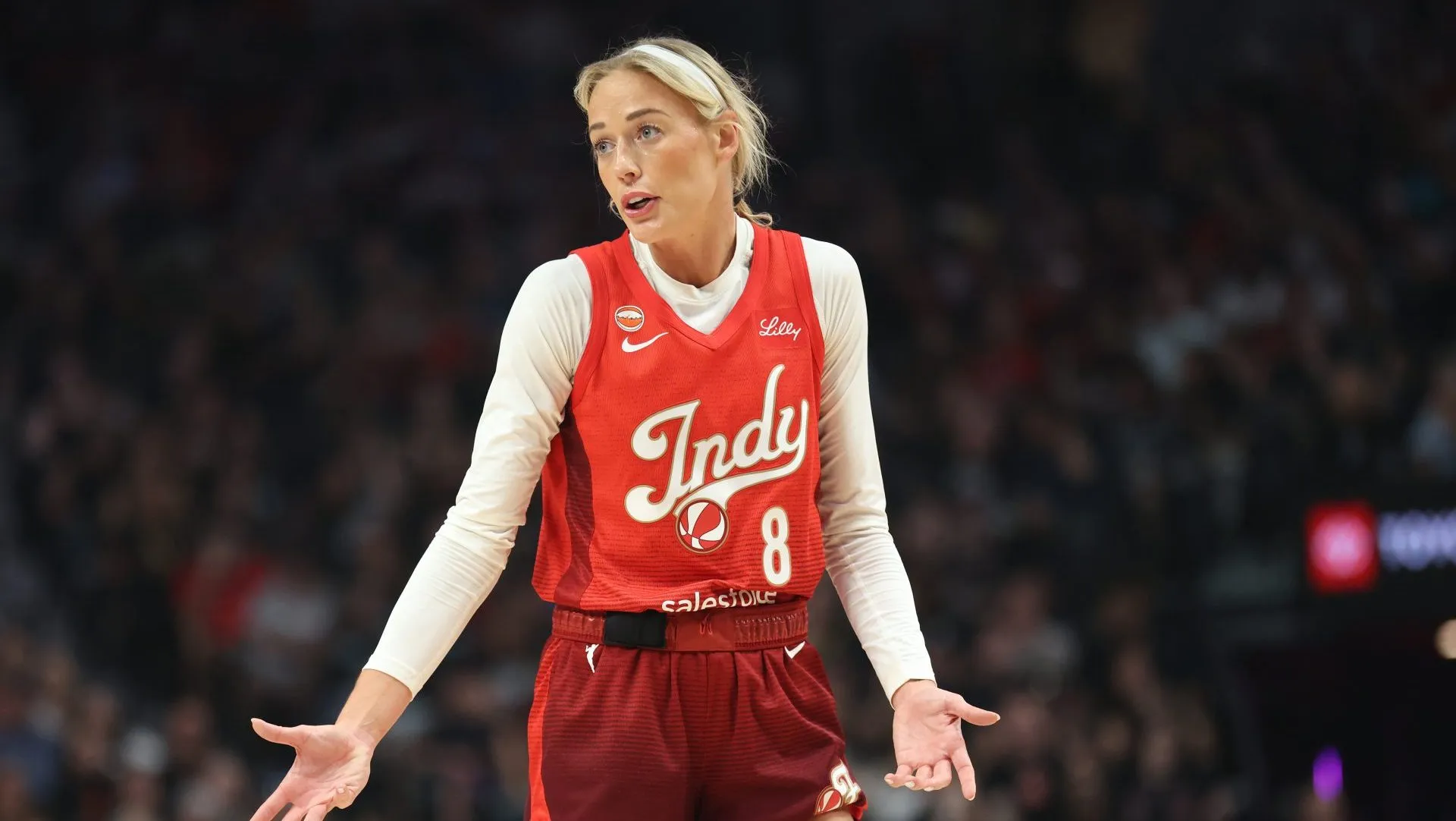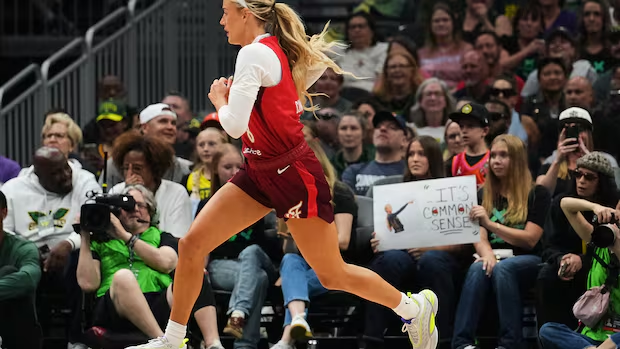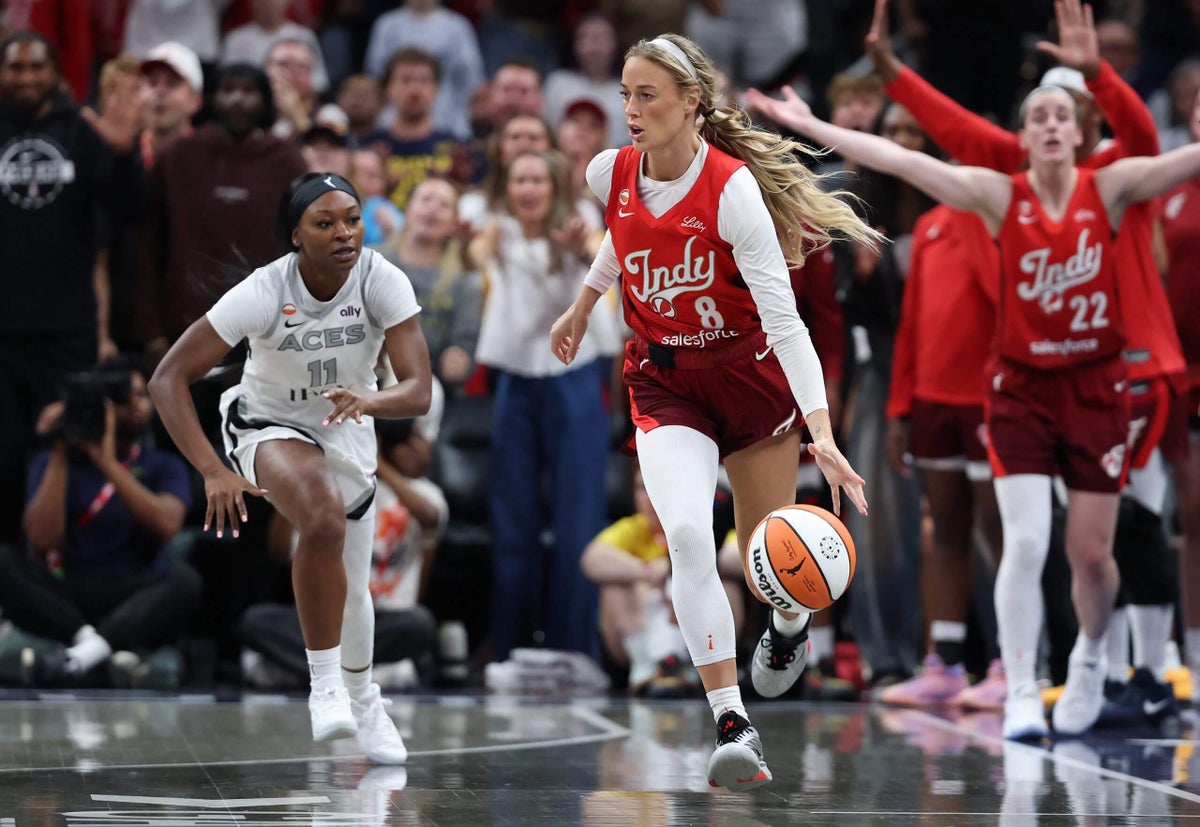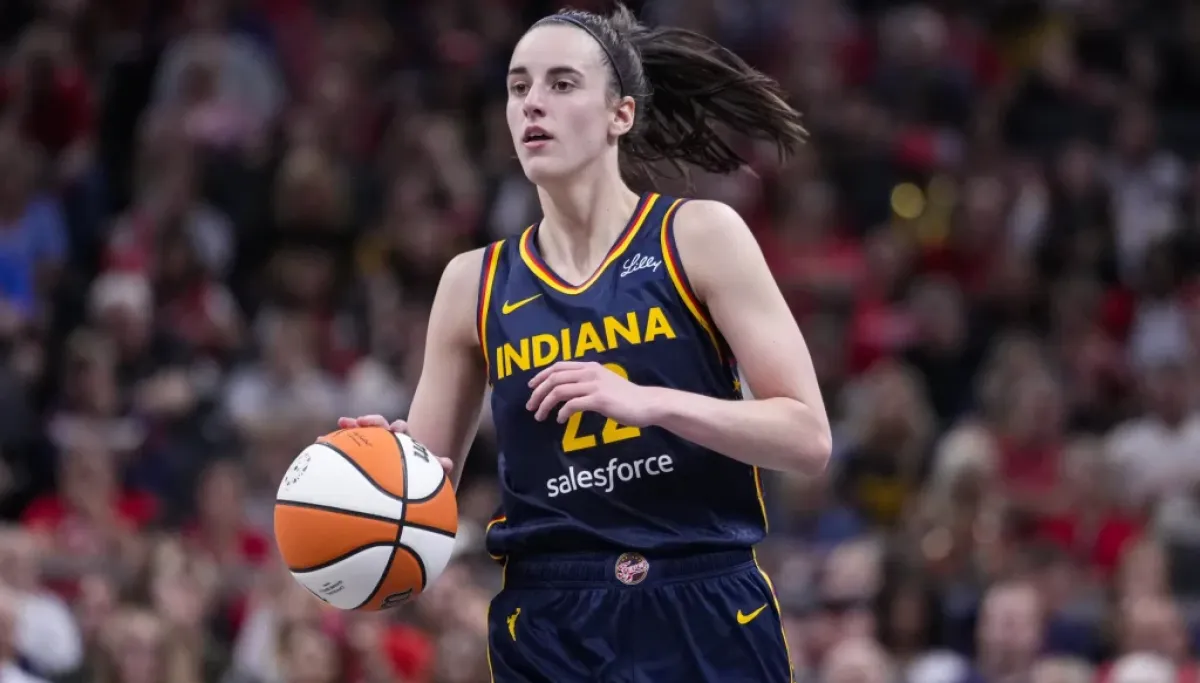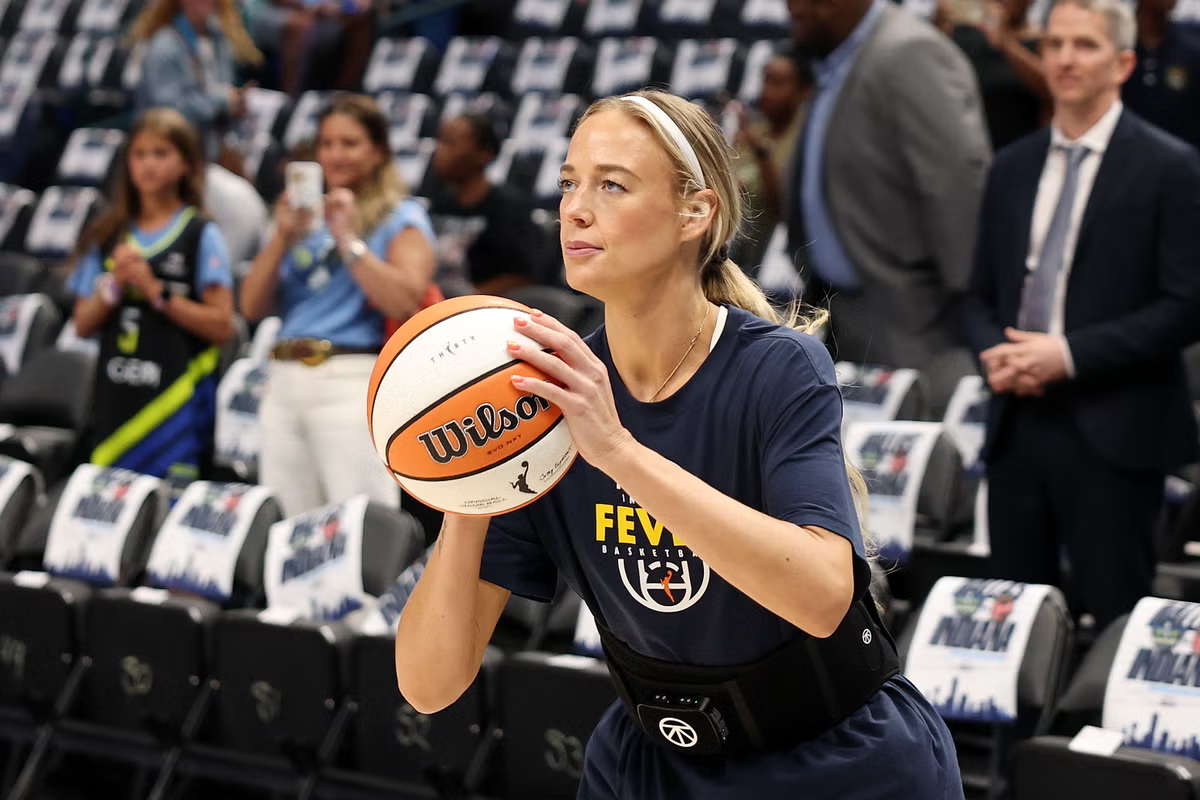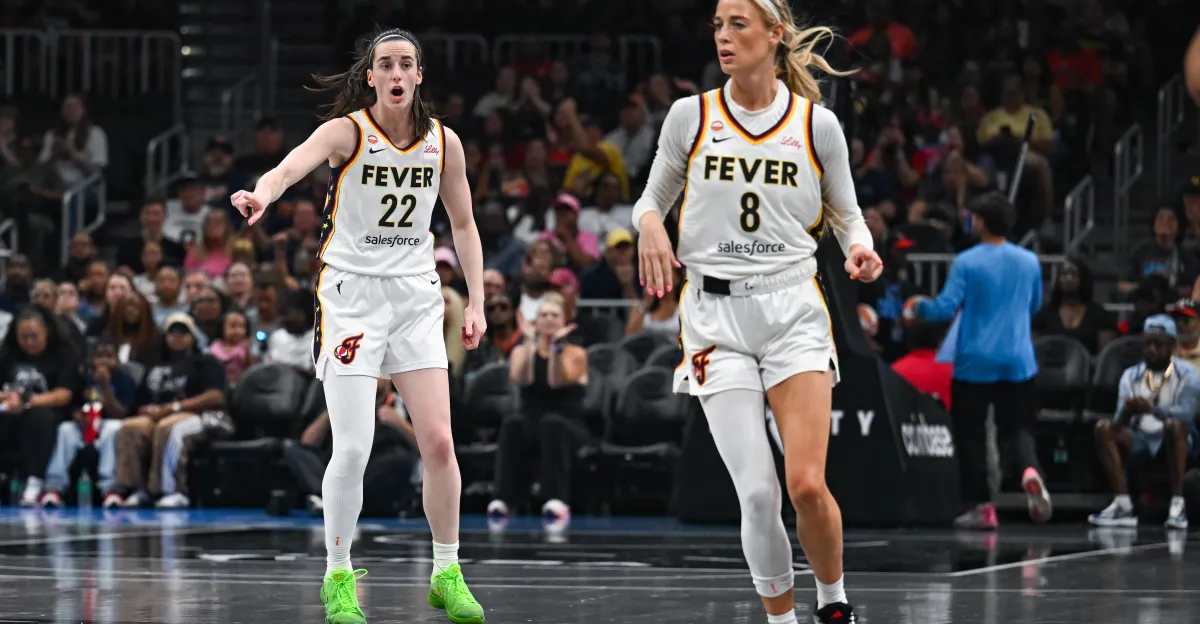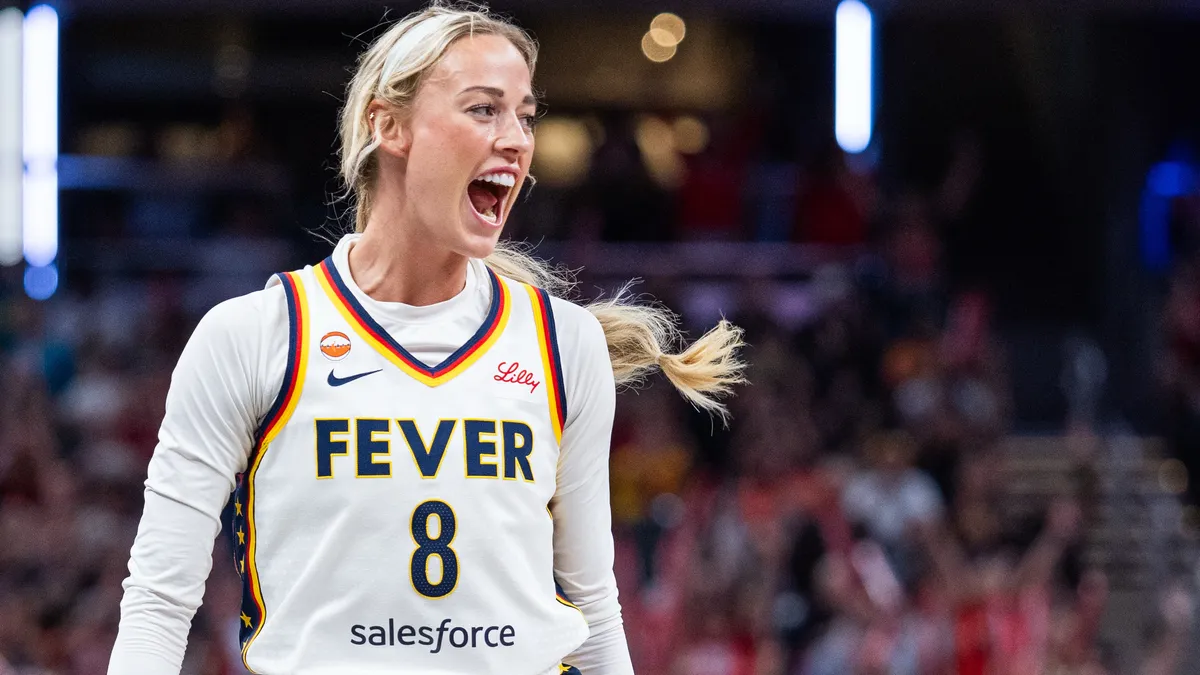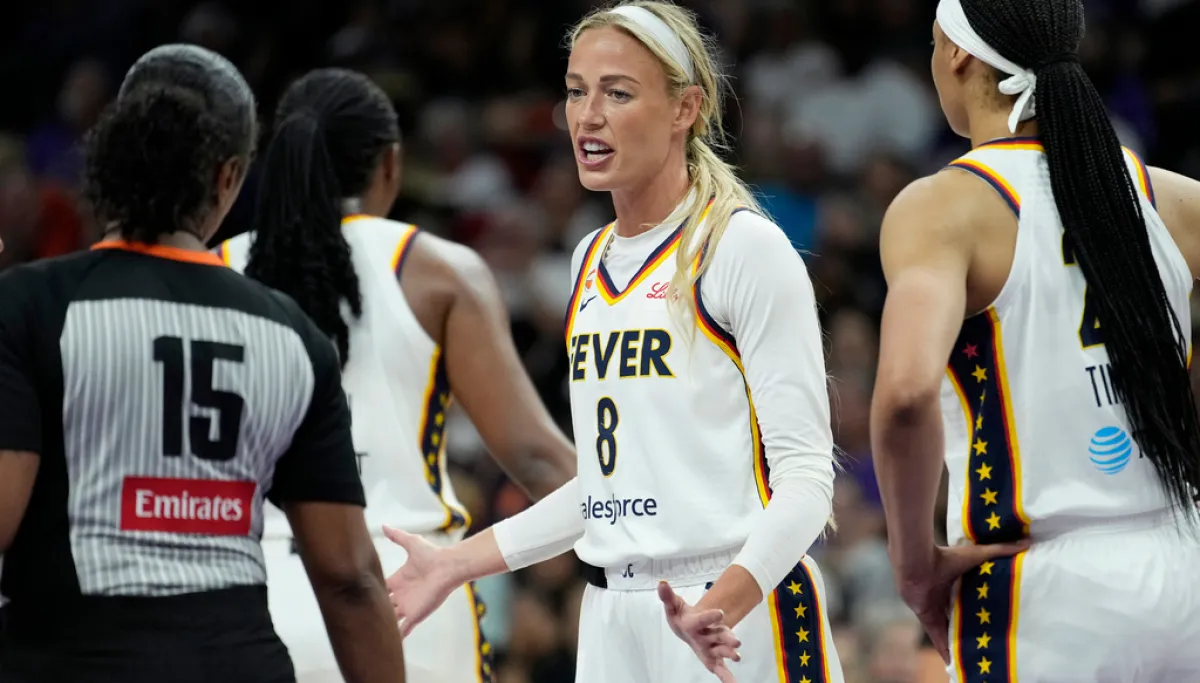
The debate over fairness in women’s sports has bounced back to center court, with Sophie Cunningham becoming its latest flashpoint. After telling ESPN she believes women’s sports should be reserved for biological women, the professional basketball player spent two weeks in the throes of a national firestorm as rallies of support erupted outside WNBA arenas in Seattle, Portland, and Minneapolis. From the sidelines, Minnesota Lynx coach Cheryl Reeve doubled down on her belief that transgender athletes should participate in categories based on gender identity, calling this a “human rights issue.” The media is the biggest perpetuator of this division, ensuring that each side is advocating from entirely different vocabularies. And few institutions have done more to shape that vocabulary than the Associated Press. Through its widely referenced stylebook and guidance on “inclusive storytelling,” the AP Stylebook discourages use of “biological female” and defines gender as a “social construct” rooted in “self-identity.” It warns writers to “be aware of nuances and pitfalls in the use of ‘female’ and ‘woman/women,'” explaining that “female” describes sex, not gender, and can be perceived as “emphasizing biology and reproductive capacity over gender identity.” That logic runs not only through AP’s own reporting but through massive outlets that follow its lead, including the New York Times, NPR, and the Los Angeles Times.AP’s guidance marks a shift with major consequences not only for the coverage of women’s sports, but the conversations surrounding it. Those conversations are not new. Earlier this year, intense debate reignited when the Trump administration sued California, Minnesota, and Maine over policies that allow transgender athletes to compete based on how they identify. The language journalists use to describe these events shapes public discourse and influences key debates in courtrooms and the halls of Congress.
When journalism stops using the word 'woman'
The AP Stylebook's gender rules distort truth in media reporting, threatening biological fairness and integrity in women's sports.
853 words~4 min read