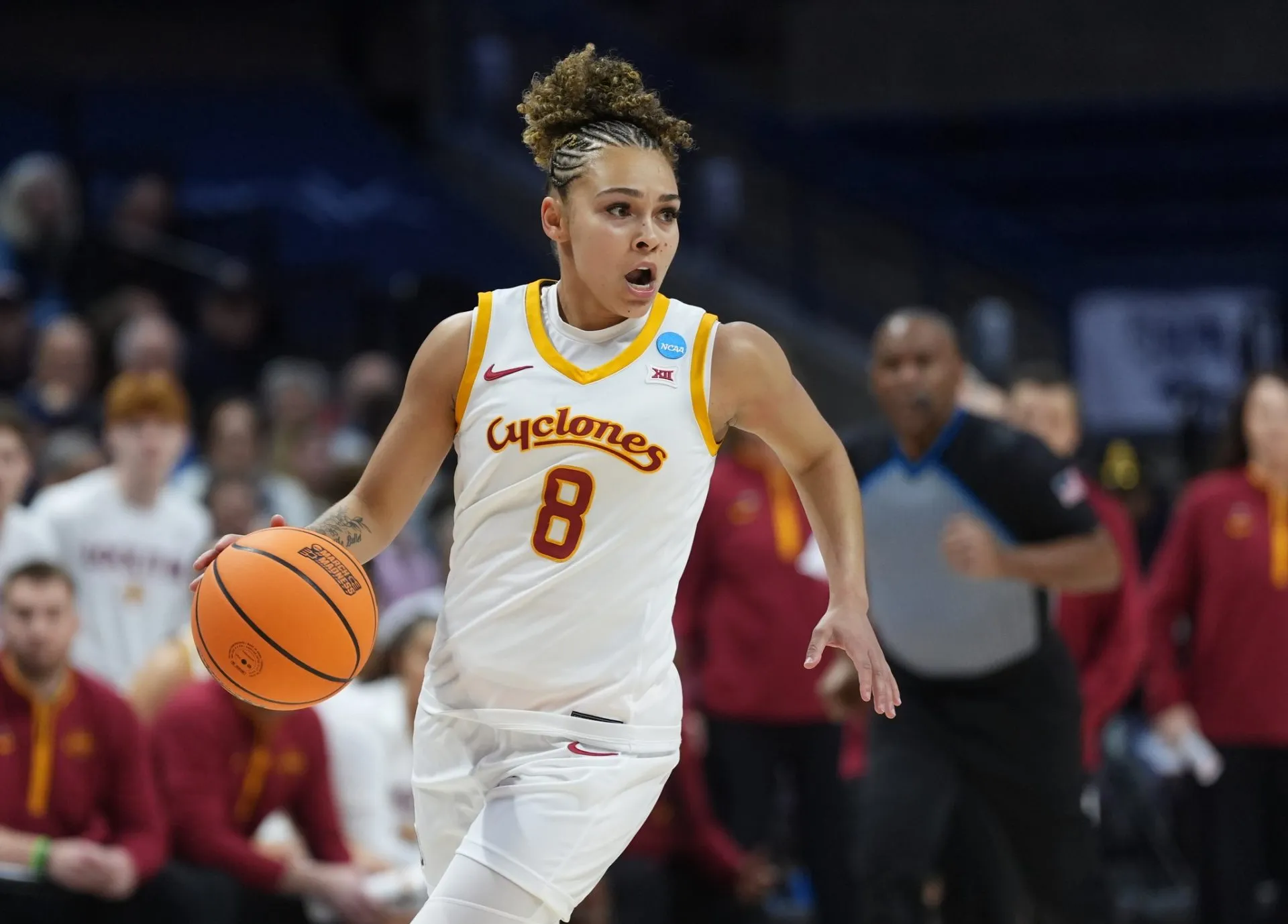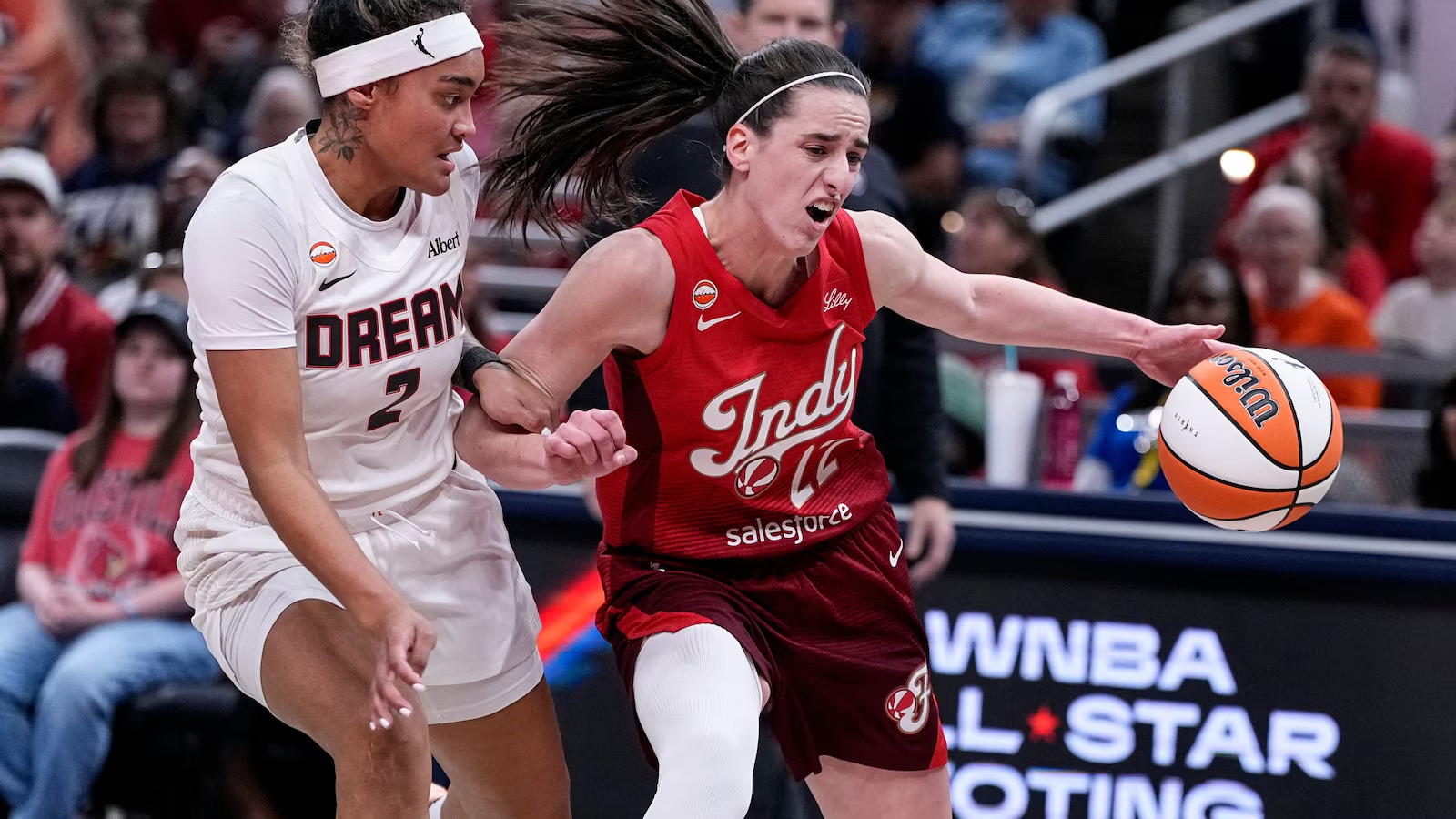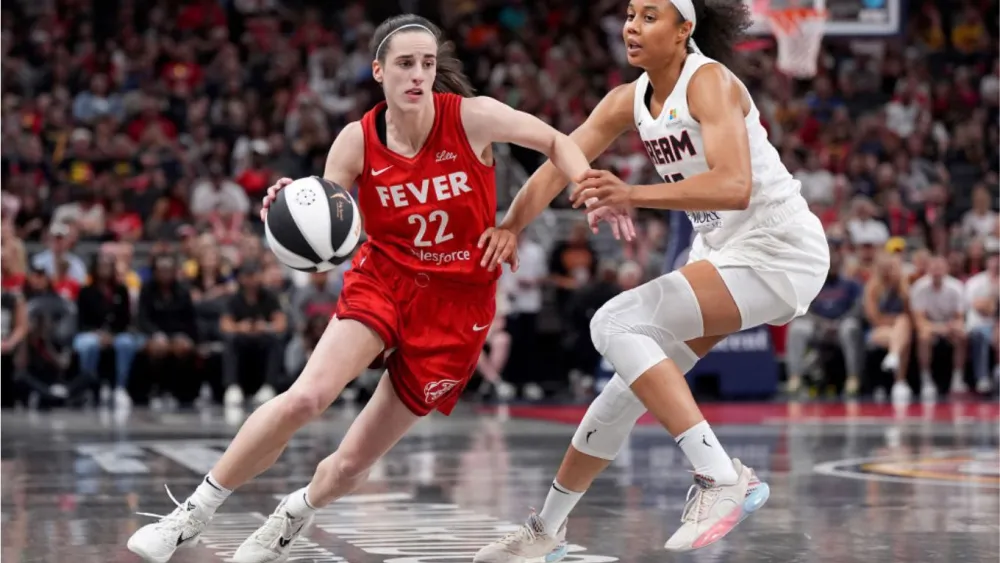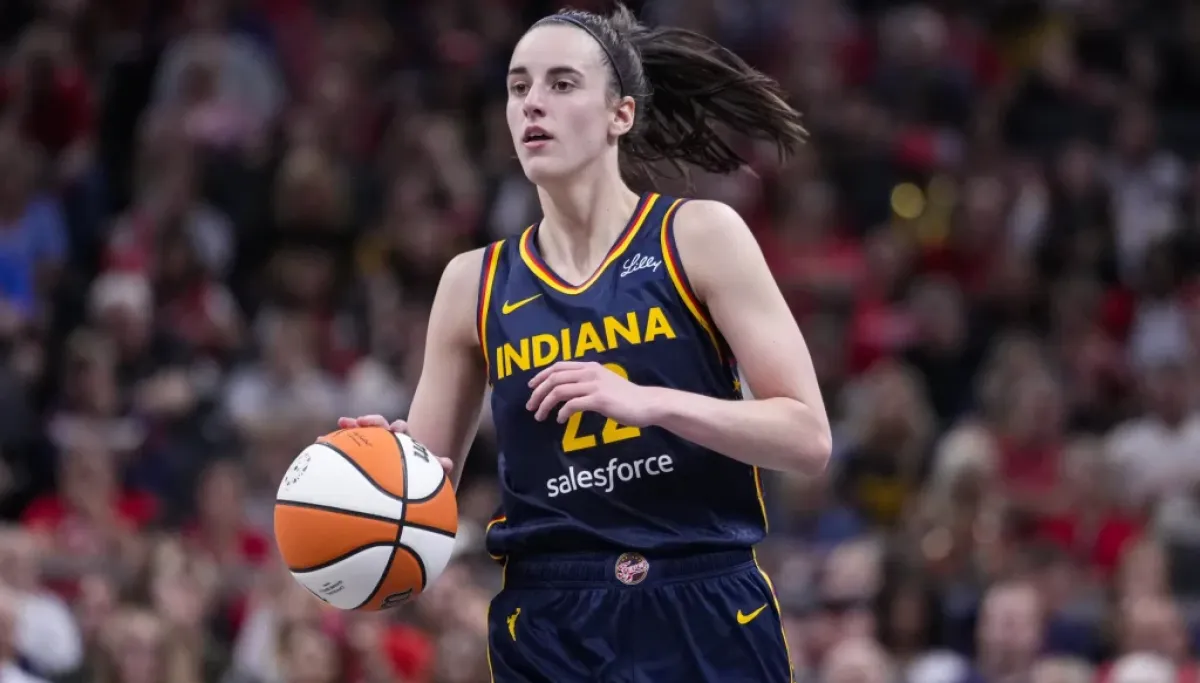
As a lifelong fan of women’s sports, thinking about things like media rights or federal sports policy never really crossed my mind while watching Caitlin Clark drain threes from half court or Dawn Staley make history year after year. But looking back now, I better understand that none of those moments happen without the system behind it all. From basketball to softball, the system helps ensure female athletes have a platform, resources, and a future in the games we love. However, potential changes to the Sports Broadcasting Act should give us pause regarding the unintended consequences for women’s sports. Some of the talk has centered around potentially pooling media rights in college sports under a centralized system. On the surface, that makes sense and sounds like a more efficient way to handle broadcasting rights. But the real question is who will ultimately bear the cost of that policy change.The current system has provided a way for college athletics departments to create and sustain opportunities for female athletes and programs beyond just revenue sports. Because football and men’s basketball are typically the main revenue drivers, conferences structure their media rights deals in a way that allows the popularity of football and basketball to support a much broader athletics ecosystem. That ecosystem includes scholarships for female athletes, travel, facilities, and other benefits that primarily go toward female athletes.
Congress might sideline women’s sports in the rush to rewrite rules
Potential changes to the Sports Broadcasting Act should give us pause regarding the unintended consequences for women’s sports.
627 words~3 min read