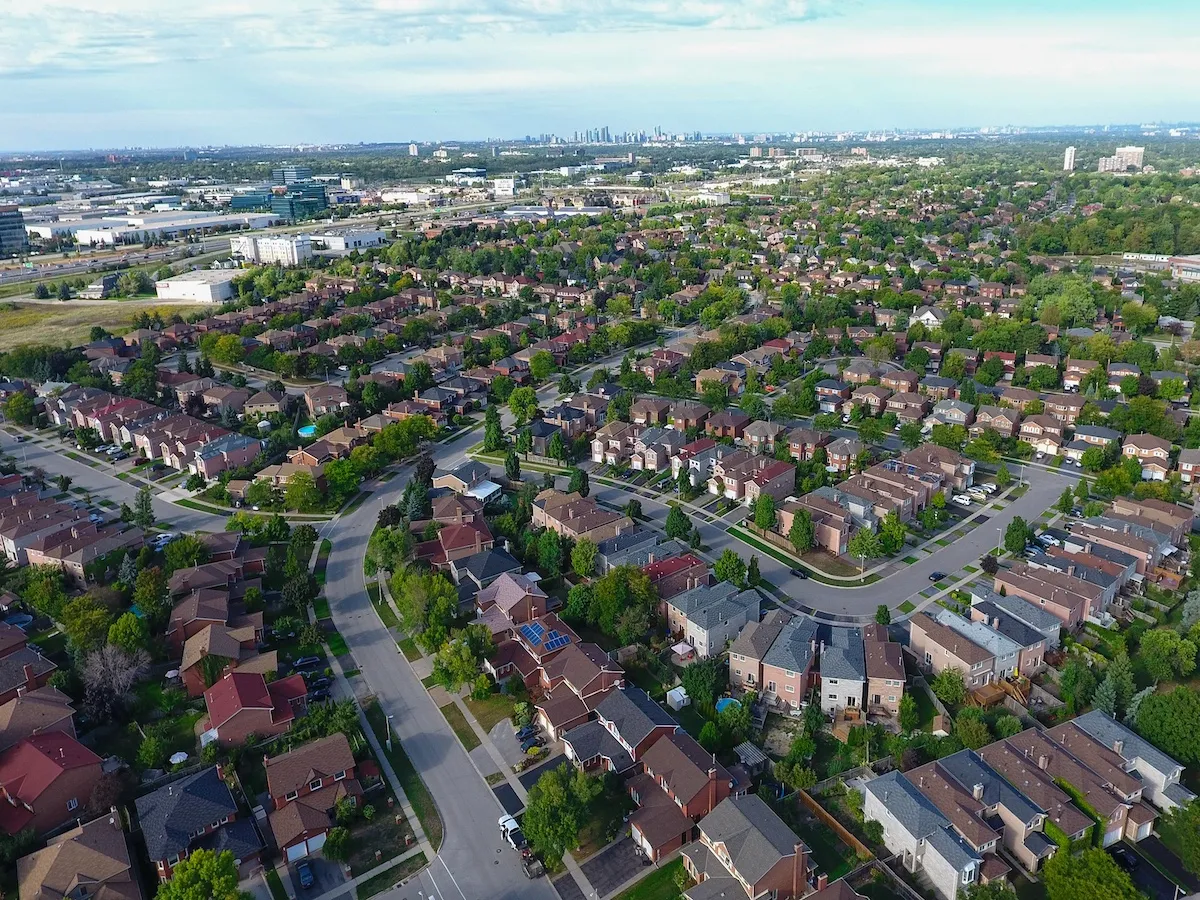
Skip to Content Subscribe My Account Manage My Subscriptions FAQ Newsletters Canada Canadian True Crime Canadian Politics Health World Israel & Middle East Financial Post NP Comment Longreads Puzzmo Diversions Comics NP News Quiz New York Times Crossword Horoscopes Life Eating & Drinking Style Sponsored Play for Ontario Travel Travel Canada Travel USA Travel International Cruises Travel Essentials Culture Books Celebrity Movies Music Theatre Television Business Essentials Advice Lives Told Tails Told Shopping Buy Canadian Home Living Outdoor Living Kitchen & Dining Tech Style & Beauty Personal Care Entertainment & Hobbies Gift Guide Travel Guide Amazon Prime Day Deals Savings National Post Store More Sports Hockey Baseball Basketball Football Soccer Golf Tennis Driving Vehicle Research Reviews News Gear Guide Obituaries Place an Obituary Place an In Memoriam Classifieds Place an Ad Celebrations Working Business Ads Archives Healthing Epaper Manage Print Subscription Profile Settings My Subscriptions My Offers Newsletters Customer Service FAQ Newsletters Canada World Financial Post NP Comment Longreads Puzzmo Diversions Life Shopping Epaper Manage Print Subscription HomeHomesOPINION: Municipal election candidates need to ensure approval pipeline for new developments is part of housing strategy Municipal approvals, approval timelines and service delivery impact how many new homes come to marketLast updated 35 minutes ago There can be a large drop-off between the plans that receive approval and the ones that proceed to construction and completion. Photo by ShutterstockWe independently select everything we recommend. Buying through us may earn us a commission, which supports our work.As I do in the lead-up to every municipal election in the Greater Toronto Area (GTA), I use this column to outline the issues and policy matters that critically impact housing supply and affordability across the region so that readers can engage with candidates and assess campaign promises for the issues that matter to them. Enjoy the latest local, national and international news.Exclusive articles by Conrad Black, Barbara Kay and others. Plus, special edition NP Platformed and First Reading newsletters and virtual events.Unlimited online access to National Post.National Post ePaper, an electronic replica of the print edition to view on any device, share and comment on.Daily puzzles including the New York Times Crossword.Support local journalism.Enjoy the latest local, national and international news.Exclusive articles by Conrad Black, Barbara Kay and others. Plus, special edition NP Platformed and First Reading newsletters and virtual events.Unlimited online access to National Post.National Post ePaper, an electronic replica of the print edition to view on any device, share and comment on.Daily puzzles including the New York Times Crossword.Support local journalism.Create an account or sign in to continue with your reading experience.Access articles from across Canada with one account.Share your thoughts and join the conversation in the comments.Enjoy additional articles per month.Get email updates from your favourite authors.Create an account or sign in to continue with your reading experience.Access articles from across Canada with one accountShare your thoughts and join the conversation in the commentsEnjoy additional articles per monthGet email updates from your favourite authorsSign In or Create an AccountorMunicipal approvals, approval timelines and service delivery are one of those issues that materially impacts how many new homes come to market, when they come to market and how much they could cost. All new housing supply that comes to market in Ontario and the GTA occurs in a pipeline. Most readers will be familiar with the later stages of development because it is clearly visible – these are the excavation, building and completion stages. However, the journey to a completed new home with proper permissions begins with planning and municipal approvals. The planning and approvals stage is the first step with a government interface – this is when plans for new housing units are submitted by builders and developers to their respective municipalities and are reviewed to ensure they conform with local zoning and the myriad of planning requirements that each municipality has. While work on projects by individual developers and builders pre-dates this stage often by many years, this initial stage is where the housing pipeline takes shape in a meaningful way and is one of the first formal gates in the development process. As such, it can determine much of the rest of the process for new housing development. Once new housing units receive draft plan approval, they can progress to the next stage in the development process. However, it is important to note that we know empirically that there is a large drop-off between the plans that receive approvals and the ones that eventually proceed to construction and completion. So, just because 100 housing units receive planning approval, it does not mean that we end up with 100 new homes at the end of the pipeline. We also know that if the approvals stage takes an extended period of time – sometimes years – that significant additional cost is added and can negatively impact the viability of the project. Unfortunately, GTA municipalities boast some of the lengthiest approval times in Canada and North America. BILD’s municipal benchmarking research has identified that for each month of delay, it can add between $2,673 per unit per month to $5,576 per unit per month, depending on housing type and location. Or, based on average approval times in the GTA between $43,000 to $90,000 per unit, per application submission. Both of these things signal why it is critical to have an effective and efficient planning approval system for new housing that maximizes the number of units that are approved. To put it plainly, the more units that get approved the more likely it is to be built. This results in increased supply and choice, and the faster they get approved, the less impact of delay on the final costs – stopping bureaucratic hurdles from driving up the price. A few municipalities are already taking concrete steps to address these challenges and have demonstrated the kind of pro-housing cultural shift necessary to build more homes in their cities. In May of last year, the City of Vaughan implemented a “three strikes and you’re in” model for site plan approvals. This followed Mississauga implementing a similar policy. This model limits the city’s comments on site plan applications to three sets of comments, effectively limiting the time delays and bureaucratic back and forth that can stall development projects. Other municipalities, such as Burlington and City of Toronto, are also streamlining approval processes, and many are considering how to harness the power of AI to speed approvals. As we head into the municipal election season, ensuring that candidates make it a priority to increase the number of new housing units approved and reducing timelines to approval will be of critical importance to the future of housing in the GTA. By streamlining the approvals process, we can take another step towards facilitating greater housing supply and affordability across Toronto. It is time that reducing waiting periods and increasing approvals is considered a best practice for all GTA municipalities. Dave Wilkes is President and CEO of the Building Industry and Land Development Association. Join the Conversation This website uses cookies to personalize your content (including ads), and allows us to analyze our traffic. Read more about cookies here. By continuing to use our site, you agree to our Terms of Use and Privacy Policy.
OPINION: Municipal election candidates need to ensure approval pipeline for new developments is part of housing strategy
Municipal approvals, approval timelines and service delivery impact how many new homes come to market
1,203 words~5 min read