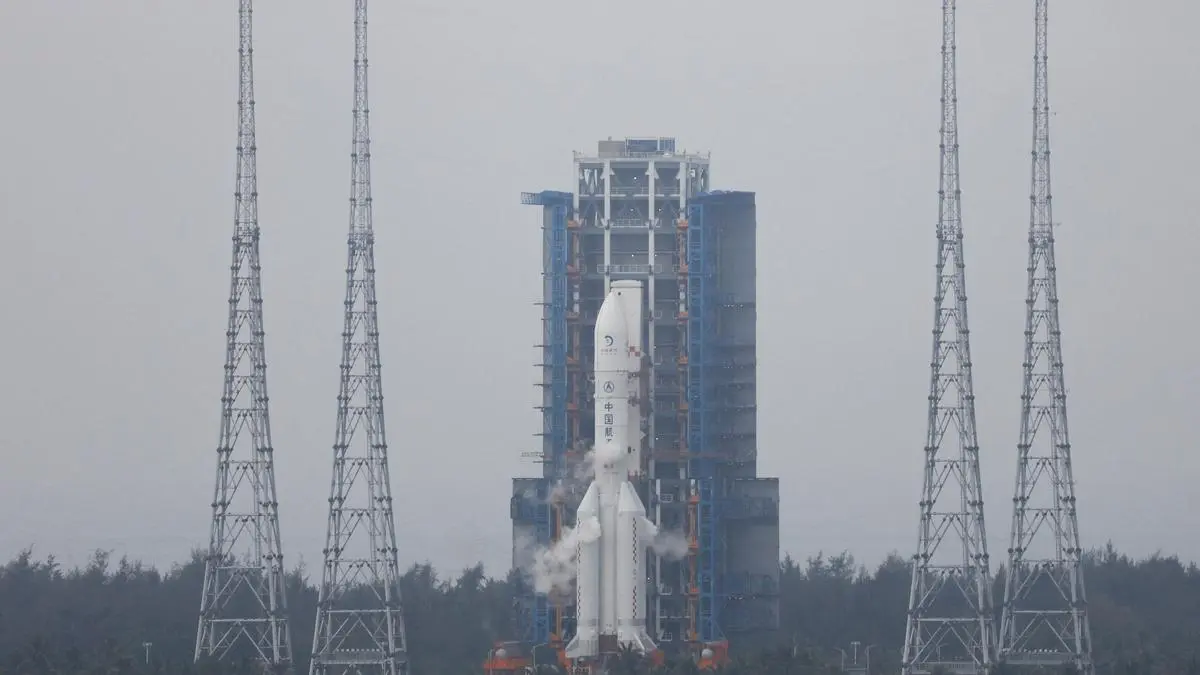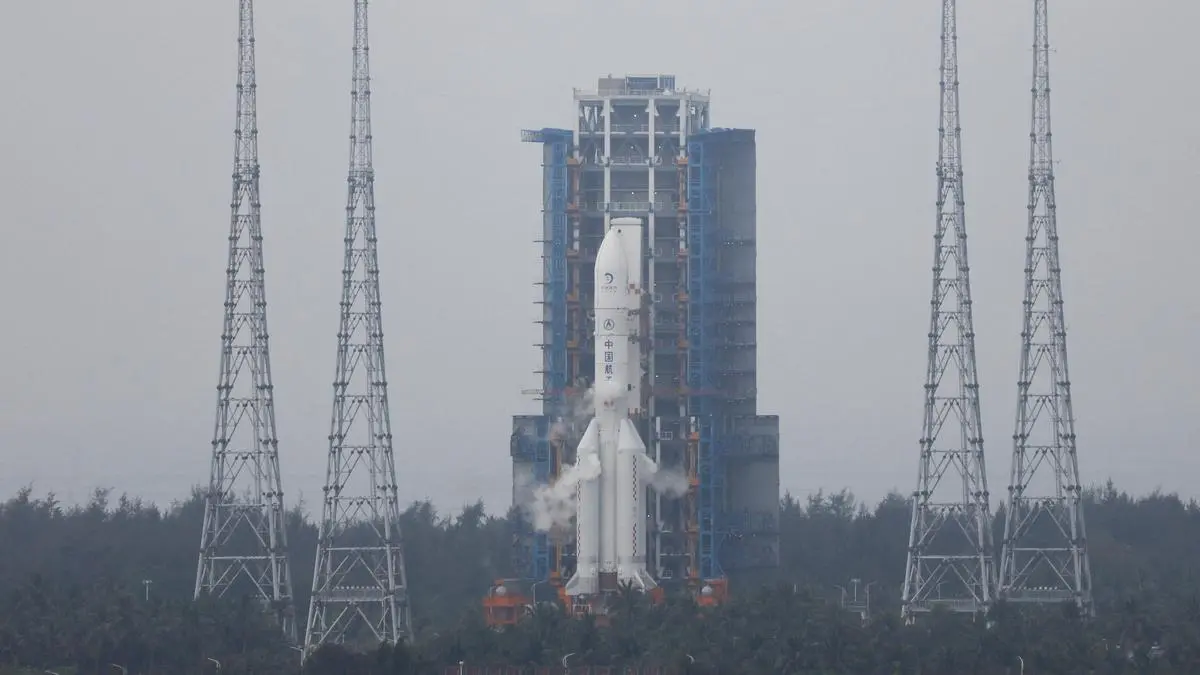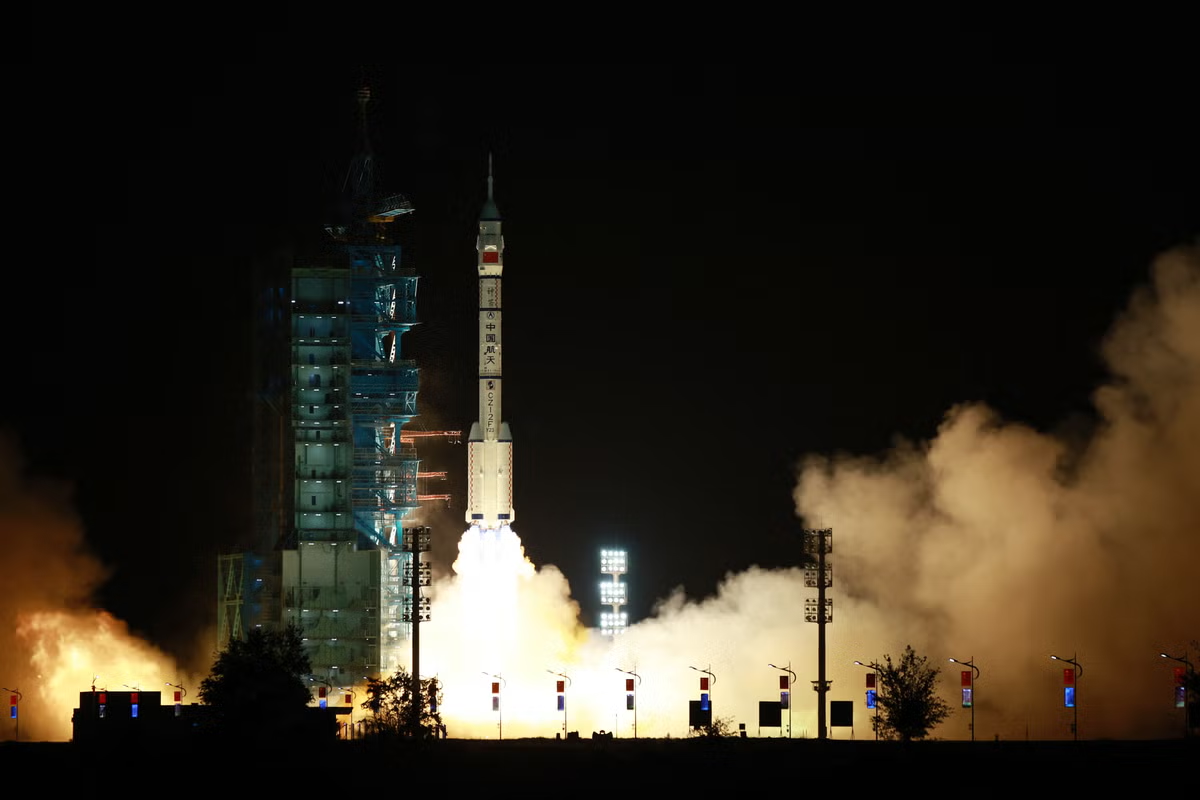
HELSINKI — China will launch a complex, multi-spacecraft mission late Sunday to study and land near the lunar south pole, including a search for evidence of water-ice.
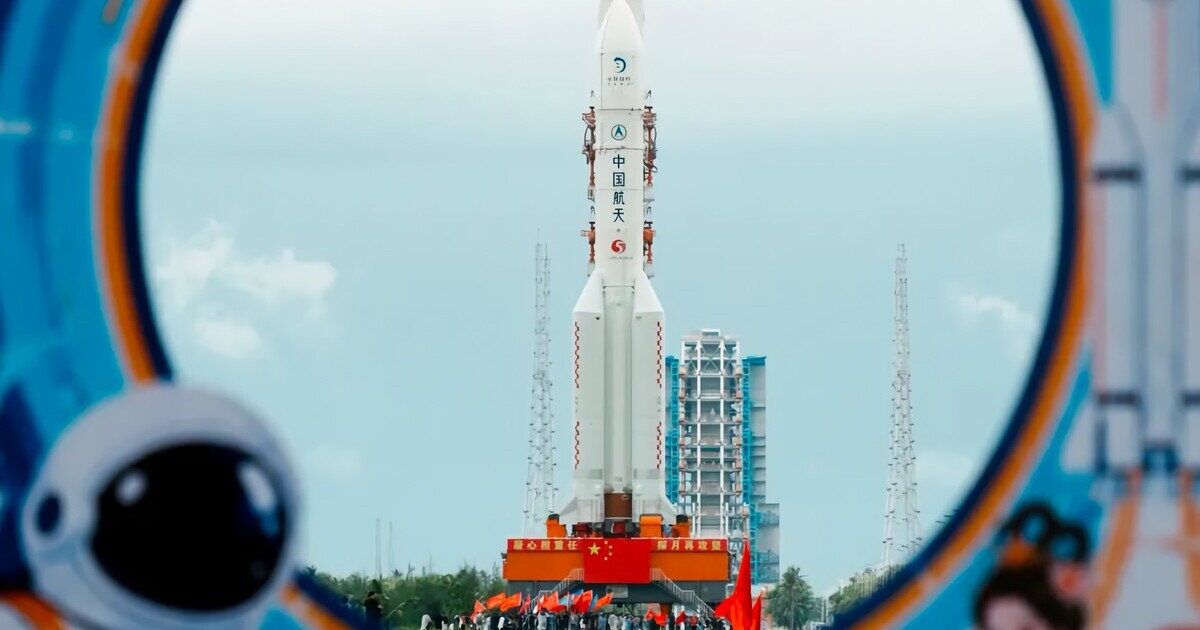
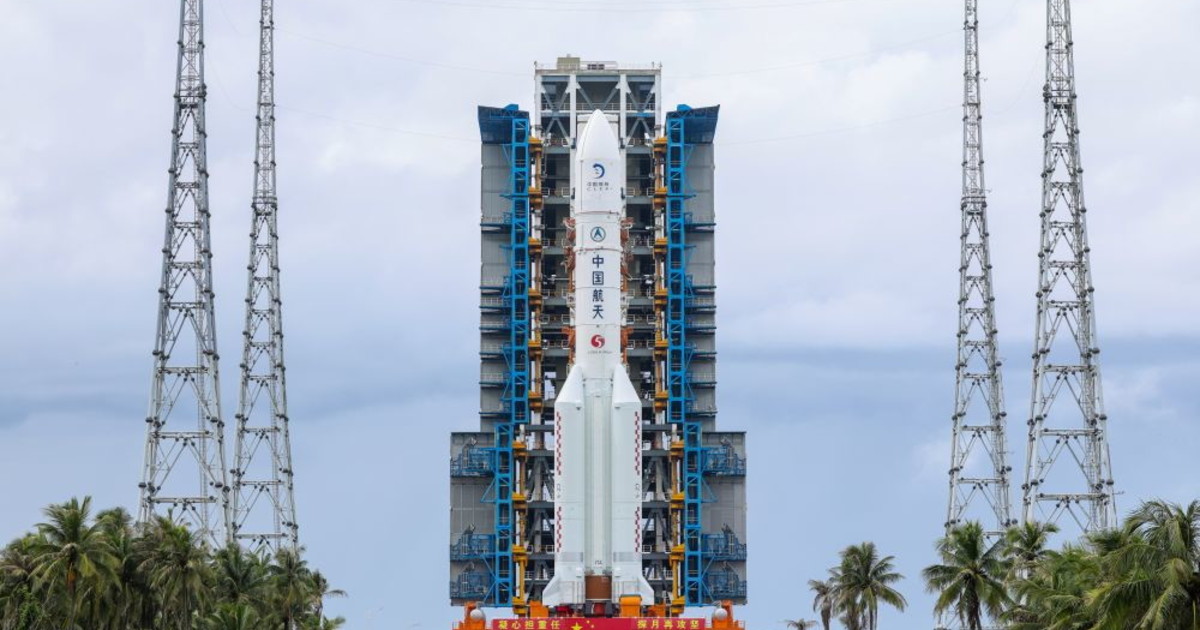
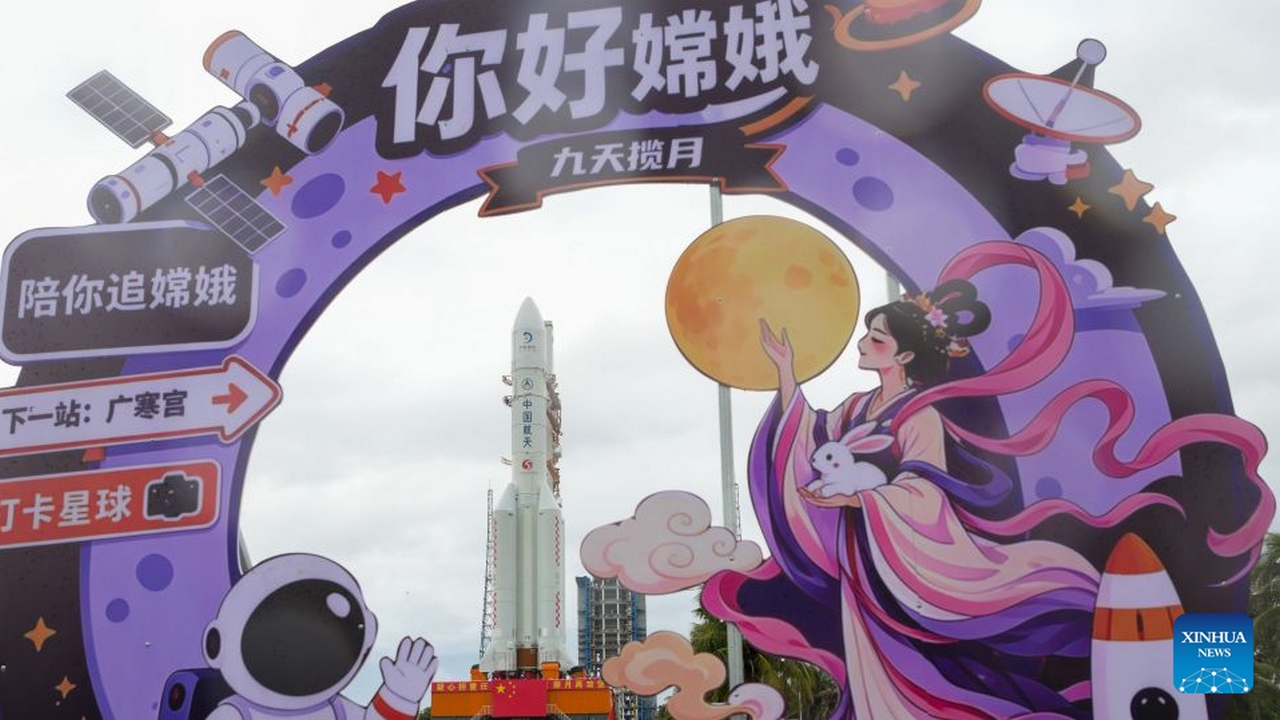
A Long March 5 rocket was rolled out at Wenchang Satellite Launch Center on Hainan island, Aug. 19, setting the stage for launch of the Chang’e-7 mission. The China Manned Space Engineering Office (CMSEO) stated launch was scheduled for the coming days, but airspace closure notices indicate a launch window opening around 8:00 p.m. Eastern, Aug 23 (0000 UTC, Aug. 24).
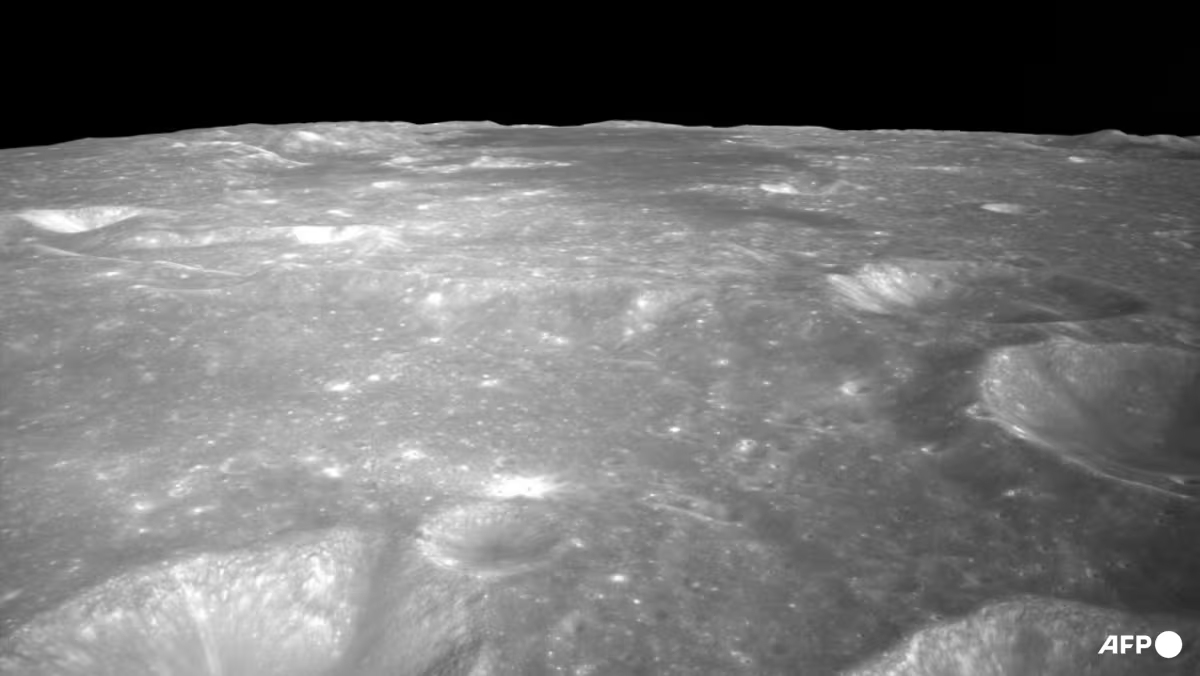
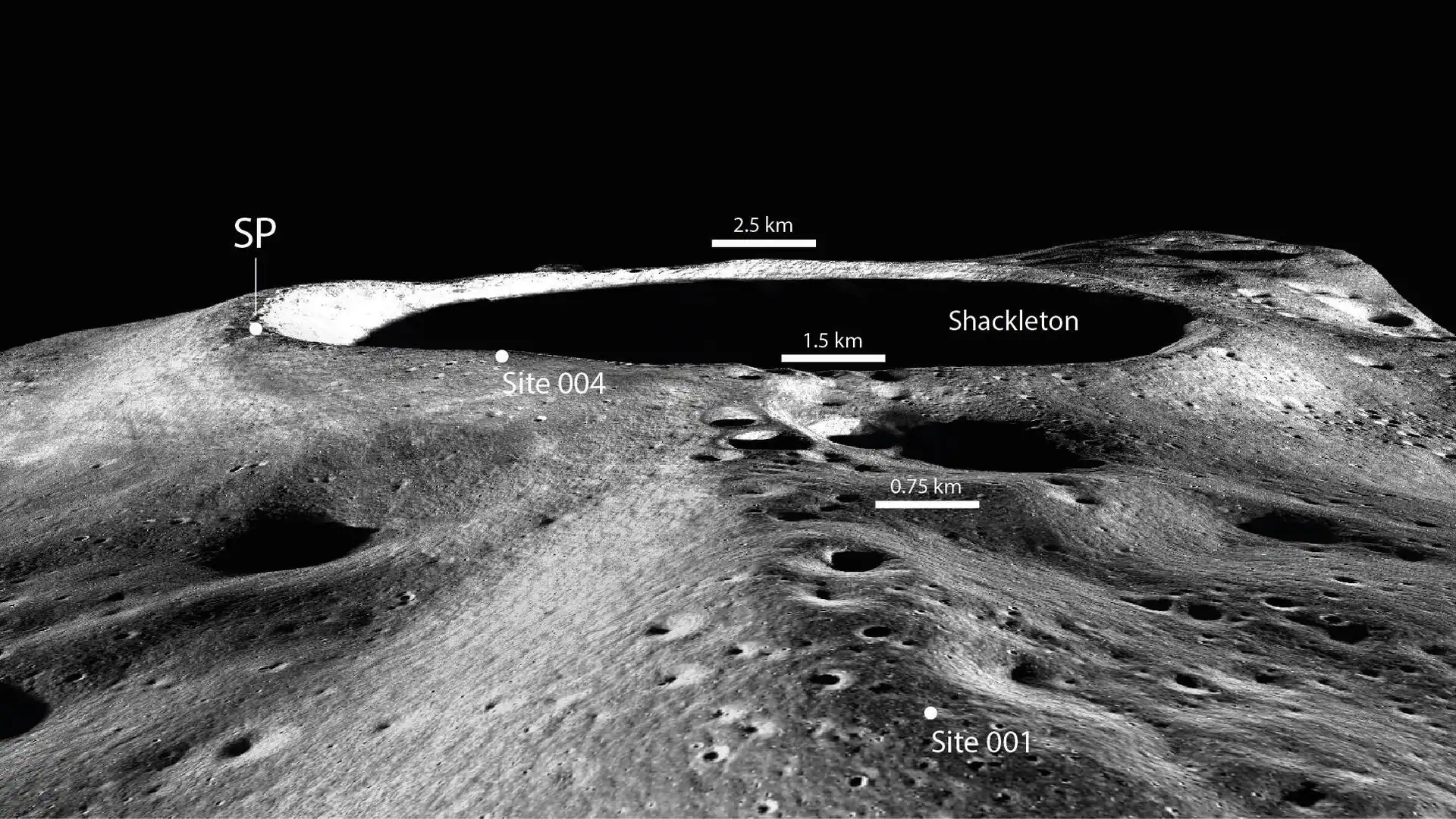
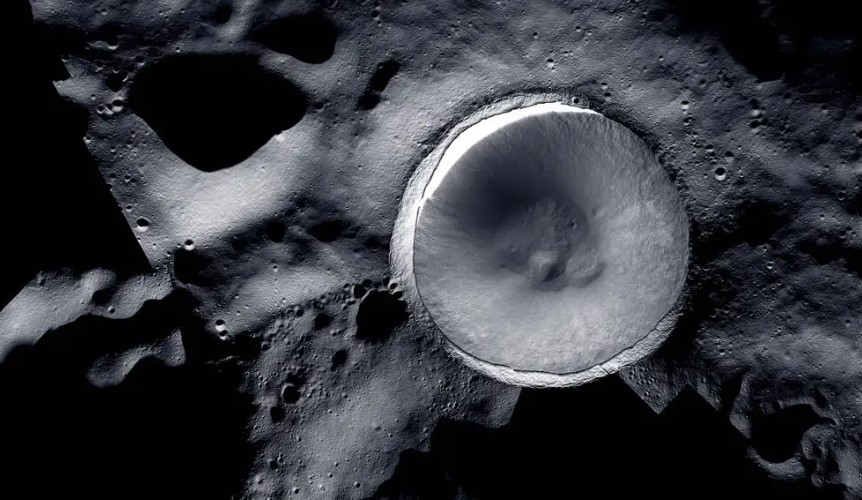
The mission is targeting the scientifically intriguing lunar south pole, focusing on key questions regarding the potential presence, volume and accessibility of volatiles caught in shadowed craters, acting as cold traps. Volatiles have been detected via remote sensing but there have yet to be in-situ measurements or sampling. Together with the follow-on Chang’e-8 in-situ resource utilization mission, planned for around 2029, Chang’e-7 is intended to lay the technical groundwork for China’s planned International Lunar Research Station (ILRS).
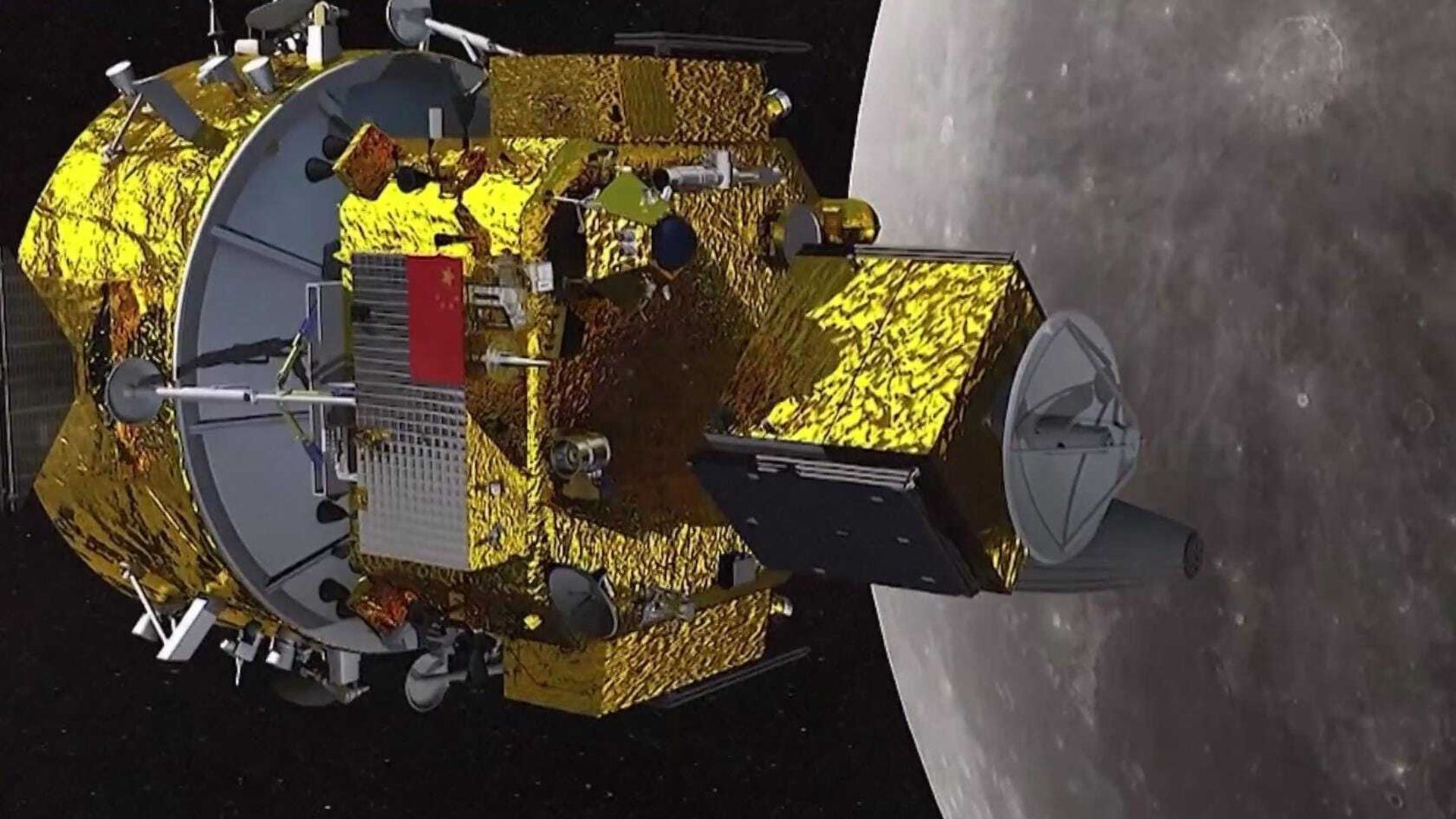
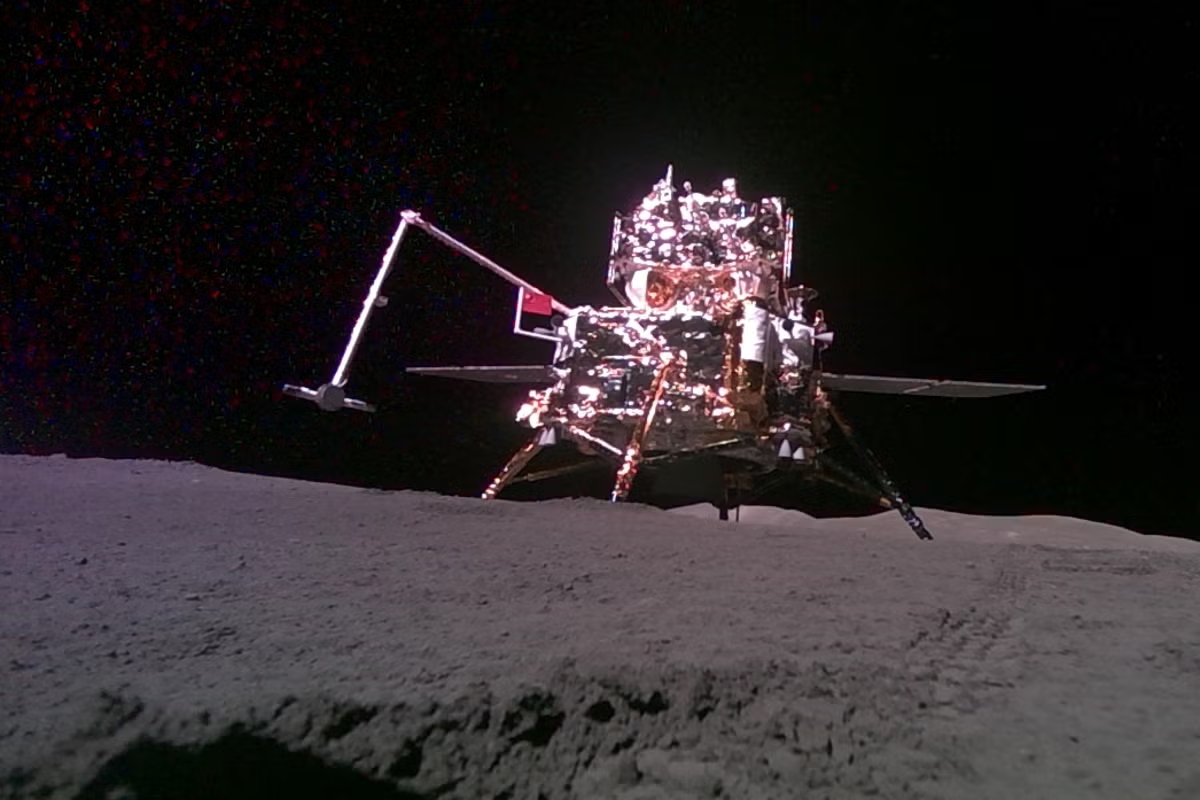
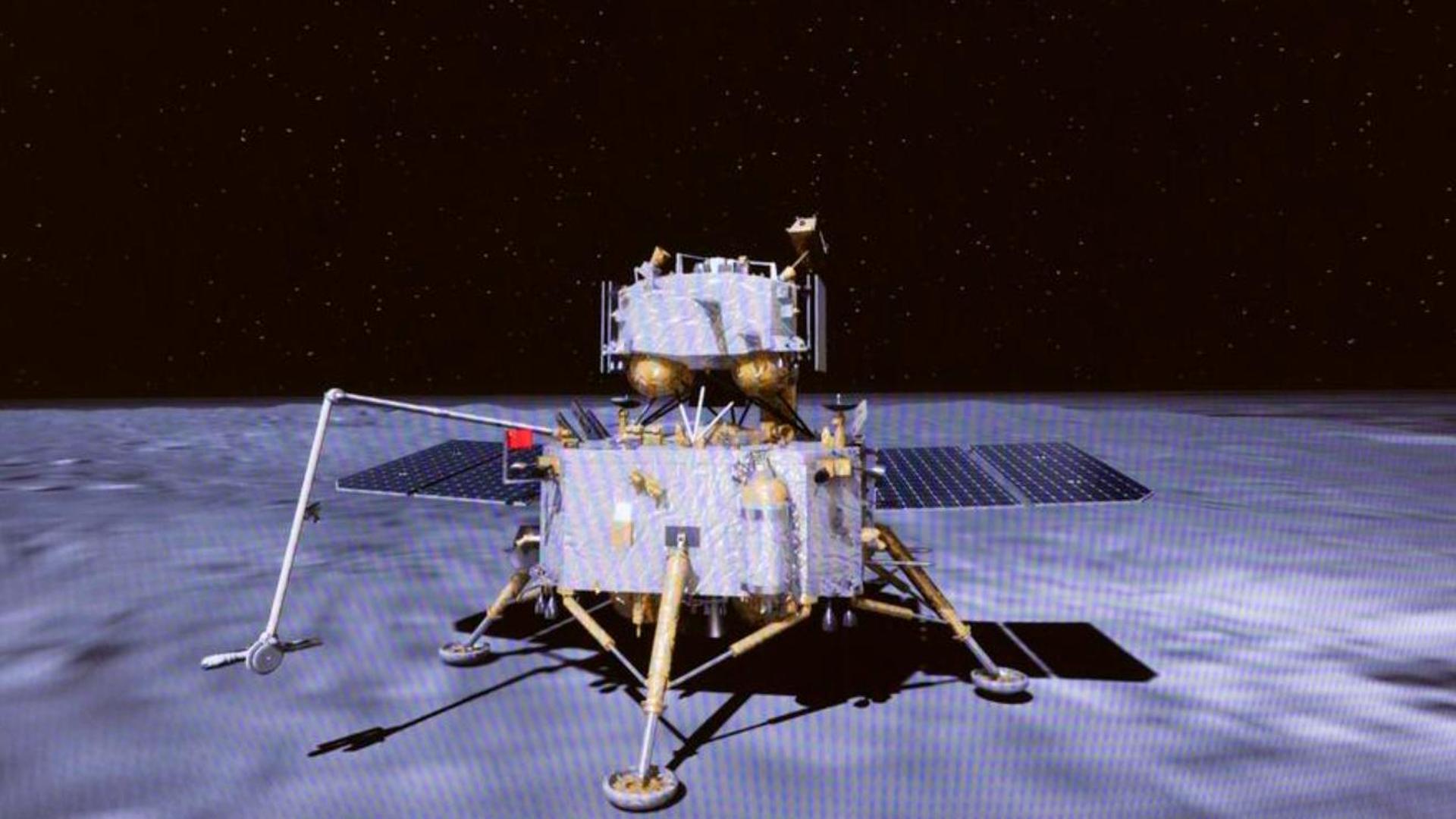
The scheduled launch of the Long March 5 rocket aims to insert the Chang’e-7 stack, consisting of an orbiter, lander, rover and hopper spacecraft, into a translunar trajectory, with the spacecraft entering an initial lunar orbit around five days later. The orbiter will then begin imaging target landing sites near the lunar south pole for a later landing attempt. Authorities have yet to reveal a planned landing date, which could even come months after entering lunar orbit.