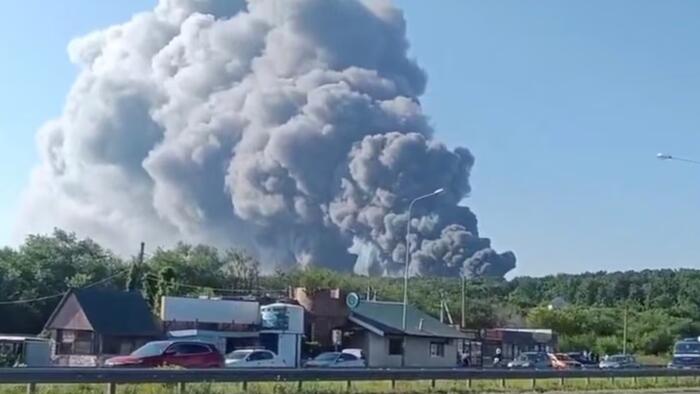
Russia’s war against Ukraine is entering another dangerous phase with both sides relying heavily on long range strike systems, including Ukraine executing attacks at depths of over 2,000 kilometers from its borders. As the risk of further escalation rises as fall and winter approach, Washington should now make more aggressive use of selective disclosure: revealing more about what each side is demanding, rejecting and tentatively accepting.
U.S. mediation since early 2025 has produced limited restraints involving Black Sea navigation and attacks on energy facilities and a three-day ceasefire, but no lasting ceasefire. U.S.-mediated negotiations in Geneva in February ended without a breakthrough and the Kremlin said in July there was no immediate prospect of resuming formal negotiations, though President Trump and President Volodymyr Zelensky recently discussed reviving the peace talks.
The parties remain far apart. Moscow insists on control of all of the Donbas, including Ukrainian-held territory. Kyiv is unwilling to surrender it. Even if a ceasefire can be reached, Ukraine would struggle to accept terms that look like defeat: surrender of territory it still controls, a permanent bar on NATO membership without credible alternative guarantees, or abandonment of its claim to reparations. Recent Ukrainian polling underscores this difficulty, finding that 57% categorically rejected withdrawing from Ukrainian-held Donbas in exchange for U.S. and European security guarantees.