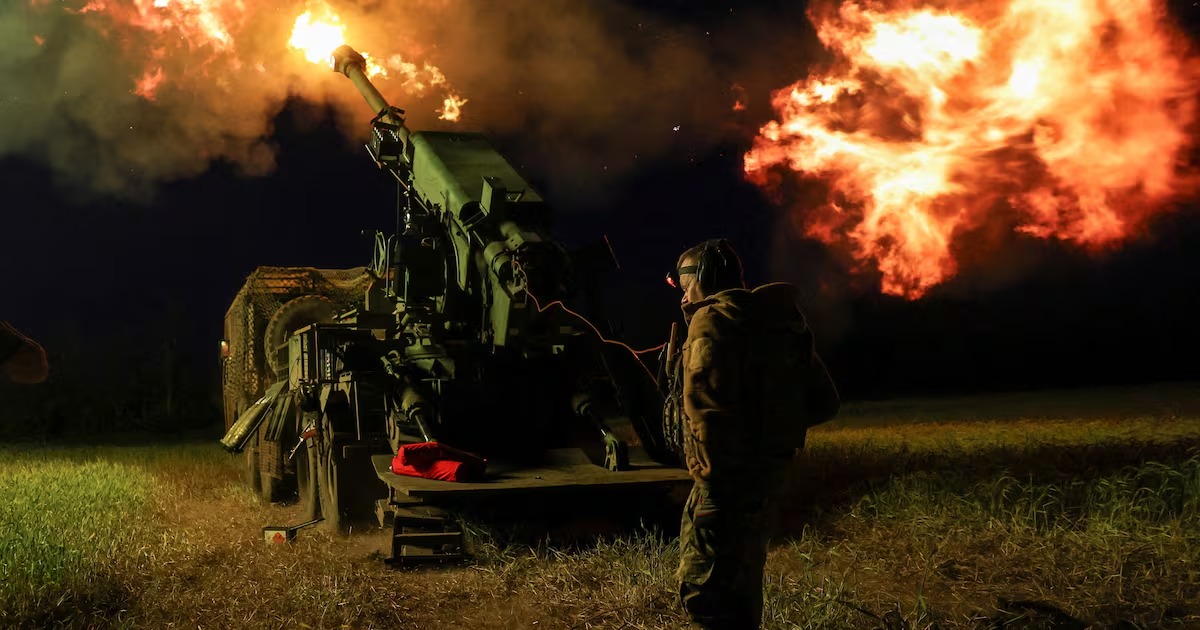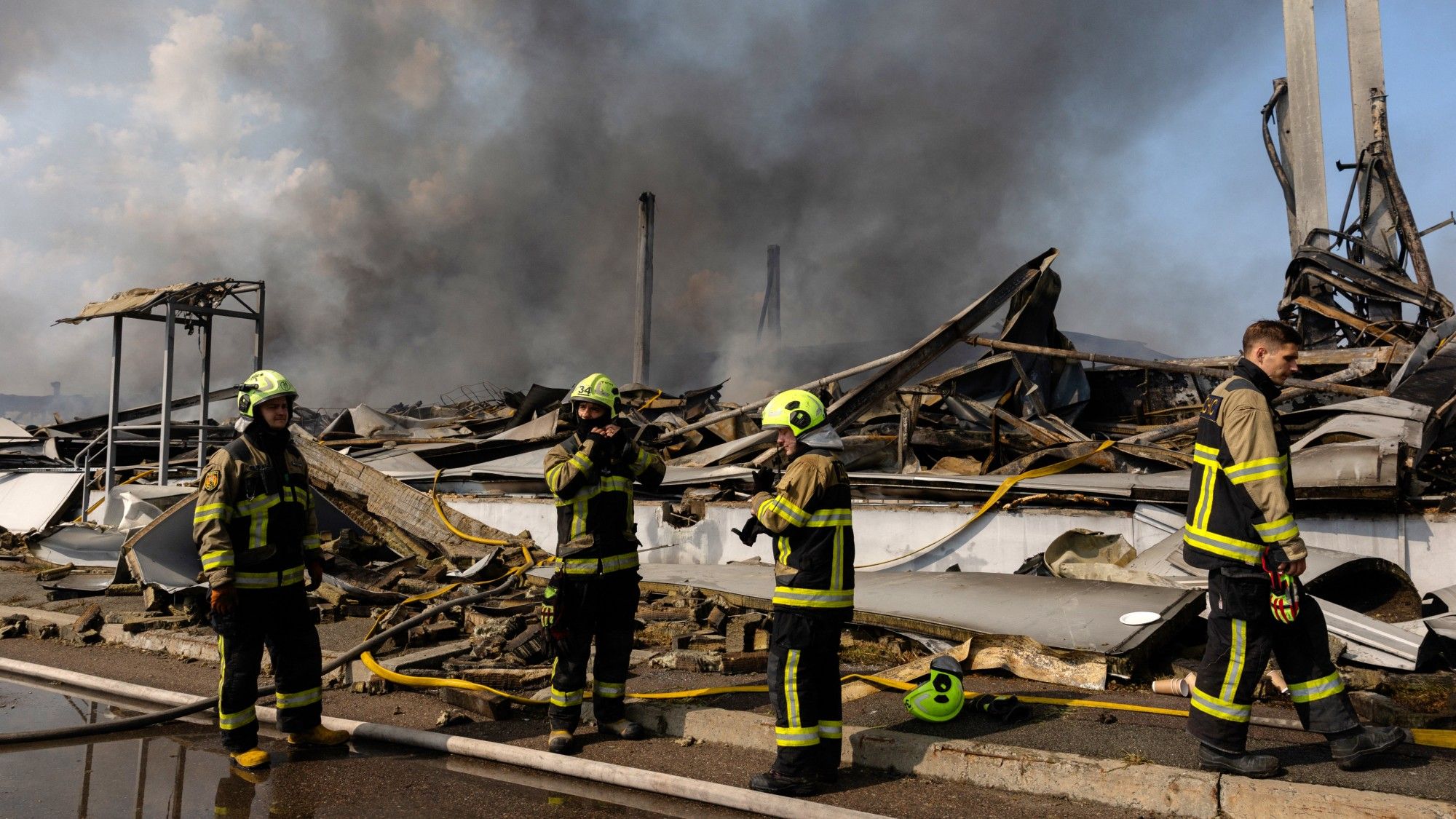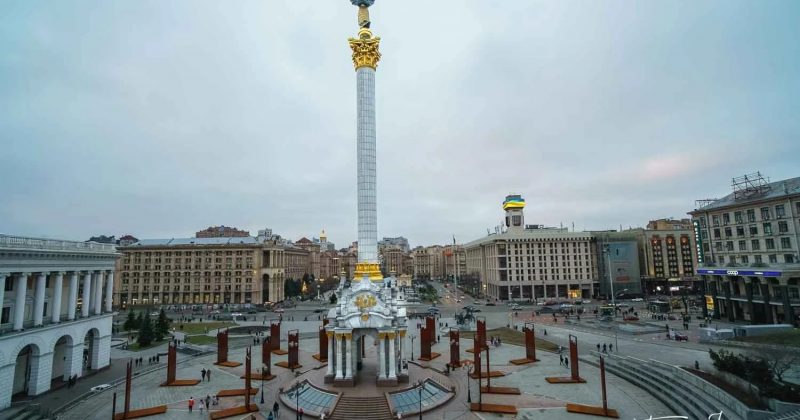
In late May 2026, the Russia-Ukraine war entered a dangerous phase of heightened intensity, characterised by mutual escalation in aerial and long-range strikes even as ground operations continue to grind forward at a slow and costly pace. This surge in violence comes against the backdrop of stalled diplomatic initiatives, with both Moscow and Kyiv seemingly determined to improve their positions on the battlefield before any serious concessions are contemplated. The result is a cycle of retaliation and counter-retaliation that not only prolongs the suffering but also casts a long shadow over prospects for a negotiated peace.Russia-Ukarine WarRussia has unleashed some of its most substantial aerial barrages in recent memory, deploying hundreds of drones and missiles, including advanced hypersonic systems, targeting Ukrainian cities and infrastructure. Kyiv has borne the brunt of these assaults, with strikes hitting civilian areas, government facilities, energy networks, and cultural landmarks, leading to civilian deaths and widespread disruption. From Moscow’s perspective, these operations serve multiple purposes. They aim to demoralise the Ukrainian population, degrade Ukraine’s defensive capabilities, and exert direct pressure on political leadership in the capital. At the same time, they reflect Russia’s need to offset relatively modest territorial gains on the ground, where advances in eastern regions remain incremental and come at a high price in manpower and equipment. By maintaining a high tempo of strikes, Russia signals that it retains offensive momentum and is unwilling to accept any ceasefire that does not lock in its current advantages.Ukraine has responded with equal determination through an intensified long-range drone campaign that reaches deep into Russian territory. These strikes have focused on critical targets such as oil refineries, military depots, air defence installations, and logistical hubs, creating significant economic strain and forcing Russia to redirect air defences and resources toward protecting its own rear areas. Ukrainian forces have also carried out localised counterattacks and defensive manoeuvres in key sectors, disrupting Russian offensive schedules and demonstrating resilience despite resource constraints. This asymmetric approach allows Ukraine to offset Russia’s advantages in artillery and manpower, turning the conflict into a test of endurance where technological ingenuity and targeted disruption play an outsized role. The mutual escalation underscores a broader reality: Neither side perceives sufficient incentive to de-escalate while it believes continued pressure can shift the balance of power.This intensified fighting has substantially complicated peace efforts. Earlier trilateral and multilateral talks, strongly encouraged by external mediators, have produced only modest movement on fundamental questions such as territorial arrangements, security guarantees for Ukraine, and the terms of any potential ceasefire. With both armies actively engaged in offensive and counter-offensive actions, negotiators face an environment where battlefield developments constantly alter perceived leverage. Russia appears intent on using military pressure to extract maximal concessions, while Ukraine insists on preserving its sovereignty and long-term security, wary of any deal that might leave it vulnerable to future aggression. The cycle of strikes reinforces domestic hardliners on both sides, reduces public appetite for compromise, and makes it politically riskier for leaders to offer meaningful flexibility at the negotiating table.The US has played a highly visible role in pushing for a swift diplomatic resolution. Under the current administration, Washington has prioritised ending the active fighting, viewing the conflict as a drain on resources that could be better allocated to other strategic challenges. American diplomats have engaged both parties directly, sometimes applying pressure on Ukraine to show flexibility on territorial and security issues while urging Russia to temper its maximalist demands. This approach has generated friction with Kyiv and parts of the European establishment, who worry that haste could result in an imbalanced agreement that rewards aggression. Nevertheless, the US emphasis on pragmatism and deal-making reflects a broader desire to stabilise the region, reduce the financial burden of support, and refocus on great-power competition elsewhere. Success or failure of this diplomatic drive will likely determine the trajectory of western involvement in the months ahead.European countries have adopted a more steadfast posture, significantly increasing military aid, financial assistance, and political backing for Ukraine. Leaders across the continent stress that any sustainable peace must respect Ukraine’s territorial integrity, provide credible security assurances, and prevent Russia from emerging emboldened. Several nations have stepped forward to fill potential gaps in support, viewing the conflict as an existential test for European security architecture and the rules-based international order. This commitment has helped sustain Ukrainian resistance but has also highlighted divisions within the broader Western alliance, particularly when US negotiating priorities appear to diverge from European preferences. The result is a delicate balancing act in which Europe seeks to reinforce Ukraine’s position without undermining American-led diplomatic initiatives.The dangers of uncontrolled escalation were dramatically illustrated by a recent Russian drone incident in Galați, Romania. A Geran-2 struck a residential building near the Ukrainian border, injuring civilians on NATO territory. This spillover event has amplified concerns about the conflict’s potential to draw in additional actors, testing alliance solidarity and reinforcing arguments for stronger deterrence measures along NATO’s eastern flank. It serves as a reminder that prolonged aerial warfare carries risks that extend well beyond Ukraine’s borders, potentially complicating diplomatic efforts by raising the stakes for all involved parties.In essence, the current intensification by both Russia and Ukraine exemplifies a familiar logic of protracted conflict: each side calculates that continued military pressure will yield better terms at the negotiating table than unilateral restraint. Yet this dynamic exacts a heavy toll—human, economic, and strategic—while steadily closing the window for a mutually acceptable settlement. Diplomatic success will hinge on whether the US and European partners can coordinate effectively enough to create compelling incentives for de-escalation that outweigh the perceived benefits of fighting on. Without such alignment, the war risks settling into an even more entrenched and destructive stalemate, with profound implications for regional stability and global security. The coming weeks will prove critical in determining whether the momentum of battlefield escalation can be redirected toward meaningful negotiations.(The views expressed are personal)This article is authored by Pravesh Kumar Gupta, associate fellow (Eurasia), Vivekananda International Foundation, New Delhi.
Russia-Ukraine war: Dimming prospects for peace
This article is authored by Pravesh Kumar Gupta, associate fellow (Eurasia), Vivekananda International Foundation, New Delhi.
996 words~5 min read