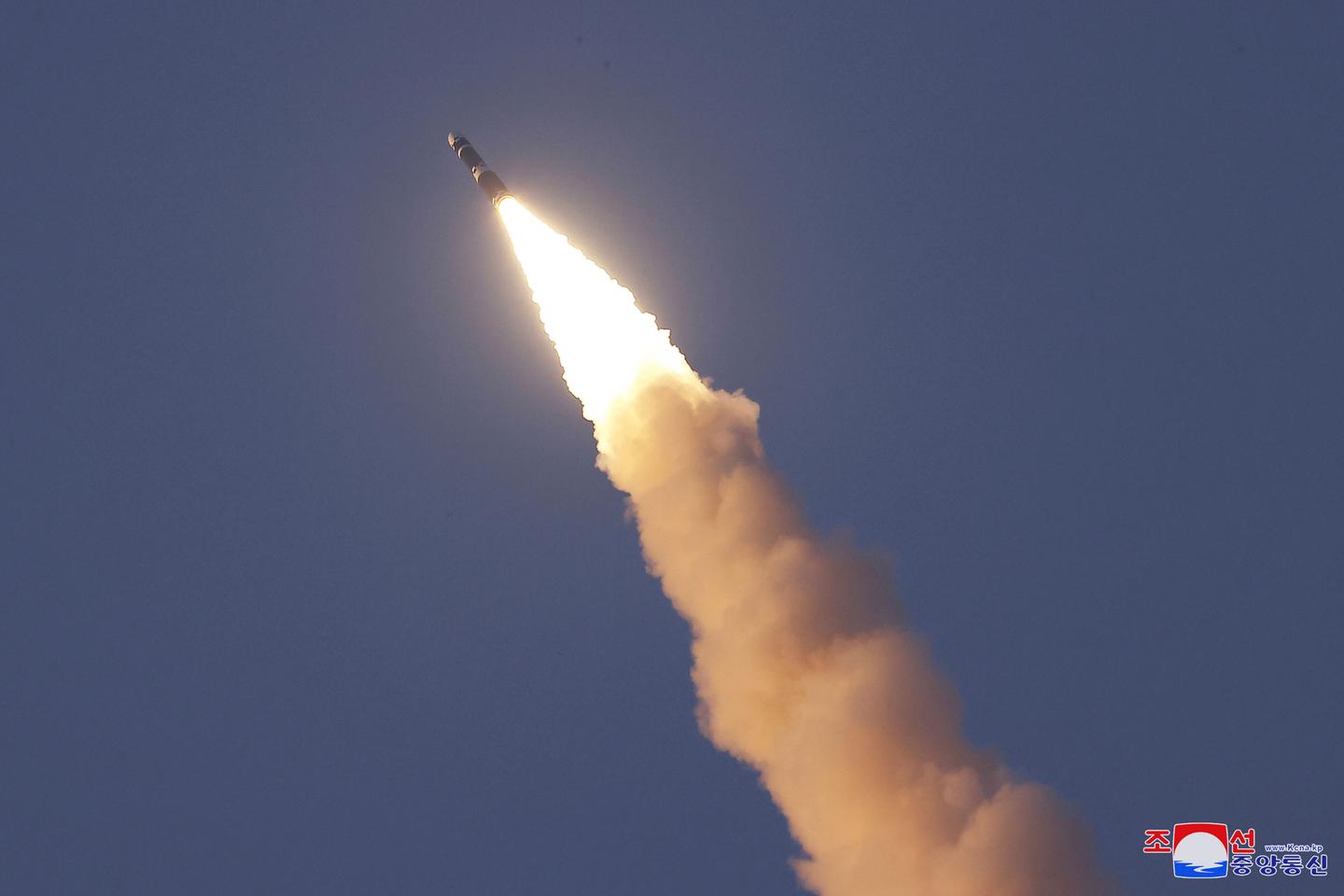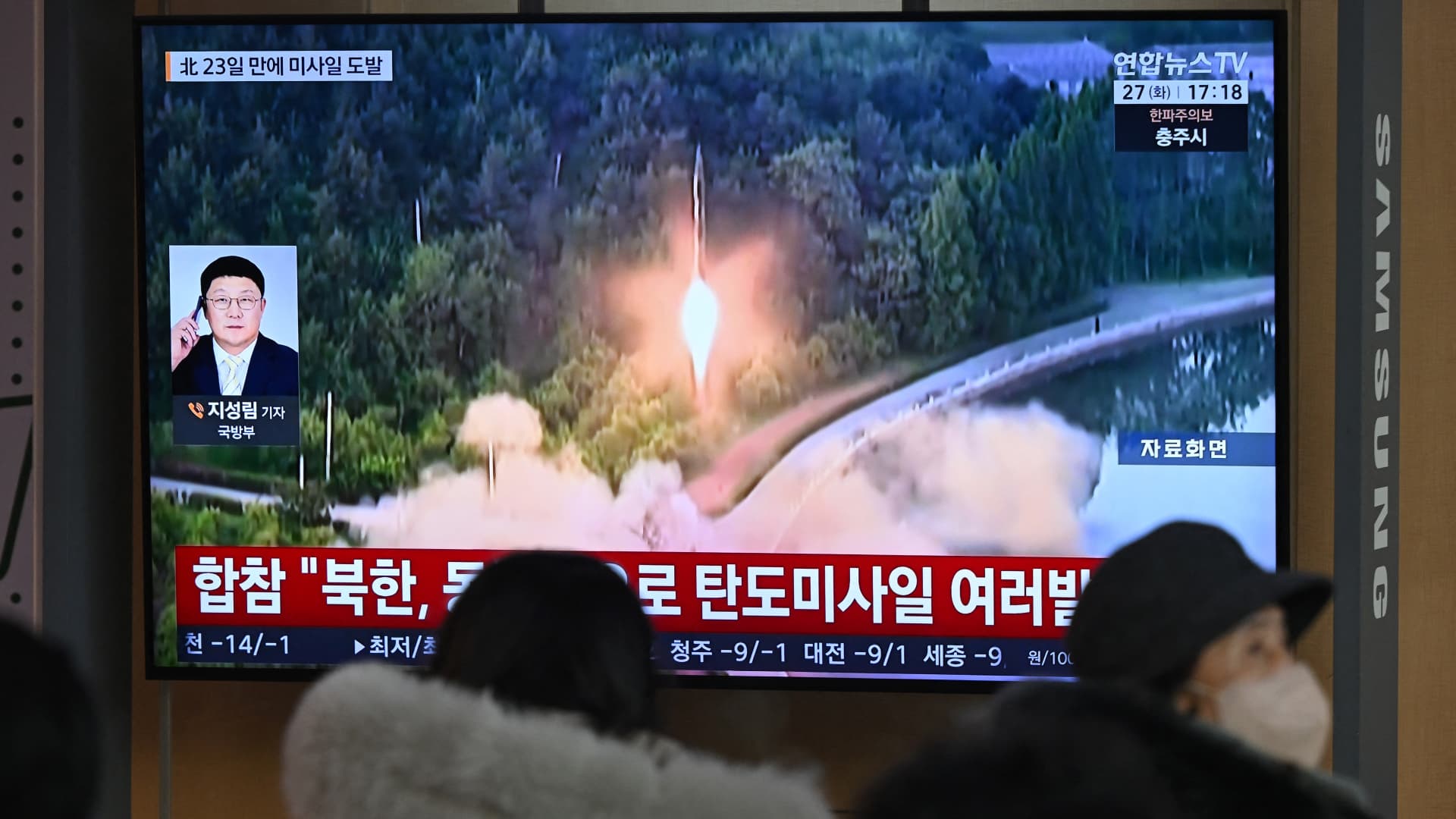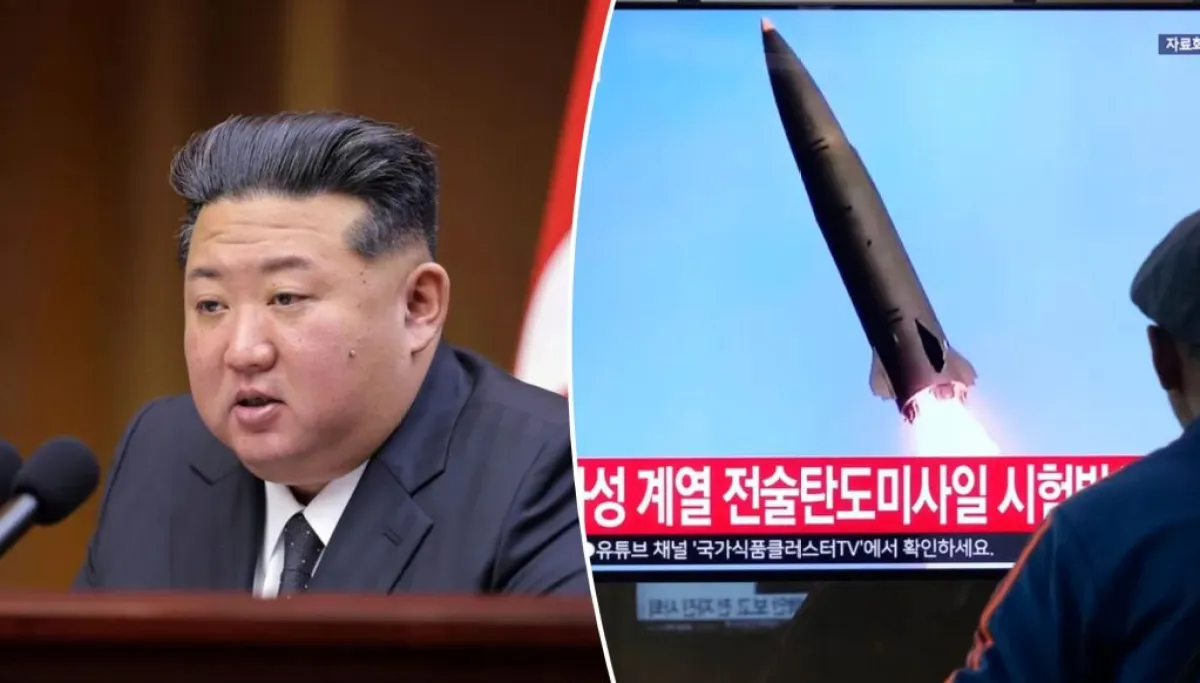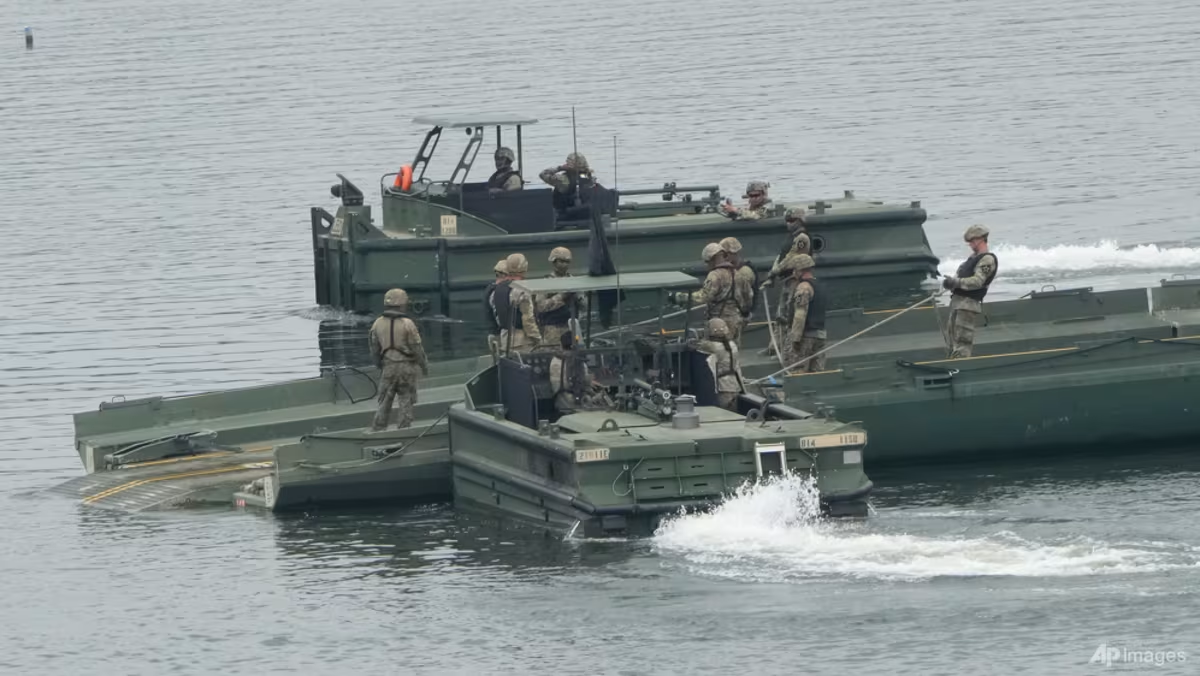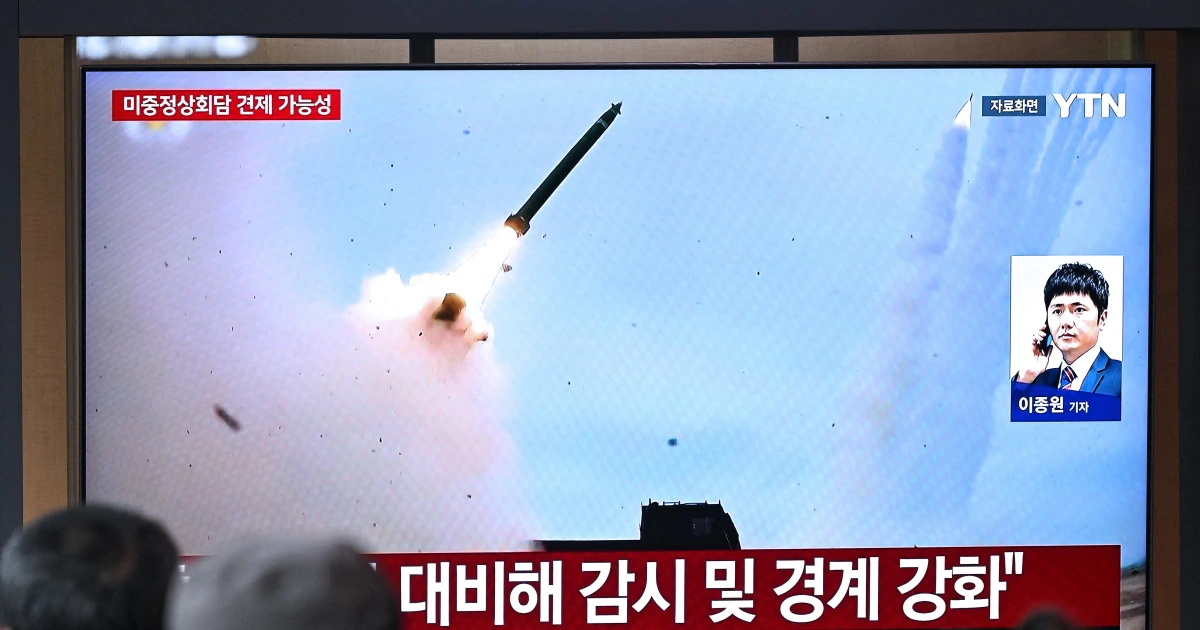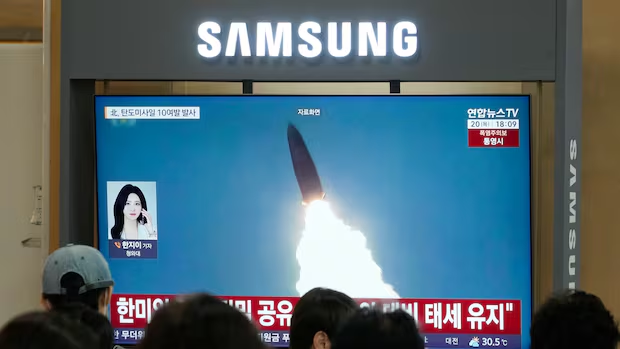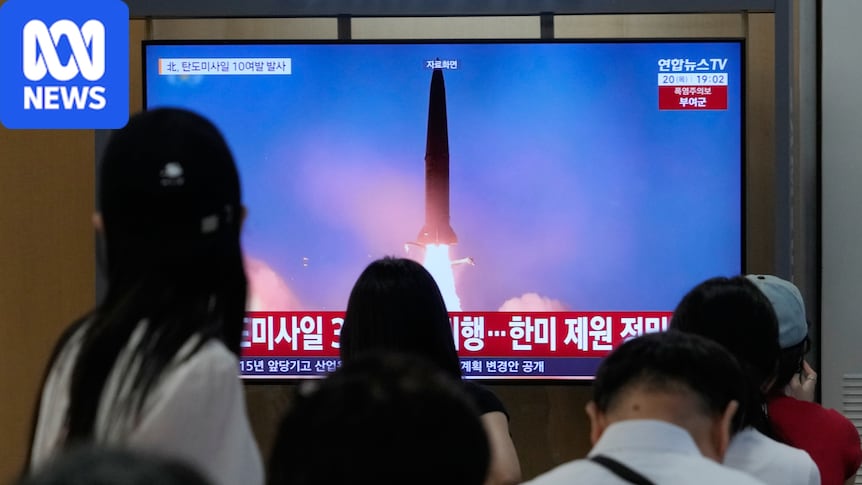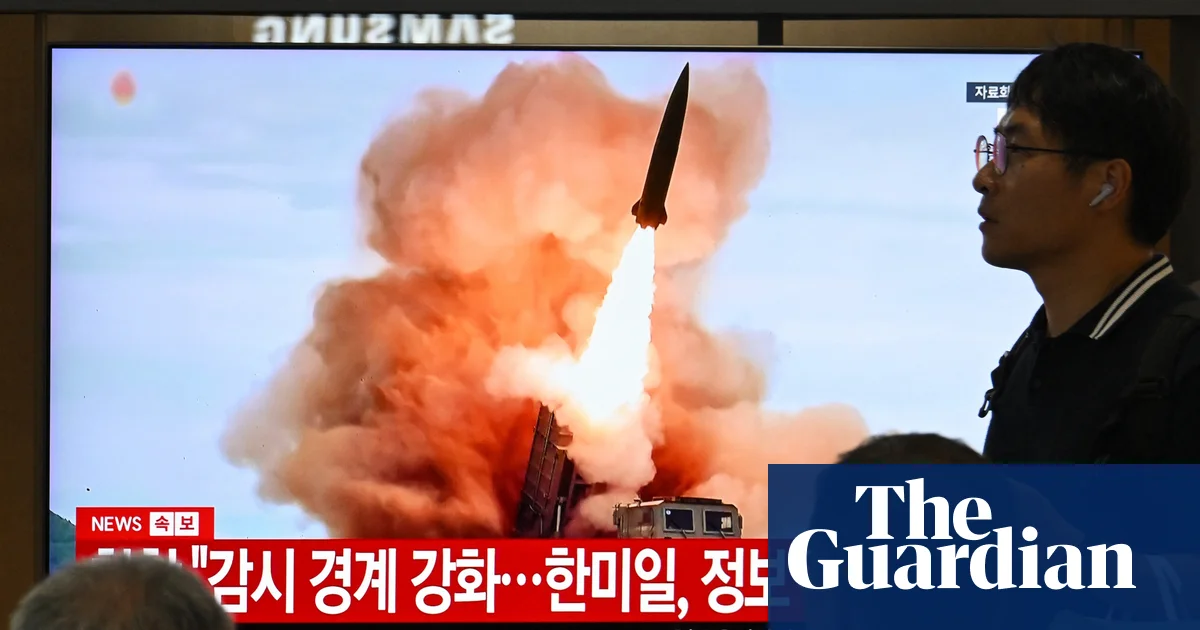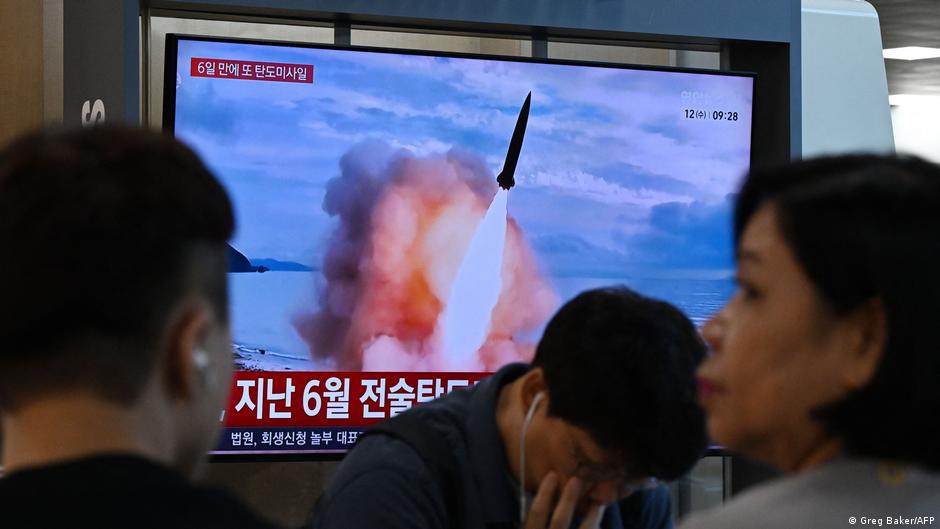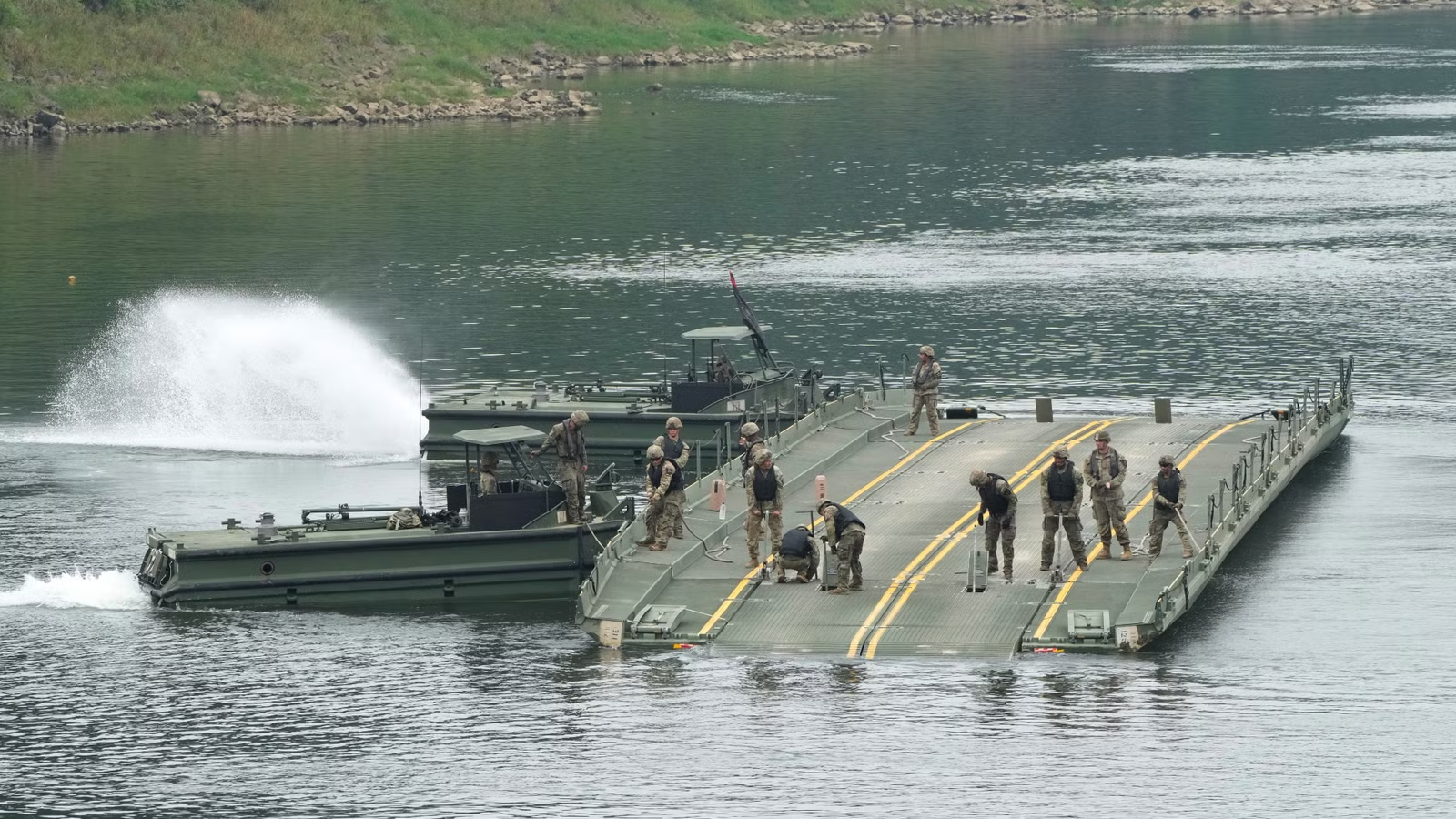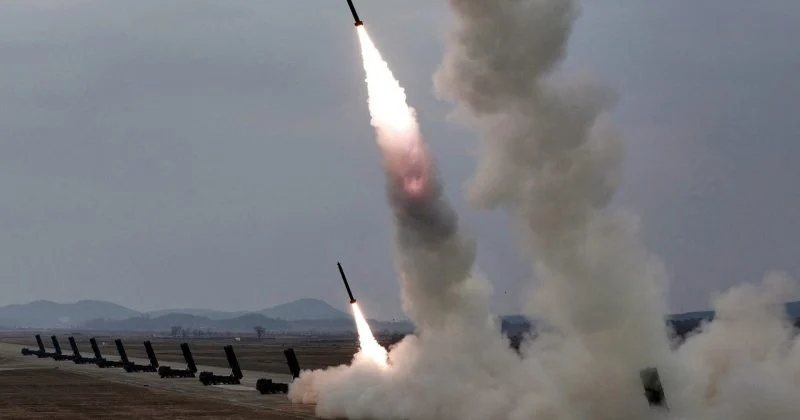
North Korea fired approximately 10 short-range ballistic missiles toward the Sea of Japan on March 14, 2026, in what amounts to one of its largest single-day launch events in recent memory. The timing was not subtle: the salvo coincided directly with the Freedom Shield military exercises being conducted jointly by the United States and South Korea.
The missiles were launched from the Sunan area near Pyongyang and traveled roughly 350 kilometers, or about 220 miles, eastward. Japanese authorities confirmed that none of the projectiles landed within Japan’s exclusive economic zone.
A familiar playbook, turned up to 10
North Korea responding to US-South Korea military drills with missile tests is about as predictable as a sequel nobody asked for. Pyongyang has long characterized allied exercises on the Korean Peninsula as rehearsals for invasion, and its standard reply involves sending hardware skyward.
South Korea’s Joint Chiefs of Staff tracked the launches and provided the initial assessment of the missiles’ trajectory and range. The short-range classification means these weapons are designed to threaten targets on or near the Korean Peninsula rather than reaching US territory, but that distinction offers cold comfort to Seoul, which sits less than 200 kilometers from the border.