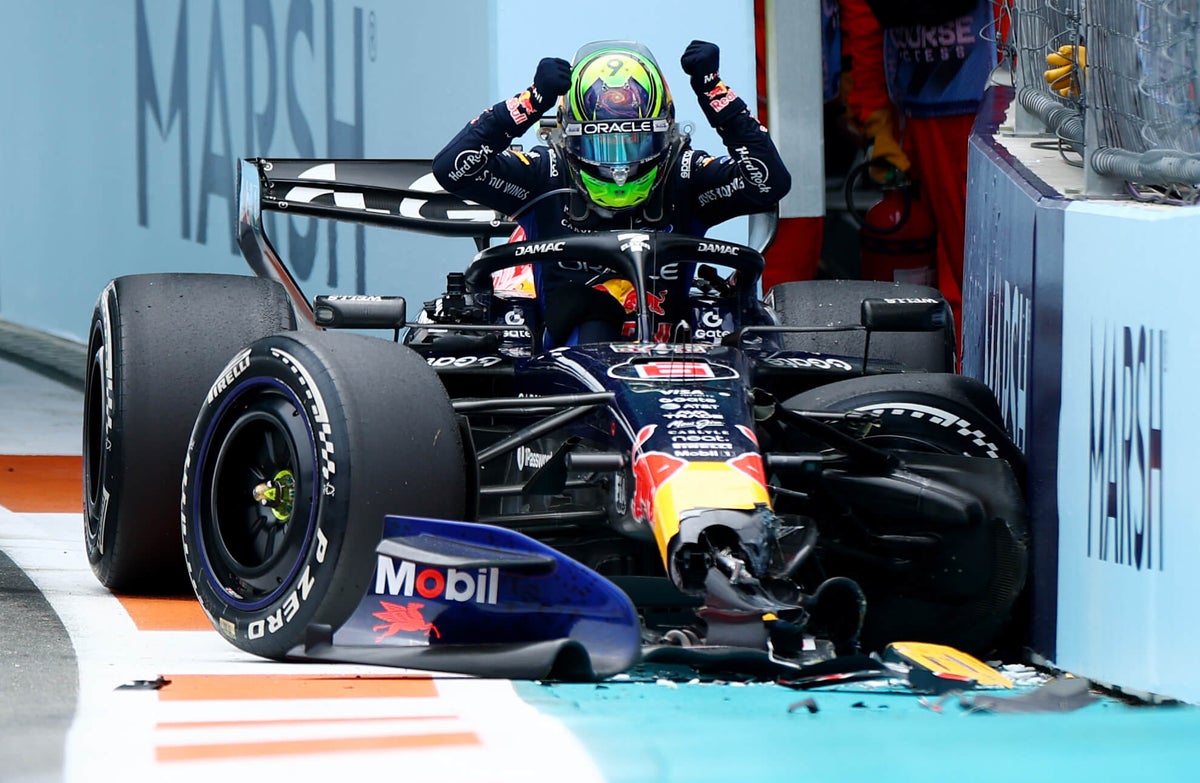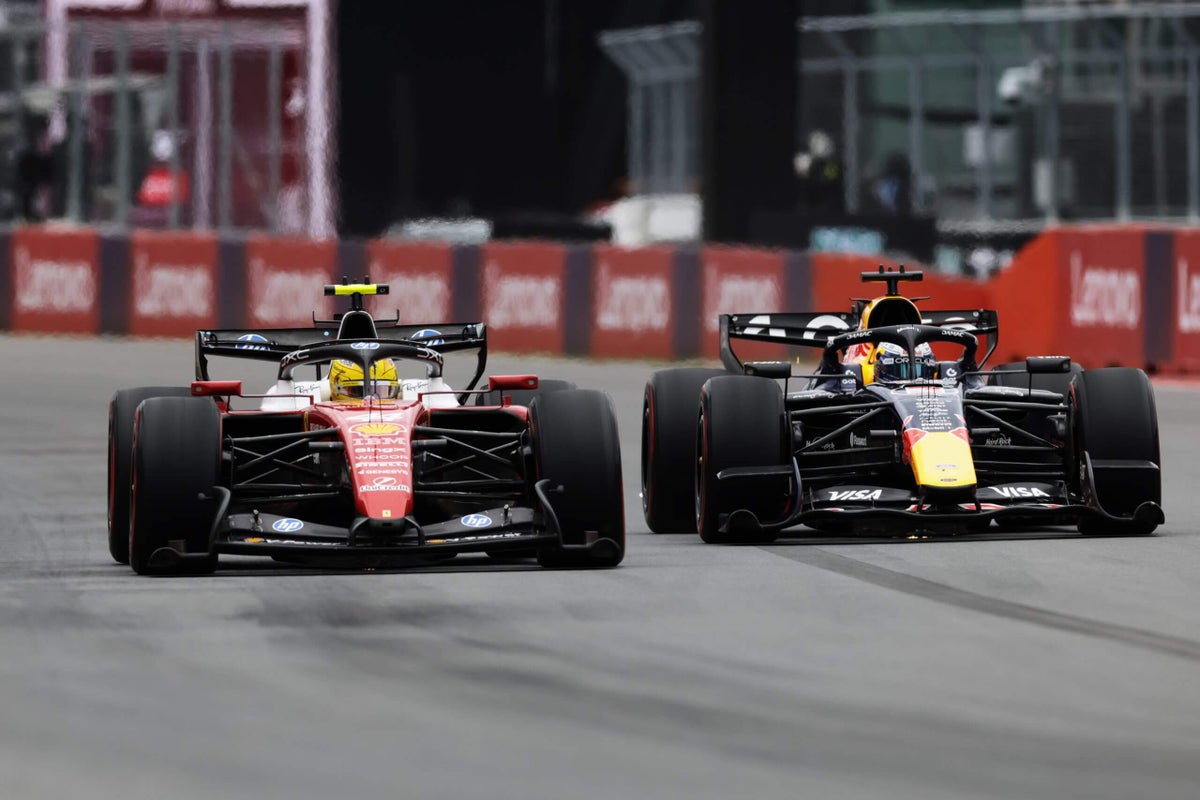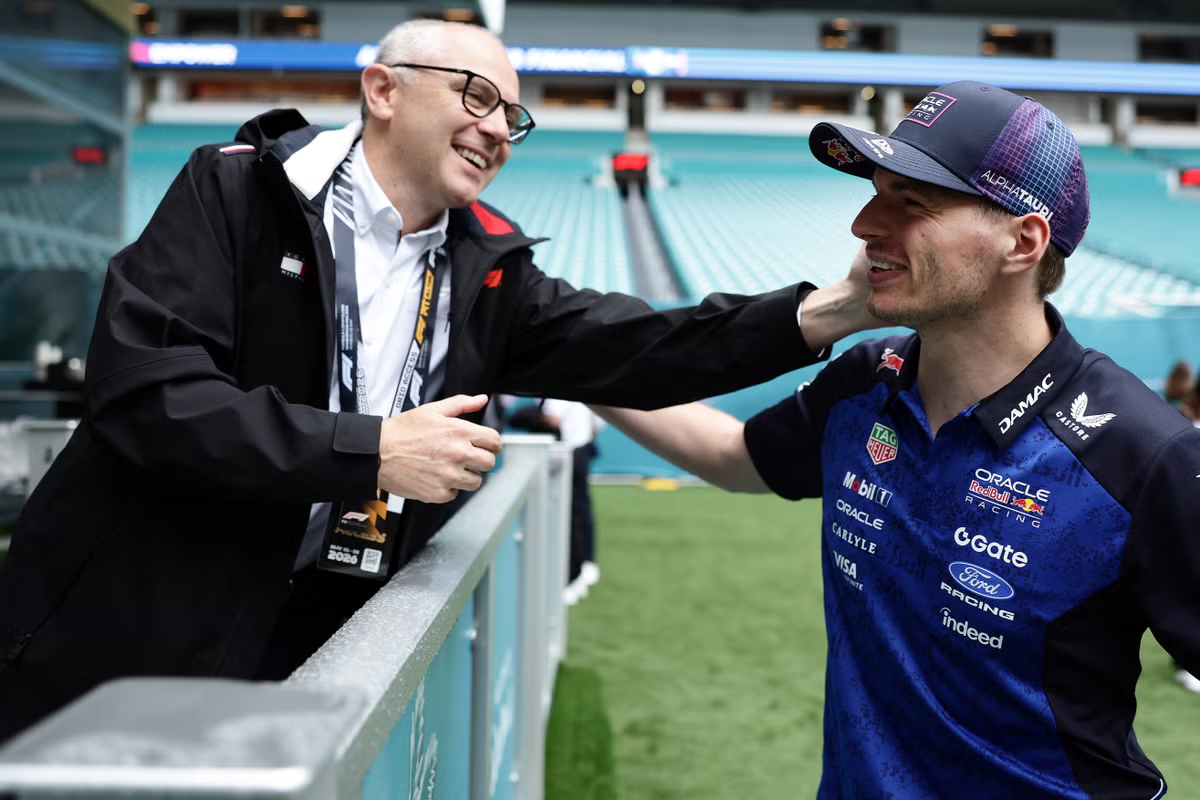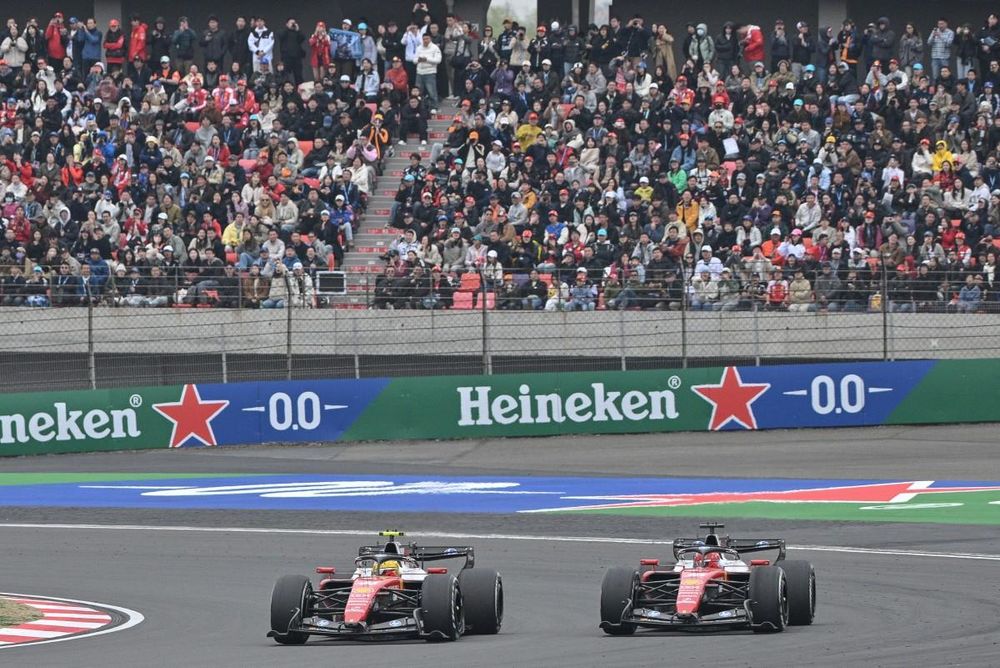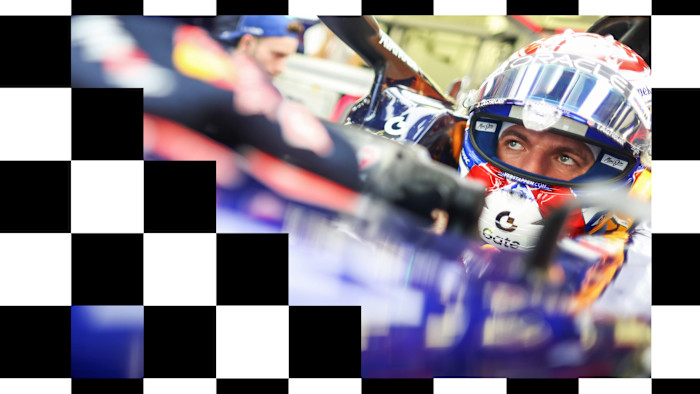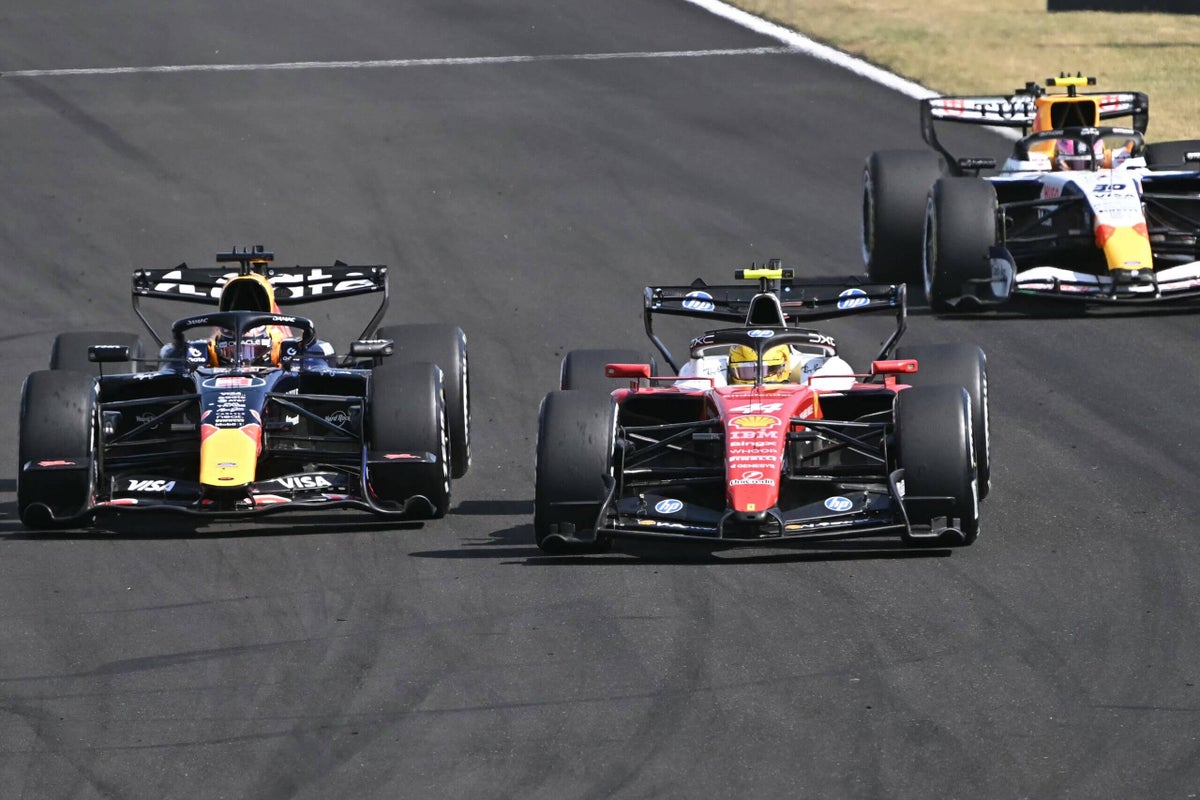
Formula 1’s car overhaul for 2026 was the greatest in the sport’s recent history. Inevitably, all that change was not going to be welcomed by everyone.The new engines that relied on a near-50/50 split between combustion and electric power dramatically altered the way the cars had to be driven. Now, there is a constant obsession over energy levels and management that has eradicated the previous ‘flat out’ approach to racing.Max Verstappen, who’d warned of the issues for years, skewered the regulations in his first media briefing of the year back in preseason testing. He said the new cars were “anti-racing” and “not a lot of fun” to drive. It set the tone for a debate that would rage throughout the first half of the season.As promised, F1 and motorsport’s governing body, the FIA, monitored the opening races before pushing through some small rule adjustments for this year ahead of bigger changes to reduce the reliance on electrical power in 2027 and 2028.But the way that F1 drivers drive has still changed. It has required a rewiring of their racing brains, teaching them how to best conserve energy or recharge their battery.“It’s a whole new driving style,” said Liam Lawson, the Racing Bulls driver. “You’re telling the brain not to use a certain amount of throttle in corners because you pay the price later.“(It’s) extremely unnatural. It’s something that we’ve all had to develop and learn this year.”Any fan watching F1 this season will have heard discussion around ‘yo-yo racing’, ‘superclipping’ (where the battery recharges when the drivers are at full throttle) and ‘energy harvesting.’On longer tracks with more straights, such as Spa in Belgium or Silverstone in the United Kingdom, the experience behind the wheel has been more galling for drivers thanks to the batteries draining faster and being charged less.Fernando Alonso, a two-time world champion, said those two iconic circuits had become “quite sad” with the new cars. A shorter track, such as the Hungaroring in Hungary, which hosted the final race before the summer break, made energy management less of an issue, as the regular braking zones and lower average speed allowed a return to more flat-out style racing.The drivers have adjusted. But, at the same time, the car’s computing system that controls electrical deployment is trying to outsmart them. If it senses there’s a better way to deliver the electrical power — at a different corner or straight — then it will do so automatically.Sometimes, this is to the detriment of the driver’s time, as they are expecting to have additional power that has already been used earlier in the lap.Andrea Stella, the McLaren team principal, explained that the AI engine controller system effectively “forward calculates” what it must do to deliver the electric power. Anticipating where that will come can have a big impact not only on straight-line speed, but braking points and corner speeds for the drivers.“This is quite difficult to master,” Stella said. “It’s one of the reasons why the drivers talk about the difficulties to exploit the (engine) from a driving point of view.”It’s not simply about getting the most out of themselves and their cars for the drivers, but also the AI mind running the engine. Minor driver input changes from lap to lap can lead to wildly different outcomes in that energy deployment.Haas driver Esteban Ocon explained how in qualifying for the Chinese Grand Prix in March, he carried more speed through the double-left section in the middle sector than on a previous lap, but overall used less throttle application after passing over the exit curb.The computer took that throttle input change to require a different energy amount on the subsequent straight. There, Ocon lost 0.4 seconds, despite being faster through the preceding corners because he’d carried more speed.“Last year I would have got away with it no problem,” Ocon said. “This year, the power never came back on the next straight. Those effects happening are the ones that are frustrating.”Esteban Ocon drives for Haas during the 2026 Chinese Grand Prix weekend. (Peter Fox/Getty Images)It’s not just solo driving that has changed. Overtaking and racing have too. After years of debate over the etiquette of passing, the ‘right’ to corners and the need to leave space for rivals, there’s barely been a flicker of controversy when it comes to overtaking this year, perhaps with the exception of Kimi Antonelli’s scrap with George Russell in the Canada sprint race.Overtakes still require planning. But instead of it being a matter of then seizing a moment, producing a brave pass around the outside or an impressive lunge to surprise a rival, it’s now mainly down to engine energy levels. If you’ve saved more than the other car, you can hit the button and sail past.Antonelli’s move on Lewis Hamilton to win the Silverstone sprint race was that in motion. The speed difference between them was almost 25mph due to the difference in energy deployment. Hamilton didn’t stand a chance of fighting back.“It’s all about having the mushroom at the right moment,” said Cadillac’s Sergio Pérez, a reference to Mario Kart racing. “Not overusing it and being able to think wisely about that sort of thing has become much more important than (finding) the ultimate tenth of speed on a high-speed corner, for example.”Seven-time world champion Hamilton agreed that overtaking in F1 this year definitely is not as satisfying as before. “It’s more just adjusting to understanding how much battery you have,” he said.“If you use it to overtake, then they have the power to overtake you shortly afterwards, so you have to be quite strategic.”Verstappen, after making a late pass on Hamilton in Hungary that evoked memories of old moves being down to braking timing, said: “I prefer to drive up to someone and then maybe go for an overtake on the brakes or whatever.“Now, the overtake is sometimes done in the middle of the straight, so it’s a bit odd. The problem is, of course, that real racing fans understand. The non-racing fans think it’s cool because you just see more overtakes, but it’s not real. It’s not what racing is about.”This wasn’t the first time Verstappen had made similar comments about only ‘real’ fans understanding what was happening, having made similar comments in China. And it opens a rather complex philosophical debate about what a ‘real F1 fan’ is nowadays, and what do they want to see?F1’s boom in popularity over recent years has changed its fanbase. Fans are getting younger, going from an average of mid-30s to early 30s since Liberty Media’s acquisition of the sport’s commercial rights in 2017, and now far more women are tuning in. Netflix docuseries “Drive to Survive” is credited with a big role in igniting this interest.Yet that change also opened the door to a degree of gatekeeping among some F1 fans. ‘New fans’ are sometimes implied to have reduced understanding and reduced appreciation for racing. But it’s always going to be subjective whether one fan or another enjoys what they see.In The Athletic’s F1 fan survey, conducted back in May, many respondents were critical of the 2026 racing product. Just 10.4% said the action was more exciting than previous seasons.F1’s own findings read differently. According to the organization, 66% of fans who were polled on its own ‘Fan Voice’ forum voted the racing as being either ‘Good’ or ‘Excellent’, up from 60% last year.The Athletic got a taste for that kind of positivity when talking to a family spanning three generations after the Silverstone sprint race. Among them were two fans who had watched and enjoyed F1 for decades, and two who had only come to the sport since watching “Drive to Survive.”All of them were glowing in their feedback about the sprint race’s action and especially the amount of overtaking it contained. Stefano Domenicali, the CEO and president of F1, struck a similarly upbeat tone when speaking to reporters at the end of July.“They are focused on what is happening on the track,” said Domenicali. “They don’t understand our (technicalities), definition of clipping, chipping or whatever it is, because it’s too technical for the wider base that we have.“Therefore, the effect on the track has been widely super positive for the fans.”F1 CEO Stefano Domenicali at the 2026 Belgian GP in July. (Andrej Isakovic / AFP /Getty Images)When he was asked why F1 hasn’t been providing live car data in its broadcasts that shows the electrical energy levels of each car — as it did at the start of the 2026 season — Domenicali doubled down on his suggestion that the wider fanbase doesn’t need to understand the technicalities involved.But this, surely, would help fans understand drivers’ tactics in planning moves?Domenicali didn’t see it that way. He said: “No one is interested in how you drive your car.“The people are interested if you are overtaking or not; that’s the vast majority of the people.”Domenicali did say he recognized that “certain people” would be focused on the finer details, such as driver brake pressure or throttle application. But he then cited a conversation with George Lucas, the creator of Star Wars, as helping him to understand how new fans were watching races in 2026.“(Lucas) gave us an incredible (clarity) to see how we can really simplify things, because the new fans are not understanding the truth (of) what is behind the scenes,” said Domenicali. “They are fascinated by the fact that there is a lot of action.”Basically, it’s not about why things happen; it’s just what happens. And for all of the frustration drivers may feel or how drastically different these cars are to drive, so long as there is that action, and F1’s numbers are tracking the right way in terms of ticket sales and TV figures, then the championship will mark it down as a success.This year’s United States GP in Austin, Texas, is anticipating a record crowd, according to Bobby Epstein, the chairman of the Circuit of The Americas. He saw merit to Domenicali’s points, but did also suggest things could not go too far the wrong way.The start of the 2025 United States GP at the Circuit of the Americas. (Rudy Carezzevoli/Getty Images)“To a large extent, for the majority of that crowd, yes, they want to see on-track action,” Epstein told reporters. “And so, yes, I do (agree). But I think for the long-term health of the sport … it can’t be quirky.“And I think F1 and the FIA are aware of that, and they continue to make adjustments to ensure that the competition stays genuine.”F1 is still F1. It’s still the pinnacle of motorsport, featuring the best drivers, top-level technology in the cars and great competition.But this is a situation where two things can be true at once. Yes, positive feedback and sold-out races can be taken as an endorsement of F1’s new regulations. But that does not invalidate the frustrations or concerns of the drivers, nor those of fans who are less upbeat about the new cars and style of racing.
Unnatural driving and less satisfying overtaking in 2026? F1 says fans don’t care
F1’s car overhaul has opened a rather complex philosophical debate about what a ‘real fan’ is nowadays, and what they want to see.
1,833 words~8 min read