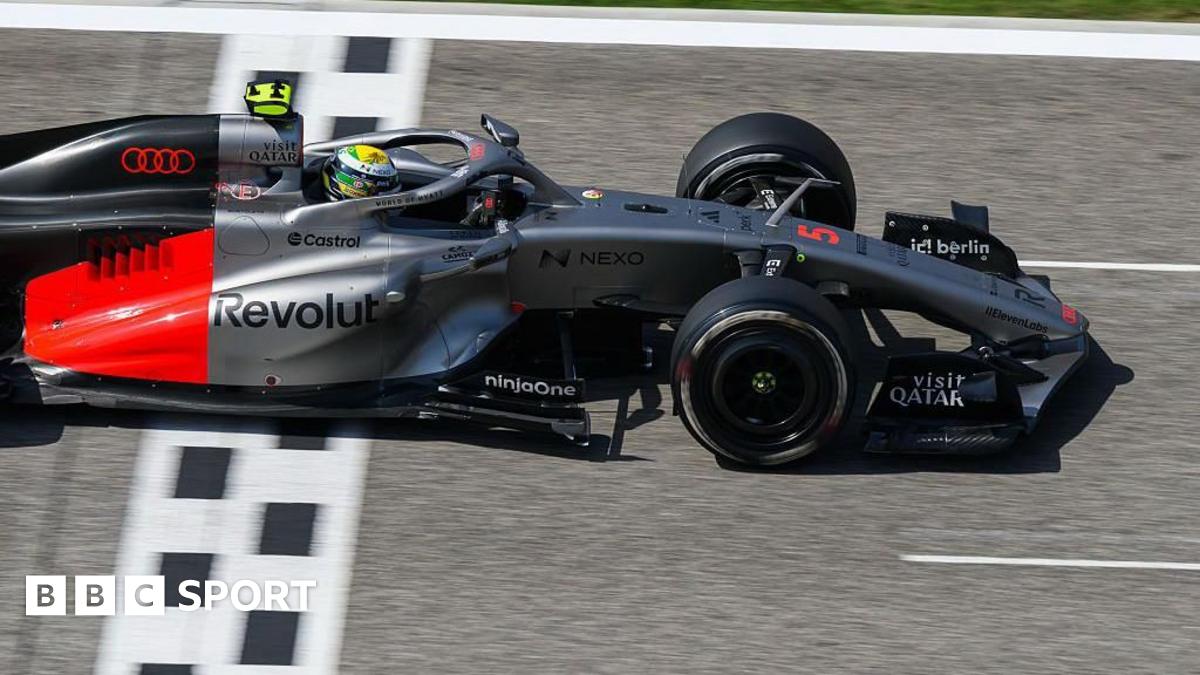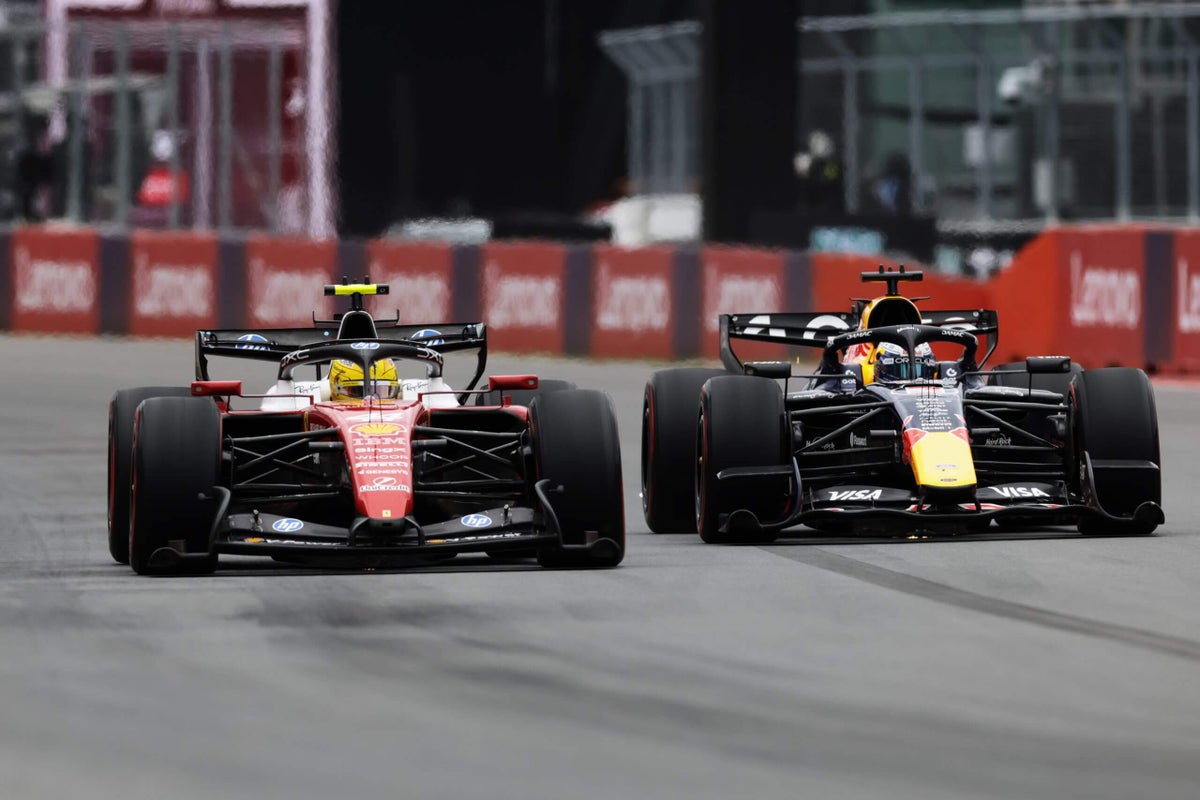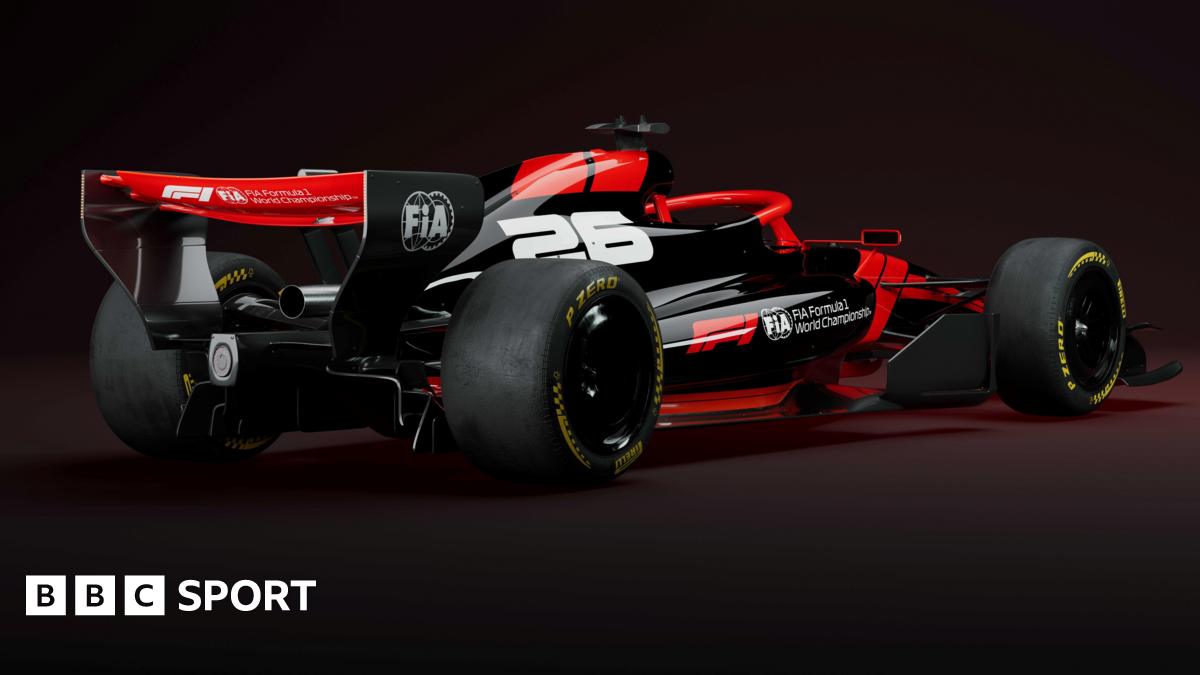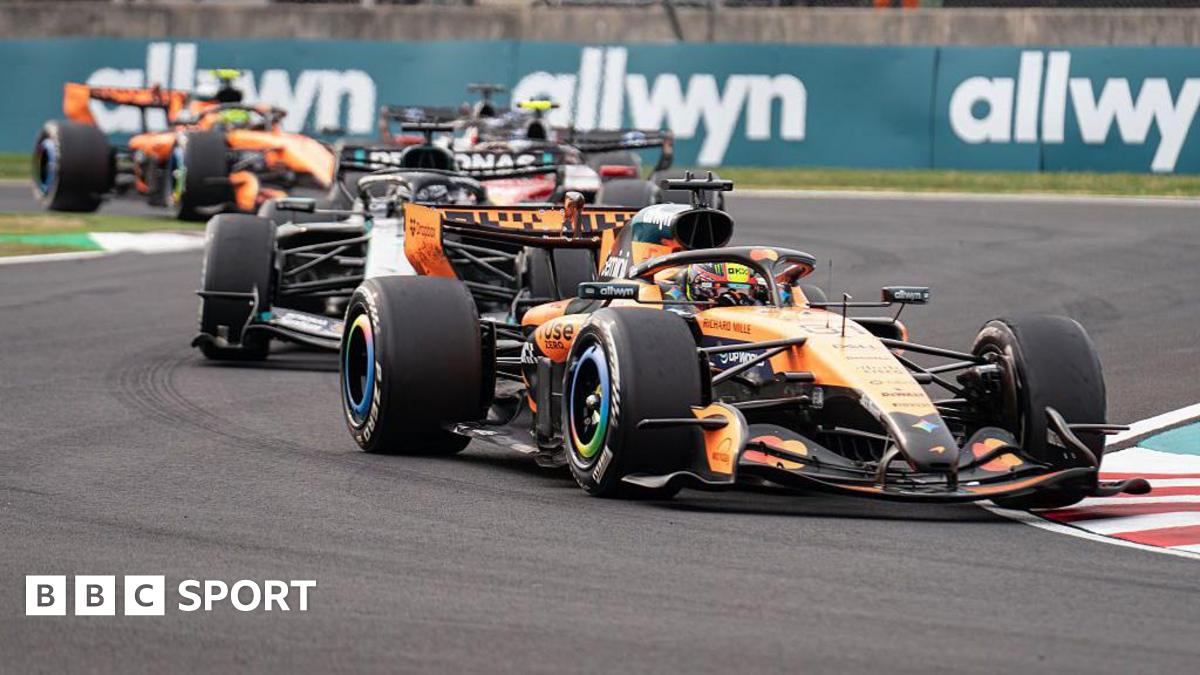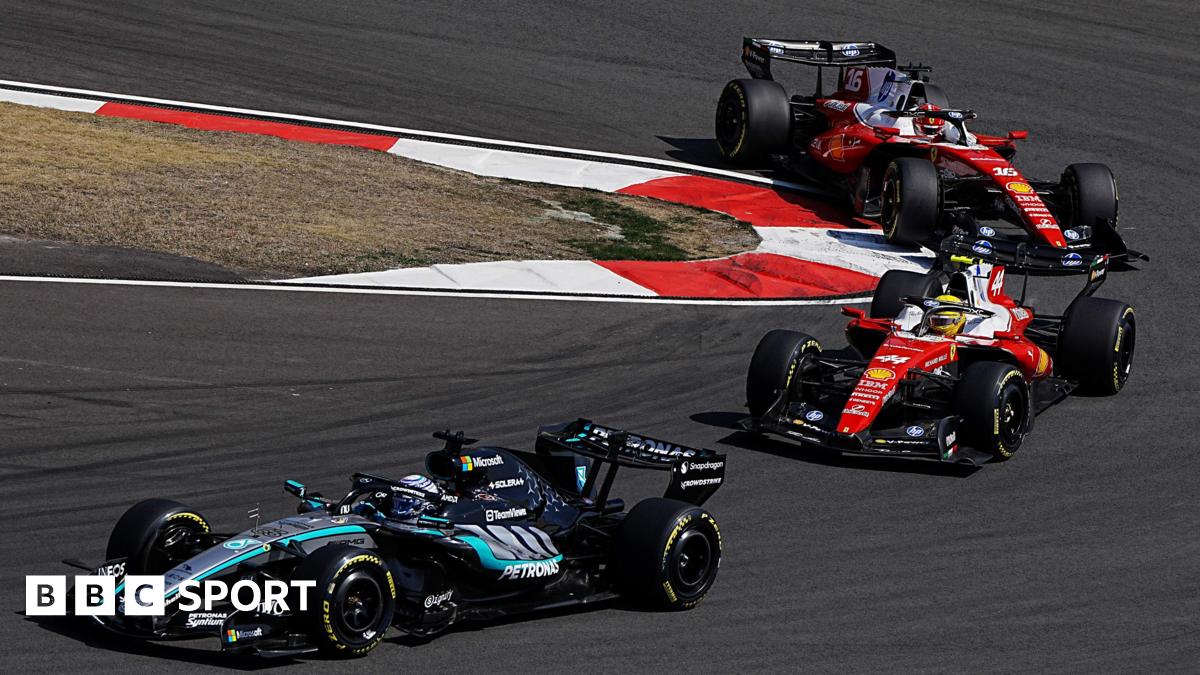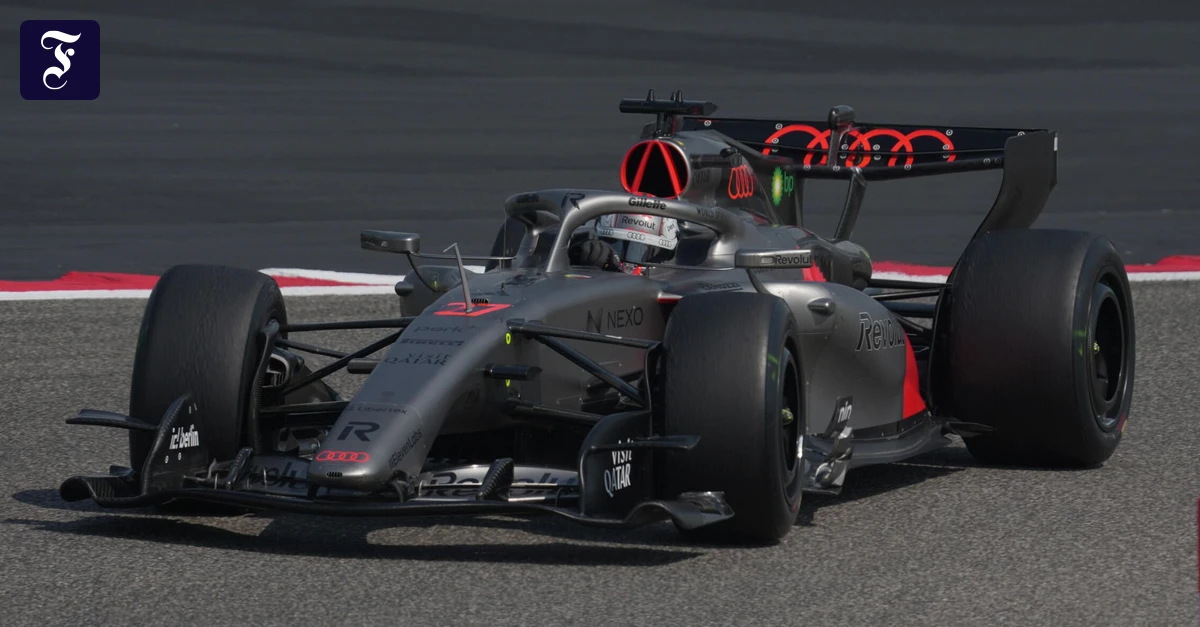
Formula 1 has never experienced a rules revolution as big as that unleashed for the 2026 season. Recent regulation resets have tended to focus on either the chassis or the power unit. This time, the FIA has rewritten both at once.
In come greater electrification, 100 per cent sustainable fuels known as ‘fully’ advanced, active aerodynamics, smaller and lighter cars, and narrower tyres.
The changes are intended to attract more manufacturers through greater road relevance, while also making F1 more compelling as a spectacle by promoting closer racing.
But the move has not been without controversy. In particular, the new rules push a much larger share of performance through electrical deployment that must be carefully managed across the lap.
The 1,000-horsepower punch drivers experience when they get on the throttle out of the corners is hard to manage. But F1’s new batteries do not last very long — and that has increased the risks of the kind of economy driving that some suggest is not F1.