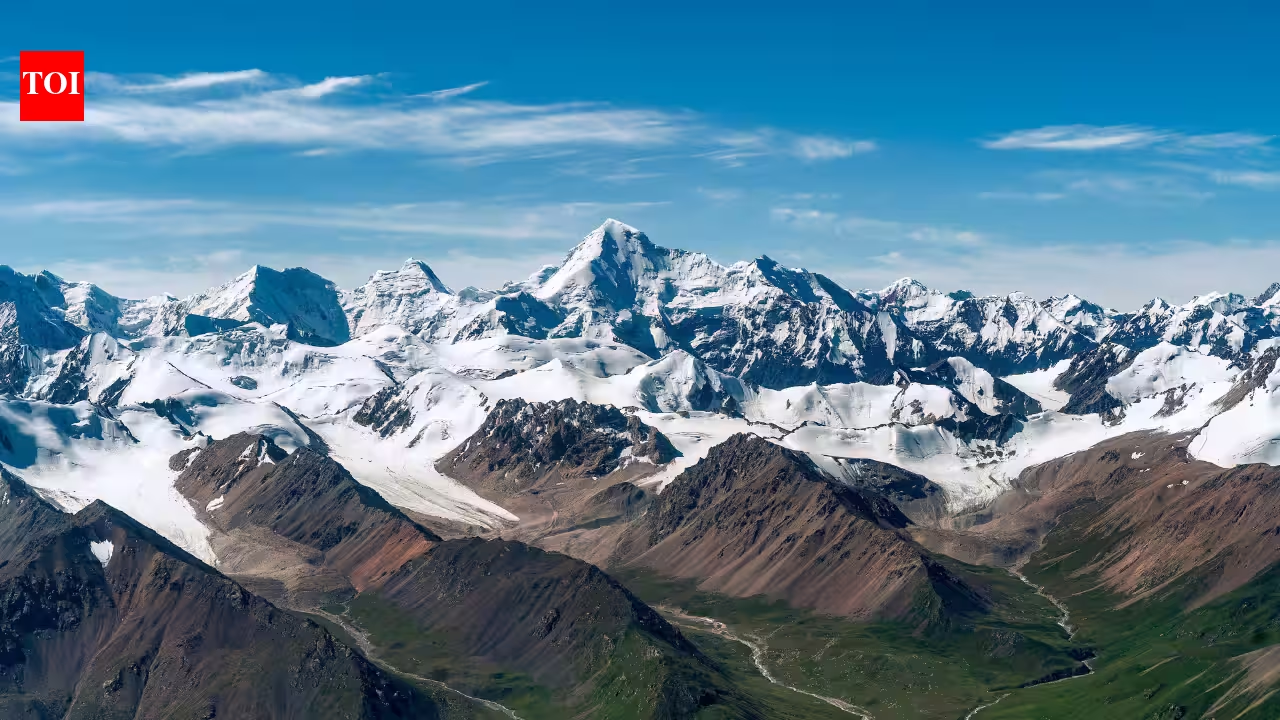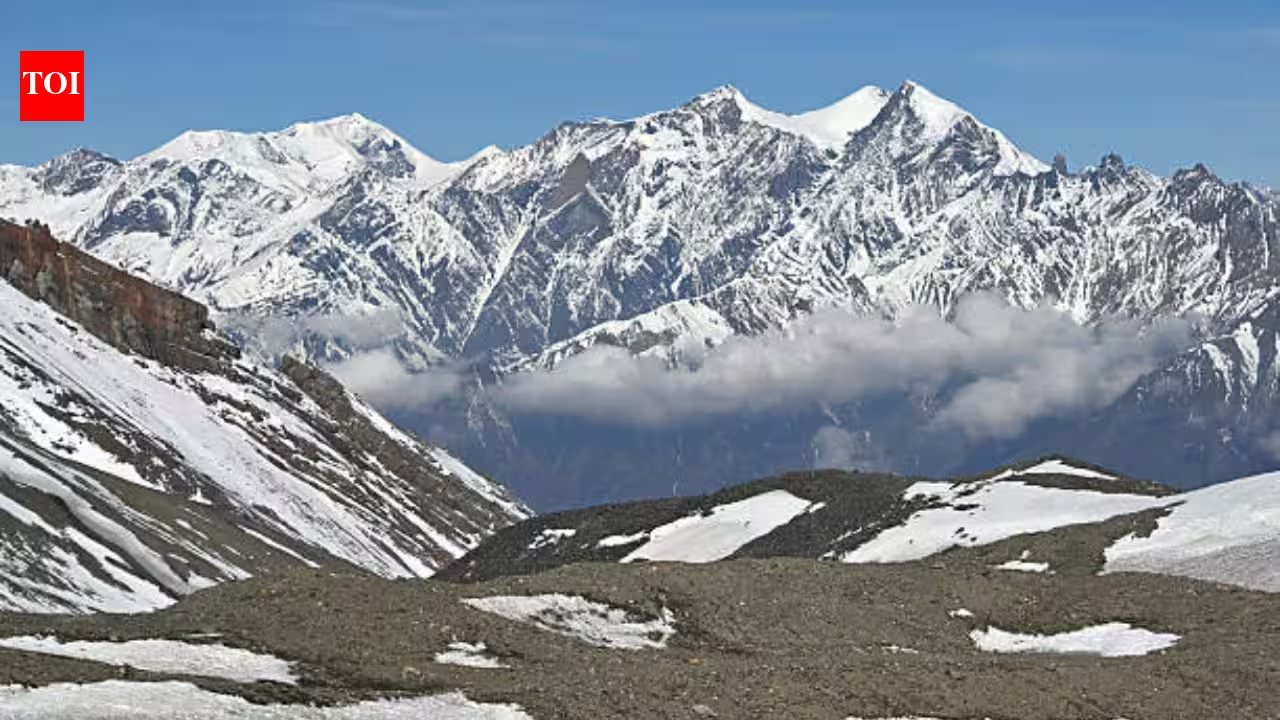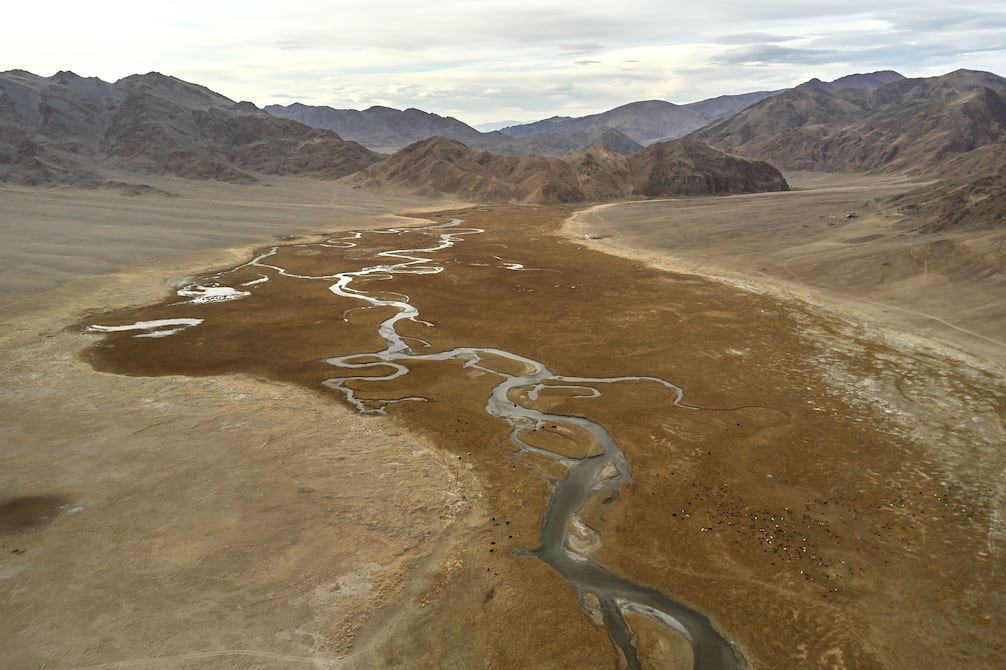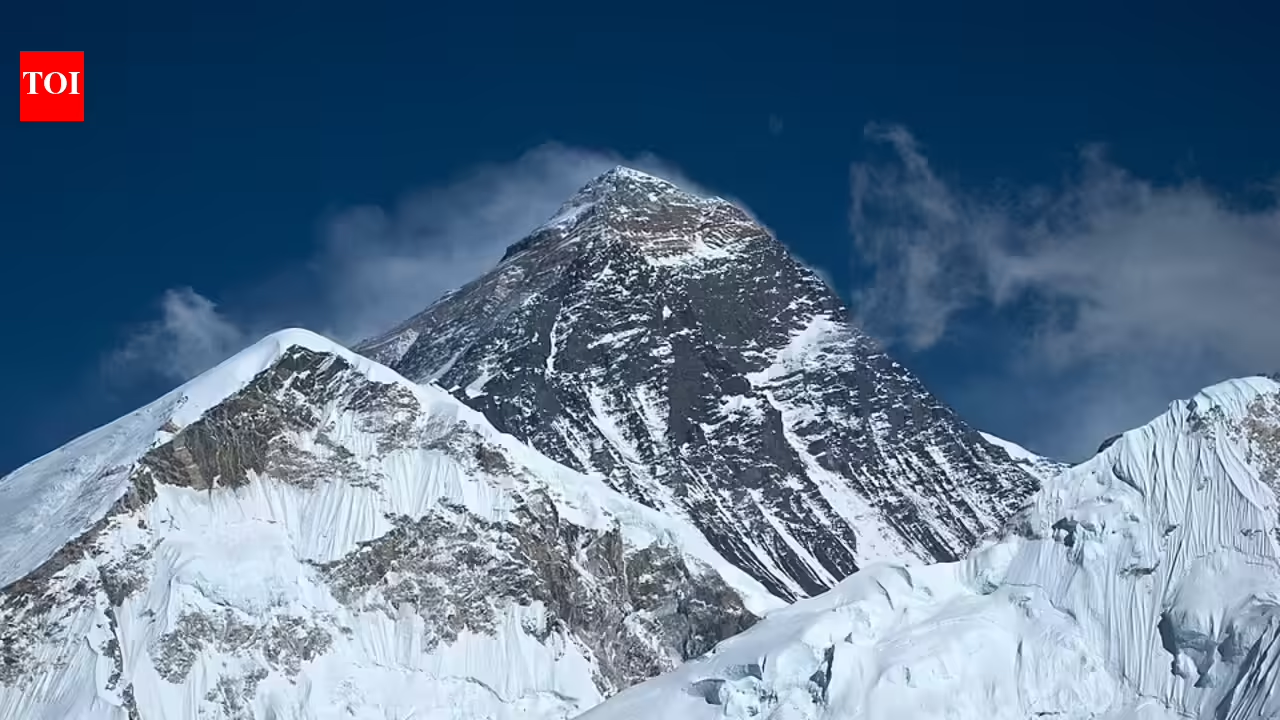
Groundwater reserves beneath High Mountain Asia (HMA), often called the "Asian Water Tower," are shrinking at an alarming pace, according to a new satellite-based study. The region provides water that supports farming, cities, and ecosystems across more than a dozen downstream countries, making it a critical resource for hundreds of millions of people. Researchers estimate that groundwater storage is declining by about 24.2 billion tonnes each year.
The research was led by Prof. Shudong Wang of the Aerospace Information Research Institute of the Chinese Academy of Sciences (AIRCAS). The team sought to overcome two major obstacles to understanding groundwater in the region: limited on-the-ground data and the extremely complex mountainous landscape. The findings were recently published in Environmental Research Letters.
AI and Satellites Reveal Two Decades of Change
To build a clearer picture of what is happening underground, the researchers created an artificial intelligence (AI) powered assessment model that combines observations from multiple satellites, Earth system modeling, and explainable AI.
Using this approach, they reconstructed about 20 years of groundwater storage (GWS) changes across High Mountain Asia. The system also helped identify the main forces driving those changes and allowed the researchers to explore how groundwater risks could develop under future scenarios.