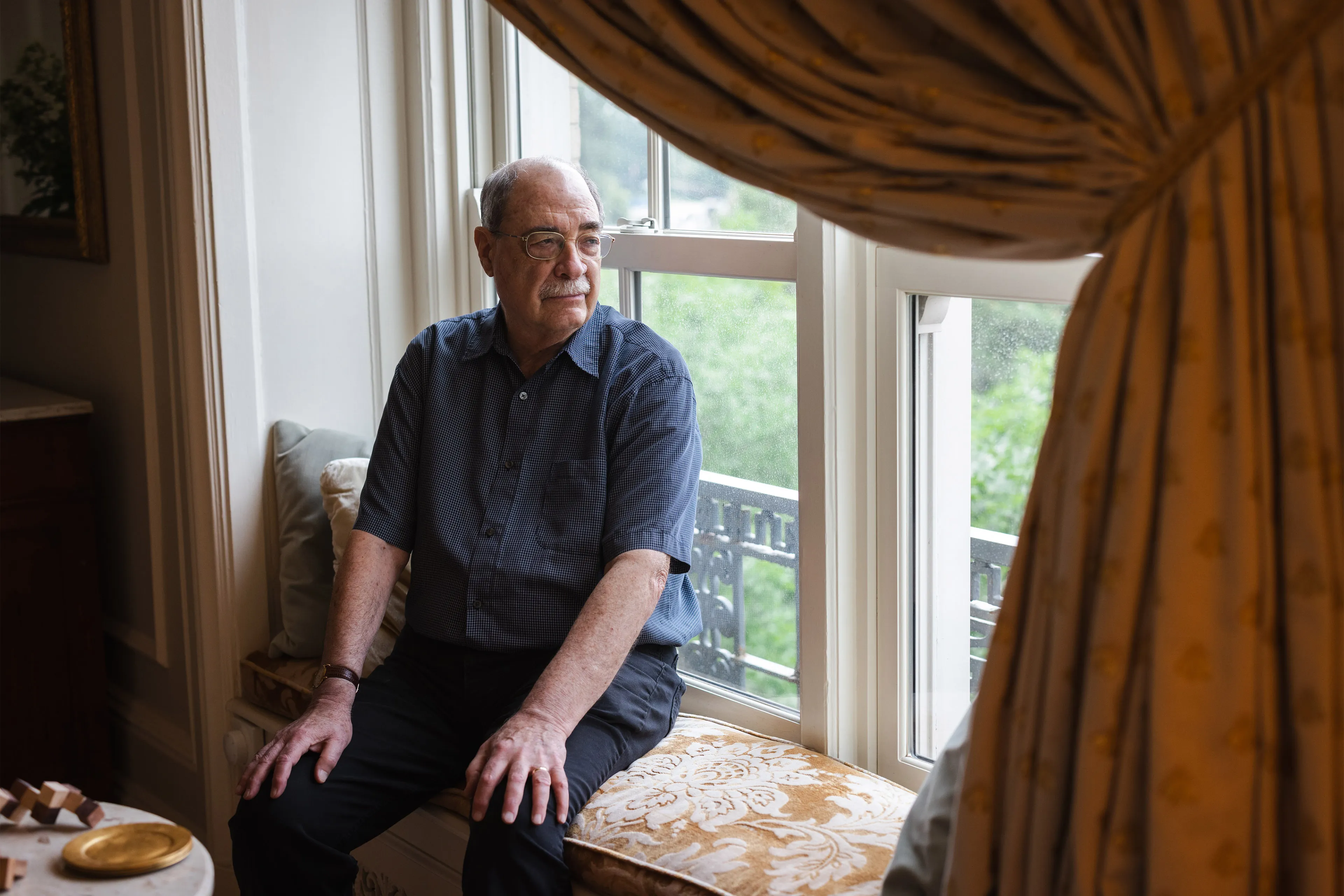
Northwestern University economist Chuck Manski studies decision-making amid uncertainty. That prepared him better than many other cancer patients to decide whether to stay on an immunotherapy treatment that was making him very ill.
For six months in 2022, Manski received monthly infusions of nivolumab to fight advanced melanoma. The drug ruined his thyroid gland, he said, requiring him to go on a special medication for the rest of his life, and caused severe dryness in his eyes, lips, and mouth. The FDA’s protocol for the drug called for an entire year of treatment, but Manski said his oncologist couldn’t explain why. It’s FDA-approved, “so that’s what we use,” she said.
By that point, Manski showed no cancer signs or symptoms, and after reading a lot of medical journal articles, he concluded that the intense side effects probably meant the treatment had done about all it could do.
“She couldn’t tell me a year was the optimal dose. Nobody could,” he said in a June interview from Spain, where he received an award for his economics work. “So I made my own diagnosis. I took myself off.”
Manski’s decision was in line with what doctors in Canada, Israel, Sweden, and other countries were already doing: giving lower doses of nivolumab, sold under the brand name Opdivo, and of a similar drug, pembrolizumab (Keytruda), or giving them for shorter periods or over longer intervals than the FDA recommended. In India, oncologists found that as little as one-twelfth of the labeled dosage of nivolumab had a powerful impact on several cancers.