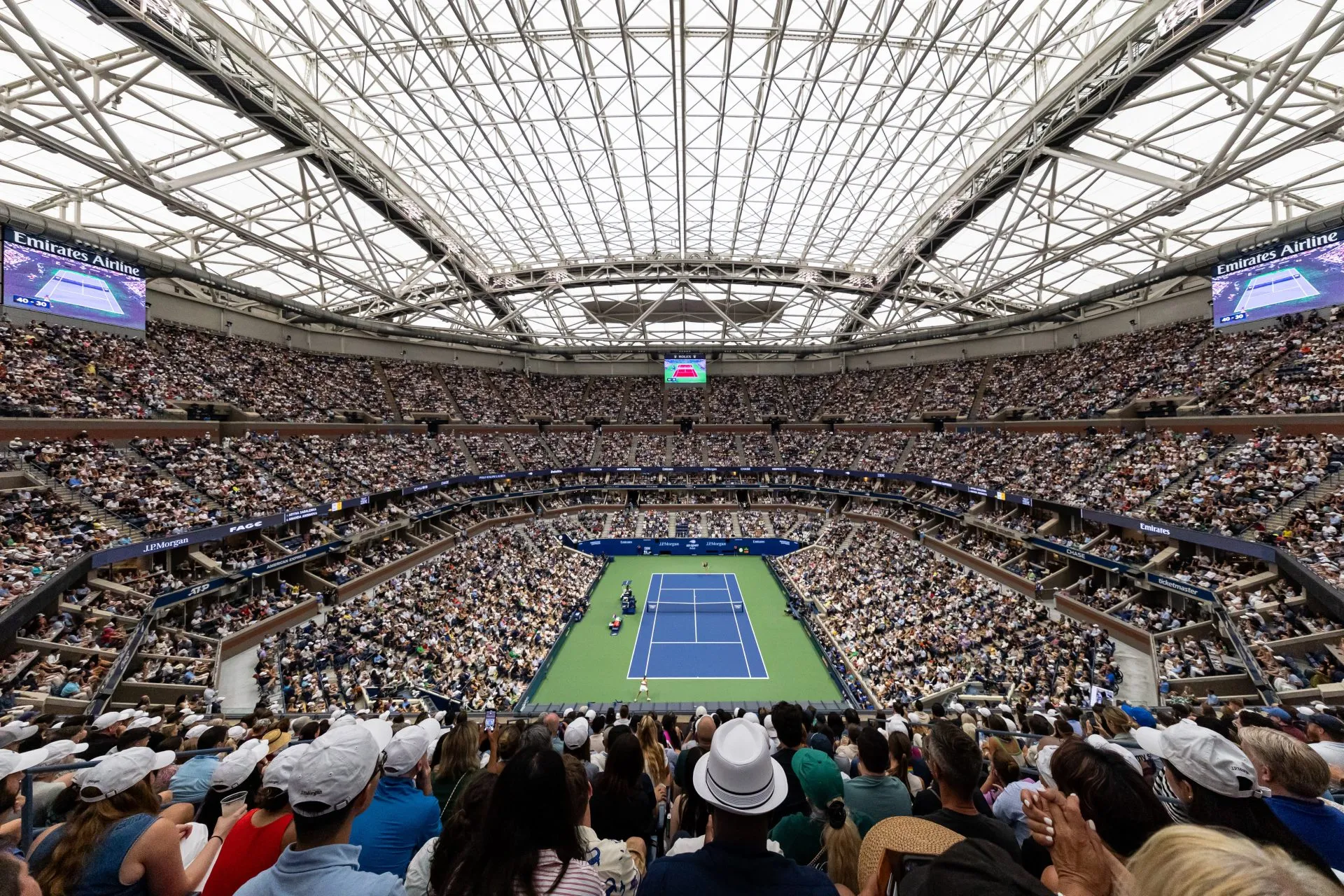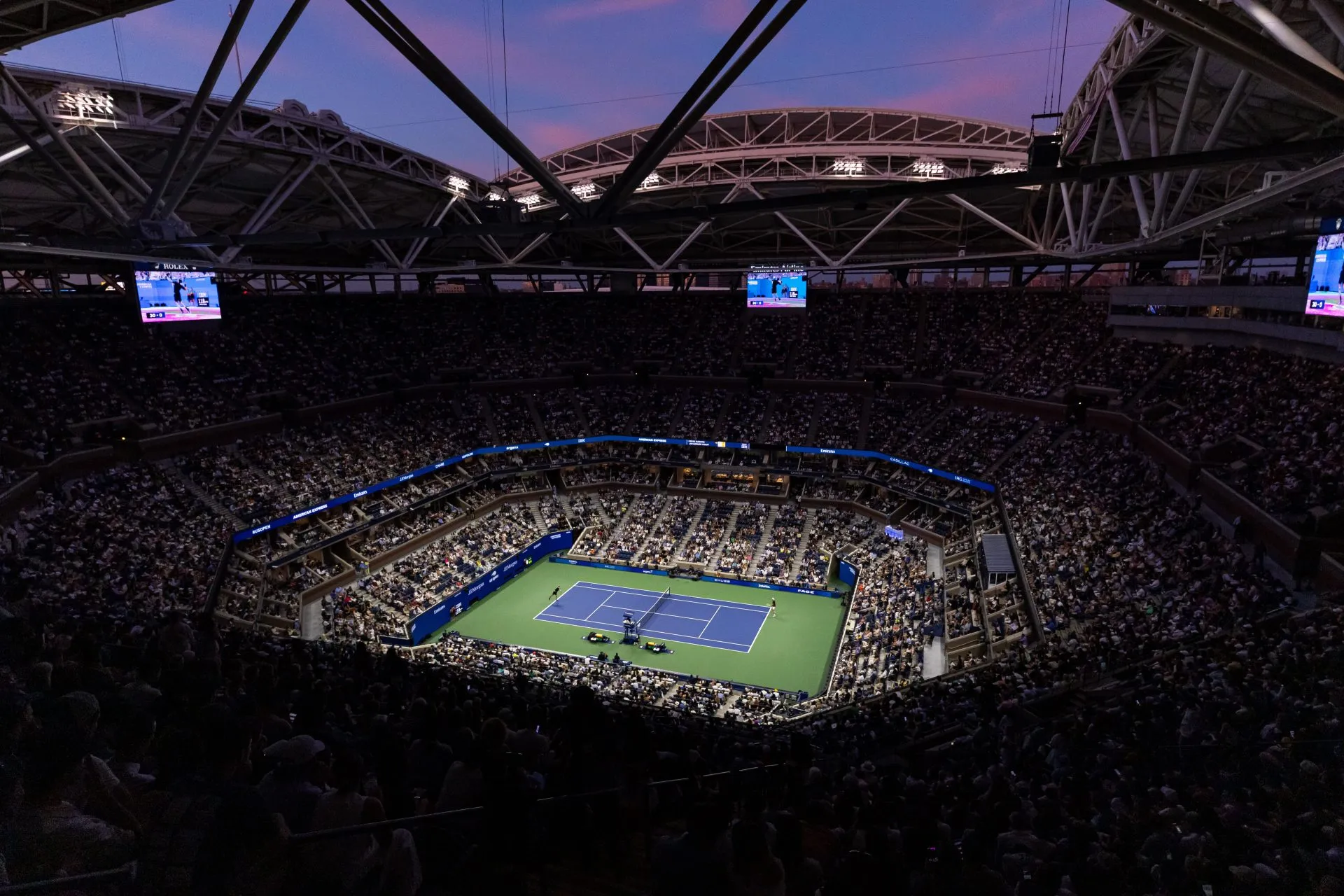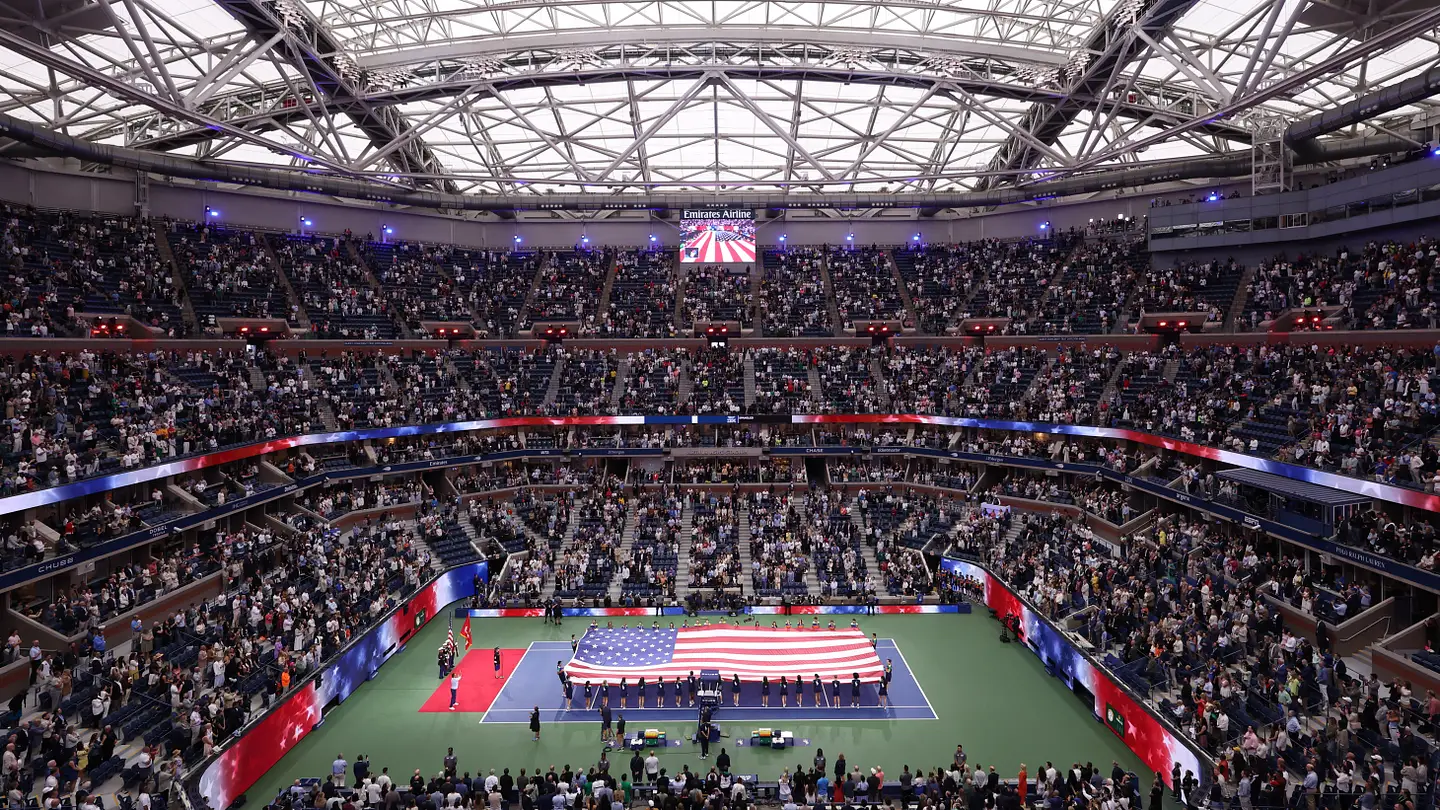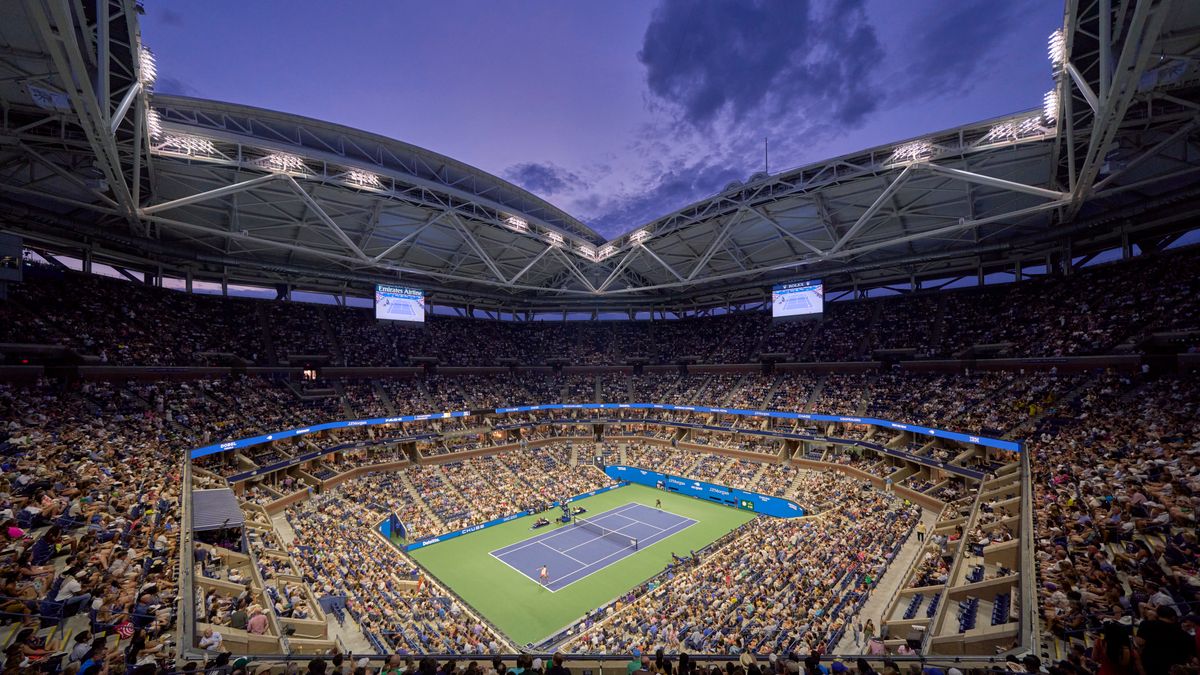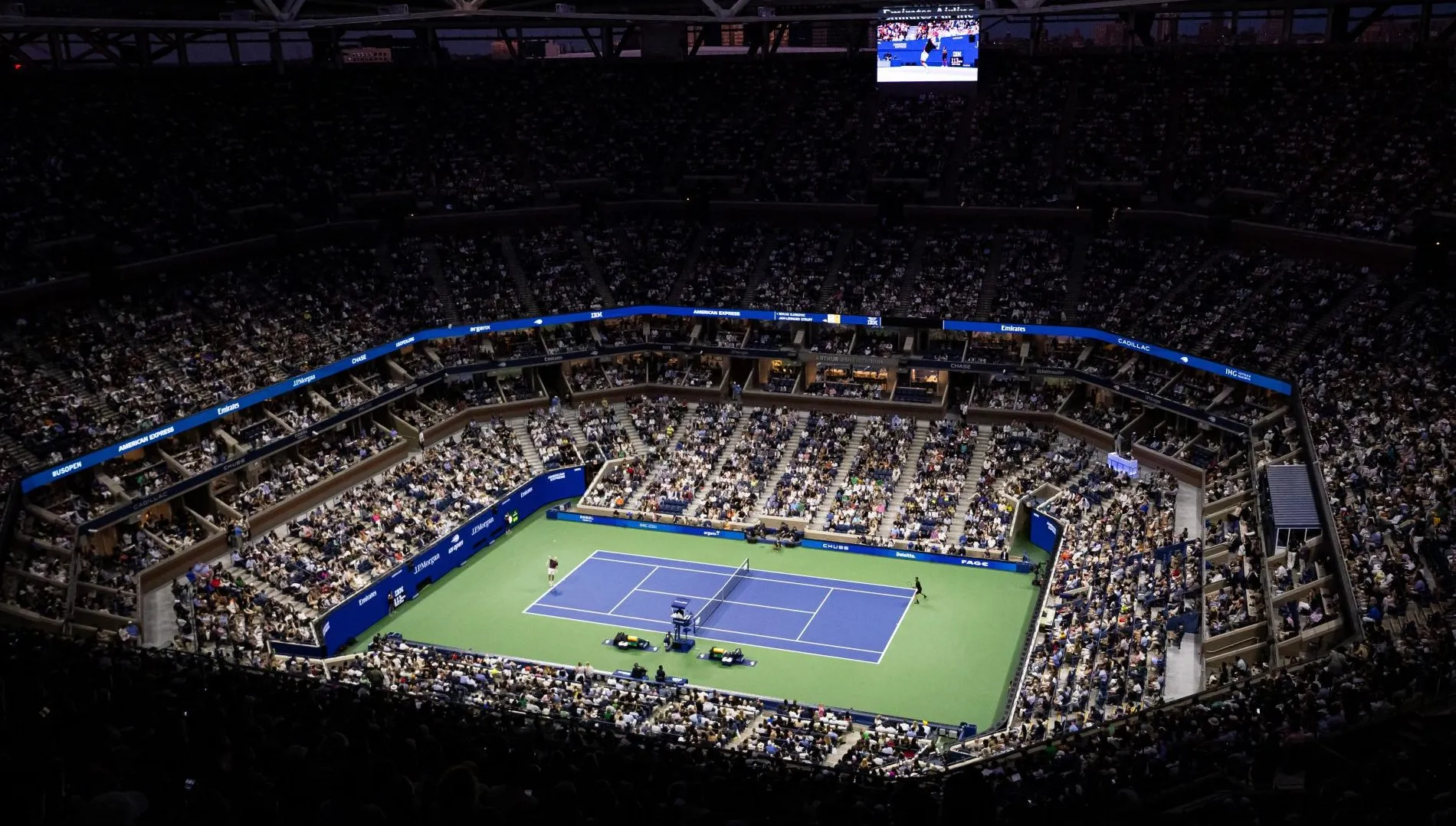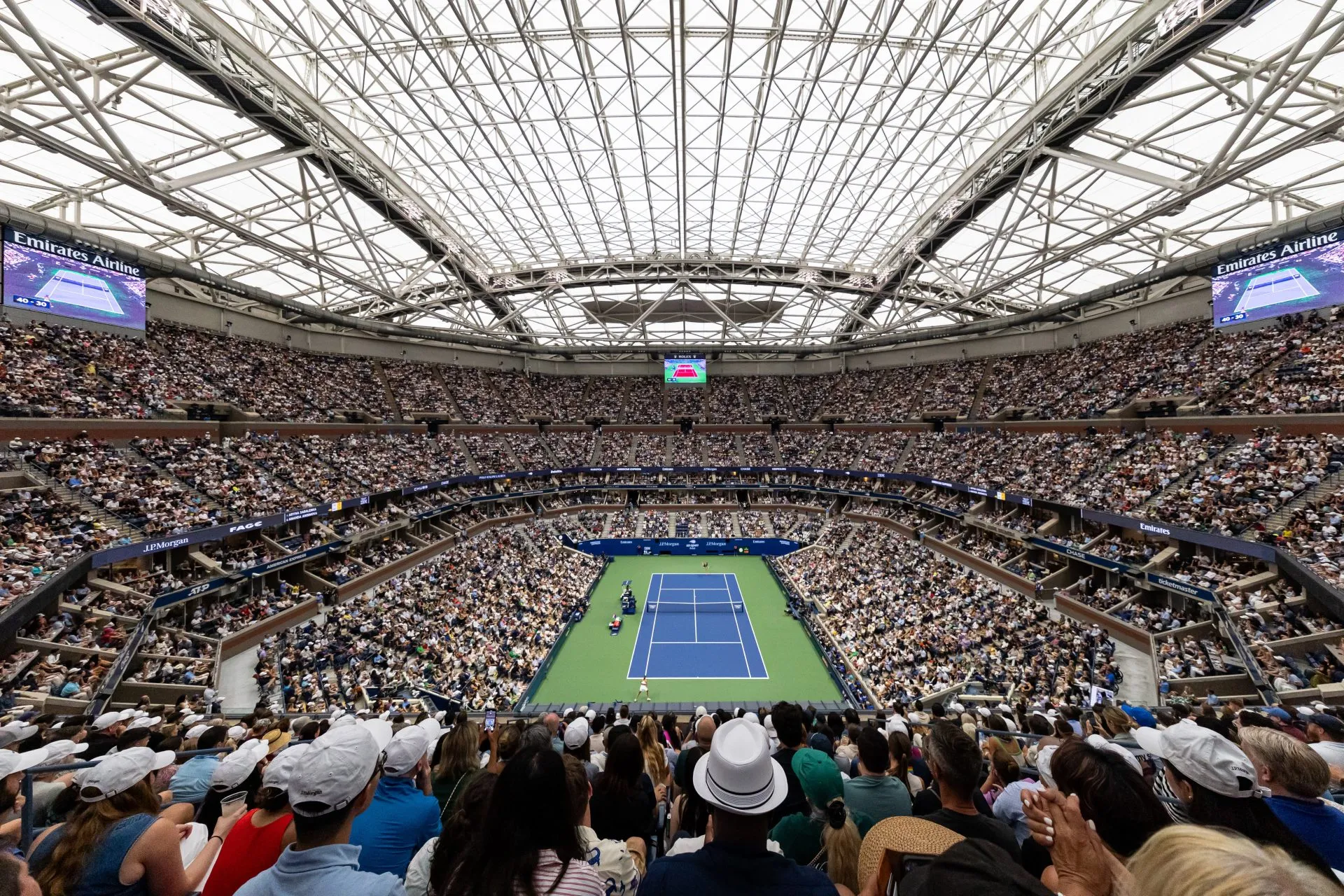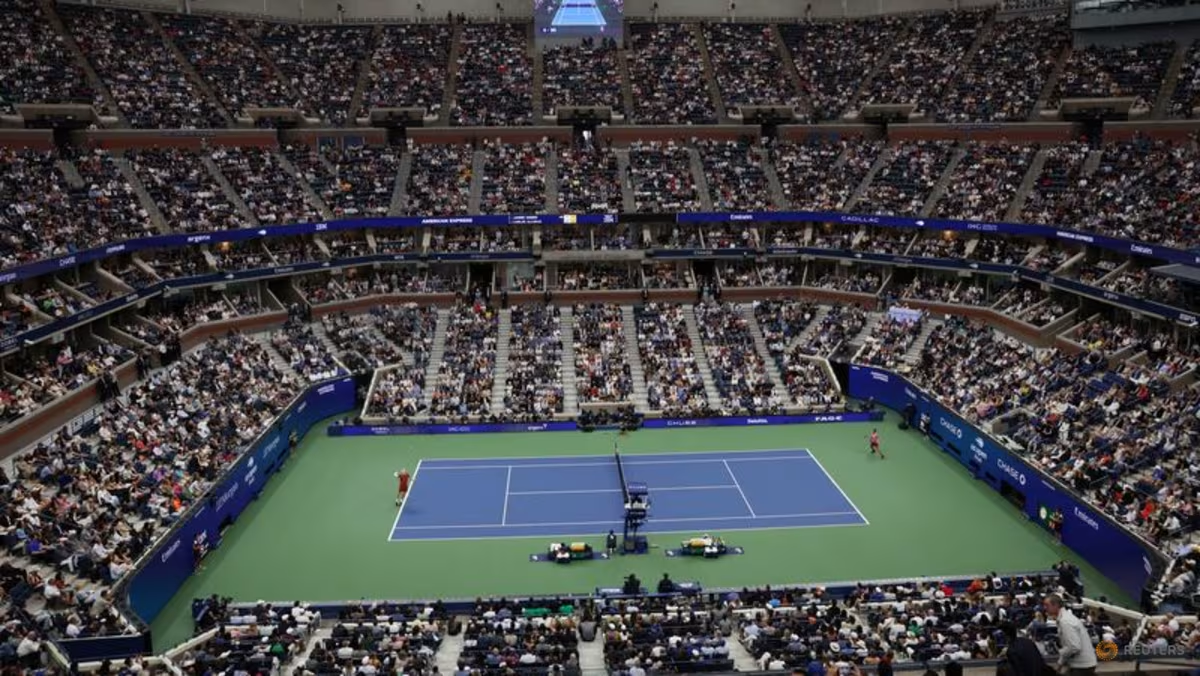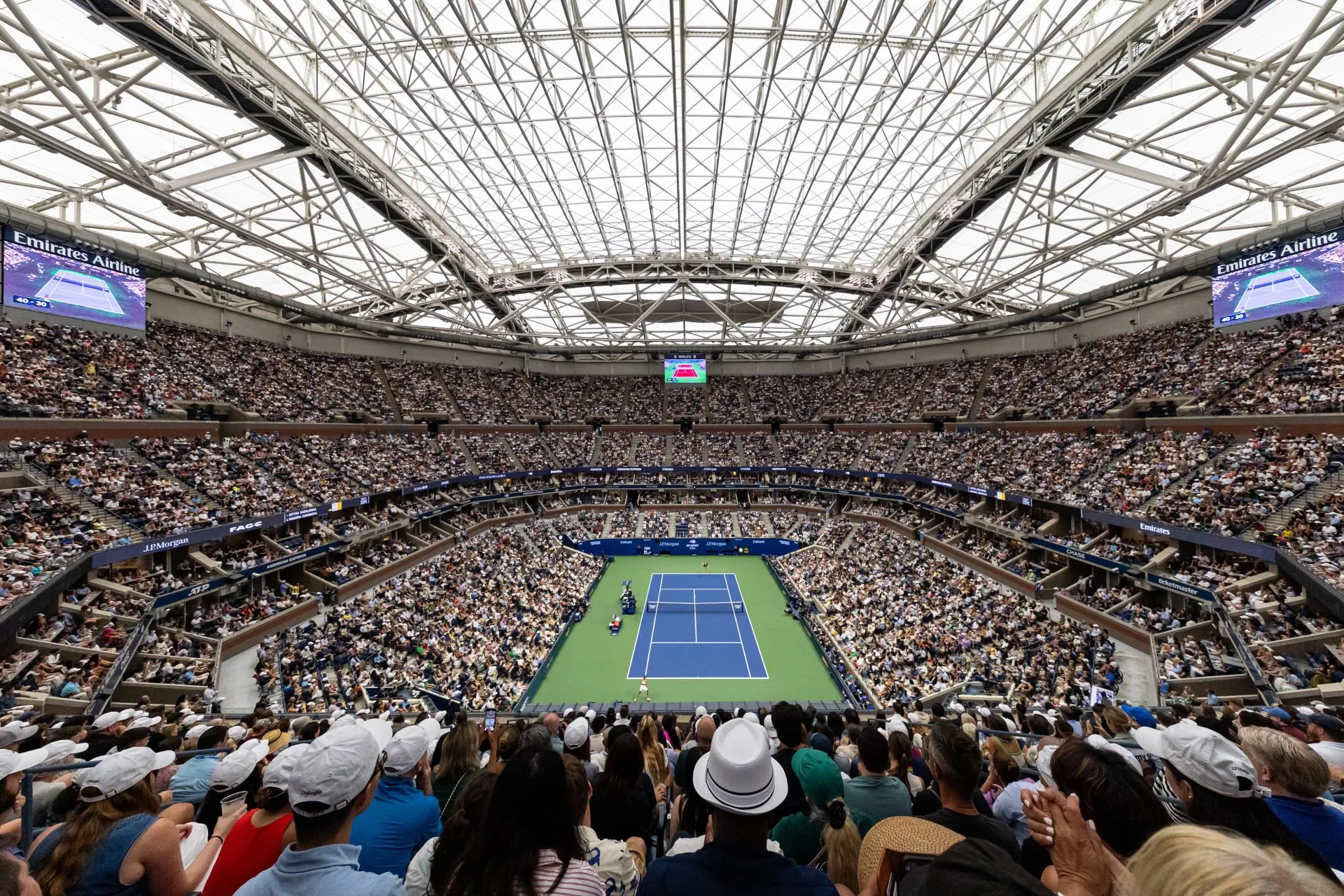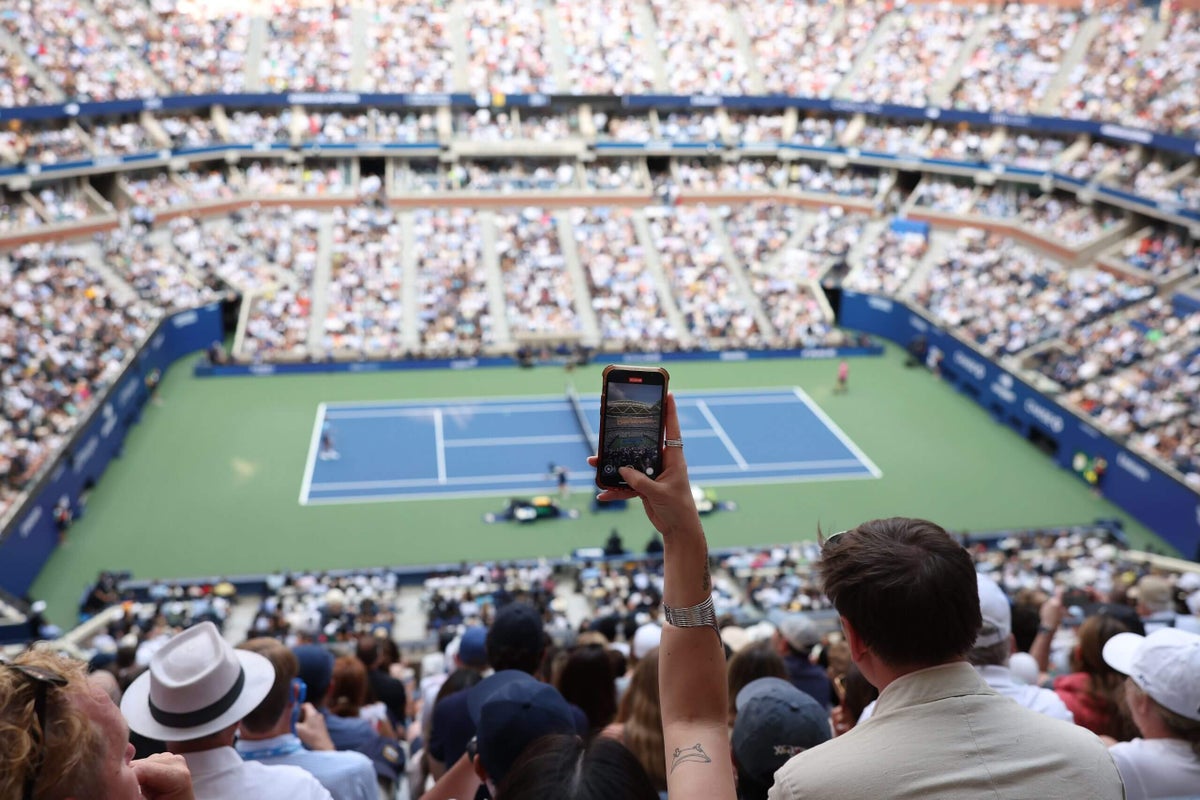
There’s one question that every type of U.S. Open fan is asking, from die-hard tennis wonks to executives who control corporate entertainment expenses:What’s up with these ticket prices?A quick glance at the fourth Grand Slam of the year’s website this week reveals sobering numbers for the first big day of action on Monday, Aug. 31.A grounds pass with no guaranteed seat on any court — stadium or otherwise — is going for over $360. The face value is $65.An upper-deck seat in Arthur Ashe Stadium costs $326.Want to sit in the lower section in the biggest stadium on the grounds that day, which will provide an up-close view of some (possibly) one-sided matches, as well as access to general admission seats on the rest of the courts? That’s $518.Row Z in the promenade level of Arthur Ashe — the highest level of the stadium — that day is $454. A seat in the area even closer to courtside than the $518 seats is $2,104. A seat in the loge section, about halfway up the stadium, above the ring of luxury suites, is $1,236.07.
Highest price on Ticketmaster as of Aug. 19.
There is some price relief in the other stadiums, and fans who are willing to wait out the day can usually get into the grounds at 6 p.m for $25 and stay all night.Regardless, this doesn’t seem like a tournament in a public park, played on public courts and run by a non-profit organization with a mission to increase accessibility to tennis and grow the game nationwide.“Our vision is to be the most inspirational and captivating sports entertainment event in the world by delivering world-class experiences for our fans, partners, and players to fuel the mission of the USTA, so accessibility is at the core of the beginning of the strategy,” said Kirsten Corio, the chief commercial officer for the United States Tennis Association.She cited the less expensive and free access the USTA provides during the qualifying tournament, mixed doubles and exhibition nights before the singles tournaments as central to that effort, given that 240,000 people last year attended what the U.S. Open calls Fan Week.“You could see Djokovic on Arthur Ashe playing a practice match against another top-10 player for free in the first row,” she said. “That’s like no other sport that I can think of.”The surging prices at this year’s U.S. Open are driven by the convergence of factors both within and outside the tournament’s control.As tennis has found a groove at the intersection of media, celebrity, sports, culture and high fashion, the popularity of live events has increased in the wake of the Covid-19 pandemic. Sports events such as the U.S. Open have assumed the status of a superstar’s concert, and for many years, a rampant resale market has taken advantage of that popularity.The organizers of those events are also recognizing their own lucrativeness. And for the U.S. Open, 2026 is the first year in which that dynamic has aligned with the tournament’s immediate concerns.Arthur Ashe Stadium, the highest-capacity arena in tennis, is halfway through an $800 million renovation, which will reconfigure it toward the premium hospitality that the USTA says its most moneyed customers demand. At the same time, top players are seeking reforms that will mean that their prize money takes up a bigger proportion of the Grand Slam tournaments’ revenues. And if the organizers of those tournaments want to honor that prize-money increase for the players while keeping the same margins, something has to get more expensive.Right now, that thing is sitting on the tournament’s biggest court.The price increases and unchecked resale market are causing frustration among fans of all ages, who feel priced out of an event that they are told they are making culturally meaningful, whether to roam the grounds or to watch the starriest matches of the day.Why are the US Open courts blue?Tifo SportsIn the weeks and months leading up to late May, the USTA sold most of its higher-priced tickets to its subscribers and corporate customers. Many of them commit to buying the same tickets for all 27 sessions throughout the 15-day event. They renewed at a rate of nearly 100 percent.Then the organization released the remaining tickets to the open market at face value. The vast majority, including grounds passes, sold out very quickly, despite prices increasing compared to 2025. Most of what is available on the U.S. Open website now is resale inventory, whether from those subscribers or from people who snapped up face-value tickets, some using bots and other scrapers to harvest inventory.