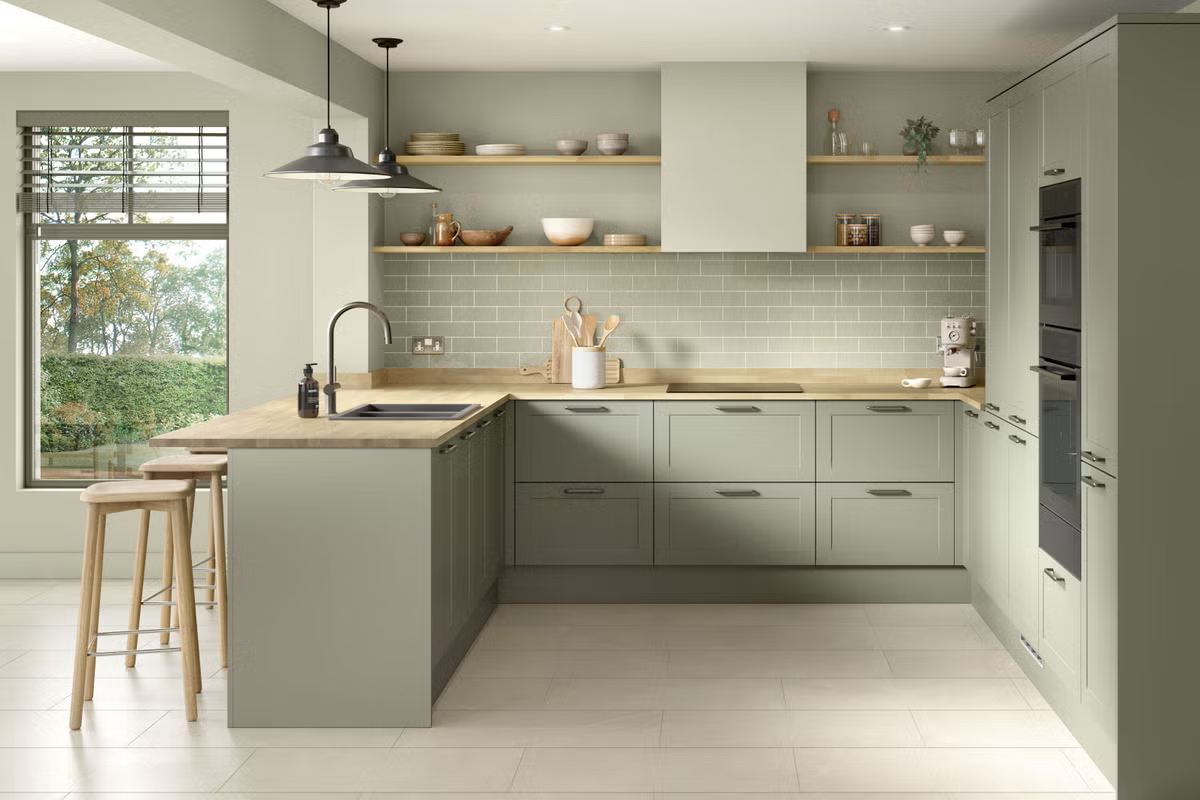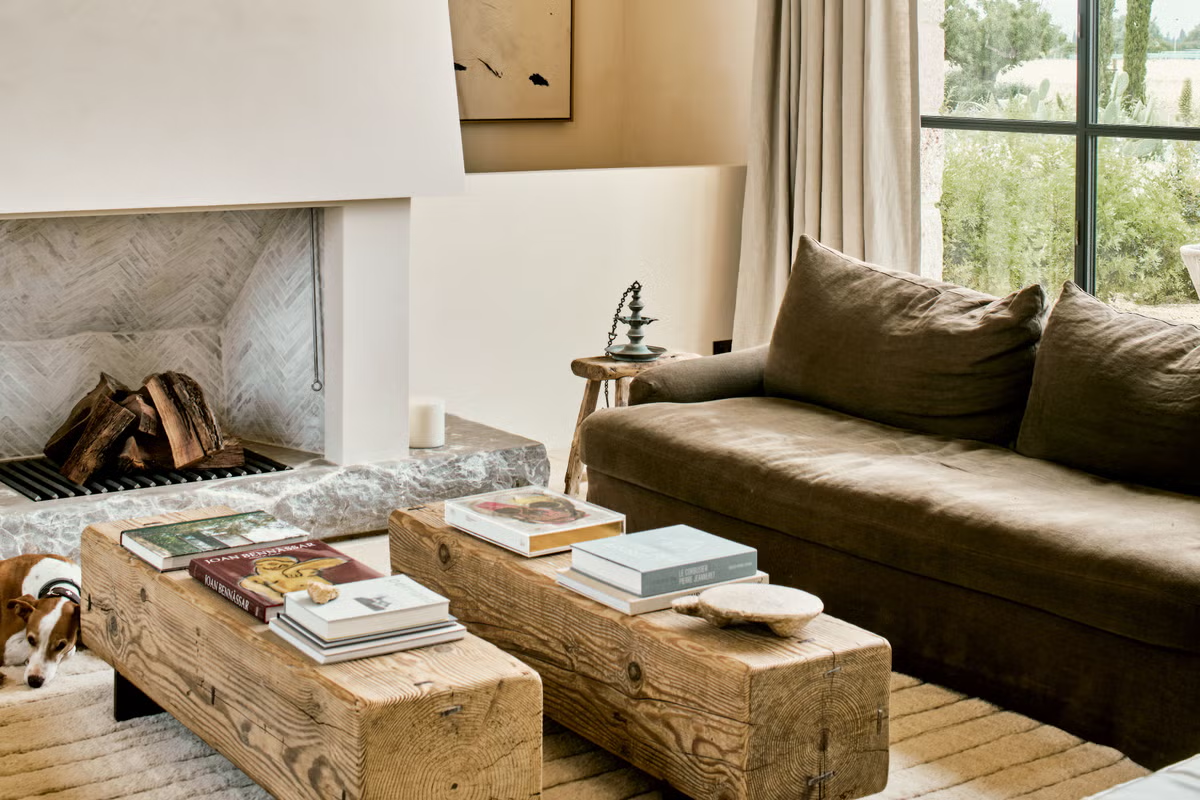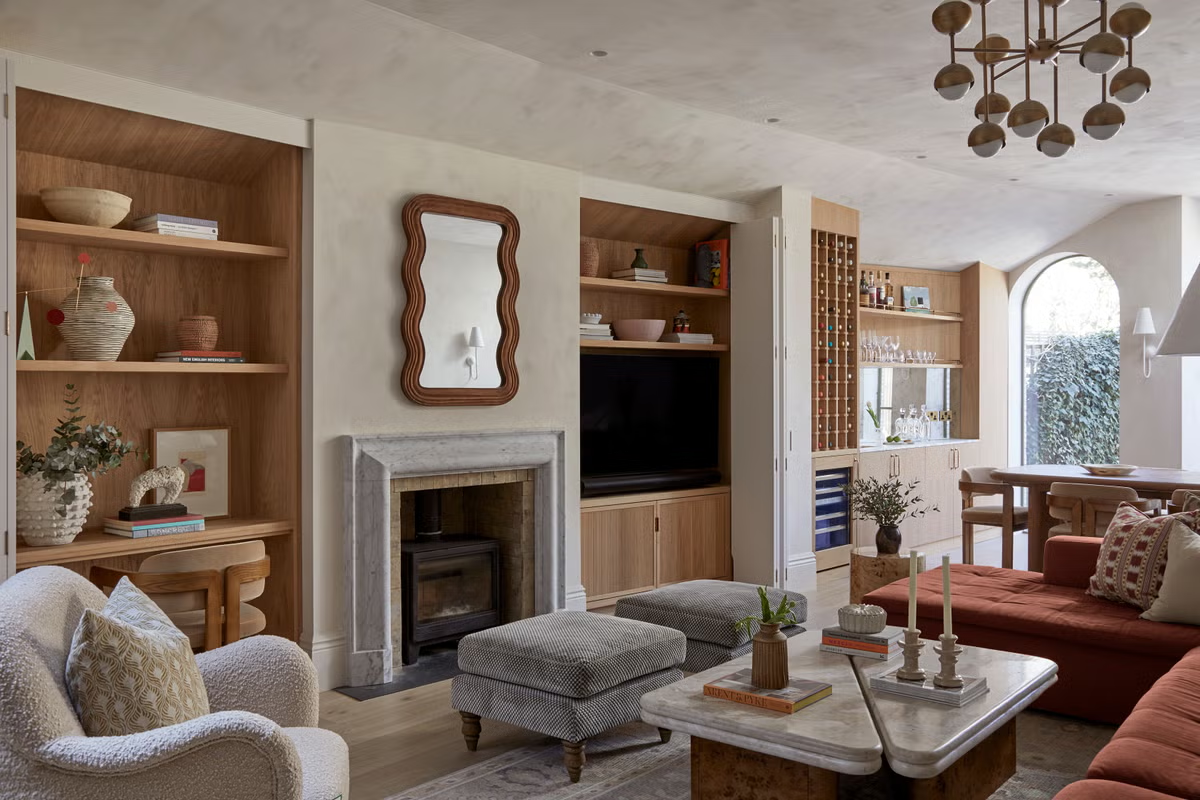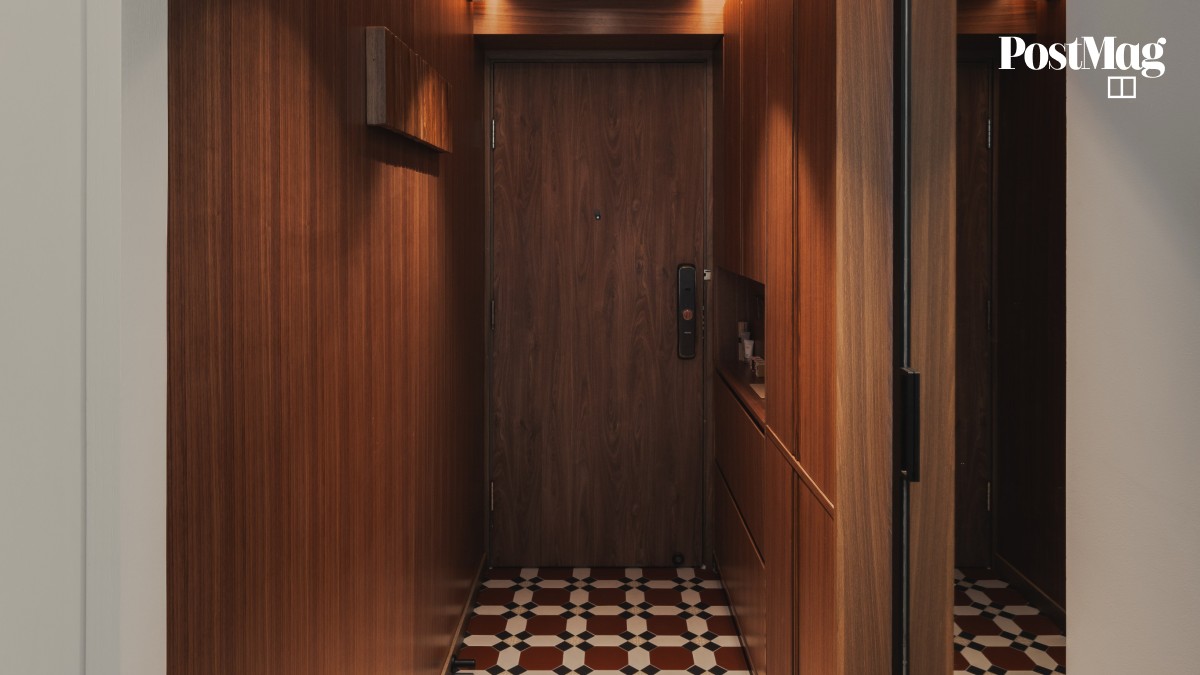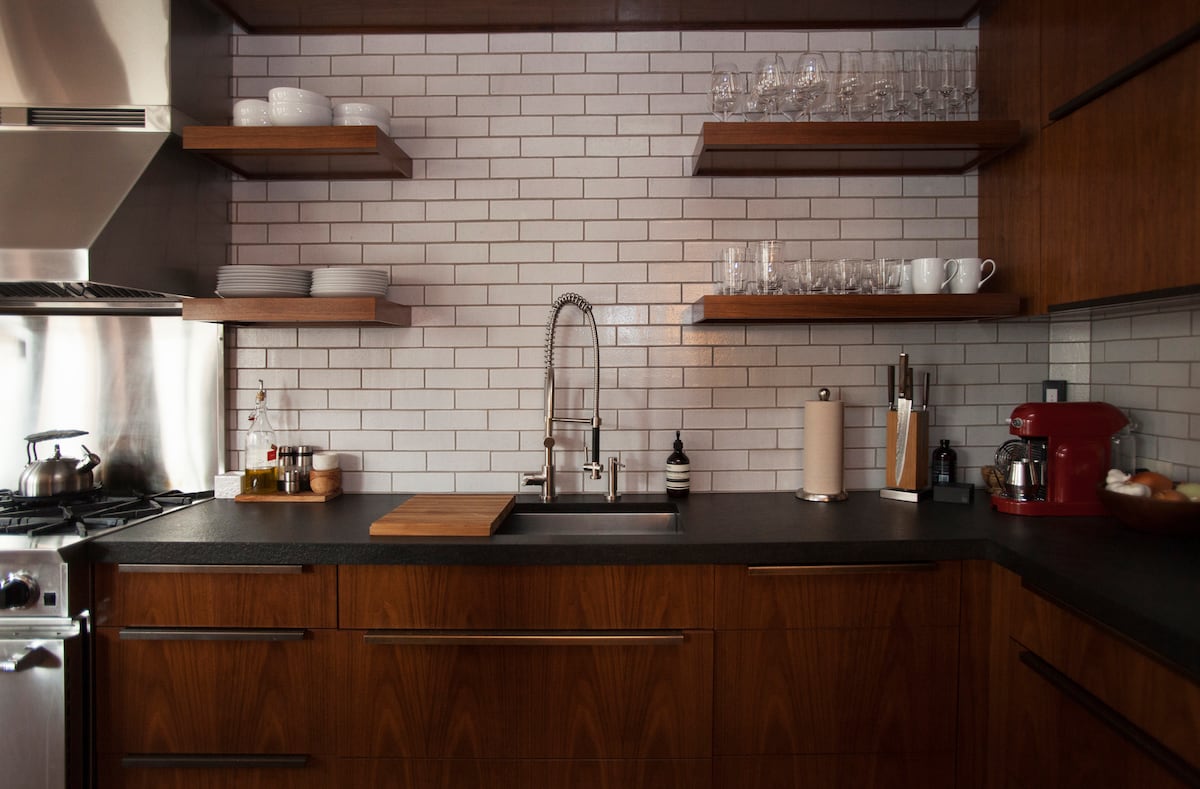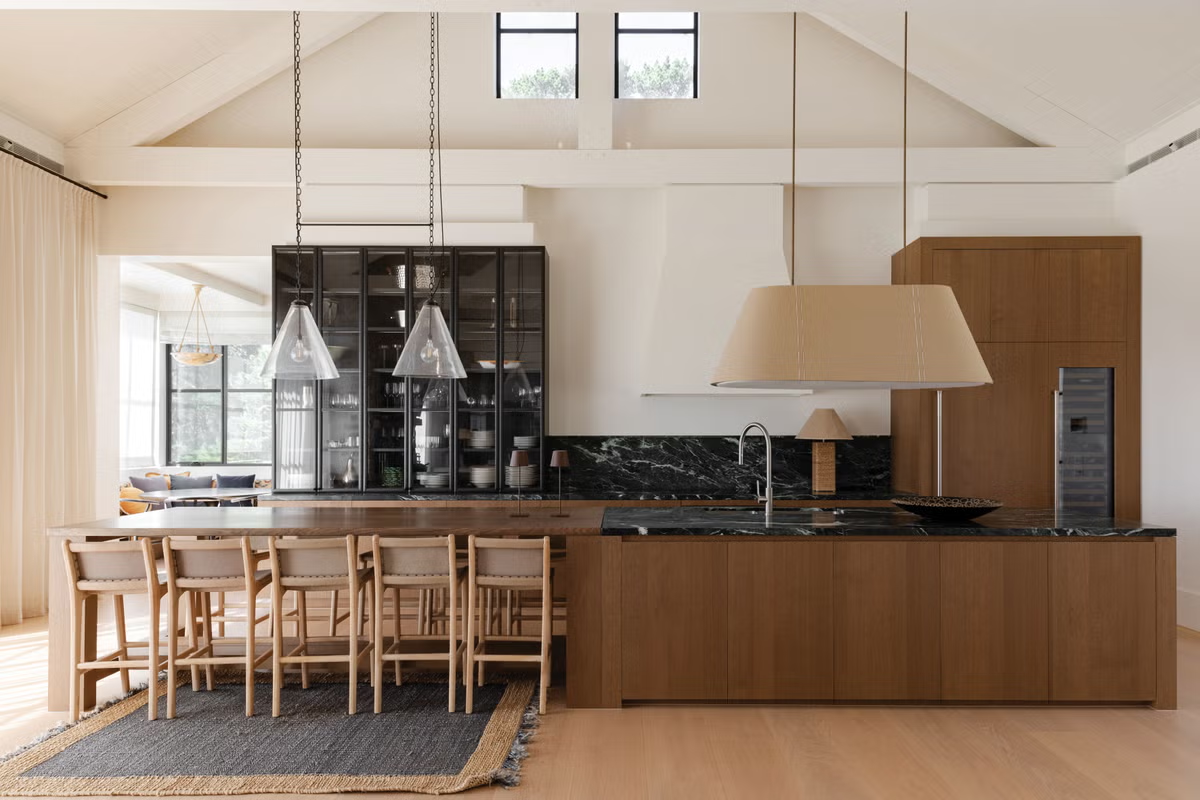
Designer, stylist or interior enthusiast, for the past decade it’s all been about the cool greys, neutrals, clean lines, minimalist schemes and functional spaces.From paint finishes to hard furnishings, to flooring, a Scandi scheme has basked in the spotlight, with paler woods epitomising the modern minimalism.“I would say our most popular product for the past 10 to 15 years has been a kind of cooler smoky grey colour… and that’s where the shift happens,” says Paul Moody, Havwood’s global marketing and insight director.The greys are still there, “but it’s the cooler-looking greys, the neutral grey, quite functional aesthetic that’s drifted out… even with smoky grey, the warmer tones have had a resurgence.”“It’s definitely that shift towards the warmer colours.”But it’s not necessarily the colour palette, or about it being a trend, notes Moody. “I think it’s been caused by a kind of behavioural shift.“People want something to feel different, and it just happens to be those warmer colours which best represent that shift.”From kitchens, to living rooms and bedrooms, think earthy tones, browns, tactile materials, natural timbers and soft warm hues, these are the prominent aesthetics now being reflected in the character of our homes.Indeed, Moody, who’s judged at the British Institute of Interior Design Awards (BIID) for the past four years, suggests its the movement towards warmer, softer spaces which feel welcoming and meet the demands of modern living.Alsace Chevron, Pure Plank, £82.95 per square metre, Havwoods (Peter Molloy Photographer/Designer TAK Studio/PA)As one of the leading suppliers of luxury wood flooring, walls, joinery and cabinetry, Havwoods has thousands of people coming through its showrooms and making colour decisions – but Moody says that’s not always the focus.“They start with more of an emotional request. So it’s more ‘I’m looking for something that feels warm or cosy; or calm or neutral,’ rather than ‘I’m looking for a light brown or dark brown.’Tellingly, he says something that’s definitely come to light is “a kind of social media fatigue”, with customers expressing a desire to step back.“I think for a long time people were designing their homes for photographs to present to the rest of the world. Whereas now, I think people are more focused on creating something for them personally.“And that’s where you lose ‘neutral, clean, functional’ and actually drift to something that’s far more comfortable,” underlines Moody.Olympia Extending 180cm Solid Oak Dining Table with 6 Natural Braced chairs(Oak & More/PA)Timeless touches designed to last, from contemporary to classic… traditional materials and craftsmanship are also influencing our design choices, suggests Adam Dugdale, creative director at Oak & More.“In my day-to-day role, we’re constantly talking about solid oak, hardwood and stuff like that. But you know, how is that going to improve people’s lives?“And this is what it comes down to – people are investing and making decisions on furniture which can effectively last a lifetime.“Think about the perfect Instagram and Pinterest homes that are out there; it does feel like a bit of a shift… there was a pinboard everybody felt they had to be on, to have this showroom look and feel within their homes.He continues. “And then they become all the same, rather than something that’s reflective of their own personality.”(Oak & MoreIndeed, with a passion for great design and more than 20 years in creative leadership, Dugdale says it’s quite often key pieces of furniture made of traditional materials which get handed down through generations.“I would always say the best kind of interiors are the ones that don’t perfectly follow trends… trends come and go, but there is always oak furniture.“Especially with the warmth of different coloured oaks available, they naturally lend themselves and adapt to all the different stylings that come and go, within those trends.”Highlighting the influences we’ve had from Scandinavia, and places as far as Japan – which the blending of both has transcended into Japandi – wood is a key element, highlights Dugdale.“Or something more classic like a farmhouse that may be more reflective of British culture… it’s still filled with oak. So vastly different categories there, but they have very similar groundings.”So if you think about the colour and texture oak or natural timbers bring – from a butcher’s block, to a bookcase, to a stairway – the result is a natural warmth and connection to nature.As Dugdale puts it: “Those warm wood tones, replacing that kind of cool minimalist grey; and pure decorative styles that have been trends over recent times… I feel oak is the new kind of neutral, so to speak.“And because it’s a completely natural material, it’s almost like a piece of artwork in itself with the different grains.A material for any room, it may be a sideboard from a particular manufacturer that’s made that piece of furniture for a long time, suggests Dugdale, “but each piece is unique, and that’s what’s beautiful about those natural materials.”HFurthermore, Moody highlights its versatility depending on your decorative style. “You can use it for flooring, wall panelling, cabinetry, functional spaces like kitchen cabinets and shelving units, but also decorative surfaces.“So things like feature walls, splashbacks to a particular space. We’ve seen it [wood] used on the interior of staircases and things, just to add that extra visual intrigue.”Specialising predominantly in European oak (the most hardwearing and sustainable option), he says current trends include ‘complimentary and contrasting’.“Picking two timber tones that look very similar, so you have a more homogenous-looking interior design,” explains Moody.“Or you can go for a complete contrast, almost like a mix and match, with something really light on the walls and something dark on the floors; or vice versa.”And with a choice of colour groups such as blondes, honeys, auburns and brunettes, it’s very much those warmer tones which are adding a feeling of warmth, influencing our decor – and helping us feel more grounded.
Make a style statement with the natural warmth of woods
The resurgence of wood furniture paired with earthy colour tones signals a shift toward softer, cosier interiors. By Sam Wylie-Harris.
966 words~4 min read