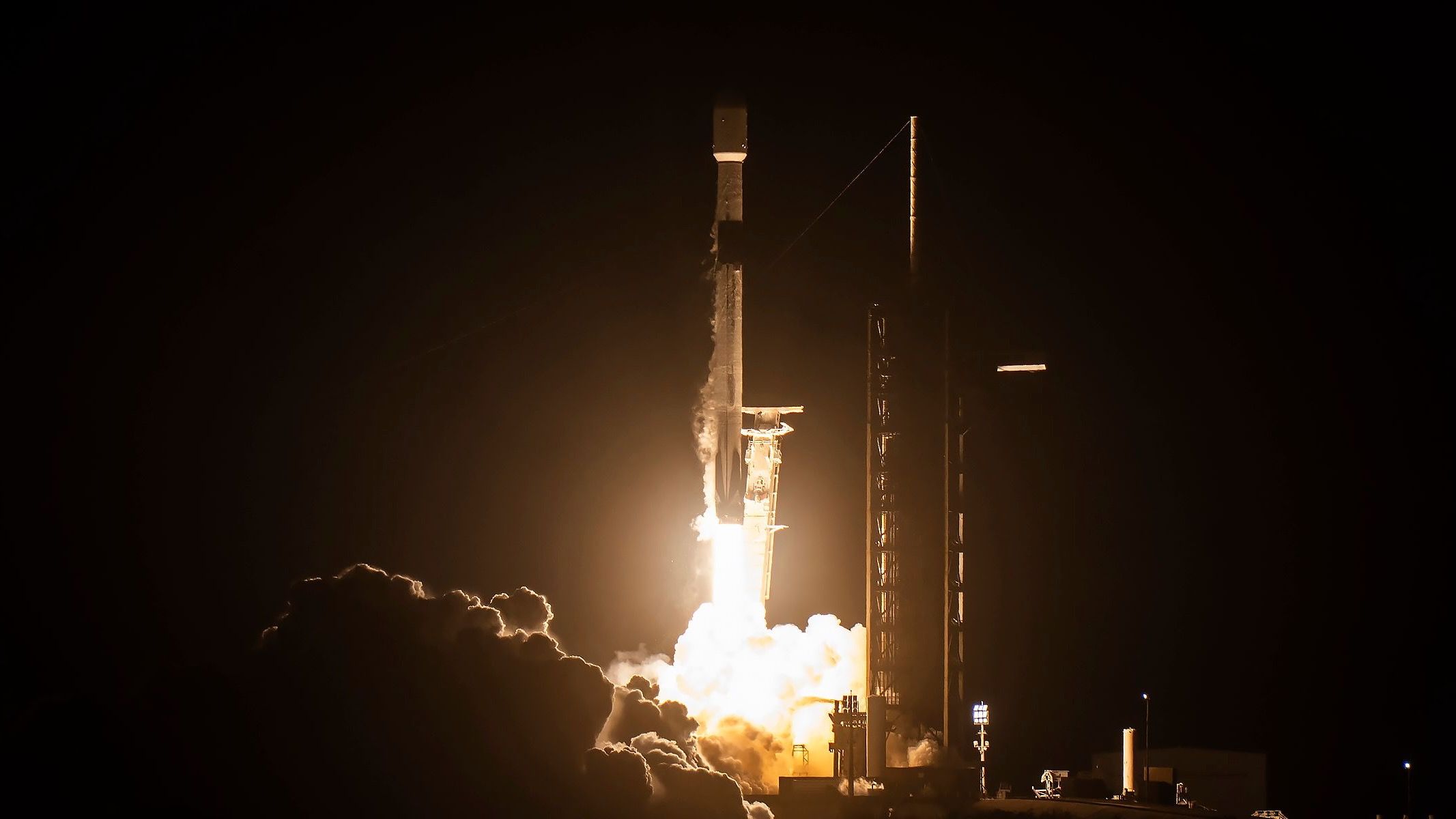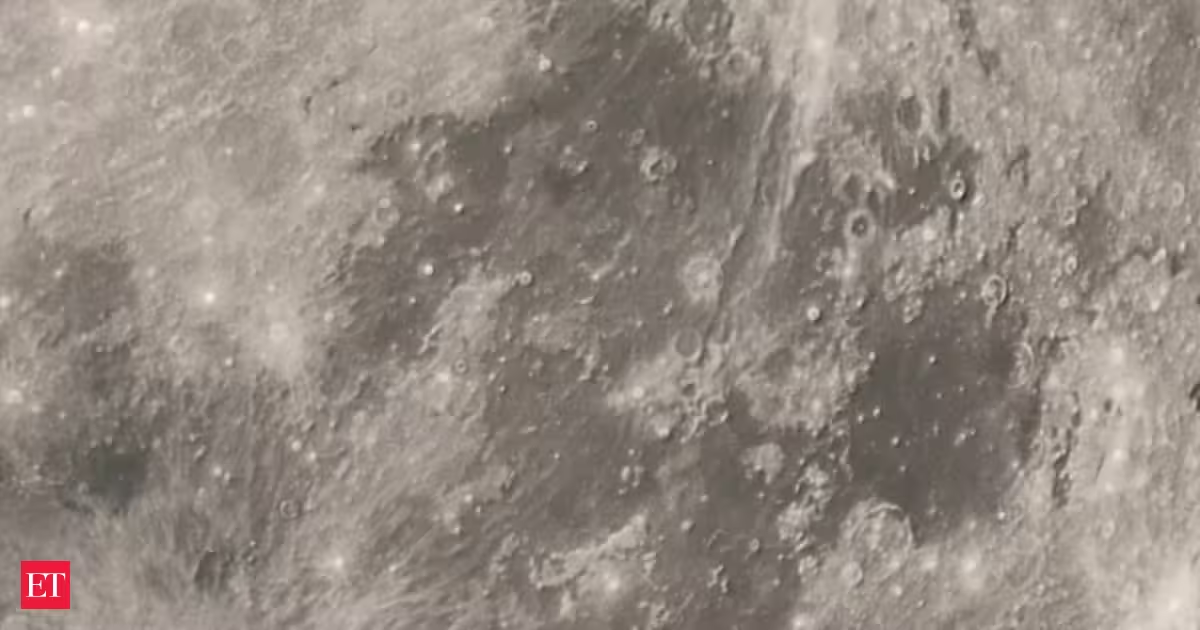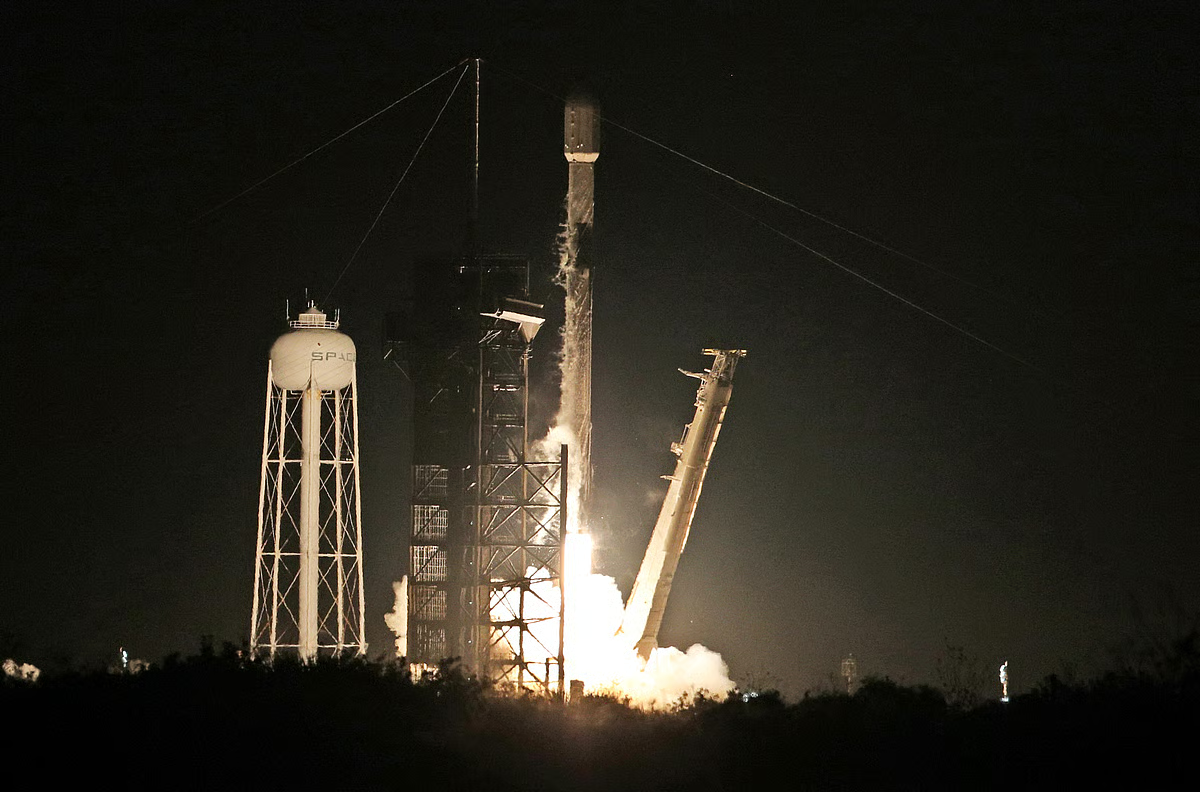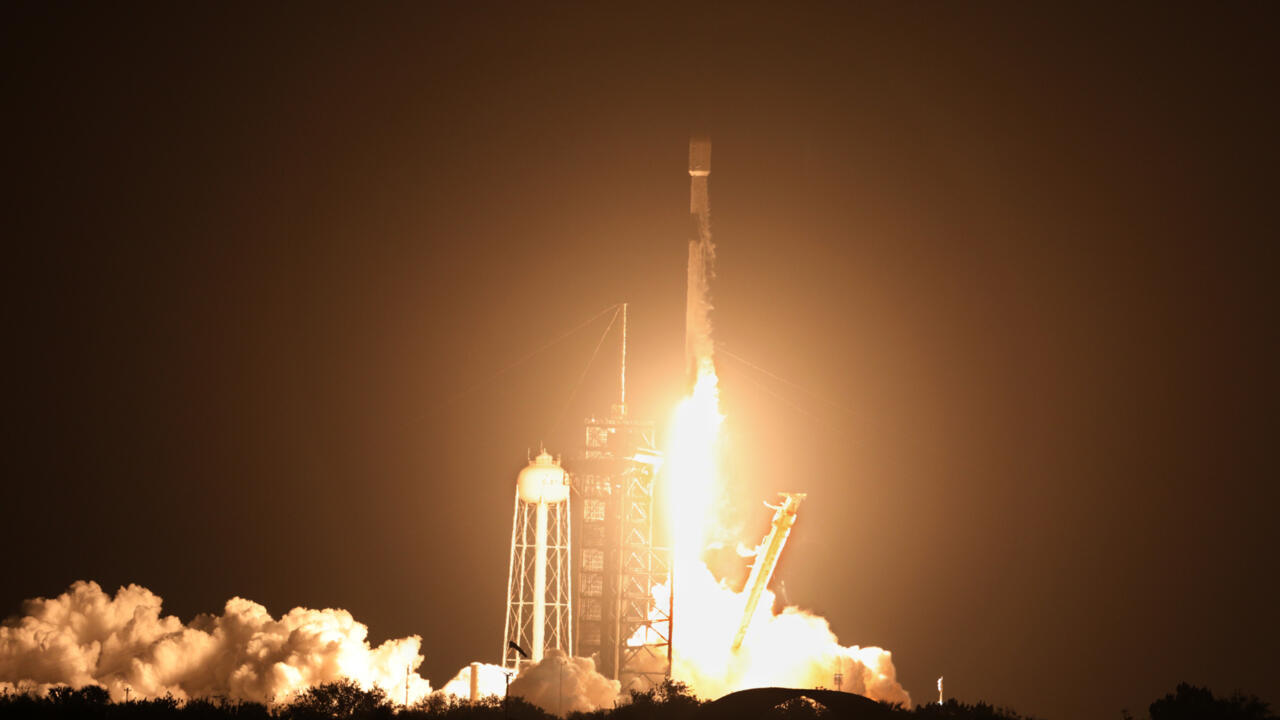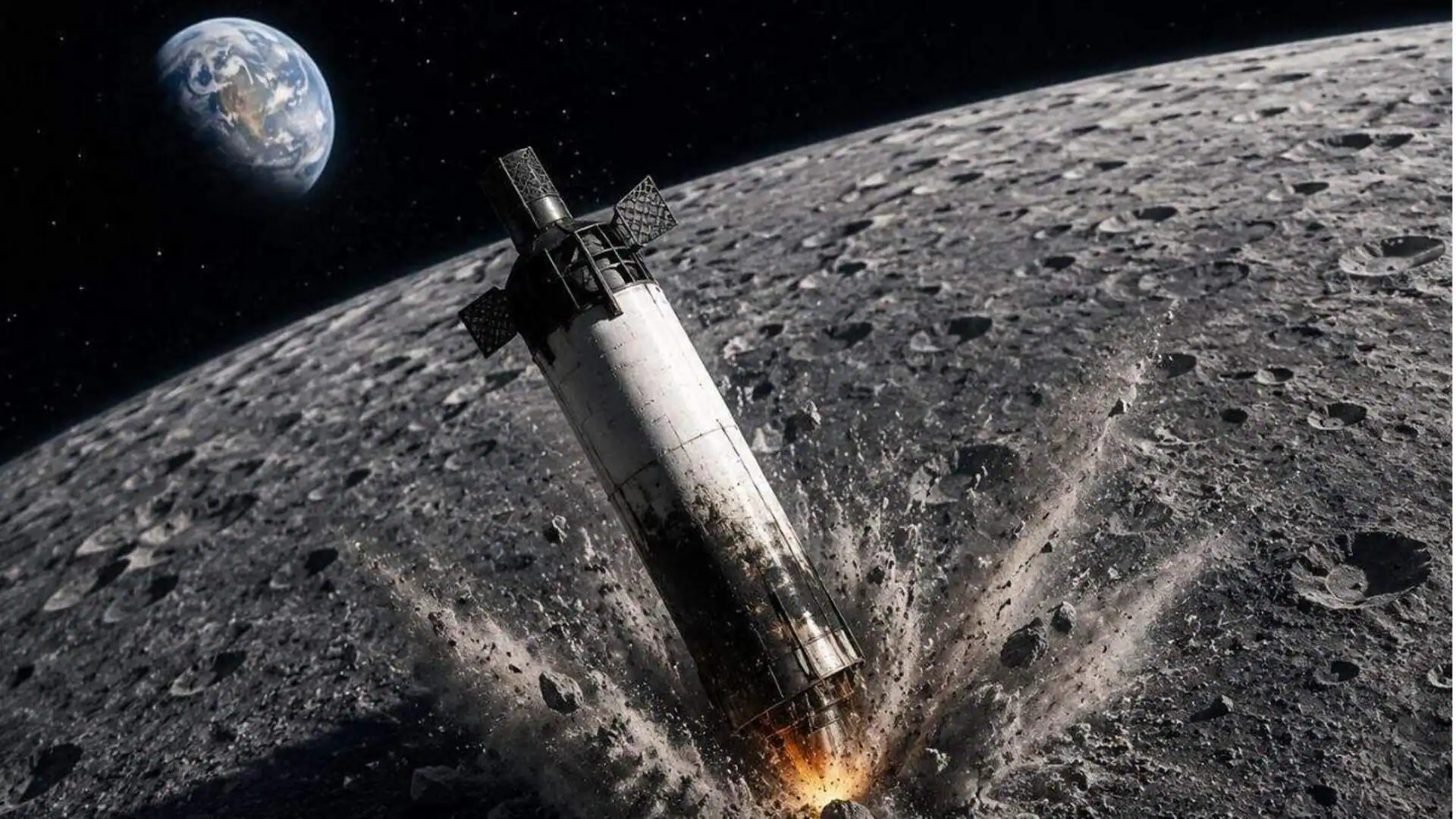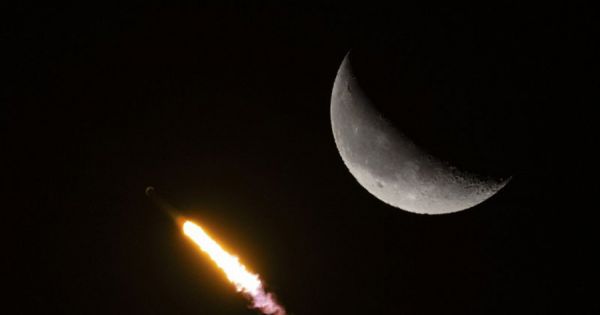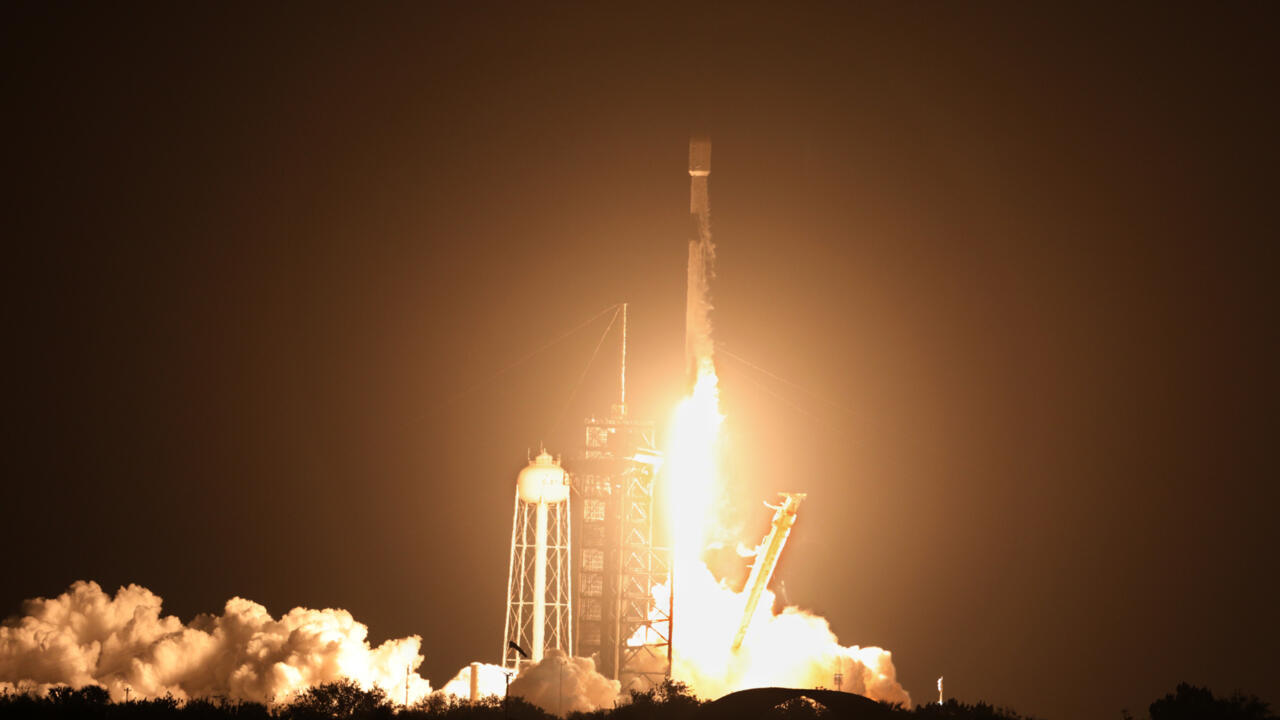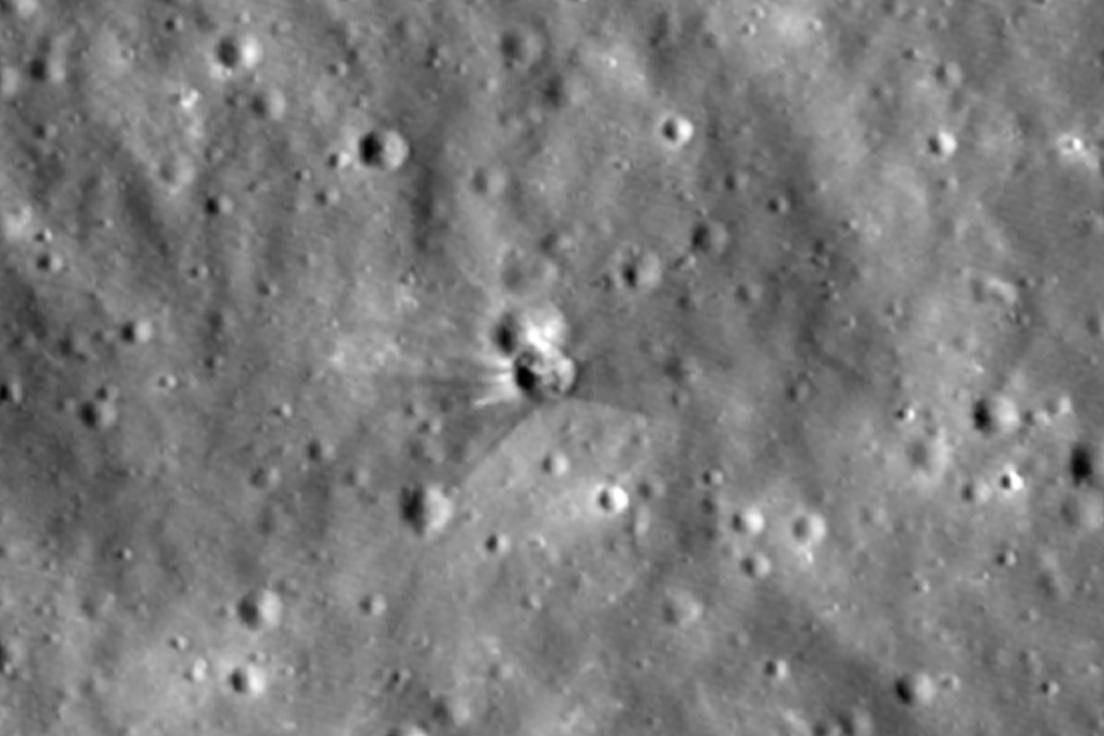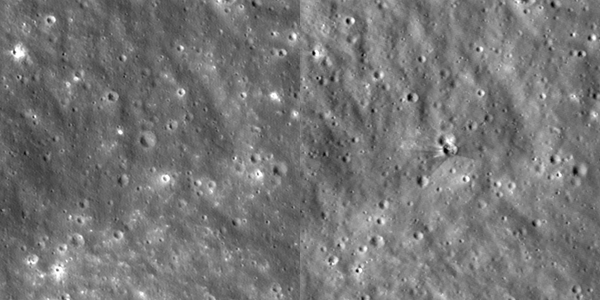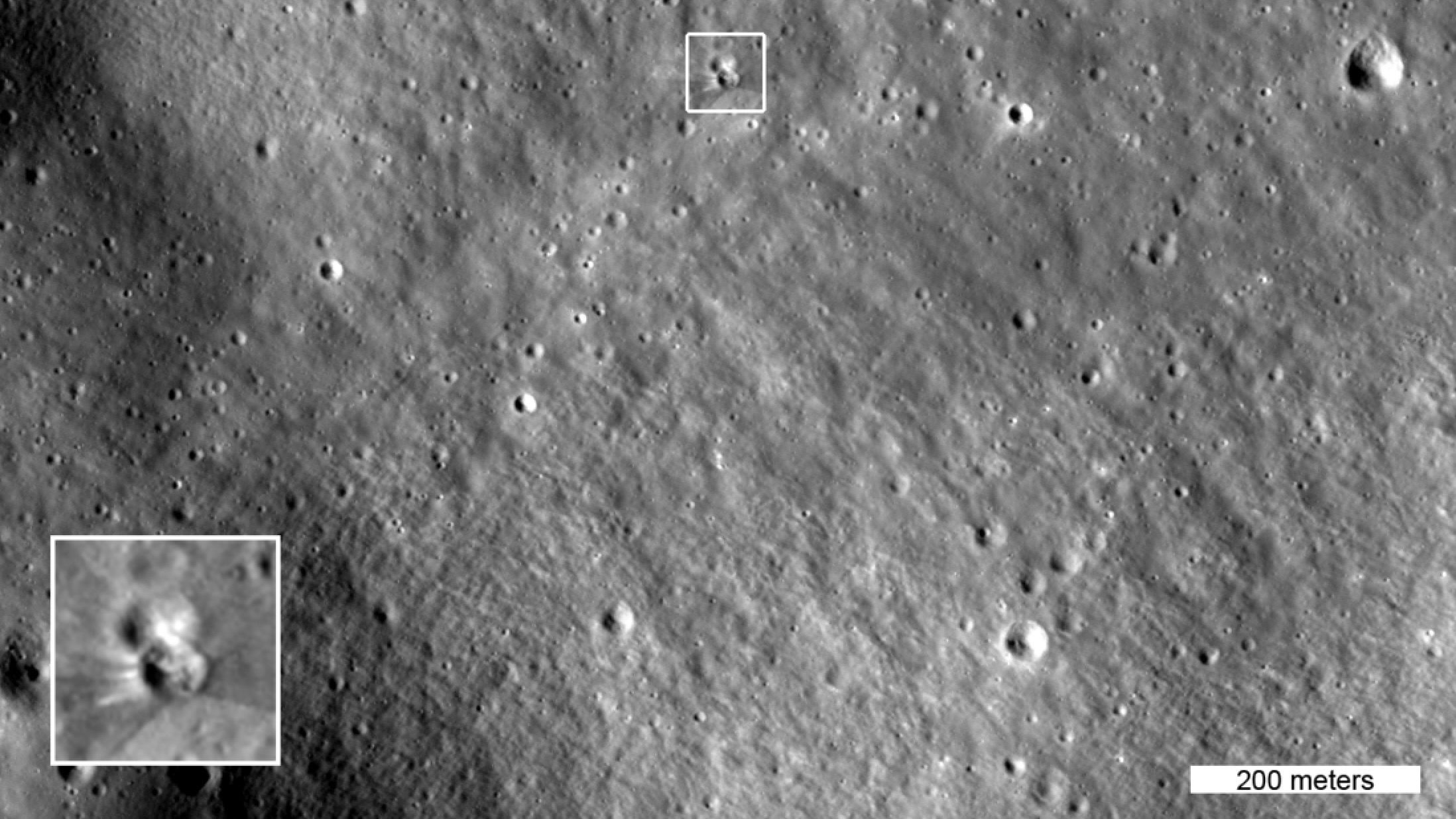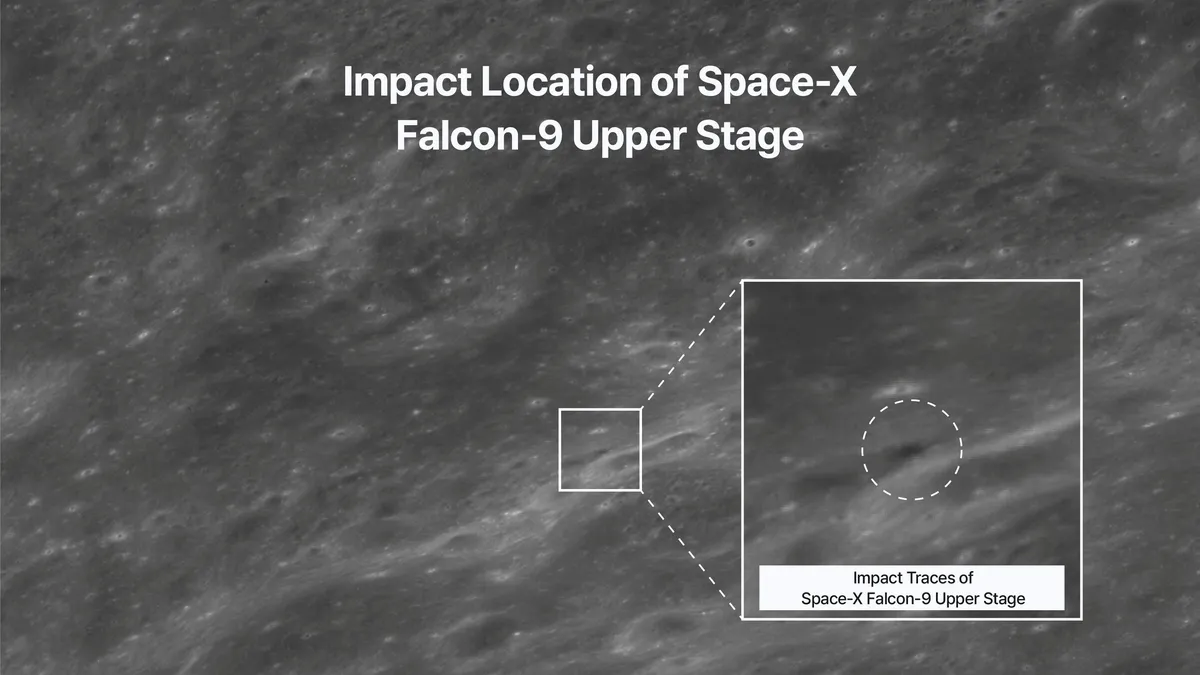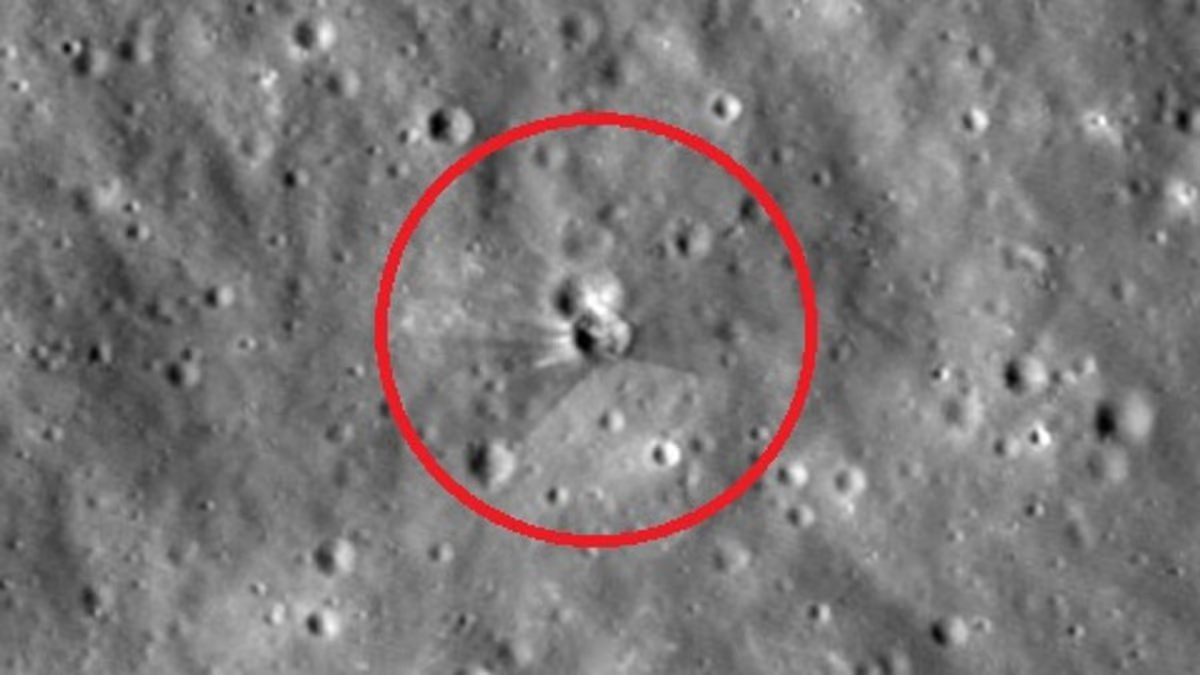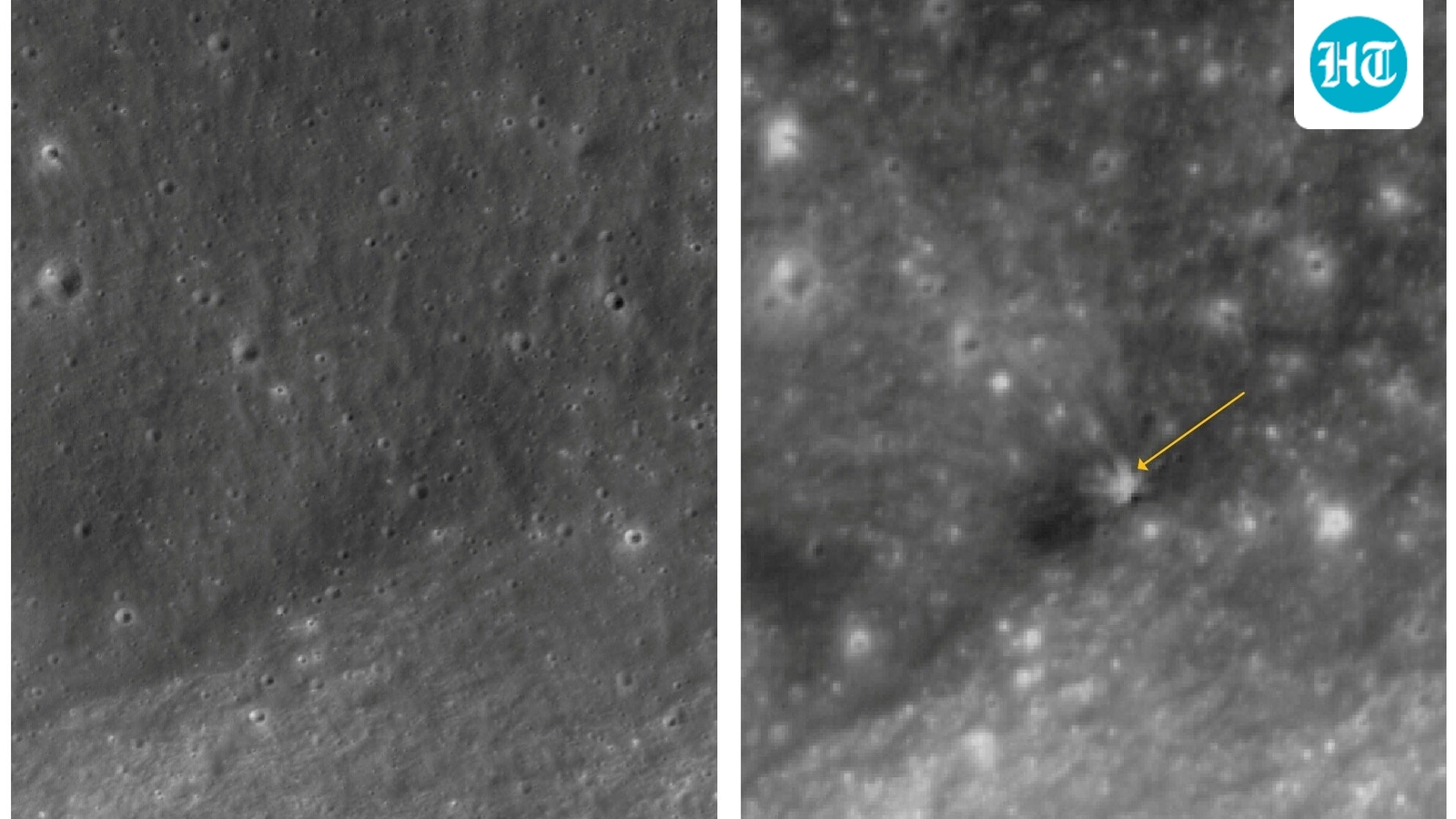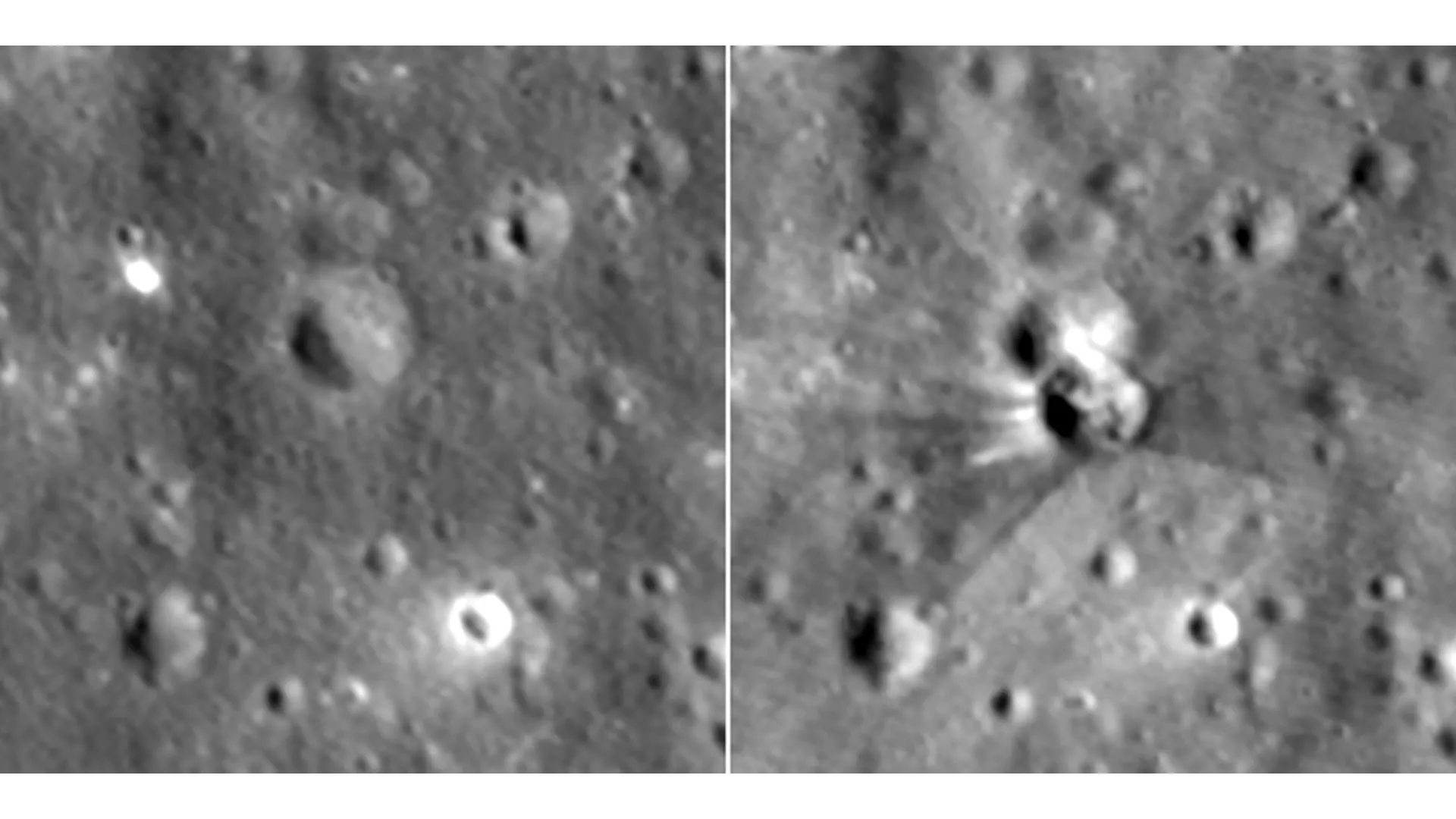
Between Aug. 11 and 12, NASA's Lunar Reconnaissance Orbiter (LRO) photographed a newly formed crater on the Moon. The crater appeared after a SpaceX Falcon 9 upper stage struck the lunar surface on Aug. 5. The rocket stage had previously launched in January 2025 as part of the Firefly Blue Ghost 1 mission.
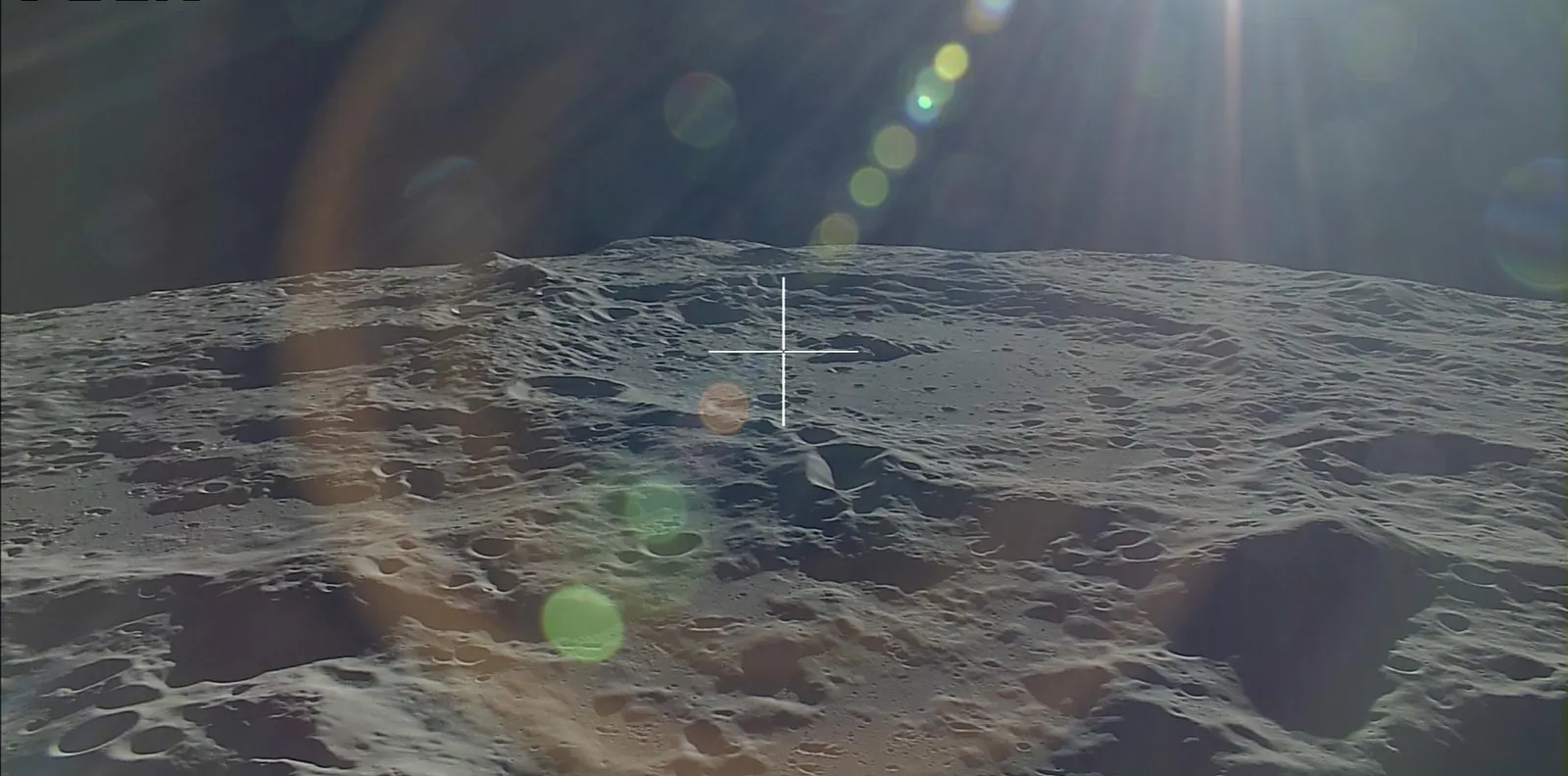
Capturing the impact site required careful maneuvering. Engineers tilted LRO so its cameras could point toward the crater as the spacecraft passed roughly 60 miles above the lunar surface at a speed of about 1 mile per second.
The orbiter circles the Moon from pole to pole once every two hours as the Moon slowly rotates beneath it. Because of this motion, LRO must wait for a particular location to rotate into a position where it can be observed. In this case, six days passed before the spacecraft had the right opportunity to photograph the new crater.
Timing was just as important as pointing the camera in the correct direction. A photograph taken only 10 seconds too early or too late would place the target about 10 miles away from the center of the image.
Scientists observed the crater from several angles and under different lighting conditions, allowing different features to become visible. Images that clearly showed the crater rim allowed researchers to measure its width at about 60 feet. By studying the length of the crater's shadow, they also determined that it is less than 10 feet deep.