Free daily briefing on global business news.
The Lunar Reconnaissance Orbiter captured the crater a week after the Falcon 9 upper stage struck the lunar surface on Aug. 5
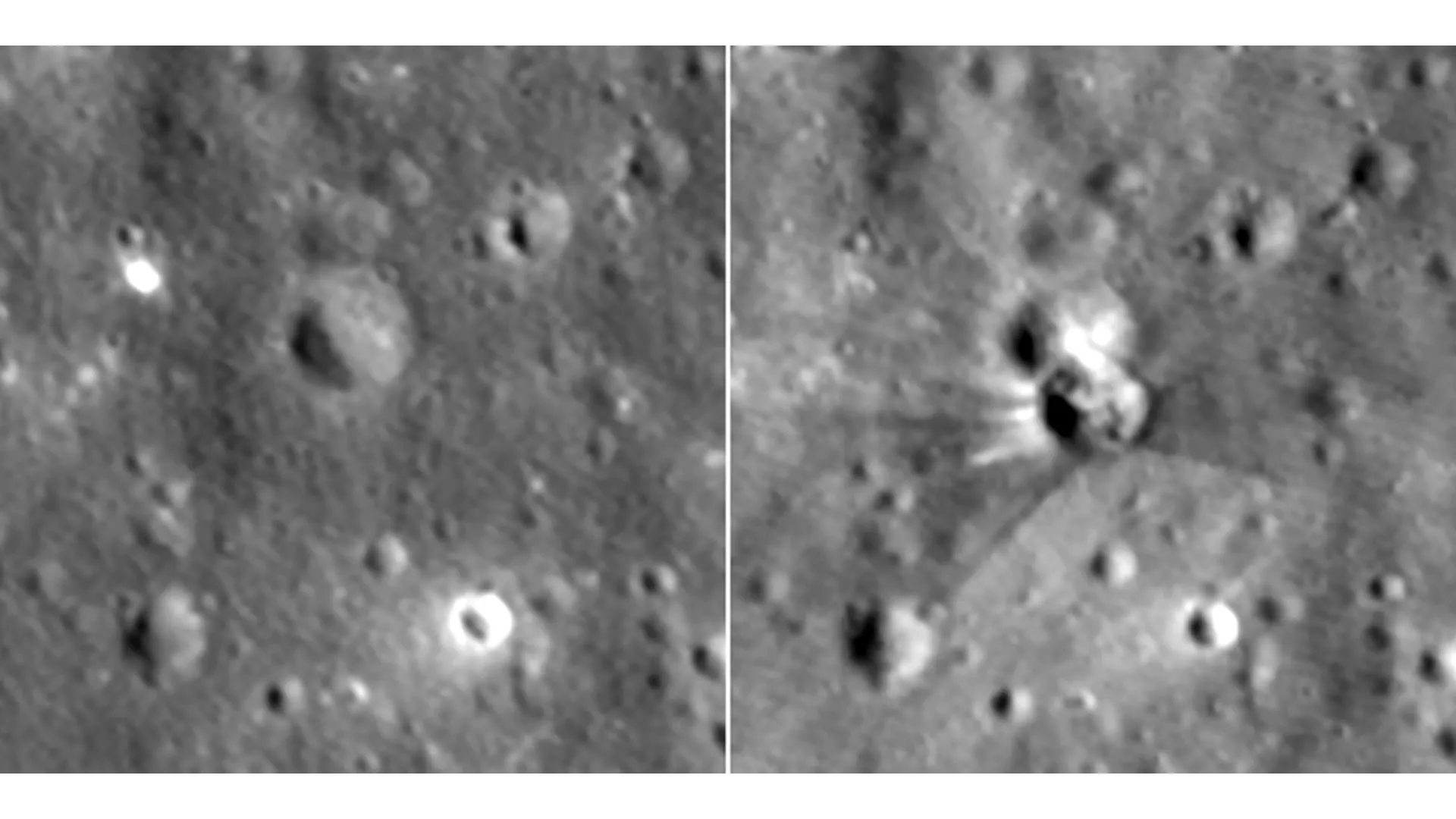
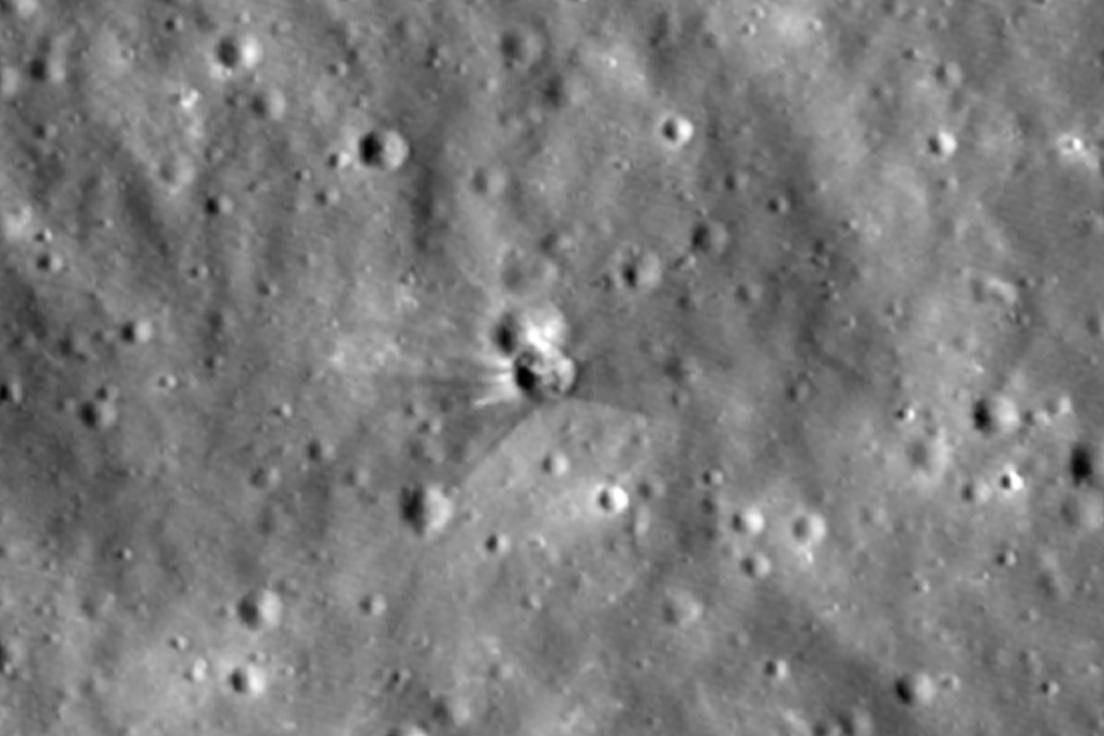
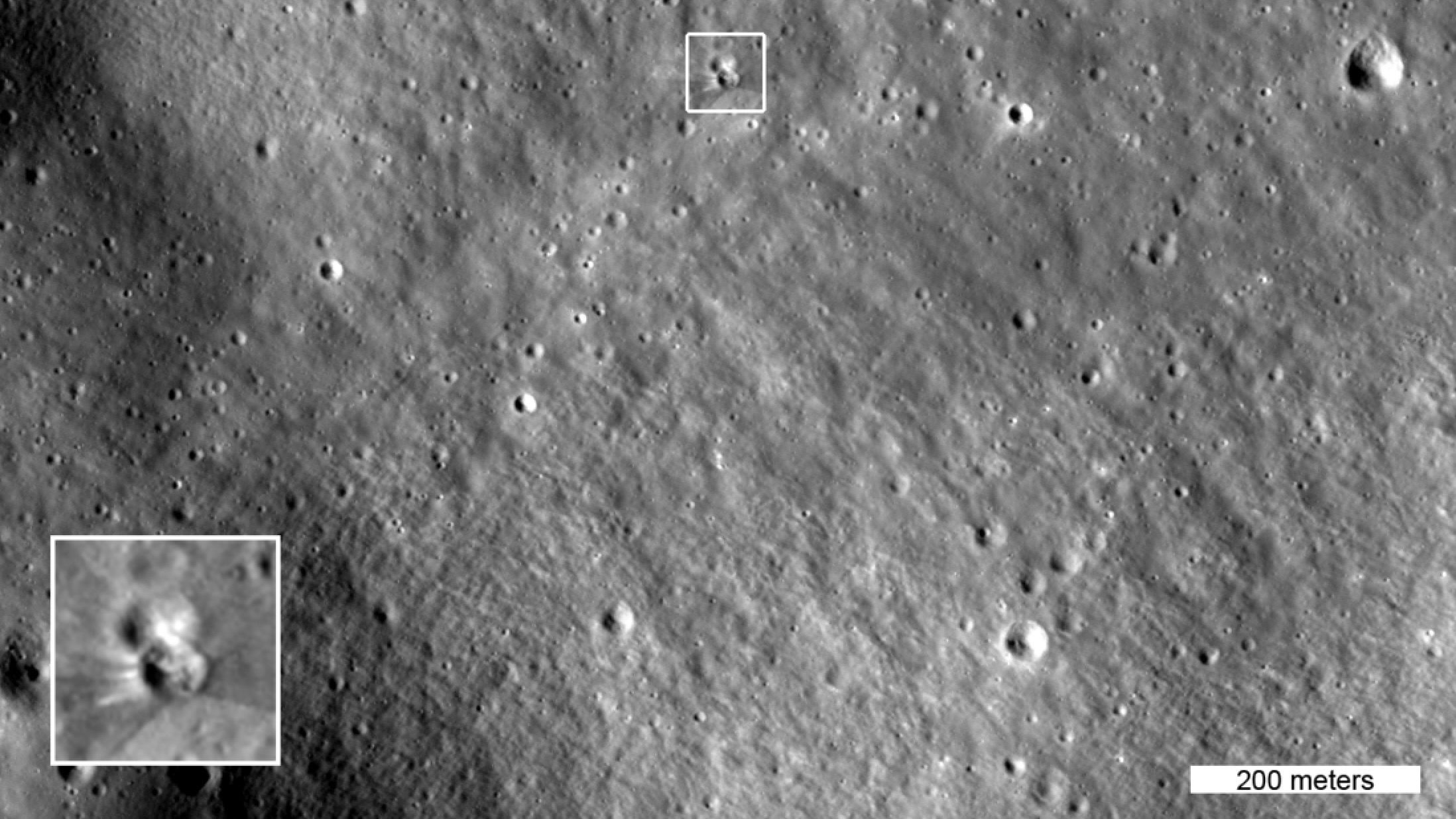
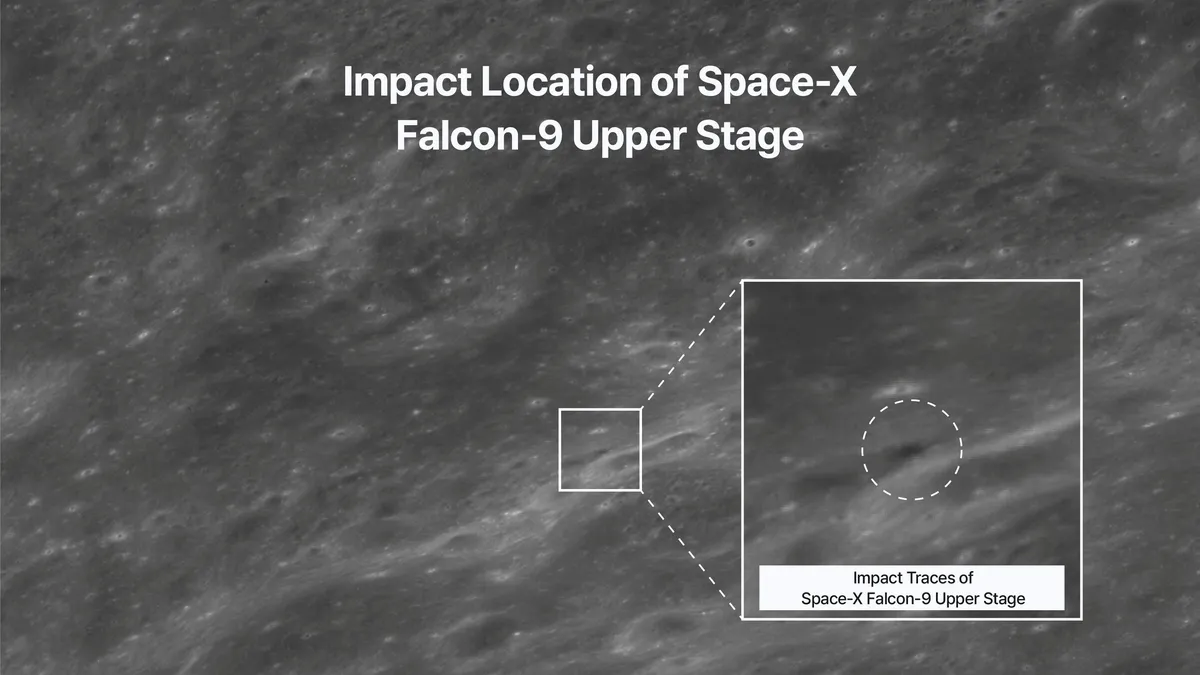
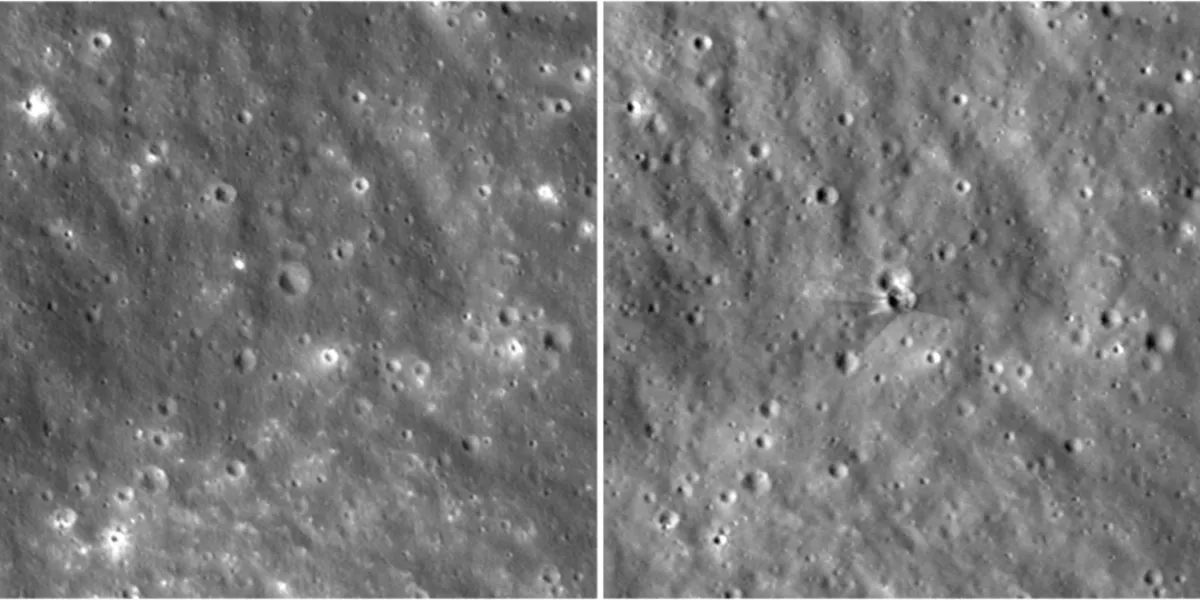
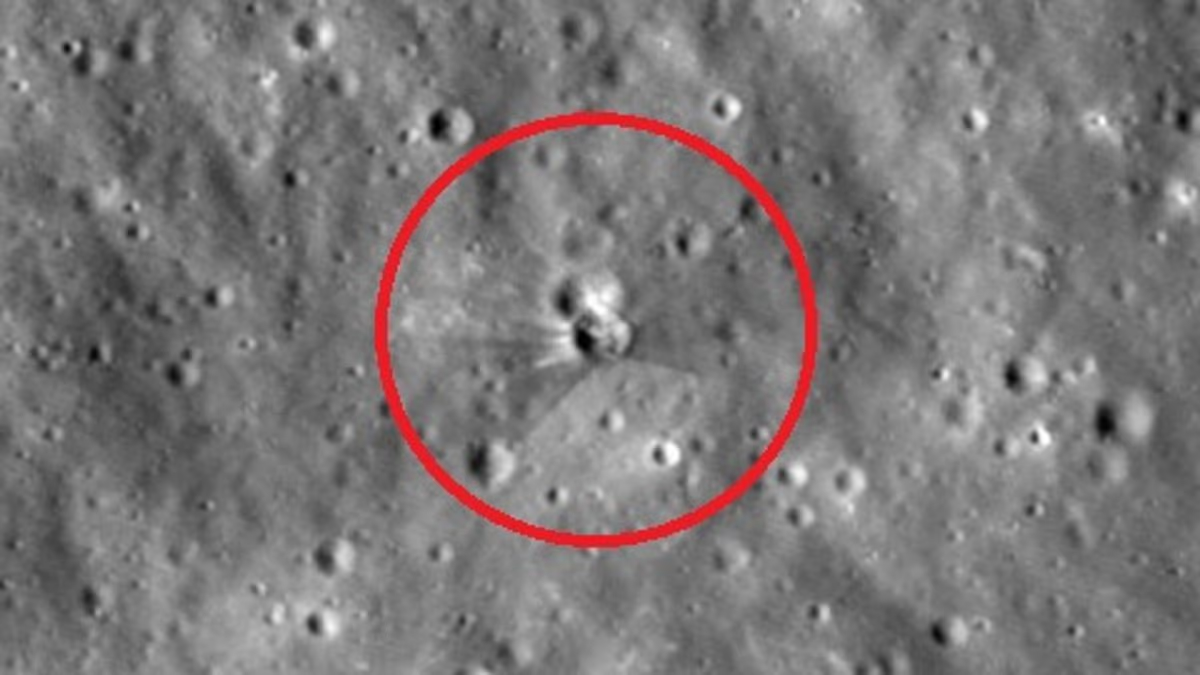
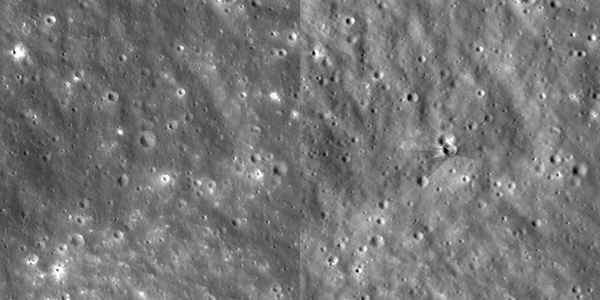
NASA released before-and-after images Tuesday of a crater left on the Moon by a crashing SpaceX Falcon 9 upper stage, showing a roughly 60-foot-wide, less-than-10-foot-deep impact site formed on Aug. 5.
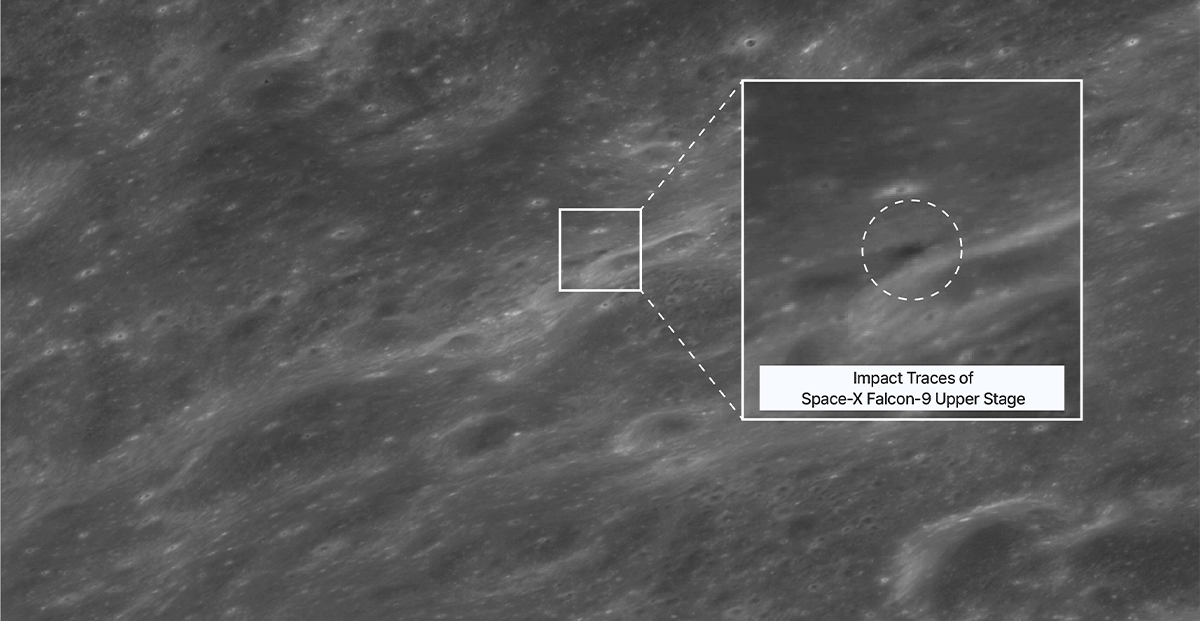
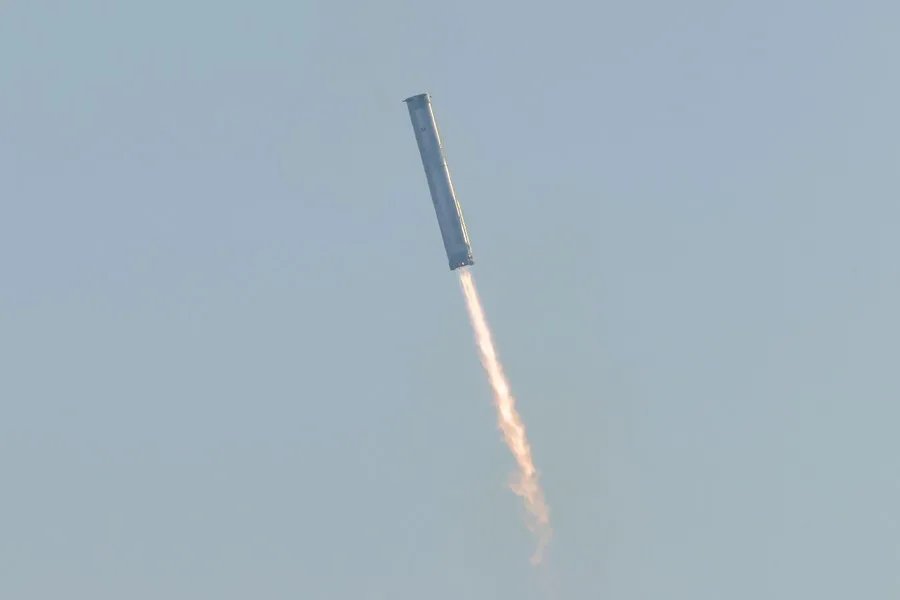
That upper stage originally carried the Firefly Blue Ghost 1 mission aloft in January 2025, and after its work was done it wandered through space until gravitational forces steered it toward the Moon, hitting at around 5,400 mph, according to the Associated Press.
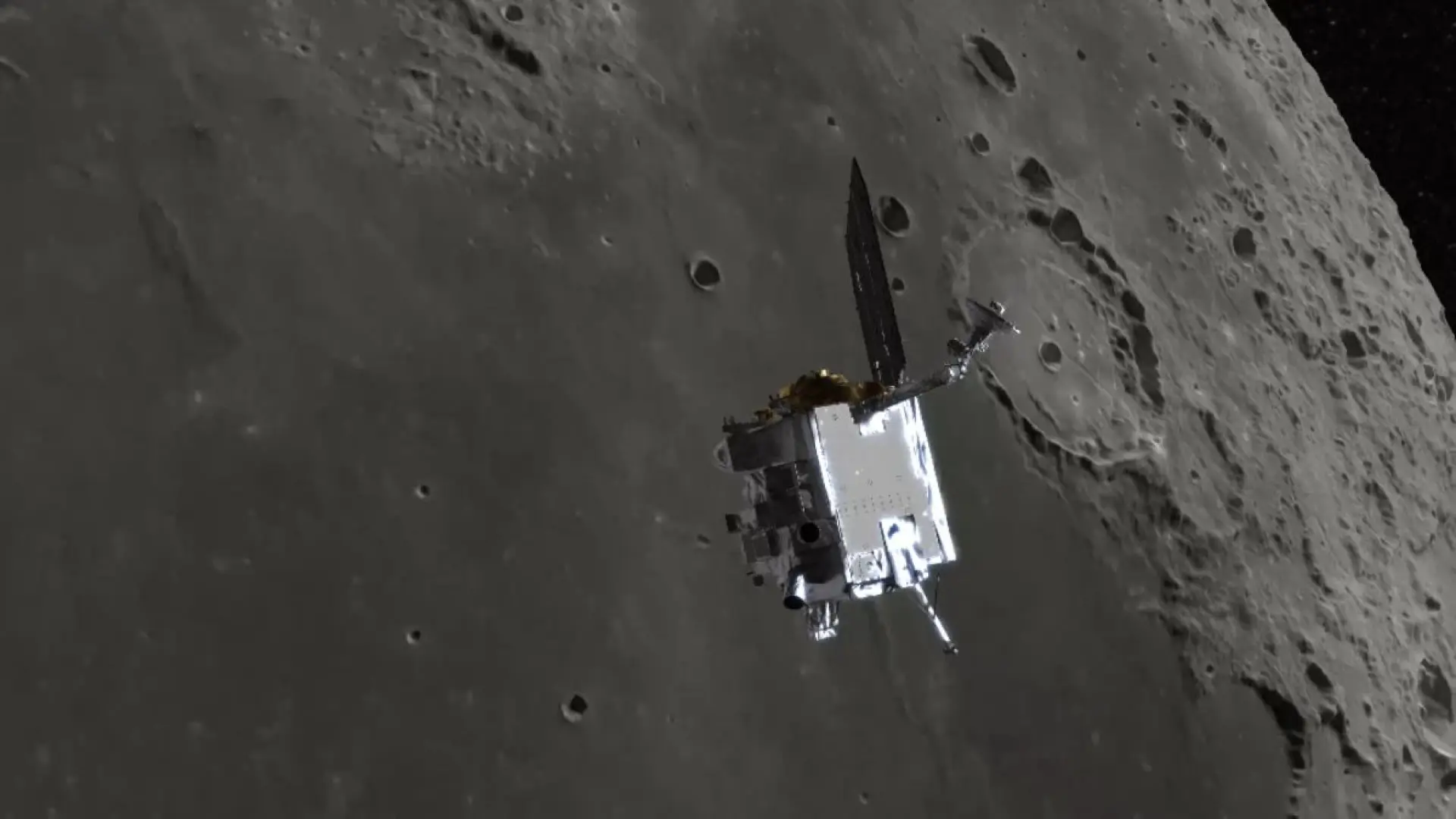
NASA's Lunar Reconnaissance Orbiter, which has circled the Moon since 2009, captured the imagery between Aug. 11 and 12 — six days after the impact — using its Narrow-Angle Camera, which can resolve features as small as 3 feet wide. Capturing the crater required mission engineers to reorient the spacecraft so its cameras faced the target zone during each pass roughly 60 miles overhead, with the orbiter moving at one mile per second. Because the orbiter loops pole to pole every two hours while the Moon slowly turns below, the impact site did not align with LRO's path until six days after the collision. Timing precision was critical: a 10-second error in triggering the camera would have caused the target to drift roughly 10 miles out of frame, NASA said.