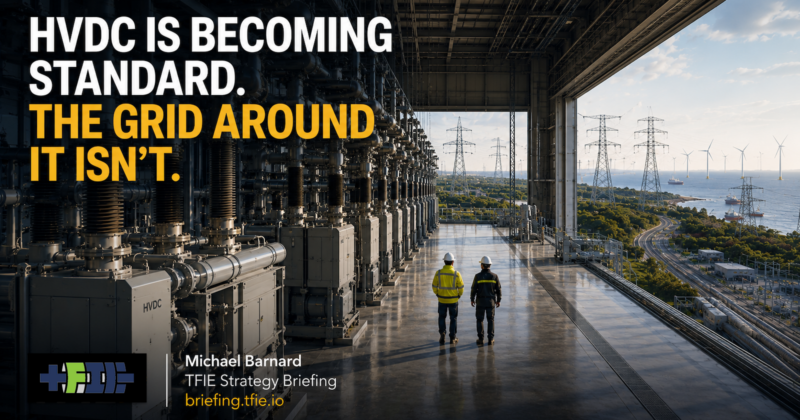
HVDC hardware is converging around repeatable 2 GW building blocks, while the surrounding grid still has to solve controls, interoperability and planning.
Support CleanTechnica's work through a Substack subscription, on Patreon, or on Stripe. Help us produce all of the high-quality, original content we publish week after week despite the challenges of content-scraping AI, antisocial media, inflation, and other hurdles.
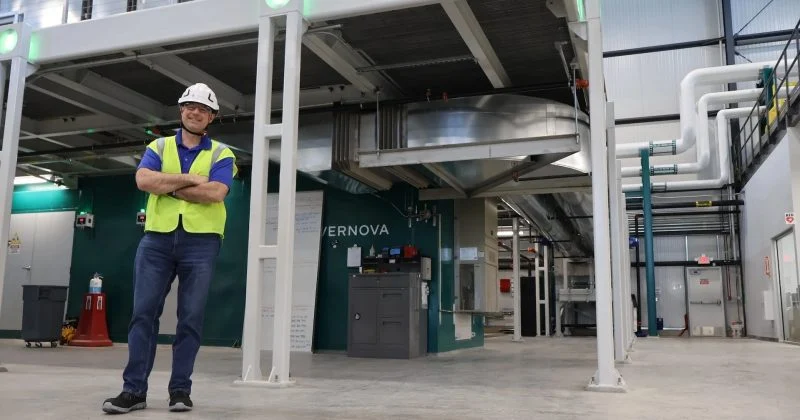
High-voltage direct current transmission used to look like a specialist technology reserved for unusually long lines, subsea links or awkward grid problems. That is changing. In a recent Redefining Energy conversation, Cornelis Plet, CTO of Grid Systems Integration at GE Vernova, described HVDC as something that is moving into the normal transmission planner’s toolbox rather than sitting off to the side as an exotic developer proposal.
The clearest sign is physical standardization. Plet says the European market is converging on 2 GW, 525 kV HVDC as a repeatable building block, with common converter configurations and bipolar designs. Other regions are developing their own patterns, including 3 GW projects in the United States and India. Repetition at that scale matters because manufacturers, cable suppliers, transformer factories and project developers can build around a product family instead of treating every project as a fresh engineering exercise.