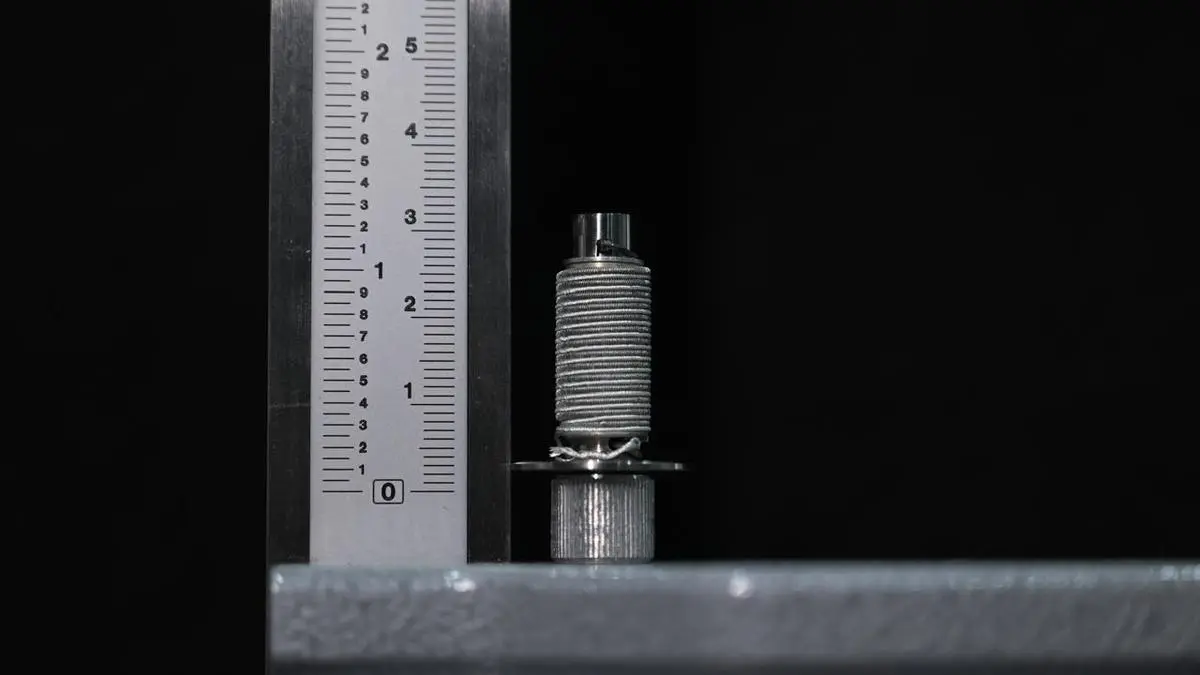
An infrared sensor has a problem: it works by detecting heat, and at room temperature the sensor generates enough of its own that the signal it is looking for disappears into the noise.
Trying to pick out a distant heat source with a warm detector is like trying to see a candle while standing next to a bonfire.
The solution is to make the sensor very cold, around minus 196 degrees Celsius, at which point its own noise falls away, and the faint signal comes through.
Doing that inside a device that has to be small, light, and work immediately on demand is a specialised engineering problem.
has built one.