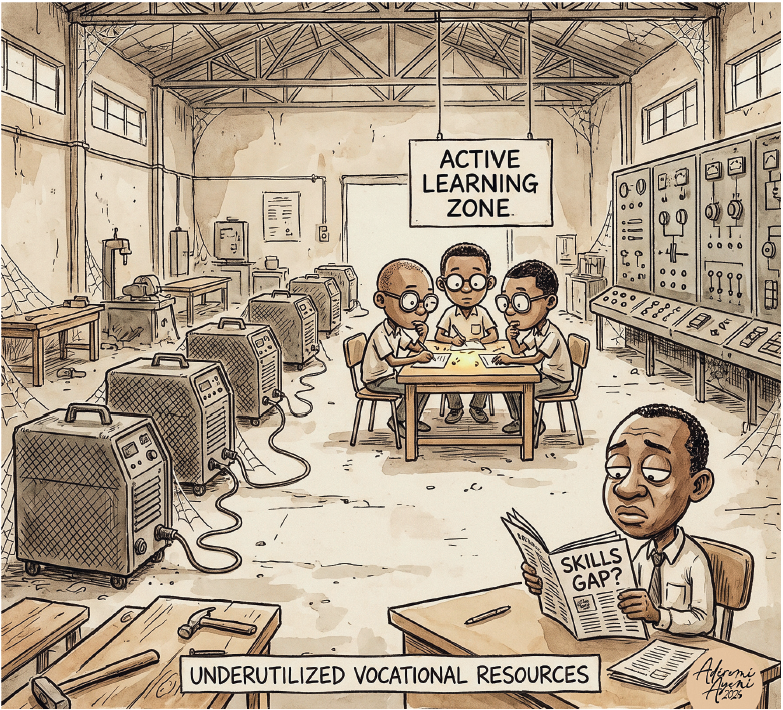
Nigeria is an incredibly blessed country. Rich in natural resources and superbly endowed with first-class human capital. We have capable individuals with the aptitude to lead institutions and great minds that could lead the world. Unfortunately, what Nigeria lacks is something far less visible and more consequential: the structured systems that deliberately and patiently groom individuals to sustain the nation’s future. Oftentimes, we celebrate talent, but we rarely build the scaffolding required to turn that talent into institutional continuity. This gap, more than any other factor, explains why so many Nigerian institutions rise on the strength of a single exceptional figure only to falter the moment that person departs.
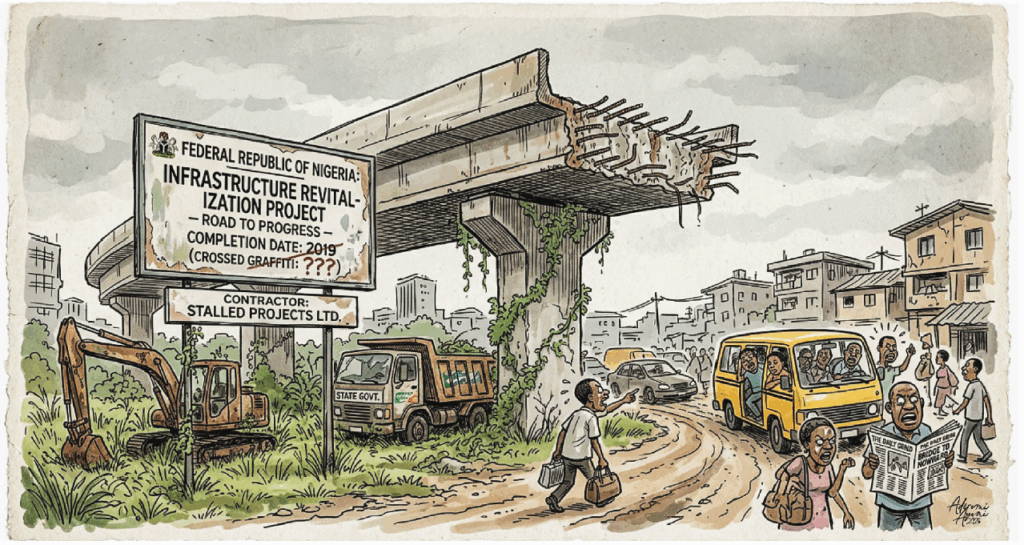
This pattern of fragility is evident across sectors. In the public sphere, Nigeria’s state-owned enterprises and ministries have long been staffed by capable civil servants. Yet, leadership at the apex is frequently determined by political appointments rather than internal pipelines. A permanent secretary or agency head arrives with a mandate tethered to a political cycle; when that cycle ends, the institutional direction shifts with it. In most states, deputies are rarely empowered as heirs apparent; they are subordinates managing the paperwork of today, not custodians being prepared for the decisions of tomorrow. Consequently, the public sector resets every few years rather than compounding its expertise. Only Lagos State is trying to change that narrative, leaving us with hope that there is a glimpse of light in the tunnel of leadership succession in Nigeria.