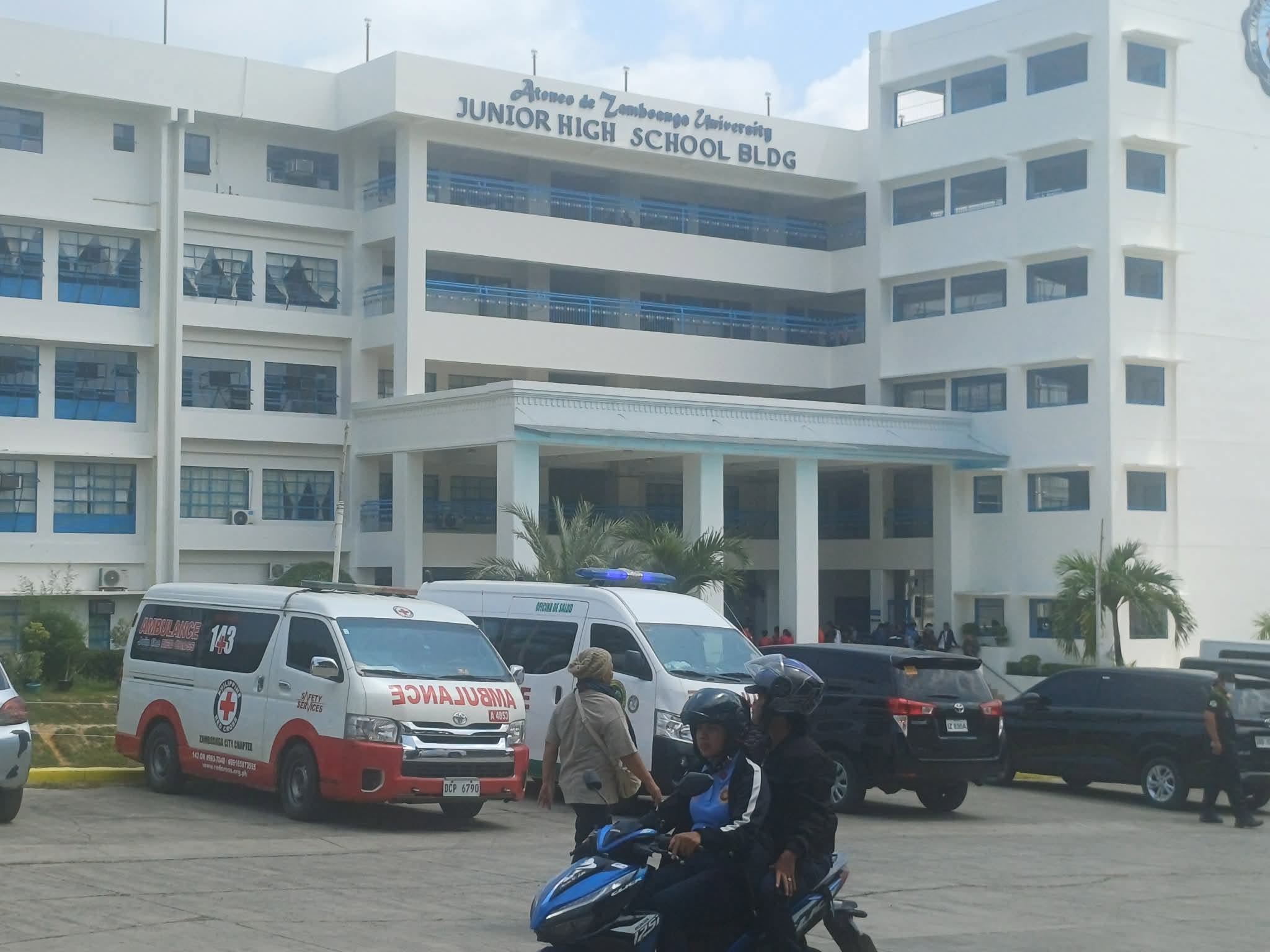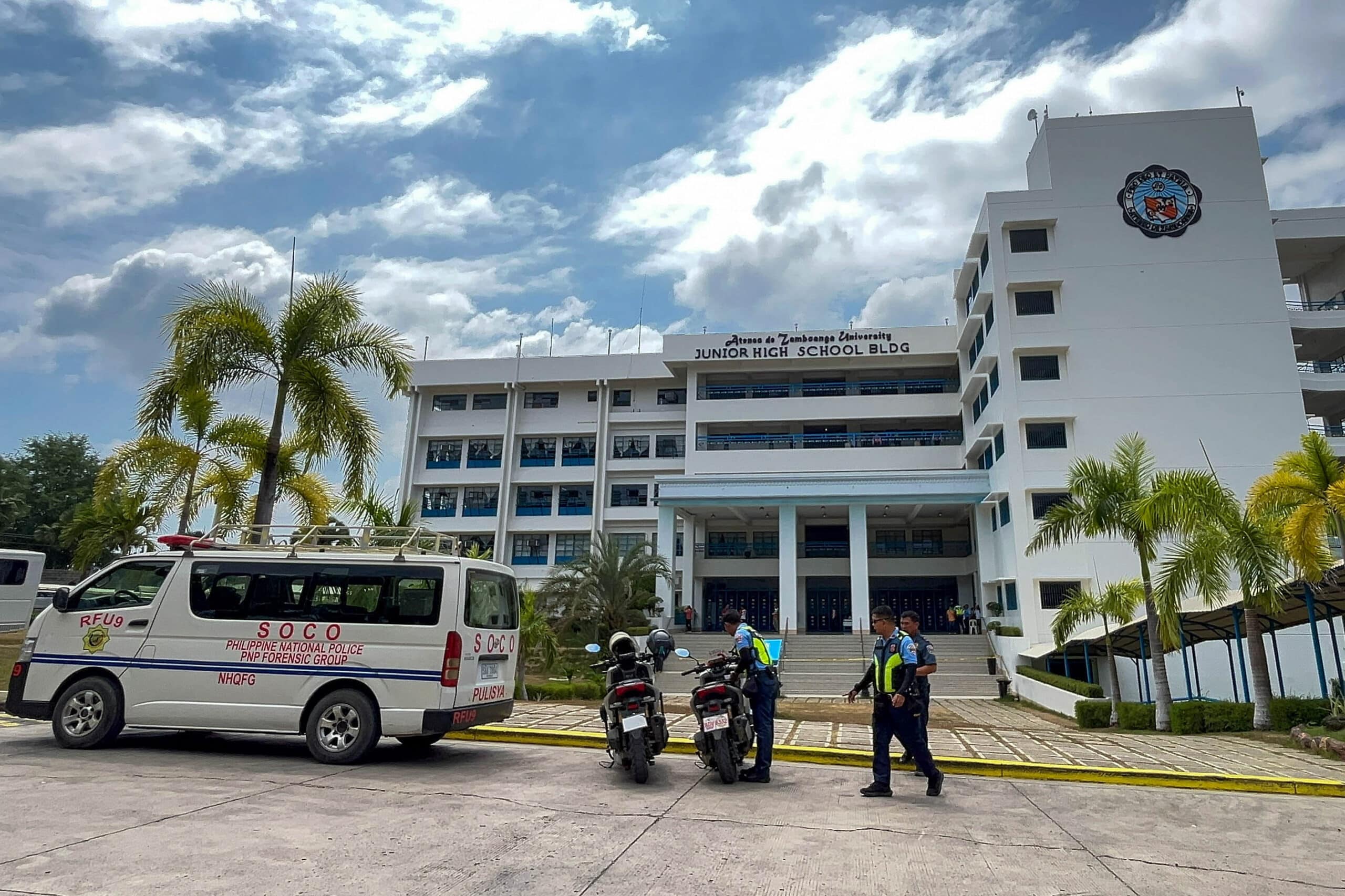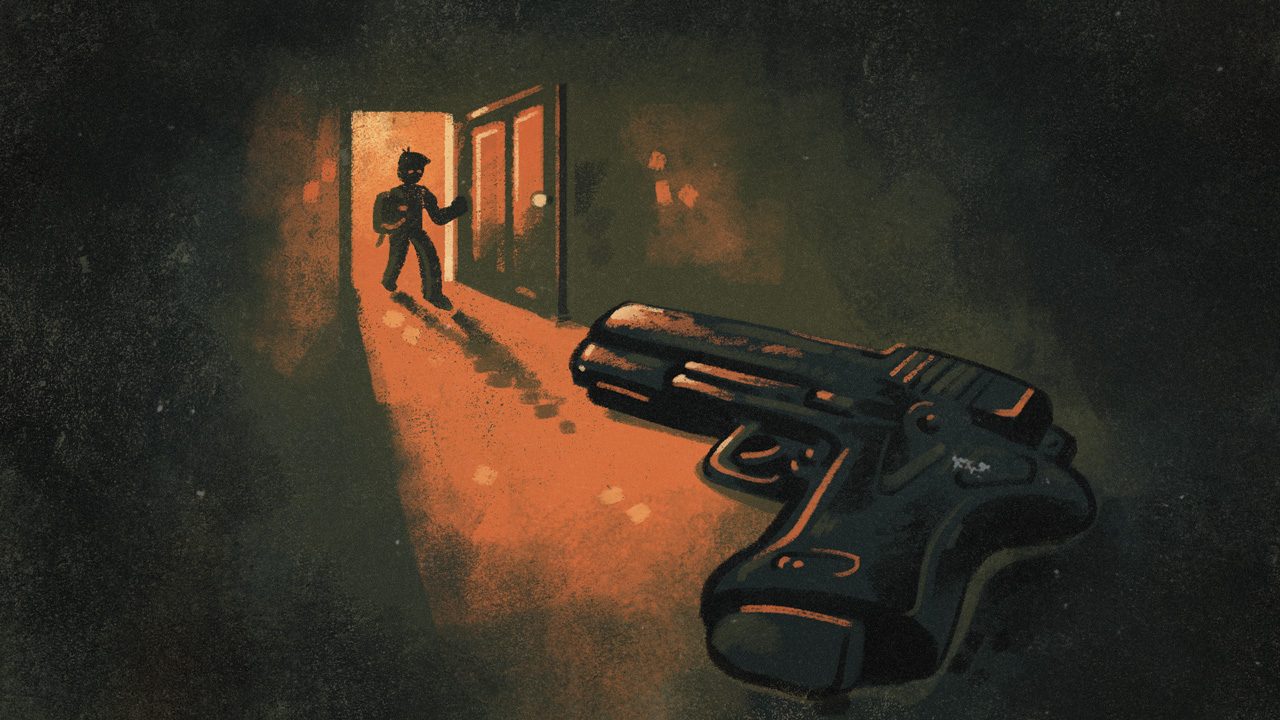
As I write this, families and students in Zamboanga are confronting a grief that no school community should ever have to carry. Initial reports say that a junior high school student entered the Ateneo de Zamboanga University Junior High School campus with two guns, killed another student, and then died by suicide. The investigation is still developing. We should therefore speak carefully about motive, responsibility, and how the weapons were obtained.
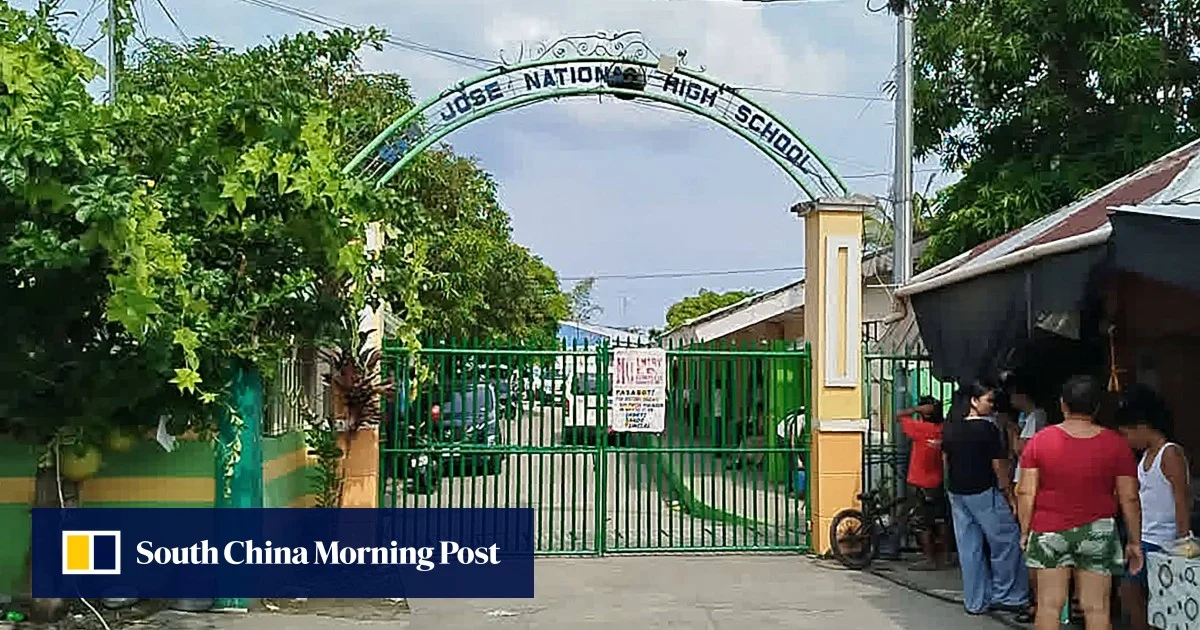
What is already clear is that this tragedy came less than two months after the shooting at the San Jose National High School in Tacloban City, where three students were killed and 20 were injured. Two deadly school shootings in such a short period can no longer be dismissed as isolated events. Together, they demand a national response.
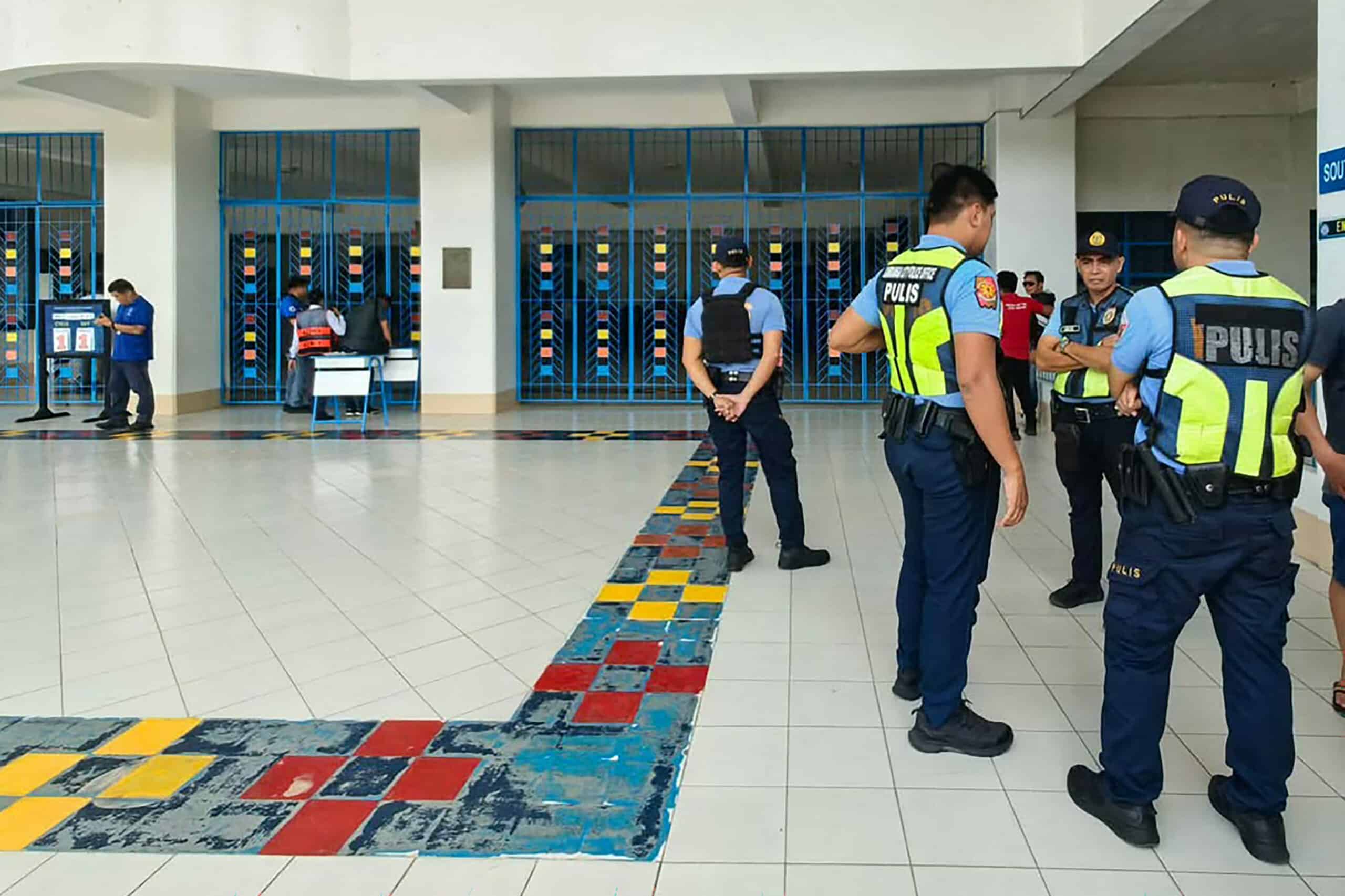
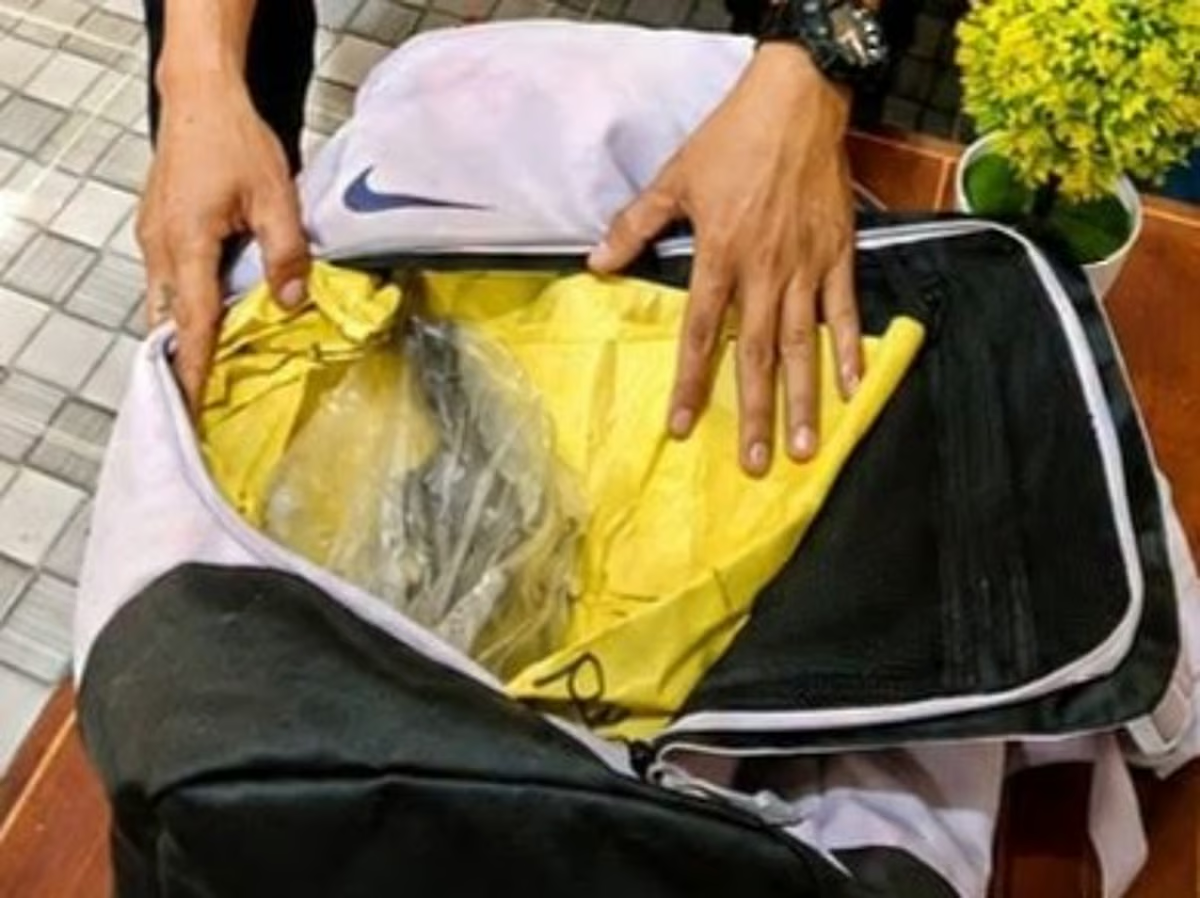
The immediate instinct will be to place more guards at school gates, inspect every bag, install metal detectors, and conduct active-shooter drills. Some of these measures may be necessary, especially where risk assessments identify clear vulnerabilities. Yet they begin at the final point in a much longer chain. By the time a child arrives at school carrying a gun, several systems have already failed.
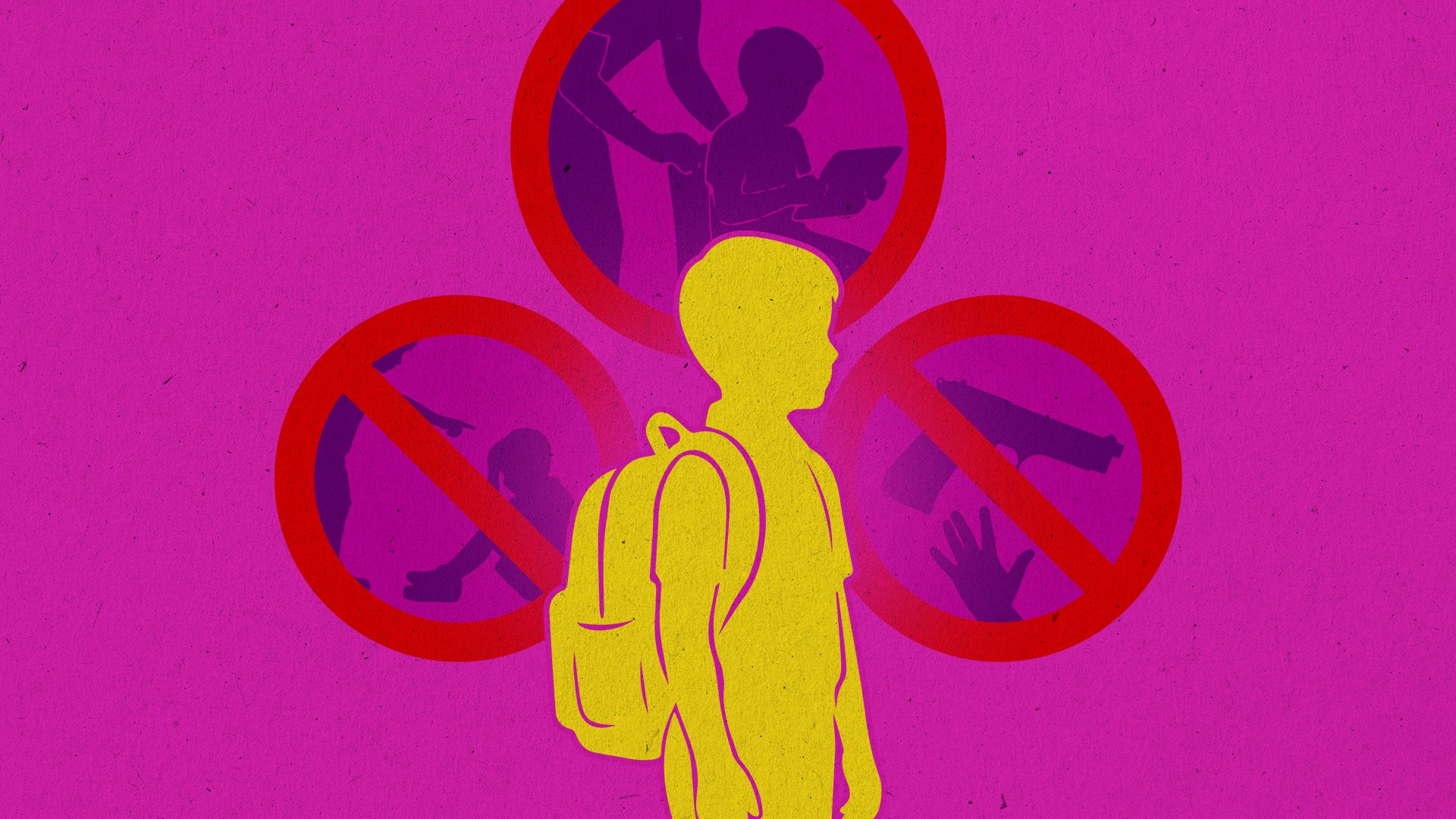
A school shooting begins long before the first shot. It begins when a gun becomes accessible to a child.