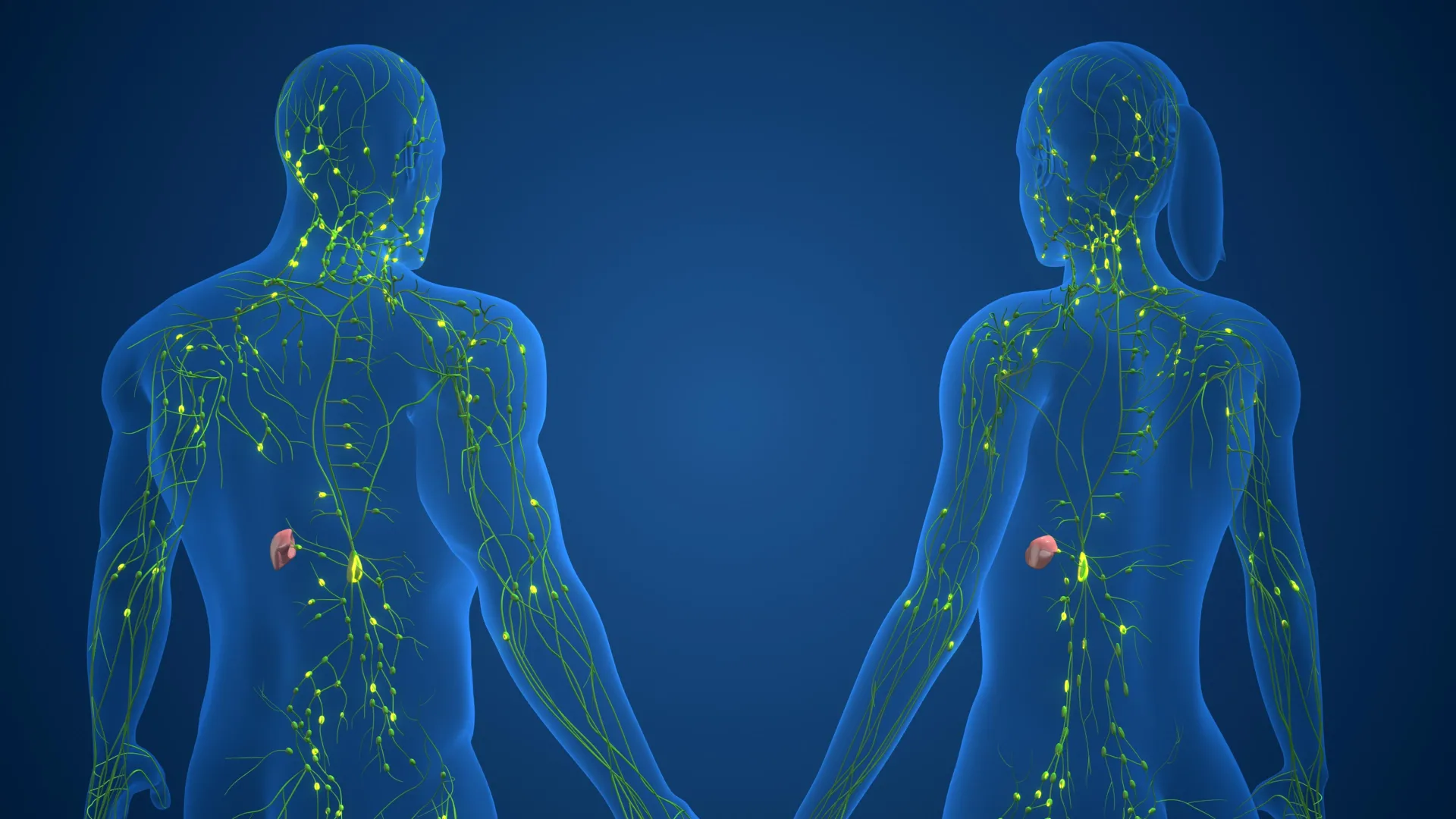
Women are diagnosed with autoimmune diseases far more often than men, and new research from the Garvan Institute of Medical Research and UNSW Sydney may help explain why. Autoimmune diseases occur when the immune system mistakenly targets the body's own healthy tissues. Lupus, for example, can affect as many as nine women for every one man, yet the genetic factors behind this striking difference have remained poorly understood.
Researchers have now identified more than 1,000 genetic switches that behave differently in female and male immune cells. These differences appear to contribute to greater activity in inflammation-related pathways in females, offering a new biological explanation for why women may be more susceptible to autoimmune disease.
The findings, published in The American Journal of Human Genetics, provide further evidence that diseases can develop and appear differently in males and females. They also reinforce the importance of including both sexes in medical research, which has historically depended heavily on male study groups.
"Our findings show that the immune system needs to be studied with sex in mind. Even though we know men's and women's immune systems differ, many studies still overlook these differences, which can limit how well we understand disease, and in turn bias treatment options," says Garvan's Dr. Seyhan Yazar, first author of the study.