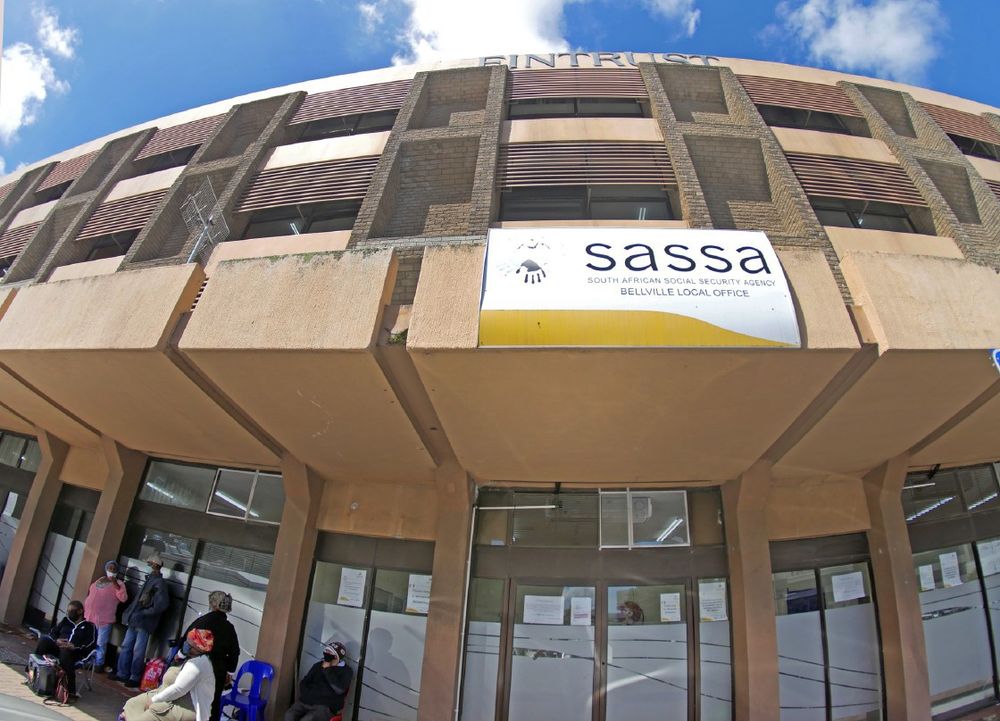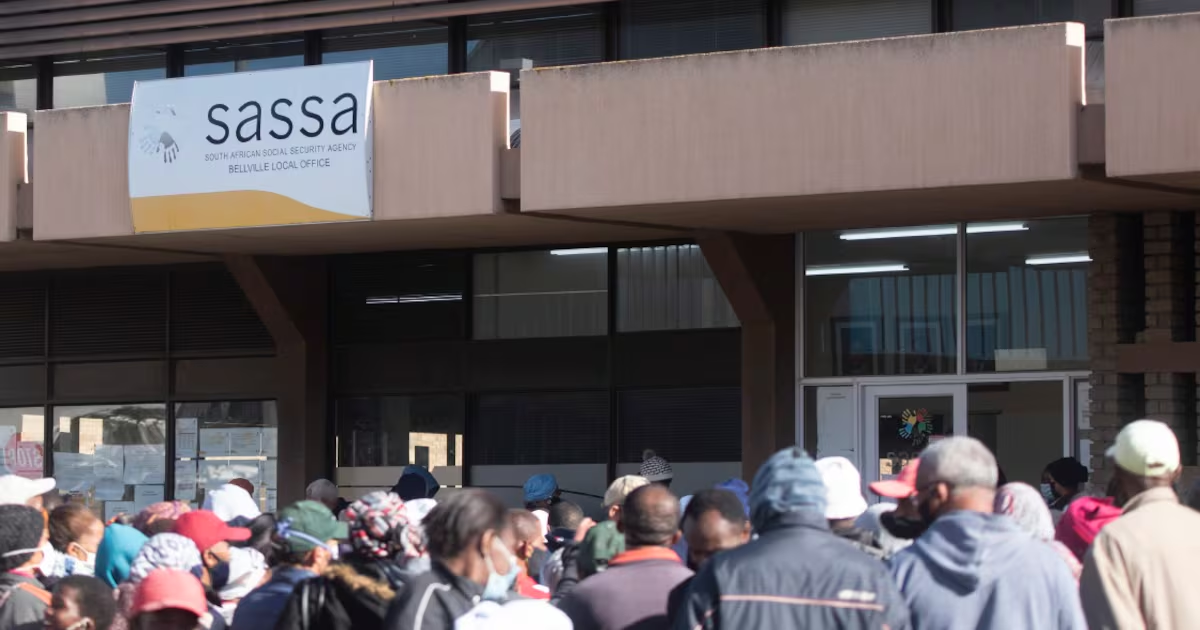
As the Supreme Court of Appeal prepares to hear a landmark case on August 25 about eligibility for social assistance, new data from Stats SA’s Income & Expenditure Survey (IES) backs evidence submitted to the high court in Pretoria in 2023. This showed that there is an extremely high rate of exclusion from the Covid-19 social relief of distress (SRD) grant. About 10-million deeply impoverished people are unfairly shut out of the lifeline of R370 a month.The SRD grant is the first and only social assistance in South Africa for working-age adults who have no other means of supporting themselves. It has been crucial in mitigating hunger and, according to the department of social development’s own data, is overwhelmingly used to buy food. Despite its low value, it is also a meaningful stimulus, buoying local economies, supporting entrepreneurship and improving recipients’ chances of finding work.The number of people eligible for the SRD grant has long been disputed and is at the heart of a court case the Institute for Economic Justice (IEJ), along with the grassroots organisation #PayTheGrants, brought against the government in 2023.In January 2025 the Pretoria high court found that critical aspects of the SRD grant system were unlawfully designed in a way that excluded millions of people who should otherwise qualify.To qualify for the SRD grant people need to be aged 18-60 and receive less than R624 a month in “income” or “financial support”. That threshold was set in 2022, when R624 was roughly what it cost to avoid going hungry ― the official food poverty line. Since then, the cost of a basic diet has risen sharply. Stats SA now puts the 2023 food poverty line at R777 and by this year it had increased to R855. The SRD threshold is stagnant at R624.Estimating the number of people eligible for the grant has previously been difficult. Estimates by local and international researchers have clustered around 16.5-million. The department of social development repeatedly referred to a figure of 18.3-million back in 2022 but did not reveal a source or methodology.Now new data from Stats SA’s IES gives us the clearest picture yet of who actually needs and qualifies for this grant. It shows that 18.32-million people in the eligible age group had income below the R624 threshold in 2023. That is remarkably close to the department’s 2022 estimate.These insights from the IES reinforce two problems with the administration of the SRD grant. The first is the frozen threshold. The data shows that 70,000 people who could not afford enough food in 2023 no longer qualified for the grant, simply because the cutoff was never adjusted. As food prices keep rising and the threshold stays the same, more people in real hunger are pushed out each year.A second problem is how the rules define — or rather, fail to define — financial support. As things stand, any money deposited into a person’s bank account, whether a payday loan, a funeral policy payout or a one-off donation from a relative, can be counted against them and used to disqualify them from the grant. This blunt and automated system is responsible for the majority of wrongful exclusion in the SRD grant system.Adjusting for people genuinely receiving other financial support, like spousal maintenance (about 9.5%, based on IEJ survey research), we still land on 16.6-million people who should qualify. Yet the government only funds about 8.5-million grants a month, and payment failures mean closer to 7-million people are actually paid. That leaves a gap of nearly 10-million people who meet the criteria but are shut out.The National Treasury claims there is simply no money to comply with the high court ruling and increase the number of people receiving the SRD grant. This is a short-sighted view. Adequate social assistance would unlock the economic potential of more than 16-million people of working age. • Dr Howson is a senior researcher and project lead, and Baduza a junior researcher, in social security at the Institute for Economic Justice.
KELLE HOWSON AND SIYANDA BADUZA | How many people should really be getting the SRD grant?
Outdated income threshold for social relief of distress grant and the definition of what constitutes ‘financial support’ leave millions without aid
665 words~3 min read