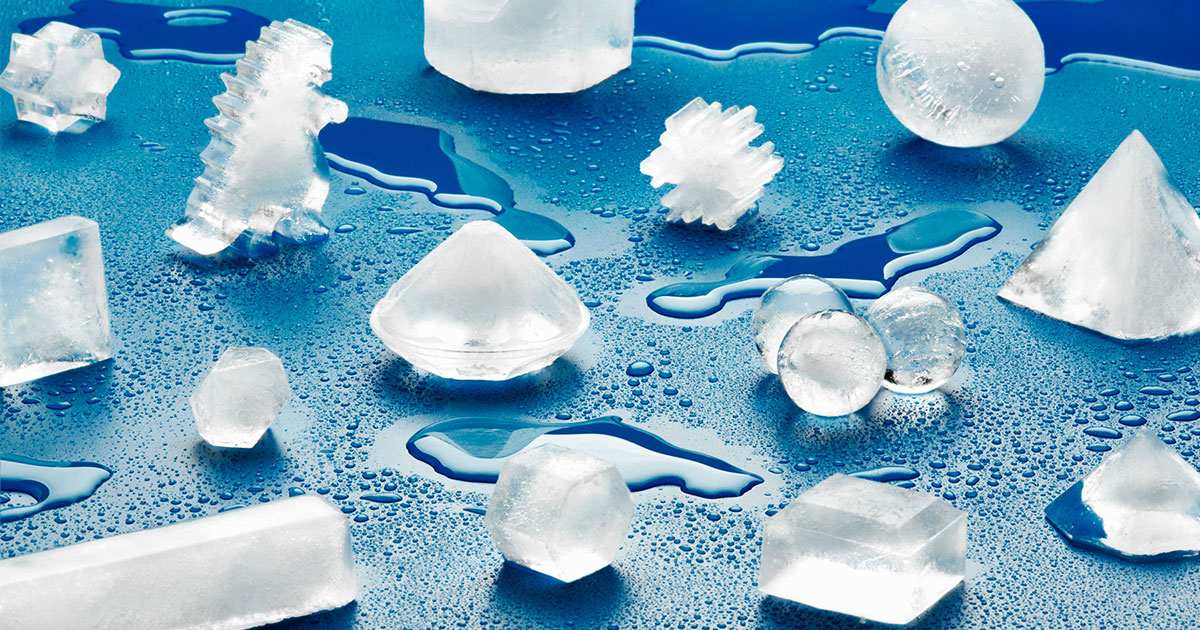
A glass of ice water offers a familiar example of two phases existing at the same time. The same substance can appear as both liquid water and solid ice. In certain quantum materials, different phases can also coexist, although the underlying behavior is far more complex.
MIT physicists have now uncovered new details about how two distinct forms of electron organization can emerge within the same quantum material.
The findings, published in Nature Physics, could improve scientists' understanding of materials that display superconductivity, magnetism, and other electronic phases. Learning how these phases arise and interact could eventually help researchers gain greater control over electronic properties and develop more powerful quantum devices.
"People believe the cornerstone of replacing silicon lies in quantum materials that have multiple coexisting phases," says co-author Alfred Zong PhD '20, who co-led the study as an MIT graduate student and is now an assistant professor at Stanford University. "Our experiment provides a very neat way to study these multiple phases."
An Atomic Checkerboard of Electrons