The human brain is continuously processing enormous amounts of information. Even something as familiar as driving requires several mental tasks at once. The brain must remember the route, recall how to control the vehicle, and respond to unexpected developments such as a road closure or shifting traffic conditions.
A brain network known as the frontoparietal cortex plays a major role in managing this flow of information. It receives signals from throughout the brain, determines which information is most important, and helps coordinate the appropriate response.
New research from the University of Iowa offers a more detailed look at how this system works when people face uncertainty while making decisions. The findings show how the frontoparietal cortex helps organize information and coordinate responses involving both the brain and the body.
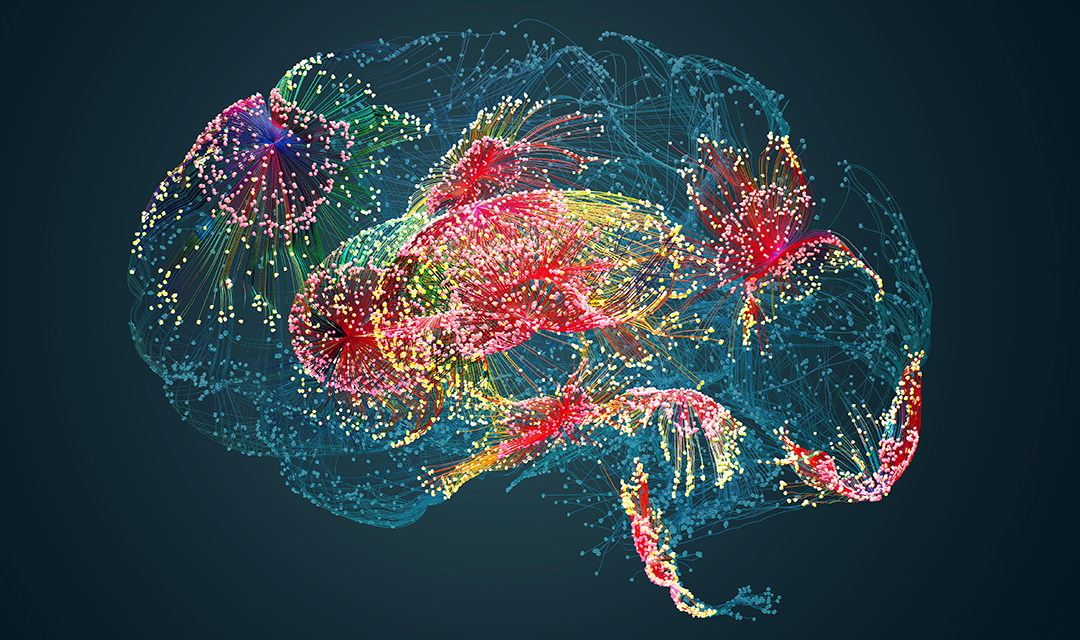
University of Iowa researchers have provided new insight into the brain's information hub, known as the frontoparietal cortex. In this illustration, colored areas identify frontoparietal regions that track uncertainty as participants encounter changes in associations they had previously learned. Image courtesy of Kai Hwang lab, University of Iowa.
How the Brain Changes Its Communication