Academia
The state is spending billions to guard its borders against foreign adversaries, while leaving its own citizens stranded when the earth beneath them gives way.
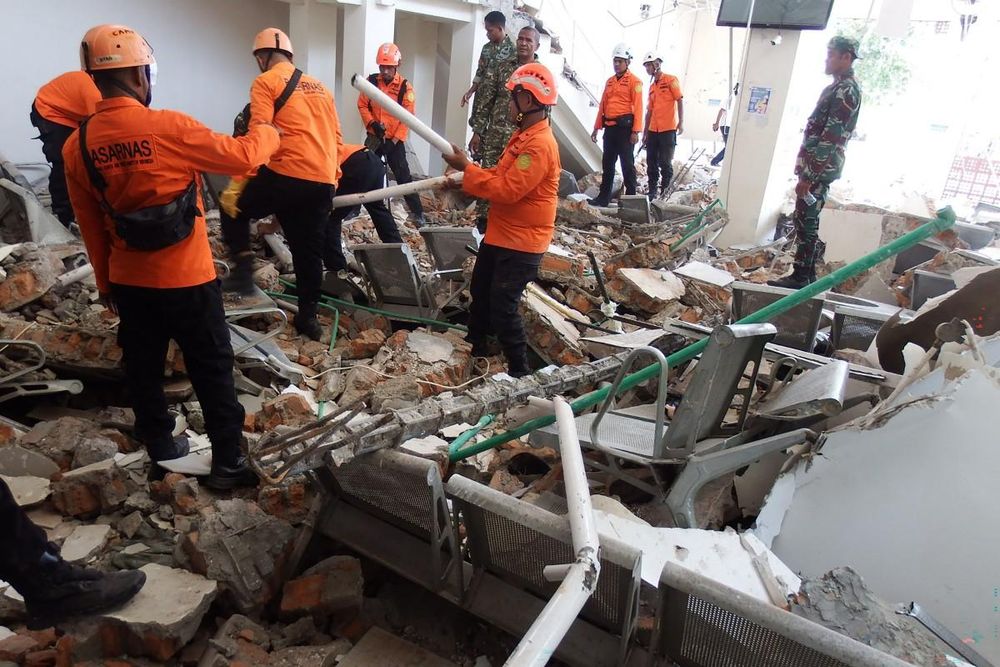
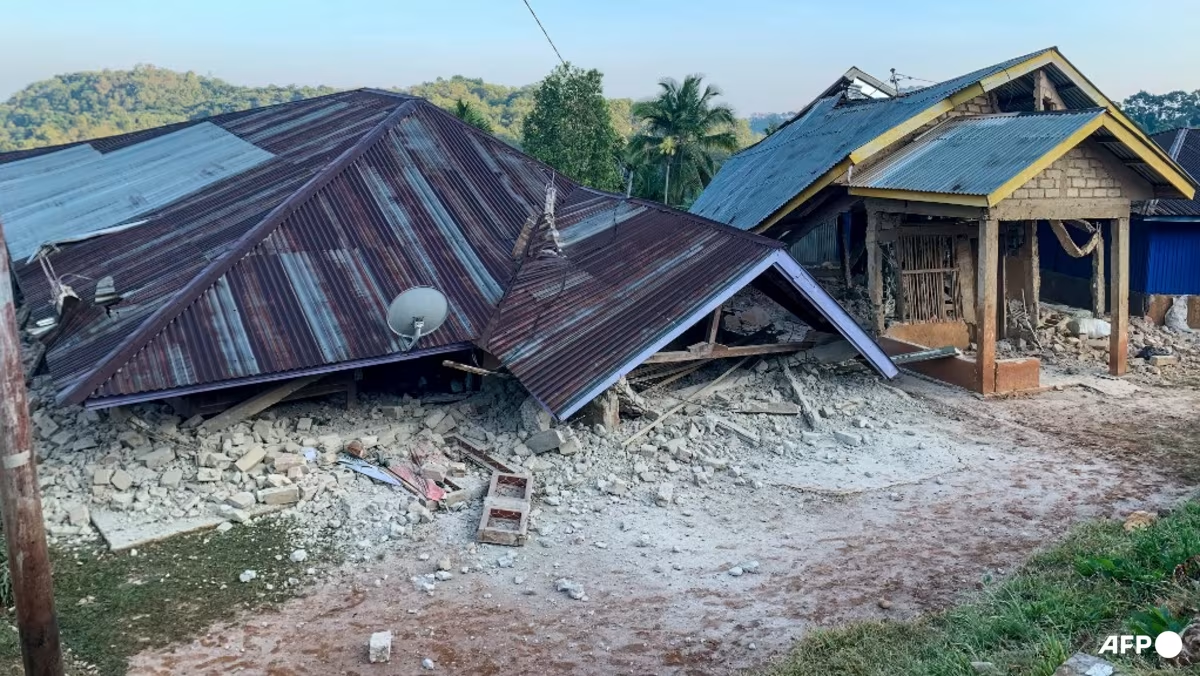
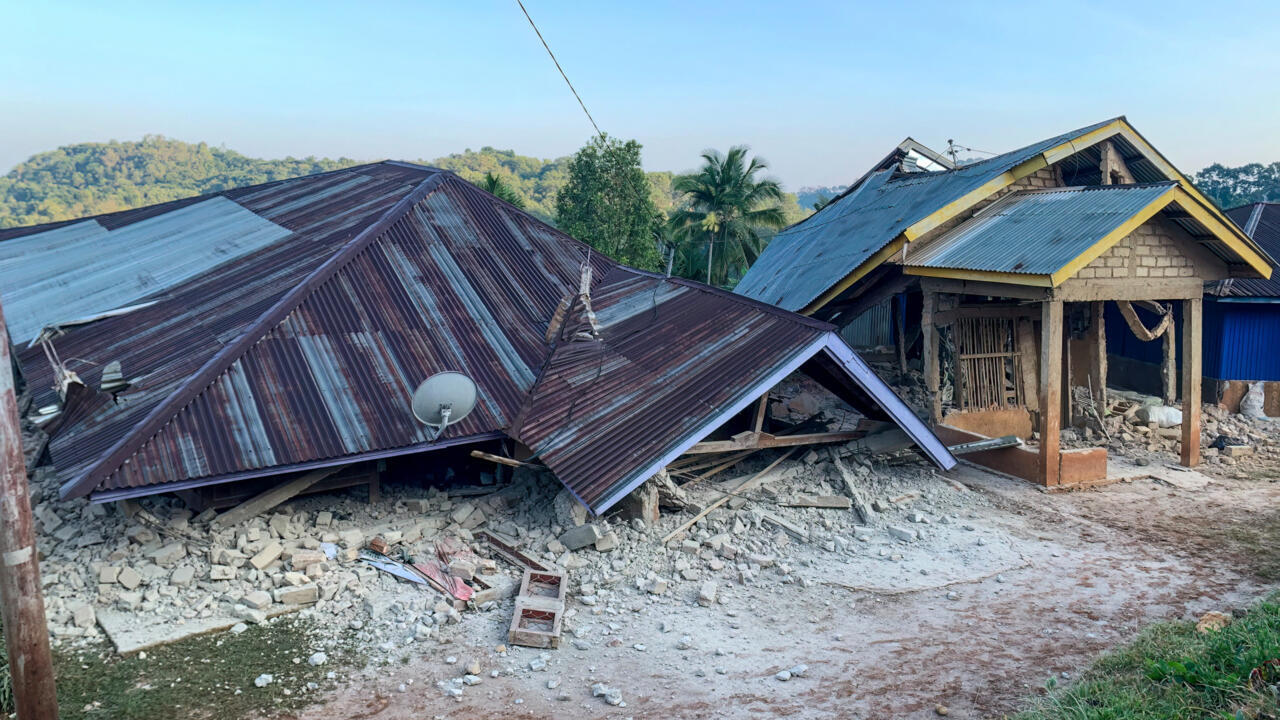
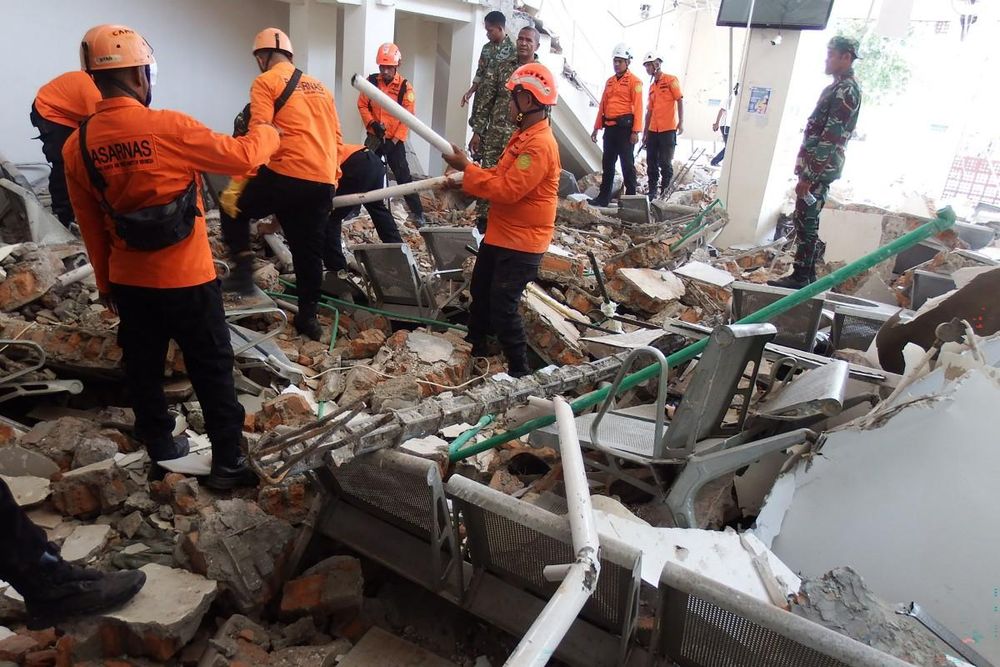
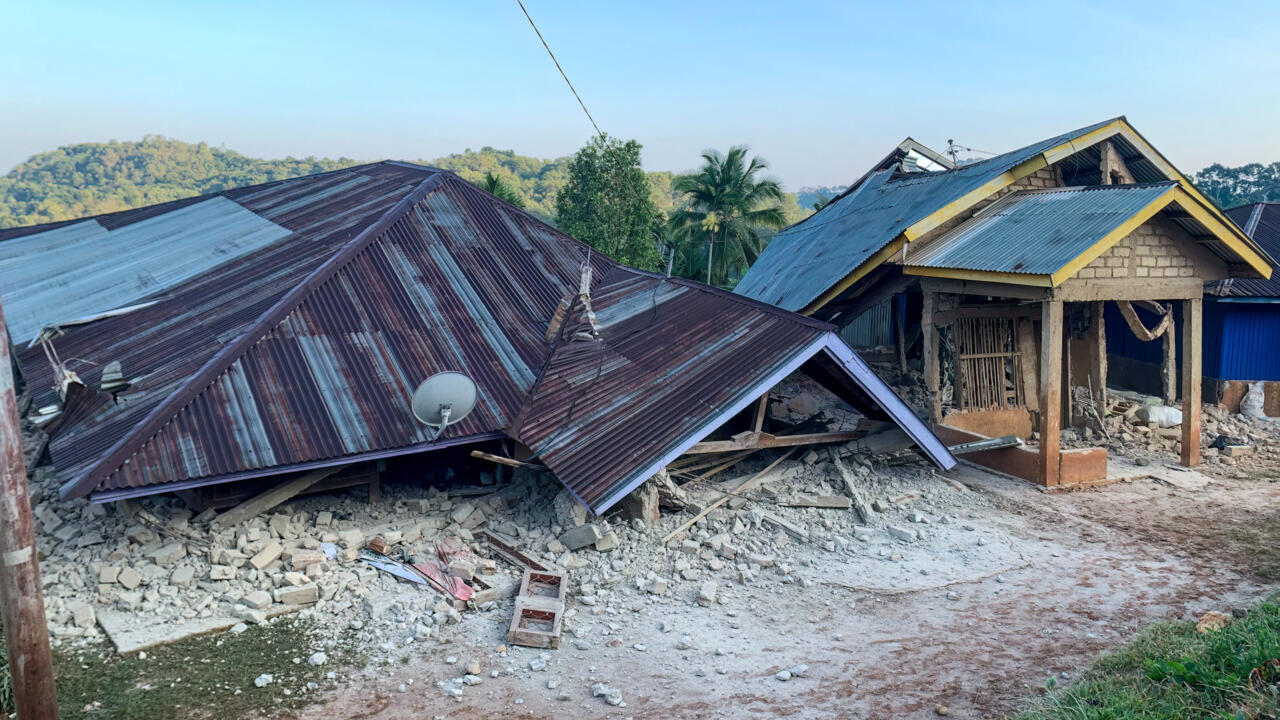
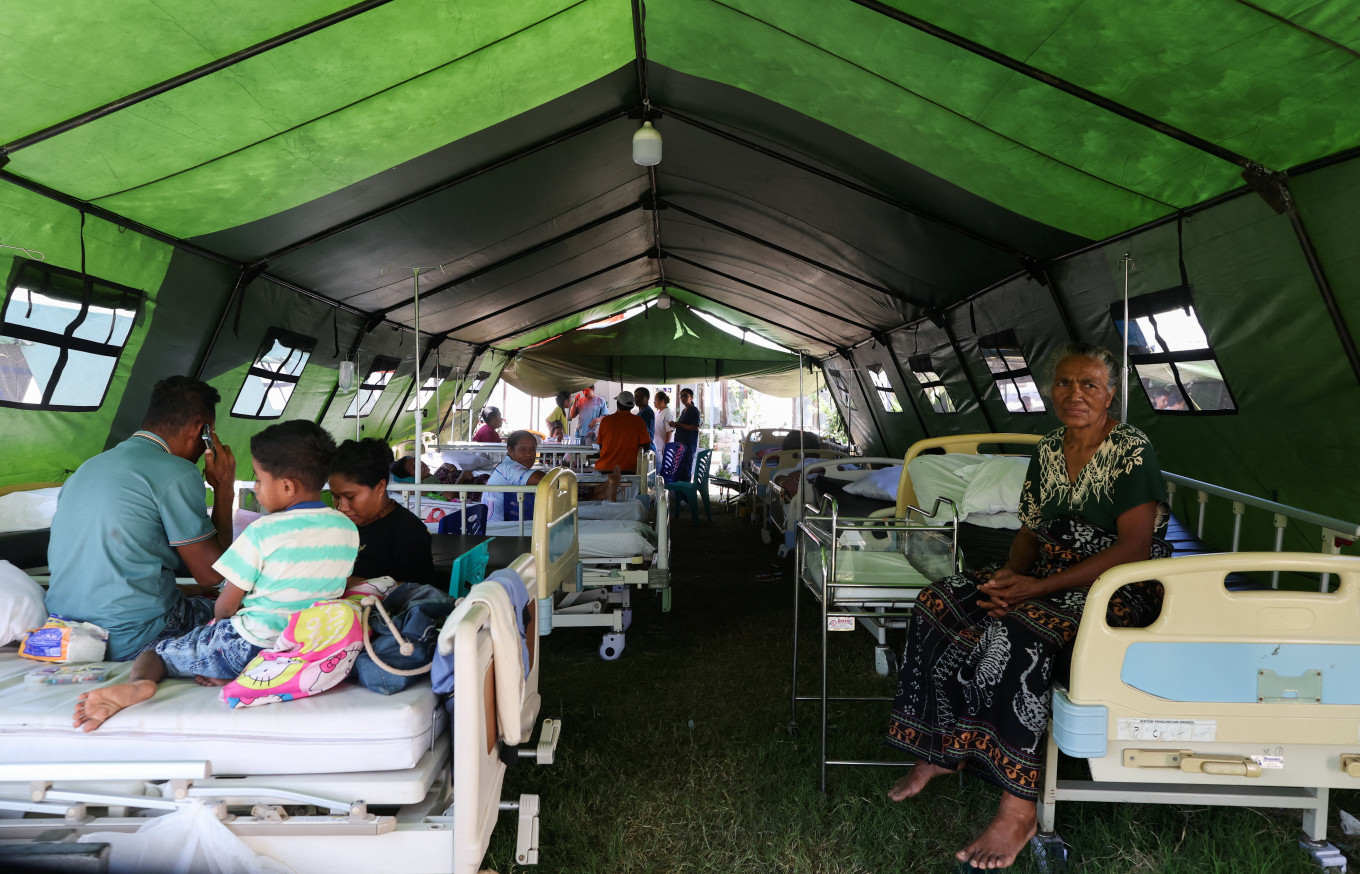
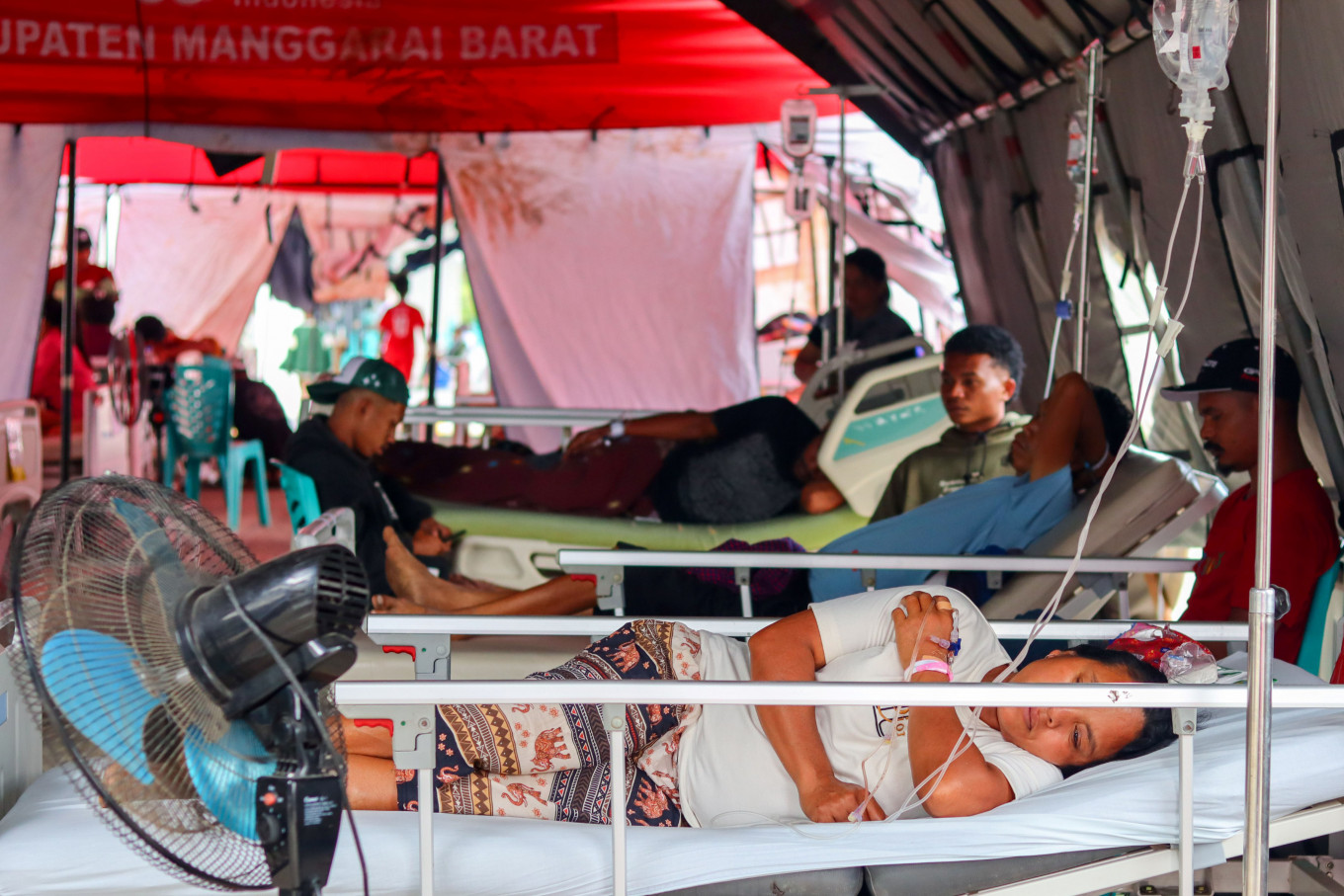
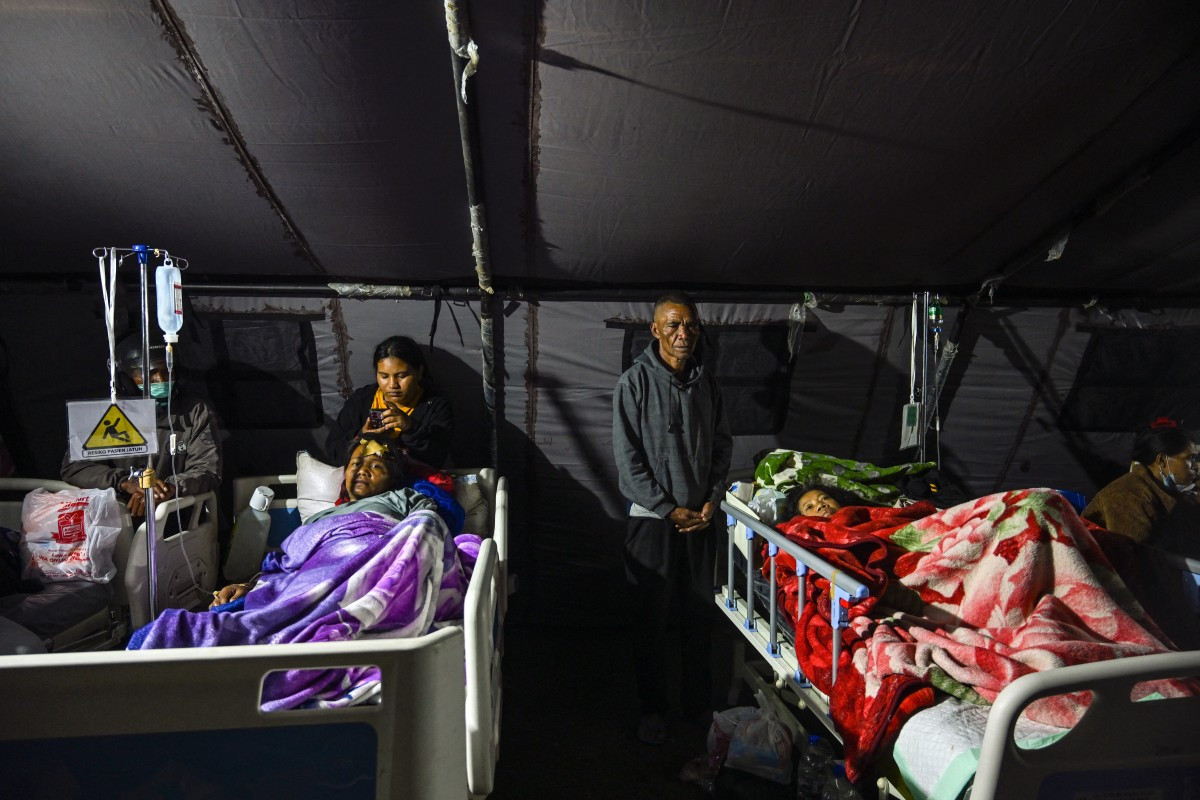
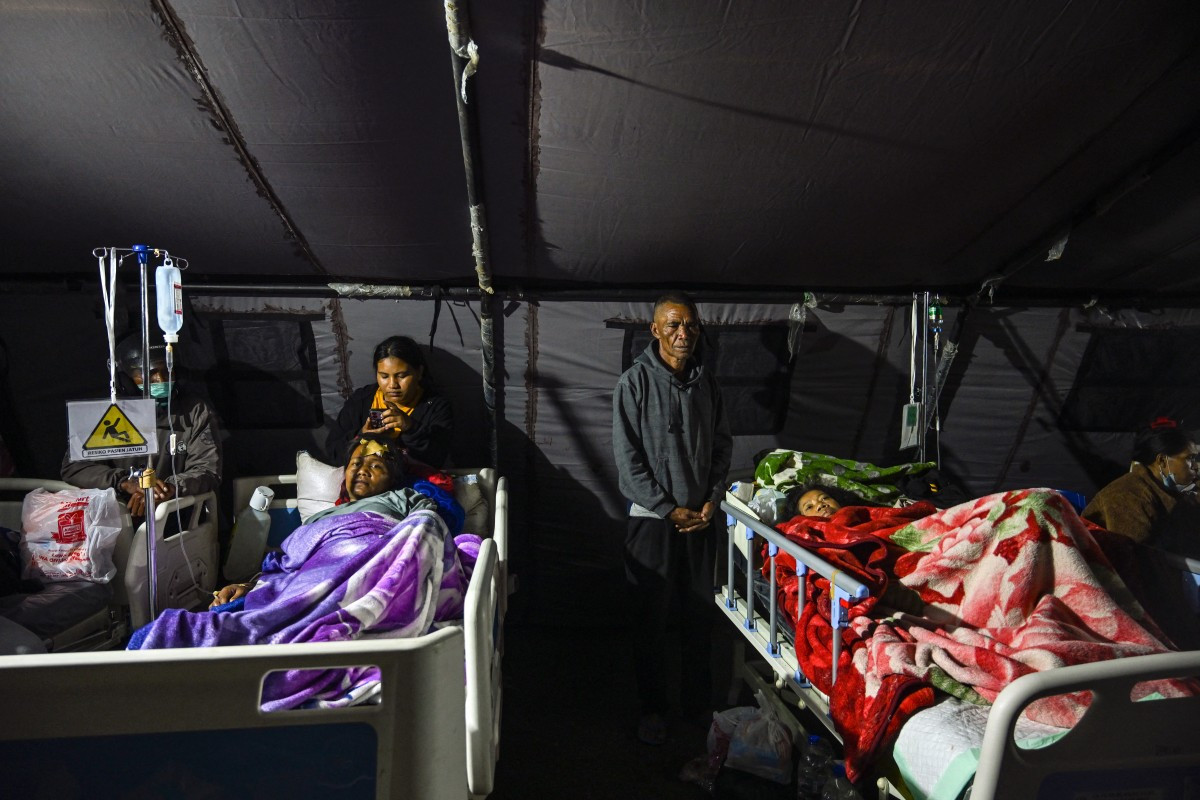
Earthquake victims are treated in a temporary medical tent due to fears of aftershocks, on August 15 in front of the Ruteng hospital in Ruteng, Manggarai, East Nusa Tenggara (NTT). Rescuers combed through debris for survivors after a powerful earthquake struck off Flores Island, killing at least 47 people, according to disaster officials. (AFP/Juni Kriswanto)
On Aug. 16, the deputy social affairs minister made an admission that belonged in a defense briefing: The ocean swell was too high, and the ships could not move. Forty-eight tons of rice and Rp 4.52 billion (US$ 237,823) in relief sat stranded in the East Nusa Tenggara capital of Kupang while thousands slept in the open across the strait. Twelve hours later, there was still no update. No one knew whether the sea had calmed, only that the rice had not arrived.By day three, the magnitude-7.7 Flores Sea earthquake had claimed 68 lives and injured 213, according to the National Disaster Mitigation Agency (BNPB). Yet the deeper issue is not the casualty count. For nearly 40 hours, the state struggled simply to show up. That failure reveals a fundamental blind spot in how Indonesia spends its defense budget.