Surprise U.S. tariffs. A war involving Iran. New American tech bans and Chinese export controls. The list of geopolitical shocks that CEOs must be mindful of, let alone plan for, keeps getting longer.
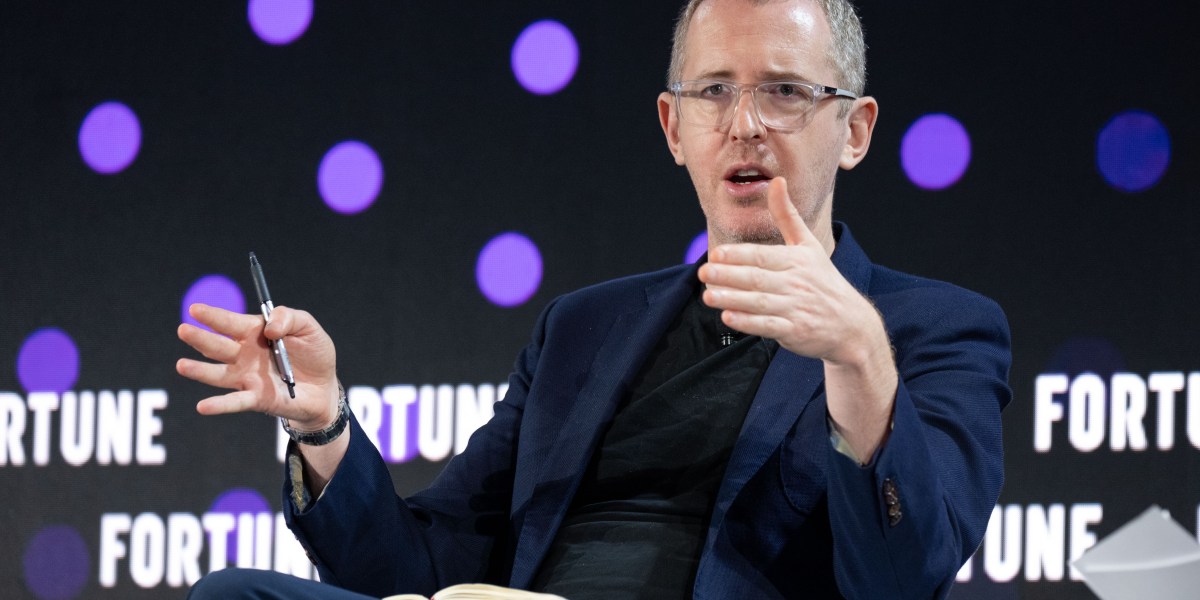
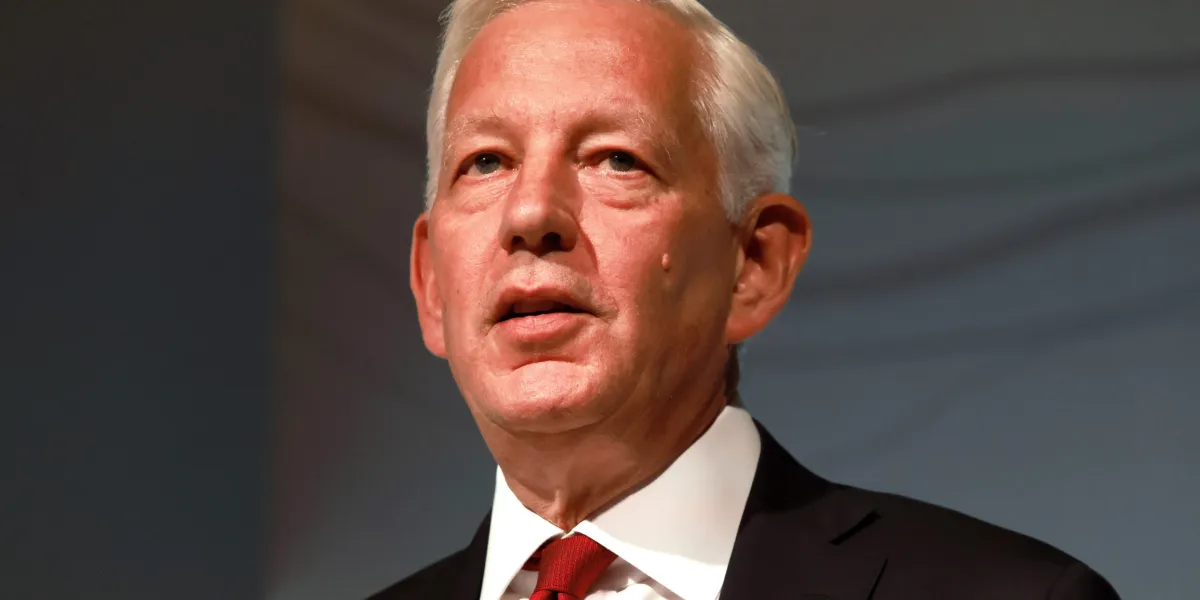
“We’re in a world where all the assumptions about international institutions, free trade, a rules-based order—that’s all going away,” said Dominic Barton, strategic counselor to Eurasia Group and chair of Australian mining giant Rio Tinto.
Barton spoke with Fortune days after U.S. President Donald Trump imposed 50% tariffs on some Canadian goods including autos, dairy, and alcohol. The president had also threatened tariffs in response to wildfire smoke drifting across the border. “Fifteen years ago, there would have probably been diplomats bringing this forward,” he said. “Now it’s just tweeted.”
(Just to show how changeable things are, on Aug. 19 Trump announced—on social media—that he will delay the new Canada tariffs by three days as the two countries near a deal).
Barton is a veteran McKinsey leader turned Canadian diplomat turned Rio Tinto chairman; that experience gives him a well-informed perspective on how executives need to think about geopolitical scenarios. “There’s a lot more risk, but there’s also a lot more upside,” he said. “You can whine about it—’I hope it’ll go back to the way it was.’ I just don’t think it will.”