And Marvell just offered the Chocolate Factory a $12.2B stake to sweeten the deal
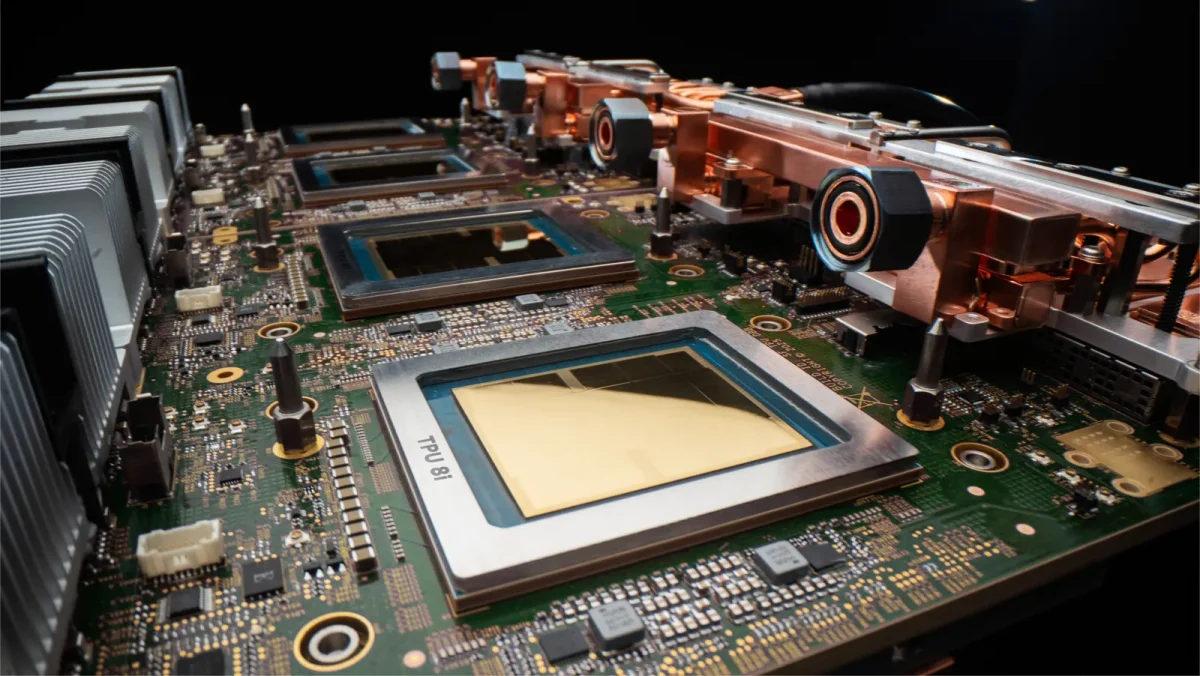
It's an open secret that the major cloud providers don’t actually design their custom silicon from scratch.There's not much value in reinventing the wheel, so they often outsource big and undifferentiated chunks of chip design to IP houses like Broadcom, Marvell, Arm, and others.Google's partner of choice for its Tensor Processing Units (TPUs) has largely been Broadcom — though the chip giant's involvement was only made public earlier this year.
However, Google's relationship with Broadcom was apparently never monogamous. In an SEC filing this week, Marvell entered the chat, announcing that the Chocolate Factory had tapped the IP house to develop custom silicon for the search and advertising giant.
Among the products slated for development were “custom silicon programs that attach to the TPU ecosystem” including AI inference accelerators, storage controllers, network interface controllers, memory interface controllers, and near memory compute. The SEC filing doesn't go into specifics as to which technologies Google will adopt, nor does it offer any insights into the cloud provider’s relationship with Broadcom. All of the technologies listed in the filing are ones Broadcom is more than capable of furnishing. It also doesn’t mean that Broadcom will stop building TPUs for Google, it simply means Google isn’t putting all its eggs in one IP basket.It's not unusual for cloud providers to acquire technologies from multiple vendors to ensure they're always getting the best deal. Networking is a prime example. Of course that didn’t stop Wall Street from dumping shares of Broadcom Wednesday, sending its stock price down about 4% as of late afternoon trading.Marvell clearly expects this deal to be a major revenue driver for the company going forward, and it issued Google a warrant to acquire nearly 59 million shares worth roughly $12.2 billion.Whether Google will actually exercise the warrant is an open question. Doing so would embroil the company in a years-long chip design collaboration. But, looking at Marvell's tech stack, it's not hard to see why Google might be interested.Over the past few years, Marvell has developed a comprehensive suite of hardware IP, including high speed SerDes used in network switches and NICs, multi-die XPU reference designs, CXL memory controllers, and silicon photonics interconnect.Google could have licensed all these things from Broadcom, but now they're in a position to pit the two companies against each other on price and performance.