Story audio is generated using AI
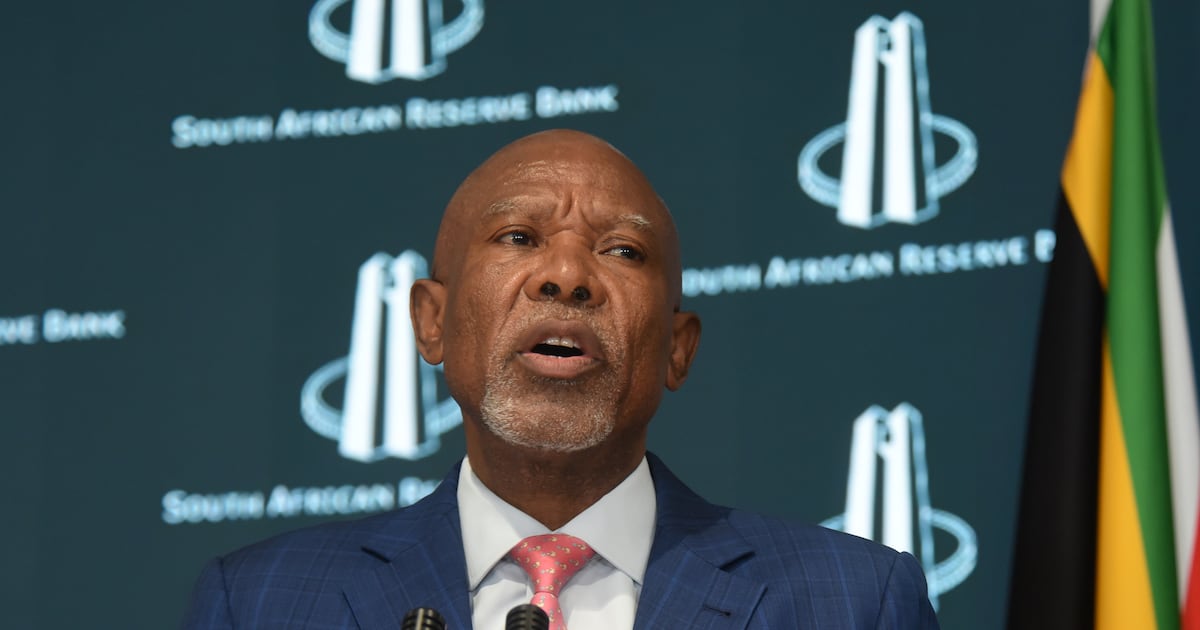
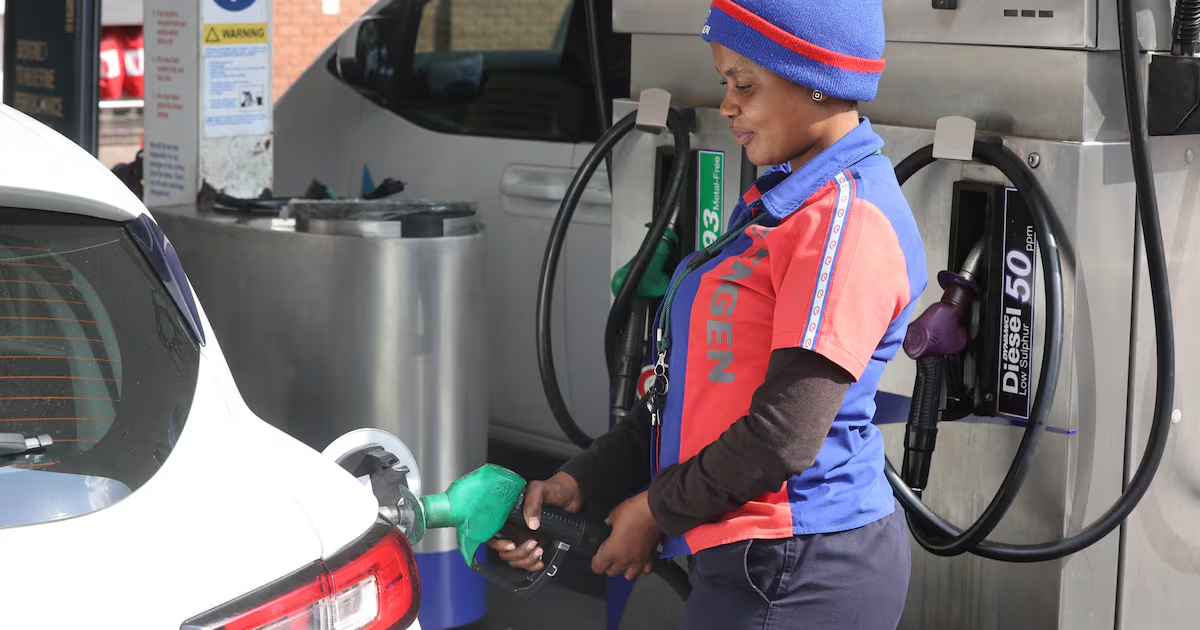
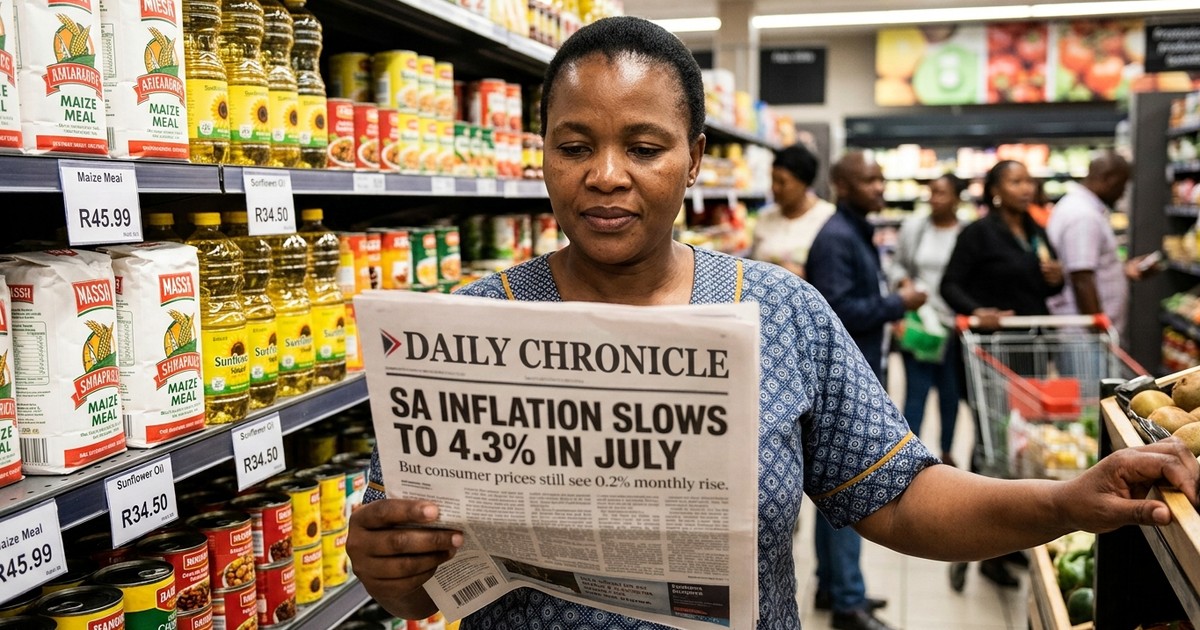
Economists say the headline inflation rate’s decline to 4.3% in July would give the SA Reserve Bank some “breathing space” to again leave interest rates unchanged.Data released by Stats SA on Wednesday shows headline inflation easing for the first time in five months, to 4.3% in July from 5% in June. The consumer price index increased by 0.2% month on month, down from 0.7% in June.Stanlib chief economist Kevin Lings said the inflation print was better than expected and gave the Reserve Bank room to “wait and see”.“The number was a lot better than expected, so it was good. Inflation will remain above 4% for quite some time, well into next year. The Reserve Bank’s monetary policy committee (MPC) will worry that the 3% target is not being achieved, but given how good the [headline inflation rate] number is, they can probably afford to wait and see. The number gives them better breathing space.”Lings said many central banks worldwide had not hiked interest rates, “so, that helps us as well. They [the MPC] will probably leave rates on hold.” At its July meeting, the MPC voted 4-2 to leave the repo rate unchanged at 7%. Governor Lesetja Kganyago was among the four members who supported the hold, meaning he aligned with, rather than dissented from, the majority view. Standard Bank macro-economic analyst Christelle Grobler said, “Consumer inflation increased significantly in June, to 5% on a year-on-year basis from 4.5% in May. This was still largely reflective of the direct impact of the Iran war, with fuel prices rising significantly and various components of the public transport category of the inflation basket also rising quite significantly. “This is a dilemma for the Reserve Bank, given that inflation is well above its 3% inflation target and given that inflation is likely to continue exceeding its inflation target in the coming months. We therefore expect the MPC to be quite divided at this week’s meeting.” Grobler said the MPC may well decide to hike interest rates further, “but this should be the peak in their hiking cycle, and we still think that as soon as the war is over and oil prices are sustainably lower, the Reserve Bank should start unwinding these rate hikes and cut rates even further to a terminal rate of 6%”. Efficient Group chief economist Dawie Roodt said, “I don’t think it will be right for the MPC to cut rates; I think they will sit on their hands and wait a few months until the Middle East conflict is over.” Stats SA’s chief director for price statistics, Patrick Kelly, said the slowdown in headline inflation could be attributed to the following: Softer inflation for food and non-alcoholic beverages; Lower municipal tariff increases; andA decline in fuel prices. Kelly said the 0.9% decline in food and nonalcoholic beverages in July was the lowest in more than 16 years — “since June 2010, when it was 0.7%”. Petrol prices decreased by 7.1% and diesel by 11.7% between June and July, pulling the annual rate for fuel down to 20.6%, from 34.3% in June. Despite the monthly decline, petrol is 19.3% and diesel 28.8% more expensive than a year ago, Kelly said. North West University Business School economist Prof Raymond Parsons said, “The better-than-expected CPI July figure is good news on the inflation front for business and consumers and helps to stabilise medium-term expectations. “The July number reflected lower costs in food, transport and municipal tariffs. The consensus view among analysts has been that, though the global energy crisis would mean a temporary surge in headline inflation earlier in 2026, the effects would gradually dissipate later in the year. However, core inflation edged up slightly to 4.2%, which suggests that price pressures remain sticky.” Parsons said “the “higher-for-longer” MPC interest rate stance is likely to persist for now with prevailing global uncertainties, and fuel prices are expected to rise again next month. “But it is possible now that the MPC at its meeting at end-September will see the inflation outlook and inflationary expectations as manageable within its 2%-4% target range. “In that event, there is a good chance now that interest rates will again be left unchanged. The MPC will want to see several consecutive months of lower inflation before shifting toward monetary easing.” Cosatu parliamentary co-ordinator Matthew Parks said workers could not afford to see a further rise in inflation, “given that most workers are paid a pittance and not a living wage by their employers”.“The impact of a sudden rise in inflation bleeds workers who are already drowning in debt, borrowing at unsustainable levels, simply to buy food and electricity and service other debt,” Parks said. “We need the wars of aggression in the Middle East to end and a genuine peace deal to be put in place and respected by all parties, in particular the renegade, rogue Netanyahu regime in Israel. The resolution of the Middle East conflict is central to returning international oil and, subsequently, domestic fuel price and supply levels to pre-war norms. “This will provide impetus to see inflation fall to the 3% norm it had been prior to the war. A fall in fuel prices will give badly needed relief to workers, who already spend an average of 40% of their wages on transport, and the economy that have both been devastated by the 25% and 50% plus hikes in petrol and diesel prices since the war started.” Update: August 19 2026This article has been updated with new information throughout. Business Day