Story audio is generated using AI
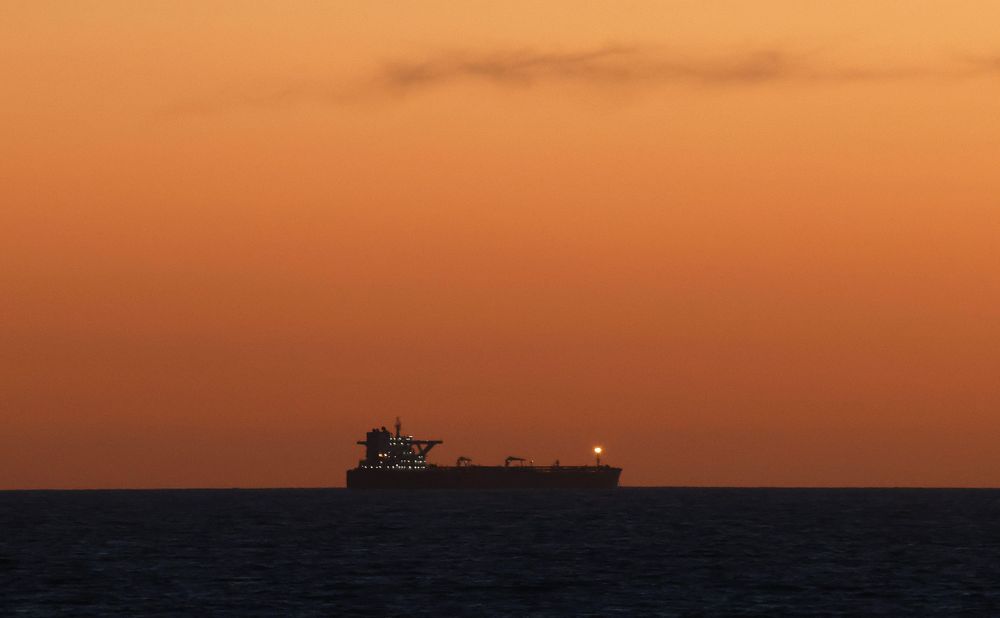
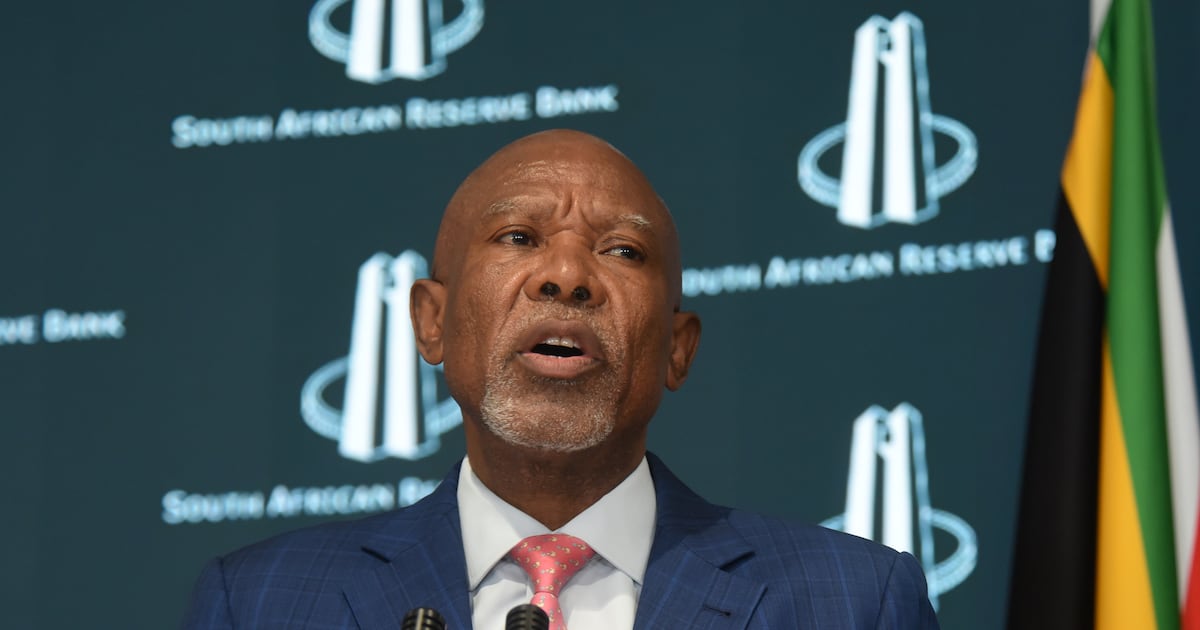
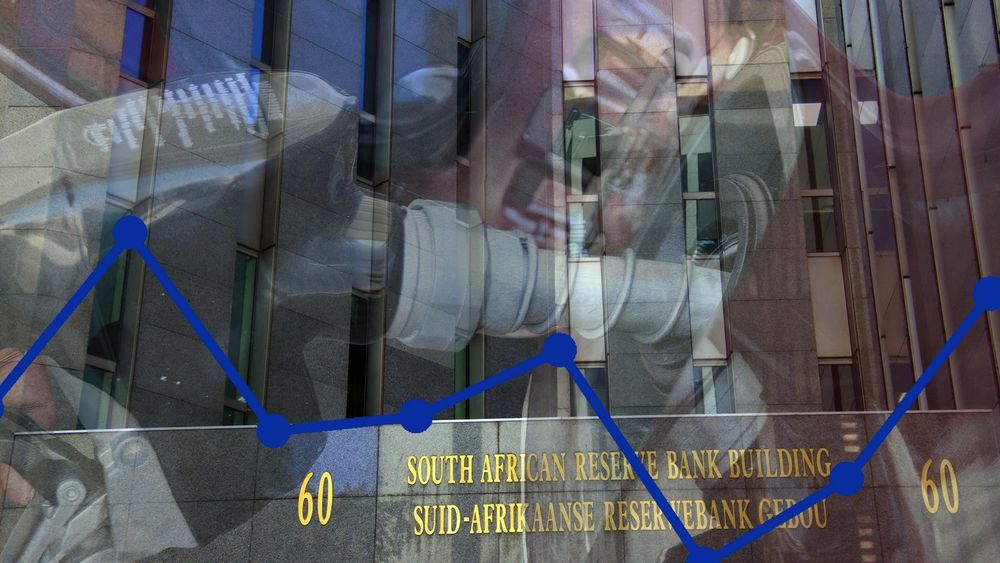
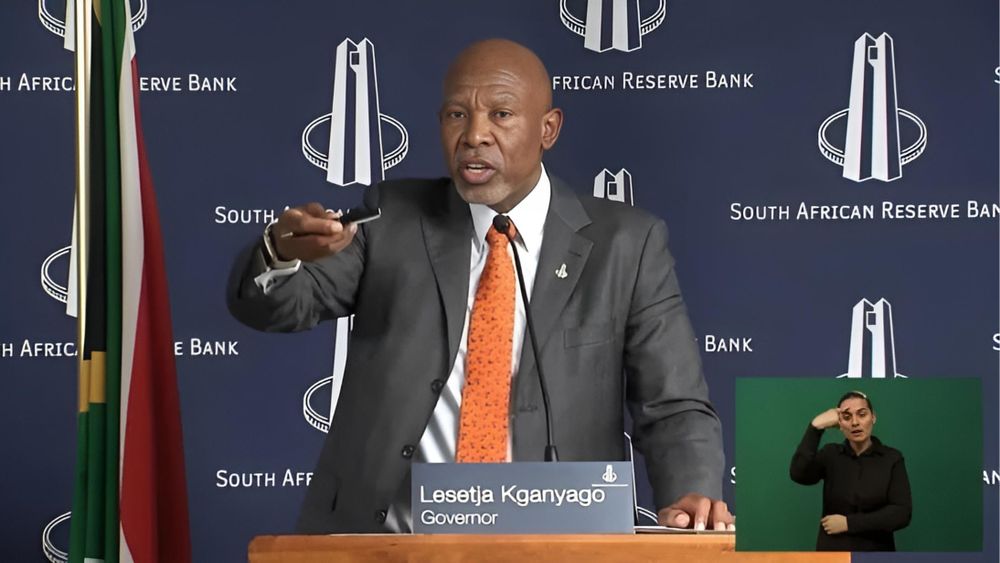
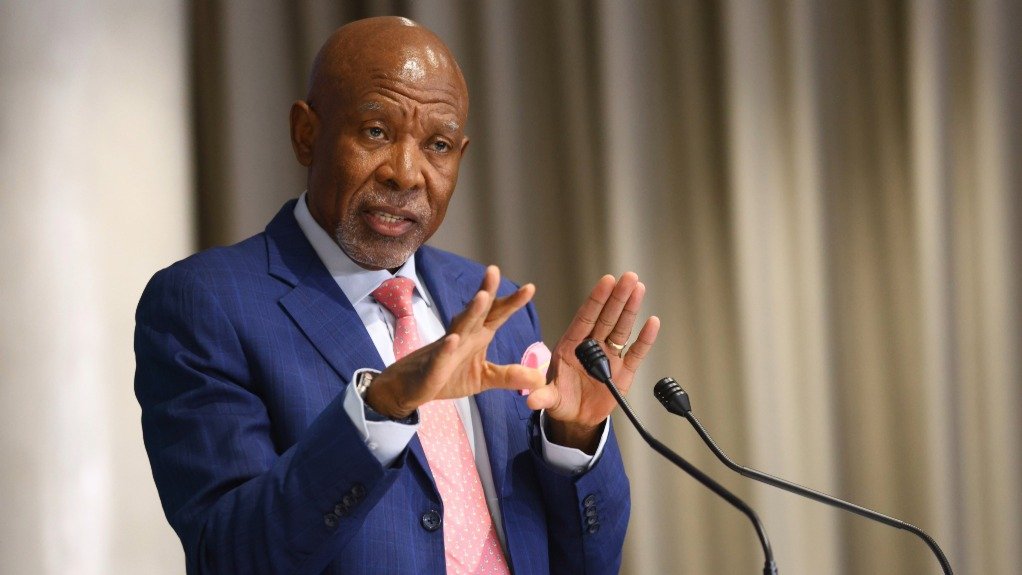
The South African Reserve Bank could hold its fire on hiking interest rates further next month after the latest inflation data showed a lower-than-expected acceleration in May amid renewed hope that a peace deal in the Middle East war could reduce global oil prices, which have driven local fuel and transport costs higher.Though consumer inflation quickened to 4.5% year on year in May from 4% in April ― according to Stats SA on Wednesday ― it was below the 4.6%-5.2% range of economists’ forecasts. The increase was mainly driven by the housing and utilities segment of the consumer price index basket, which accelerated to 5.3% and contributed 1.3 percentage points to the headline number, while transport climbed to 9.4% and accounted for another 1.3 percentage points.This was the effect of steep fuel price increases since early April as the war pitting the US and Israel against Iran has restricted the flow of cargo through the Strait of Hormuz, roiling global oil markets.Efforts to end the war have been elusive, but there is renewed hope of a resolution after the US and Iran reached a memorandum of understanding, which would reportedly allow the latter to export oil provided it undertakes not to produce nuclear weapons.Reuters reported that Brent crude fell as far as $77.75 a barrel on Wednesday, down more than a third from its April peak.“Lower oil prices suggest that inflation will peak at a lower level than we previously anticipated and imply that the South African Reserve Bank may act with less urgency at its next policy meeting in July by holding rates instead of raising it by 25 bps,” said Jee-A van der Linde, a senior economist at Oxford Economics.The advisory firm expects inflation to average 4.3% this year but says the outlook has improved in recent days and risks to the forecast are now slightly tilted to the downside.The Bank hiked the benchmark interest rate to 7% at its May policy meeting after data showed inflation quickened to 4% in April from 3.1% in March, breaching its new 3% target.Governor Lesetja Kganyago later acknowledged the Bank acted preemptively before the full effect of soaring fuel prices materialised but said waiting for full proof before acting might have left it too late.“You can’t do much about initial shocks with interest rates, but it does not follow that you should do nothing. Inflation can be persistently higher after a shock has passed if people start believing higher inflation is normal,” Kganyago said at the annual Bureau for Economic Research conference.He also rejected the suggestion the bank should abandon the lower target adopted last year and revert to its previous 3%-6% band.While the annual rate is now firmly above the 2%-4% tolerance band of the new target, the May inflation data shows that the food component only registered 1.6% year on year.“This data, alongside the decline in oil prices in response to the imminent signing of an interim peace deal between the US and Iran, means that the upside risks to the inflation trajectory have subsided,” Standard Bank head of macroeconomic research Elna Moolman said.“It also increases the likelihood that the Reserve Bank will not have to hike interest rates further.”The Bank’s latest forecast is for headline inflation to average 4.4% in 2026 and 3.7% next year, before returning to the 3% target in 2028. An averted interest rate increase next month would be a relief for South African consumers already contending with higher fuel costs.A separate Stats SA report on Wednesday suggests the strain on household finances is dampening demand, with annual growth in retail sales slowing to 1.3% in April from 2.5% in March.