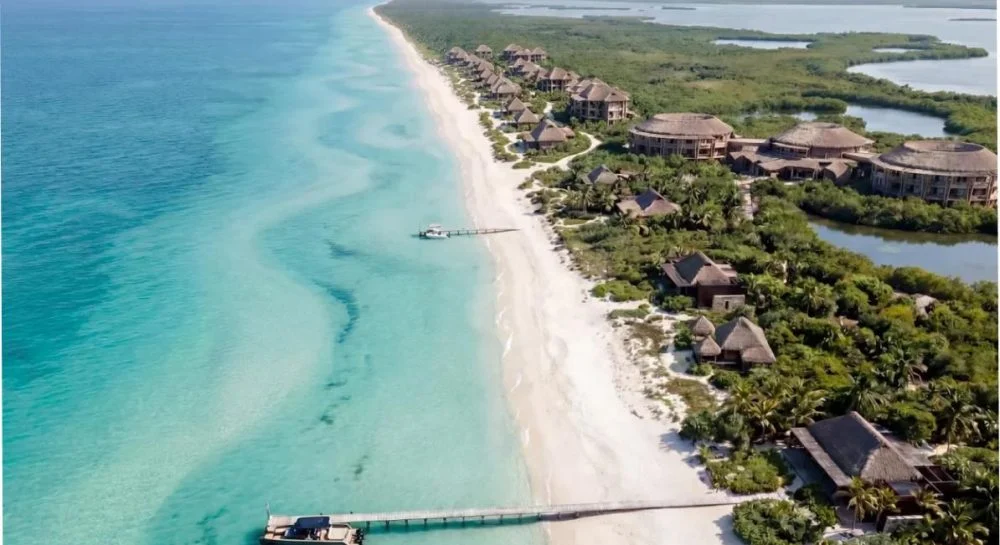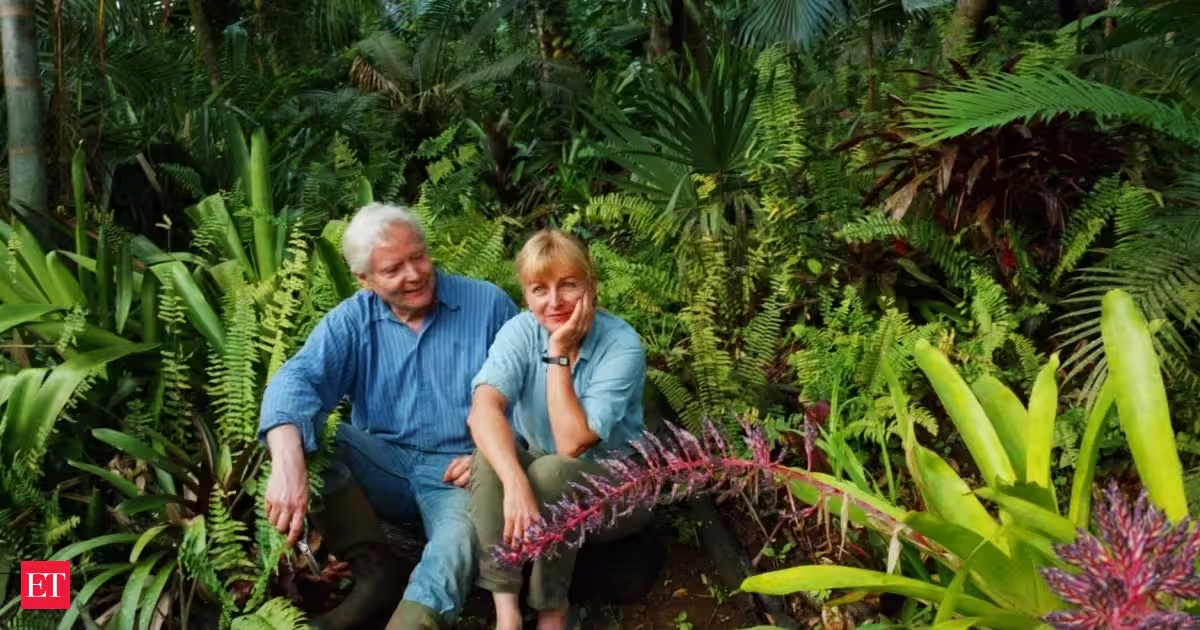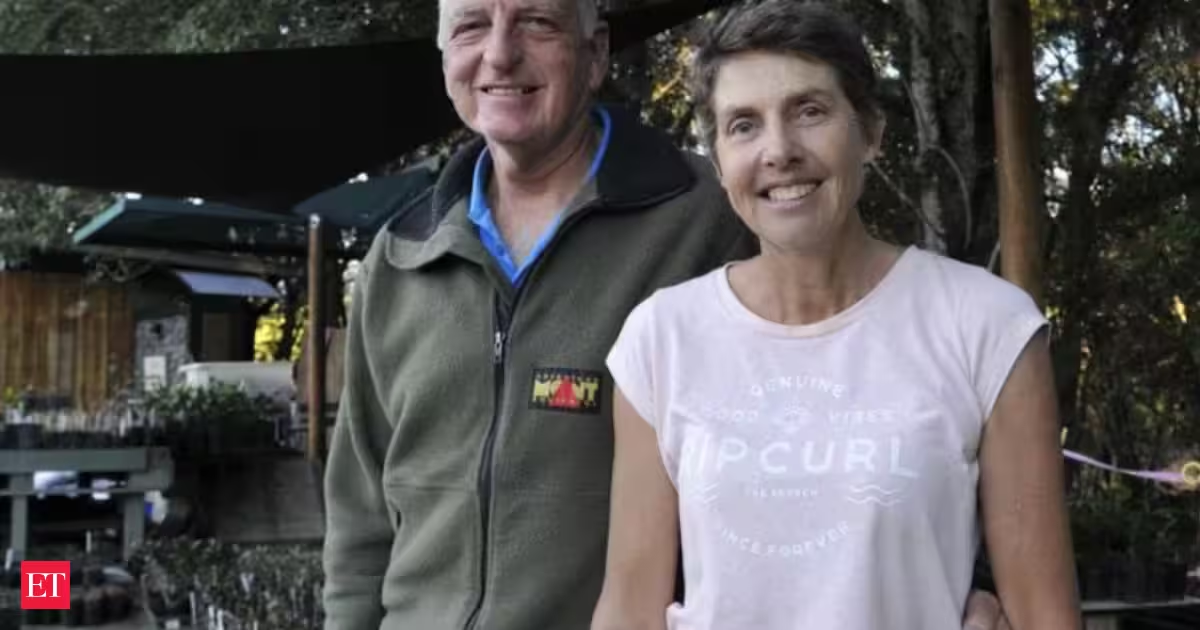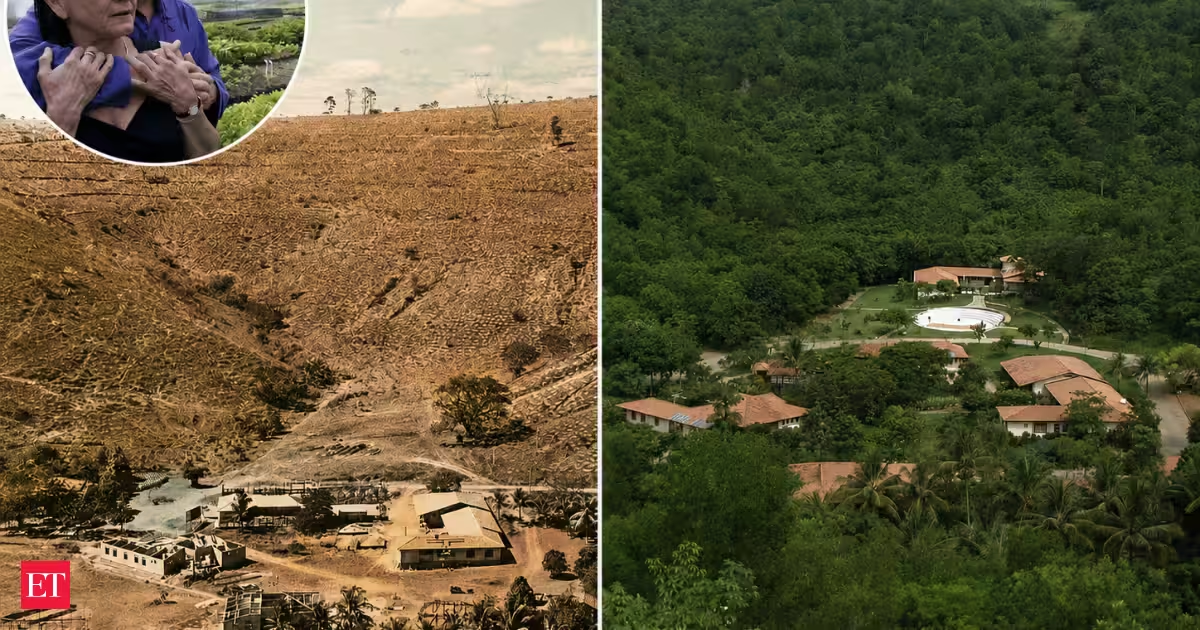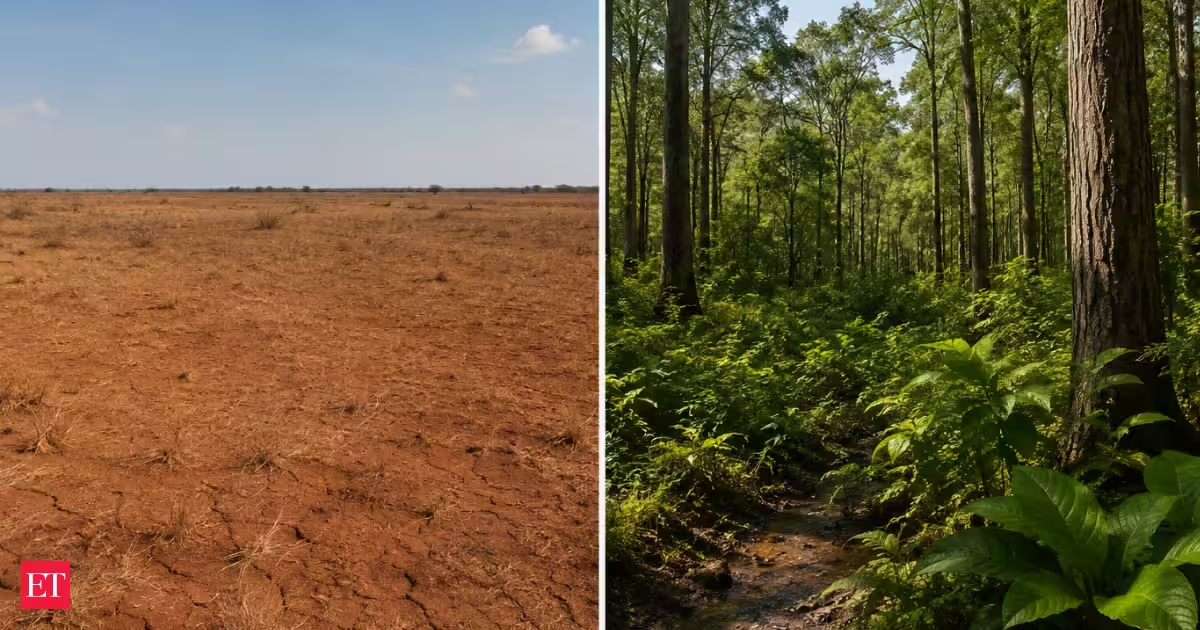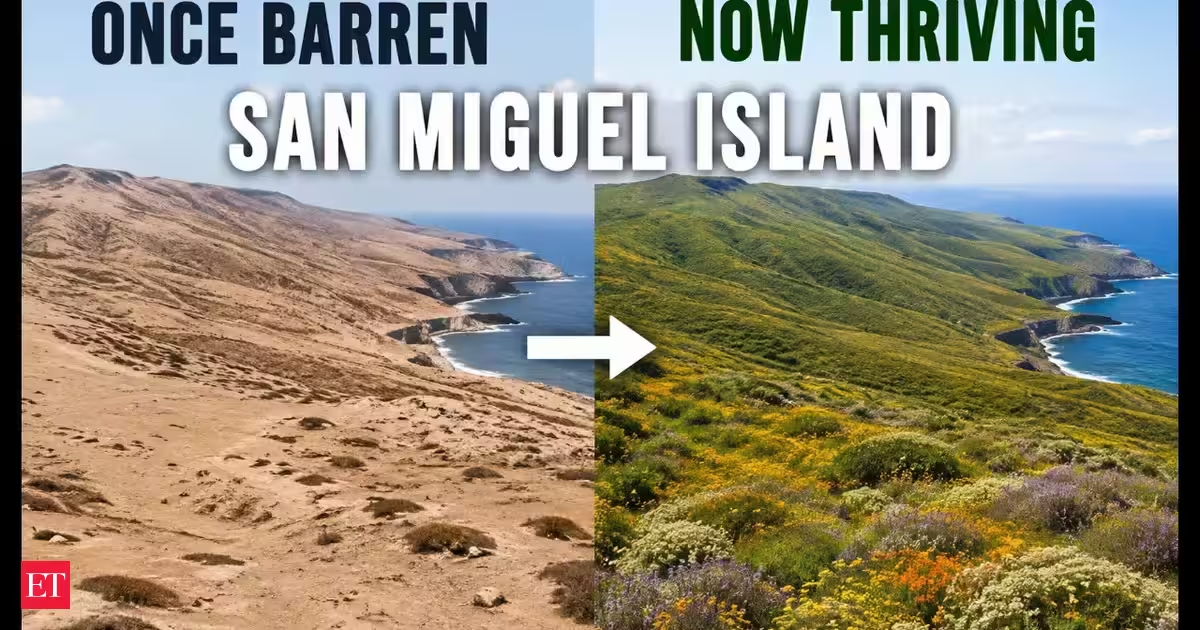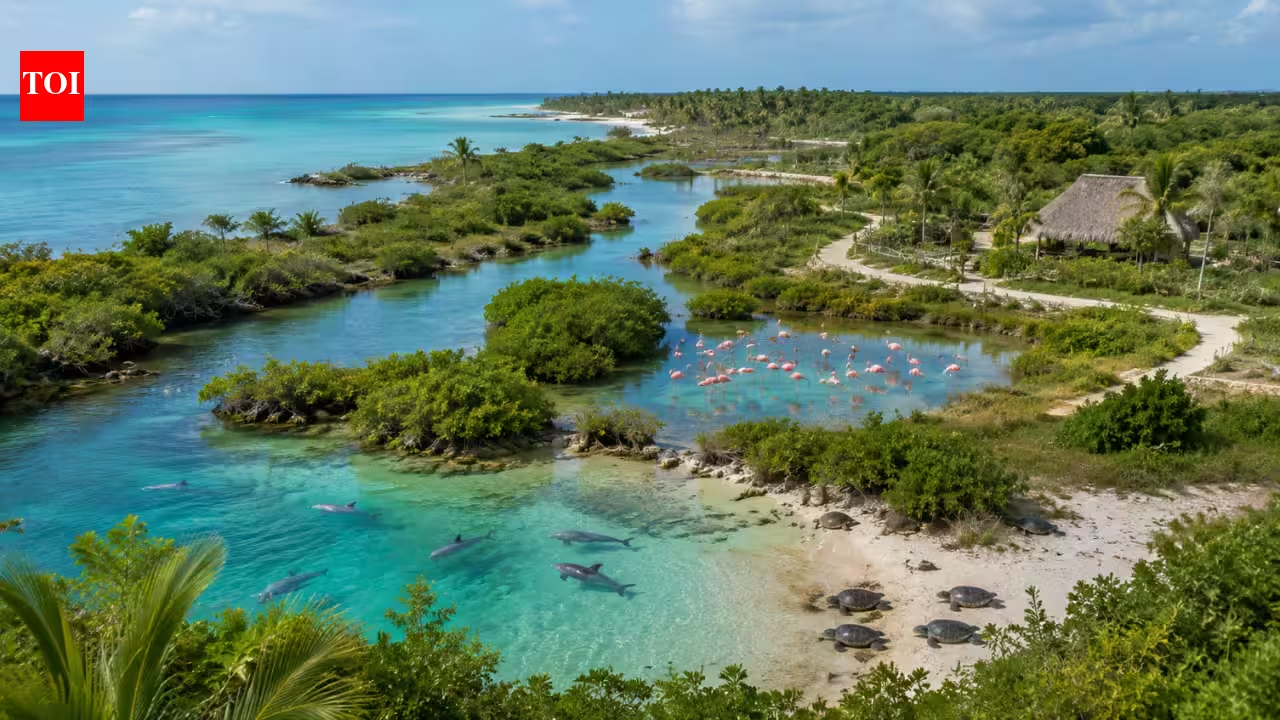
PC: Image AI generatedThree decades ago, a 346-acre stretch of land on Mexico’s Yucatán Peninsula was little more than the remains of a failed coconut farm. Disease had swept through millions of palms across the region, leaving behind a stripped and barren landscape. Mónica Hernández and her husband, architect and painter Aníbal González, saw something different in the neglected property they bought at El Cuyo. They had noticed the flamingos and spoonbills living nearby and decided to let the landscape recover rather than rebuild the plantation that had been lost. Over the years, native vegetation returned and the coastal estate became a haven for wildlife, with sea turtles, dolphins and flamingos now part of its surroundings. The couple also developed plans for an eco-conscious luxury residential complex; after 30 years, they are putting the £87 million estate on the market while keeping a small piece for themselves.How coconut disease devastated the Yucatán Peninsula and transformed El CuyoThe condition of the property was tied to a wider problem affecting the Yucatán Peninsula. Millions of coconut palms had been damaged by an aggressive plant disease in the 1990s, leaving areas that had once been productive looking almost empty. El Cuyo was among the places where the effects were visible, but Hernández and González did not see the damaged landscape simply as a failed agricultural site. They were drawn to the wildlife around it, particularly the flamingos and spoonbills they encountered in the area.The couple put what Hernández described as “big money” into the secluded property around 30 years ago. Rather than trying to recreate the old coconut plantation, they allowed the landscape to change. Once the dead coconut trees were burnt, the original vegetation began returning, according to Hernández. That regeneration became part of what the couple were trying to preserve. The result was a private coastal estate where the surrounding natural environment became as important as the buildings and other improvements made to the land.Image AI generatedHow El Cuyo became a wildlife haven for flamingos, turtles and dolphinThe property now stretches across more than 346 acres, with roughly four miles of beachfront. Its setting on the northern Yucatán Peninsula puts it alongside a coastline already known for its wildlife, and the estate has become a place where animals are a regular part of the landscape rather than an attraction brought in for visitors. Flamingos and spoonbills were among the species that first caught the couple’s attention, while turtles and dolphins later became familiar sights around the property.Hernández told The Sun that dolphins arrive during certain seasons, describing their appearance as something unusual and beautiful. The couple also said they regularly spend time at the estate and enjoy seeing turtles and dolphins along the coast. The surrounding waters have helped shape the experience of El Cuyo, with wealthy visitors sometimes arriving by yacht and swimming towards the white beaches.How the 346-acre El Cuyo property could become a luxury eco-resortThe estate has since moved beyond being a private coastal retreat. Hernández and González received approval from the Mexican government for a residential development at El Cuyo, with the condition that the project follows ecological conservation requirements. Working with Casa e Progetti, they produced plans for a resort using renewable energy and natural resources rather than treating the surrounding environment as an afterthought.The proposed scheme includes 64 villas, each planned on plots ranging from 2.5 to 6.9 acres, with a section of private beachfront. The homes would average about 5,000 square feet and contain four or five bedrooms. Their design is intended to draw on Mayan architectural influences, with oval forms, open-air spaces, wooden structures and stone walls. The plans therefore combine a high-end residential development with an attempt to retain the character of the coastal setting.Why the owners are selling their £87 million estate in MexicoAfter three decades of developing the property, Hernández and González have decided that El Cuyo should pass to someone younger who can devote more time to the next stage of the project. According to The Sun, the estate is marketed by Beauchamp Estates and has an asking price of £87 million, which makes it the most expensive property in Mexican history. The couple do not intend to leave the place entirely, though. They plan to retain a smaller section at the edge of the estate for themselves.The decision is partly about time. Hernández is 75, and González is 81, and she said the project had previously demanded their attention “24/7”. They now want to spend more time at their own beach without having to manage the entire development. For Hernández, the future of the property is also tied to how its next owner treats the land. She said it would suit an ecologist and that whoever lives there should act as a guardian of nature.
A Mexican couple bought a failed coconut farm 30 years ago; the 346-acre wasteland is now a wildlife haven for turtles, dolphins and flamingos
Three decades ago, a 346-acre stretch of land on Mexico’s Yucatán Peninsula was little more than the remains of a failed coconut farm. Disease had swept through millions of palms across the region, leaving behind a stripped and barren landscape.
797 words~4 min read