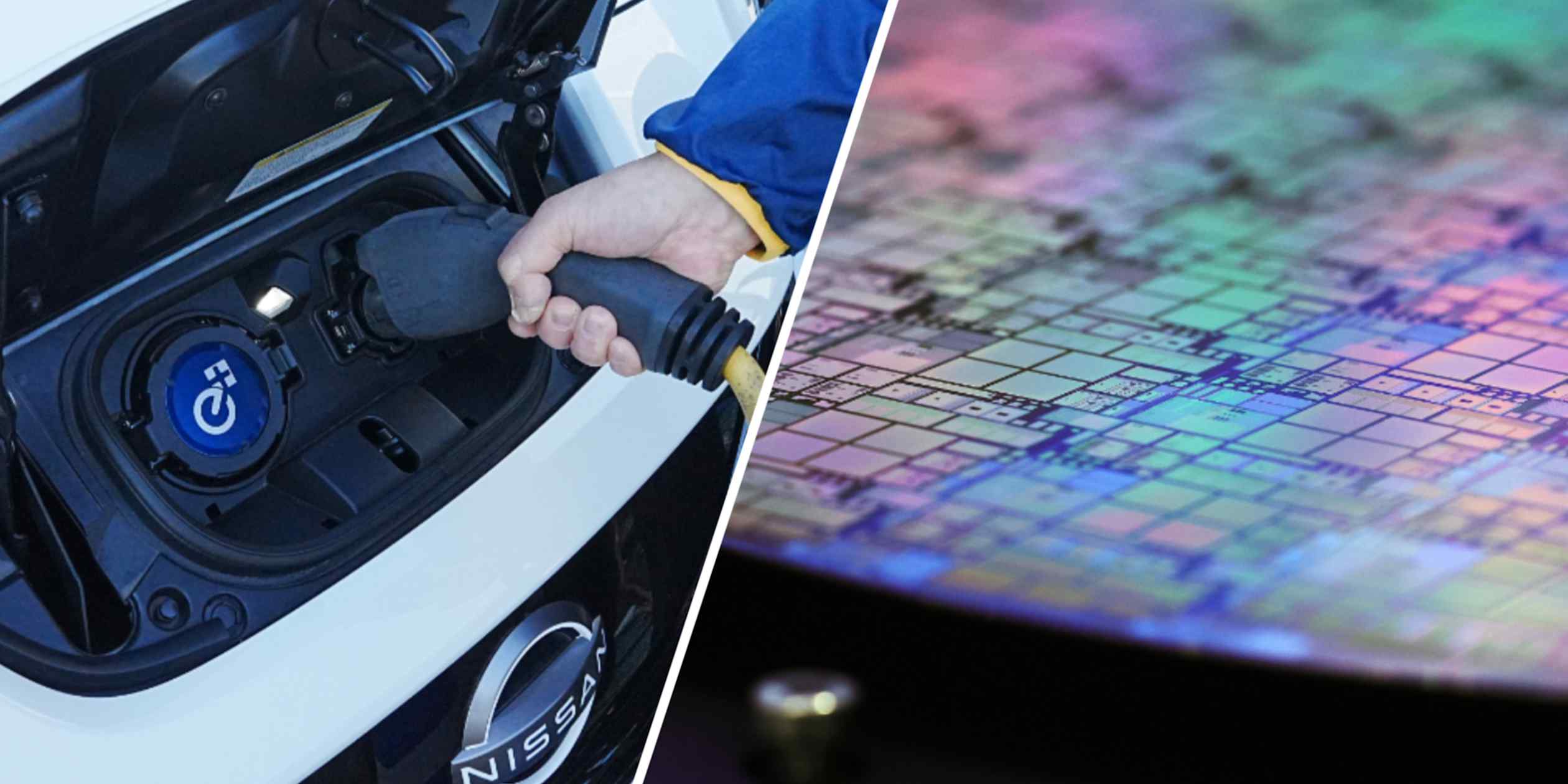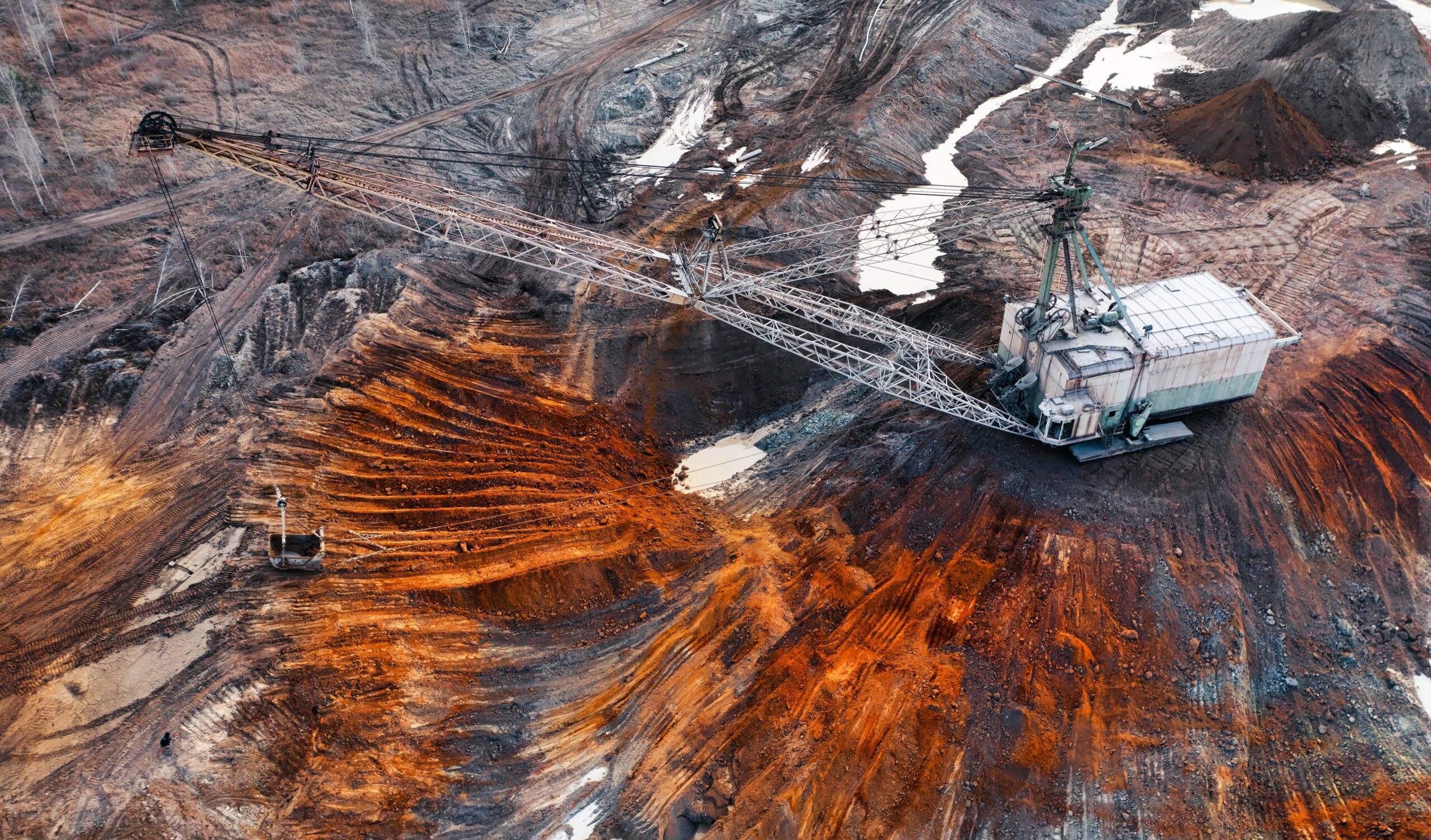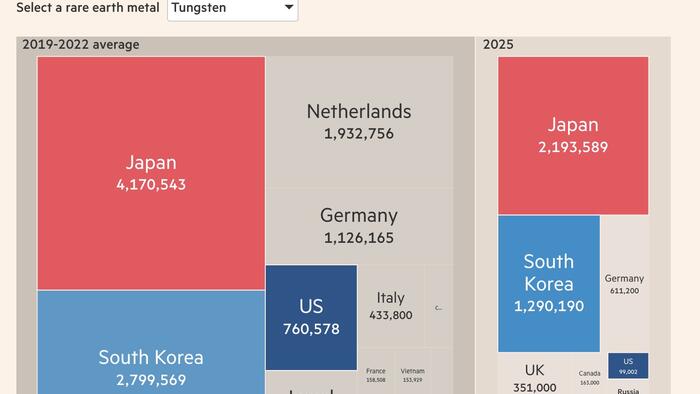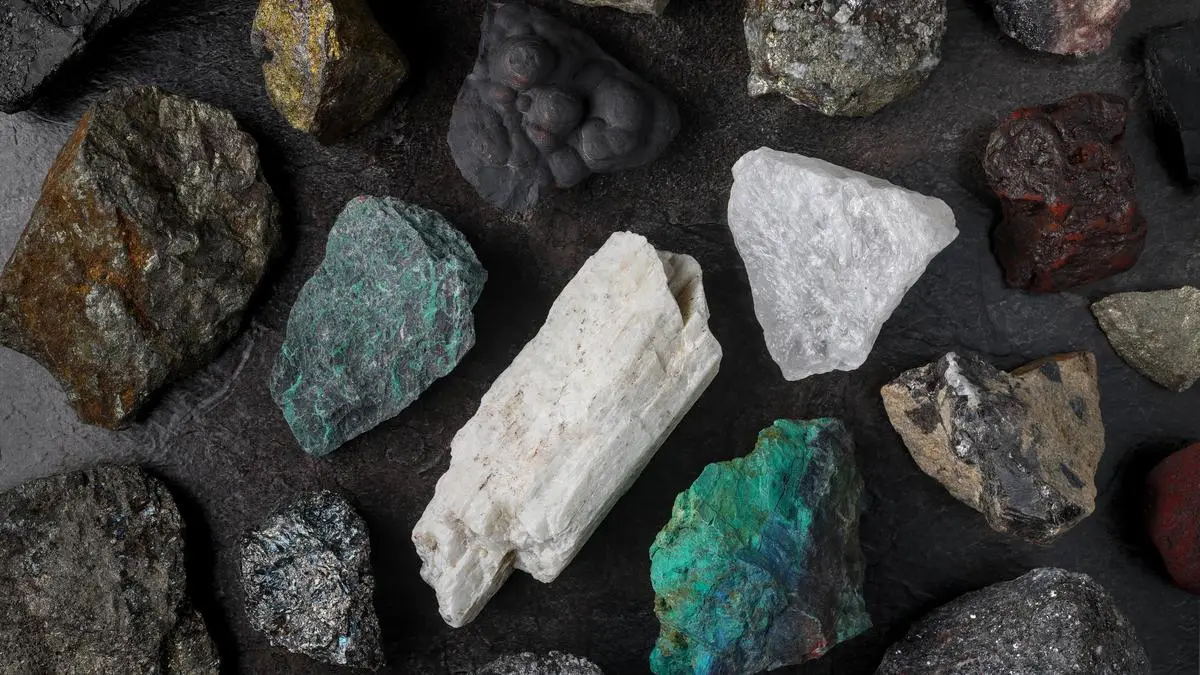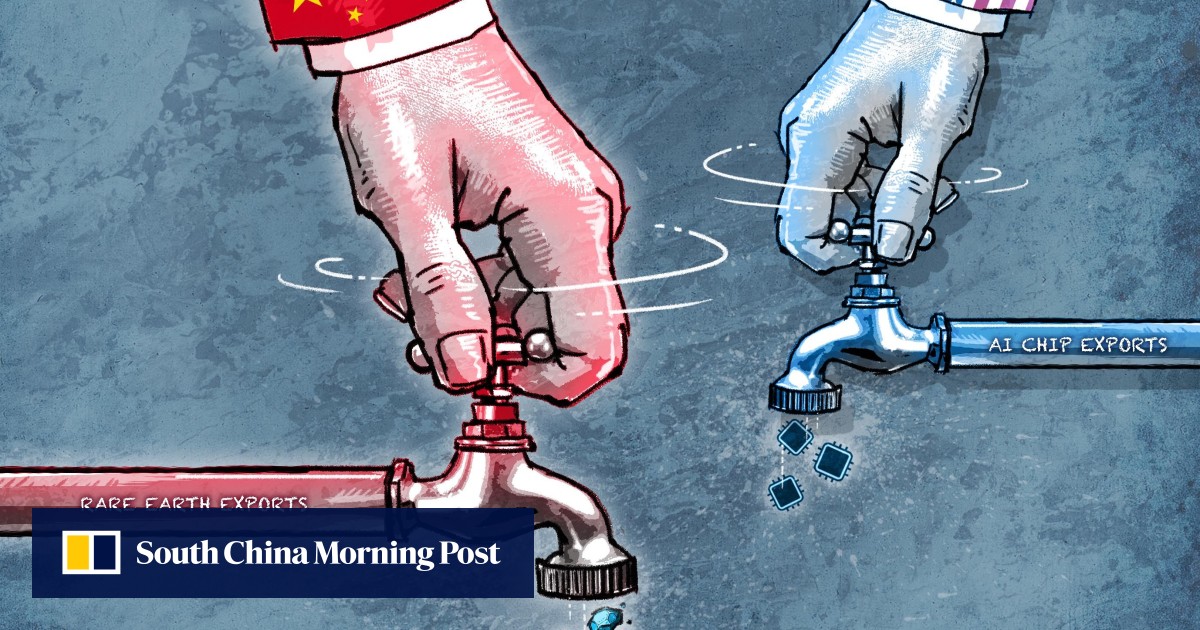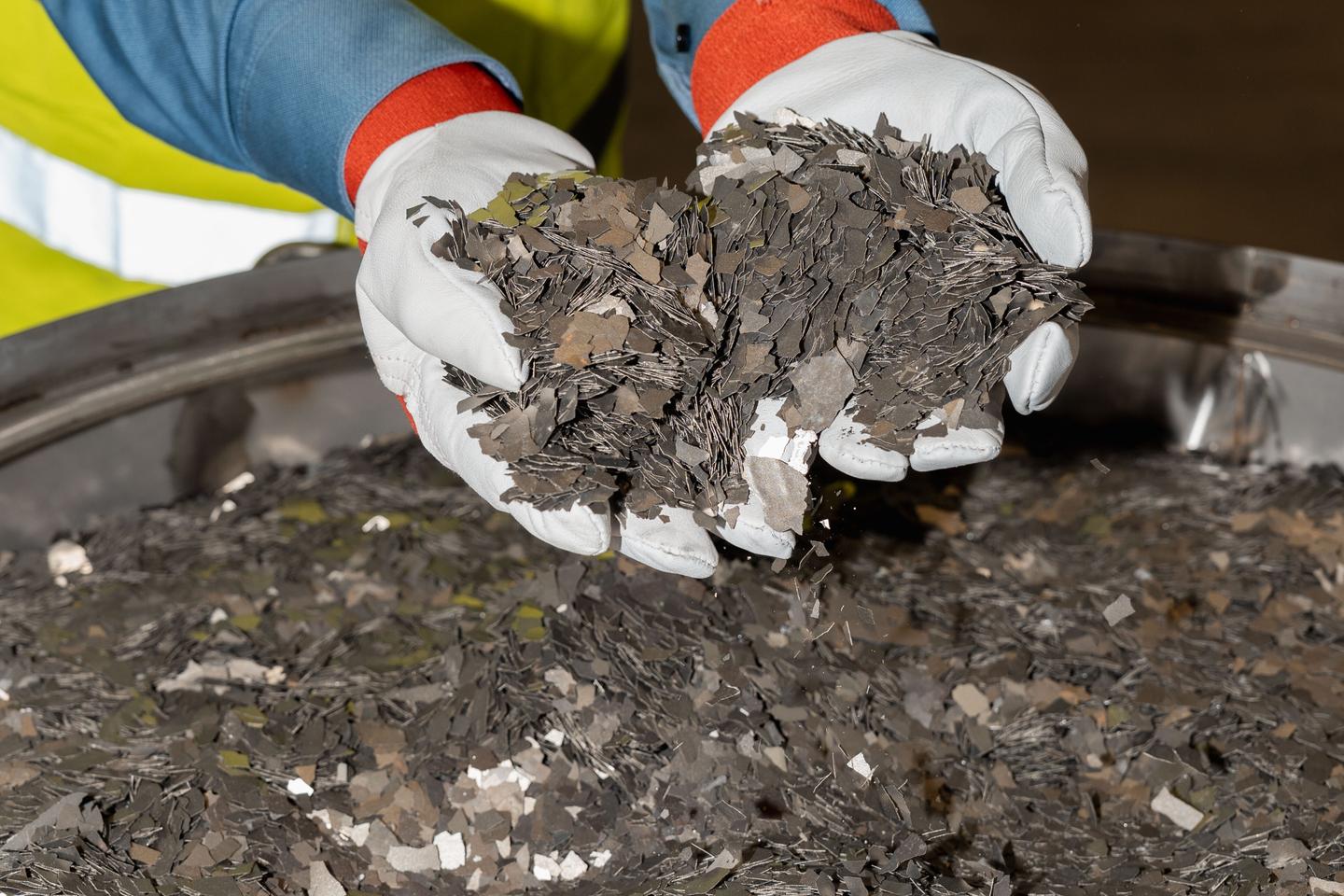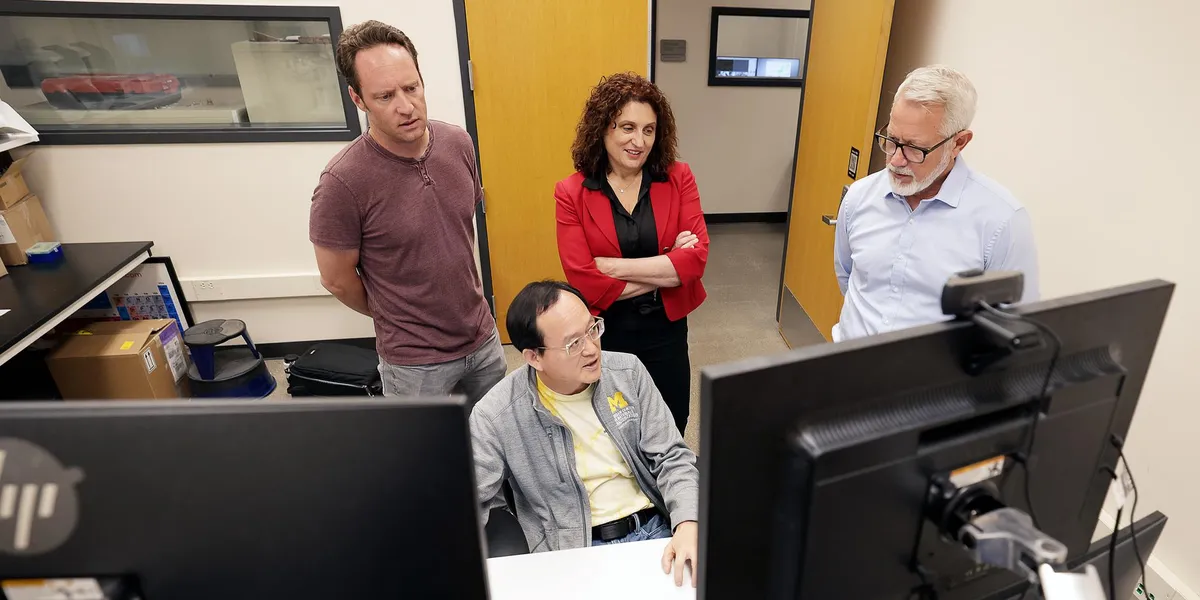
Supply chains in many industries are full of tangles, but for semiconductor tech, that’s putting it lightly. Many chip components are location-constrained and can easily be throttled by geopolitical factors. Chipmaking is also tied up with social and environmental concerns, and if any seemingly small strand gives way, the whole thing could fall apart.Researchers at the University of Michigan are working with nanoelectronics research giant Imec to find ways around material bottlenecks, dubbing their project “Common Earth” to contrast with the semiconductor industry’s reliance on rare earths. They’re looking for clever solutions to replace critical elements and forever chemicals in the semiconductor supply chain.IEEE Spectrum spoke with two researchers leading the effort at the University of Michigan: Valeria Bertacco, professor of computer engineering and vice provost, and John Heron, an associate professor of materials science and engineering.How exactly are you defining this idea of “common earth” semiconductor materials?Valeria Bertacco: The goal of the project is to eliminate supply chain bottlenecks in the manufacturing of silicon chips. There are multiple sources of bottlenecks in the global supply chain. At the material level, we have a strong dependency on rare earth materials. We also, whenever we produce semiconductors, involve PFAS, these chemical byproducts that can never be eliminated from the environment. John Heron: When we came up with this idea, we focused on a couple of the more controlled and maybe more fragile supply chain materials—those being hafnium [which is used in transistor gate dielectrics] and then some of the rare earth materials that are not directly integrated into the CMOS technology but facilitate the fabrication of the CMOS technology. More broadly, the proper language is ‘critical element.’ Hafnium is one of our elements in focus, which is not strictly a rare earth element. It’s not as geopolitically controlled as rare earth, but there are other bottlenecks. It turns out that hafnium is a byproduct of zirconium mining, and zirconium mining is done for nuclear development, and so the hafnium is a byproduct of the nuclear industry. Some critical elements are byproducts of another industry, so if you want to scale semiconductor manufacturing, you basically have to scale a second industry. And of course, related to these things, directly and indirectly, you create waste products. These waste products are often fluorinated, and these fluorinated compounds are classified as PFAS chemicals, which get dumped into the water waste. We’ve been taking the viewpoint that there is an ethical part to the project: Removing these forever chemicals, thinking about the health and safety of the byproduct that we make, as well as the ethics of where the materials come from and how they are being sourced. It’s trying to take a more holistic view on chipmaking.Chip tech commonly relies on rare-earth and specific materials for a reason, right? How are you trying to work around that?Bertacco: Once we start changing the materials involved in the production of semiconductors, the characteristics of the transistor or the memory device will change. There is a reason why people use a specific dielectric—because it provides the low latency and high performance that they need. Our solutions may be able to reach a good approximation, and they may actually have other potential positive traits, but they will be different. The way we’re thinking to deal with that is to develop better circuit technologies, better architectures, and better systems. For instance, if your transistor has more leakage because you use a different dielectric, what we need is a better power gating solution, better frequency throttling, better circuit level solutions that contain that leakage. Heron: The rare earth materials themselves show up typically in coatings for plasma-based deposition processes, so they’re like barriers to protect equipment. It’s not that rare earths are rare on the planet, it’s that the processing is most efficiently done with the ore that China has access to. So what we’ve been thinking about is just using other more accessible materials that are easy to refine, and trying to find those unique chemistries that are robust to these plasmas.RELATED: How to Build EV Motors Without Rare Earth ElementsYou’re working with Imec on this project. How has collaboration outside of academia helped your research? Heron: As Imec manufactures chips and technology, they offer a platform for testing not only just a new technology, but a process. They also have a division that considers these PFAS chemicals and how to mitigate them, how to control them, what are critical processes for them, what are non-critical processes for them, those kinds of things. Their customers are the bigger manufacturers, and they buy into these things. So we have a way to engage with these potential customers or users of any technology from that collaboration. The “Common Earth” effort is being carried out by researchers including, from left, Karina Calhoun, Pat Kezer, John Heron, Valeria Bertacco, Jim Foresi, Tersiteab Adem, and Aymen Ahmed. All are at the University of Michigan except Foresi, who is at Imec.Brenda Ahearn/University of MichiganWhat “common earth” and supply chain solutions have you found so far, or are exploring?Heron: One of the things we’re considering is a nitrogen-based precursor [a chemical layer deposited on semiconductors during manufacturing], trying to get rid of the fluorine. We’re also looking at elemental alternatives to hafnium; for those, we’re looking at more salt-based solutions.I address PFAS from the processing level, but at the University of Michigan, there’s also effort at the filtration level, developing novel filtration materials to capture these chemicals and then eliminate them from the waste stream. That’s where most of the effort is currently.Bertacco: We’re also looking to commoditize the production of silicon chips so that there is much more access to them. In particular, we want to explore solutions that eliminate the single-source nature of many of today’s designs. For that, we’re looking for solutions at the architecture level that leverage emerging technologies like chiplets. Future composable chiplet-based designs could implement a reusable “slice” of a design: use a single slice for a low-end solution, or combine multiple slices to attain a higher-end design. GPUs and CPUs lend themselves to this style of scalable approach.How can these solutions help address social, environmental, and economic issues in the typical semiconductor supply chain?Bertacco: By eliminating the dispersing of PFAS in the environment, there are significant benefits that could be gained. There is an incredible push for very strong growth in semiconductor production at the planet level, so unless something is done on this front, there will be an incredible growth in PFAS production as well. RELATED: Piezoelectric Catalyst Destroys Forever Chemicals We also always think about rare earth materials due to social and political reasons: Like some country doesn’t want to sell the material to another country or is trying to keep more for itself. But that is not the only type of dynamic. I learned from John [Heron] that a couple of years ago the price of neon gas went up 10 times because it’s a byproduct of steel manufacturing, and the two biggest steel manufacturing companies in the world are in Ukraine. When their production halted, the price of neon went up. There are so many events that are external to the control of any engineer and any semiconductor manufacturer that can completely disrupt the industry. If the ‘common earth’ project could lead to a more robust supply chain and to locally sourced materials, we could control the situation a little bit better. Do you think manufacturers are going to be eager to address some of these problems?Heron: It’s a tricky space with many active directions that could emerge. But I’ll just use PFAS as an example: If legislation comes down really hard and says, ‘Hey, you can’t have this waste product,’ then that’s basically going to be a knife to the heart if it doesn’t get addressed. So these issues are important, and if the U.S. wants to maintain manufacturing while also considering emissions and waste products, then we will need these processes. They will become critical. So the answer I think is yes. Is it yes today? Maybe not so much. But if things continue in the direction that they will likely go, based on where the U.S. has been going historically, then I think it will have to be.
Could Rethinking Rare Earths Shield Chips From Geopolitics?
Michigan researchers seek ways to make chips without rare earths and other problematic materials
TL;DRAI
University of Michigan and Imec's "Common Earth" project targets replacing rare earth and PFAS dependencies in chip manufacturing by finding alternative materials and production methods. For tech leadership, this addresses geopolitical supply chain risk and environmental compliance while requiring circuit-level adaptations to offset performance tradeoffs from material substitutions.
1,375 words~6 min read