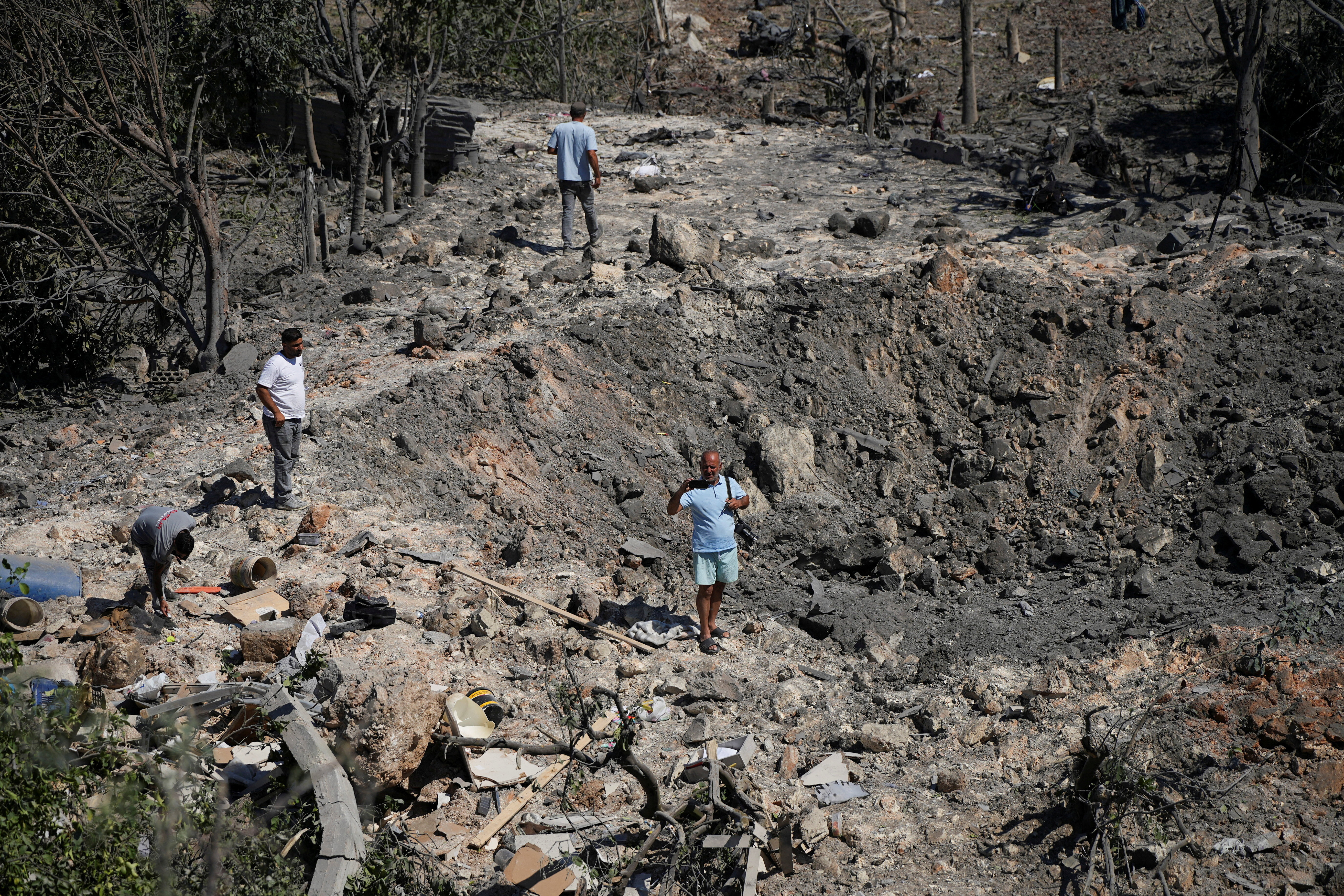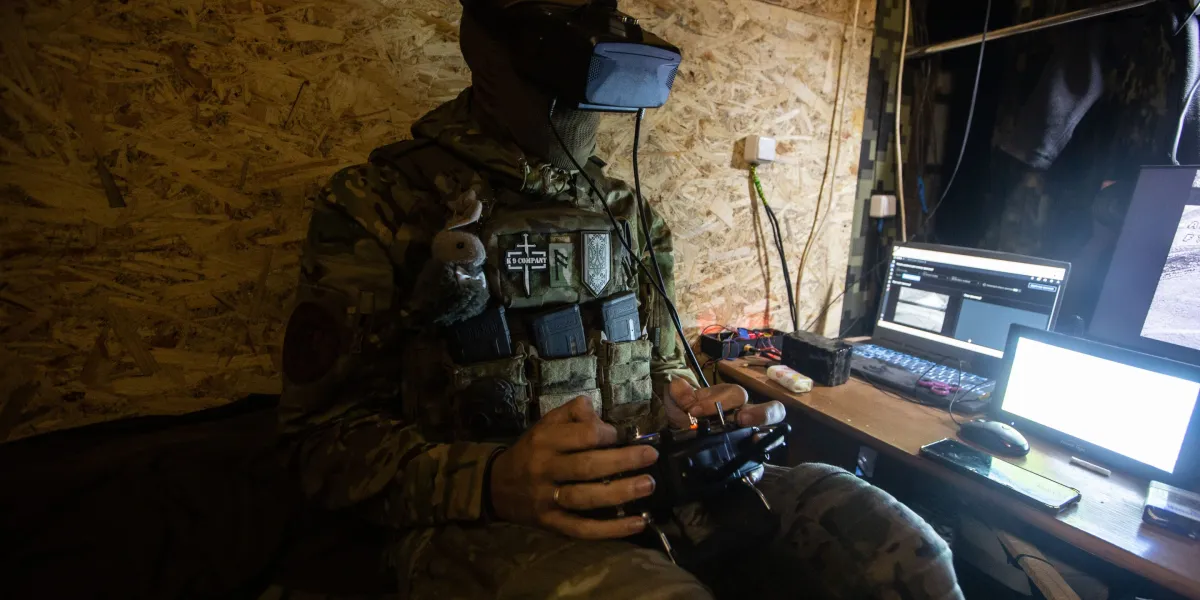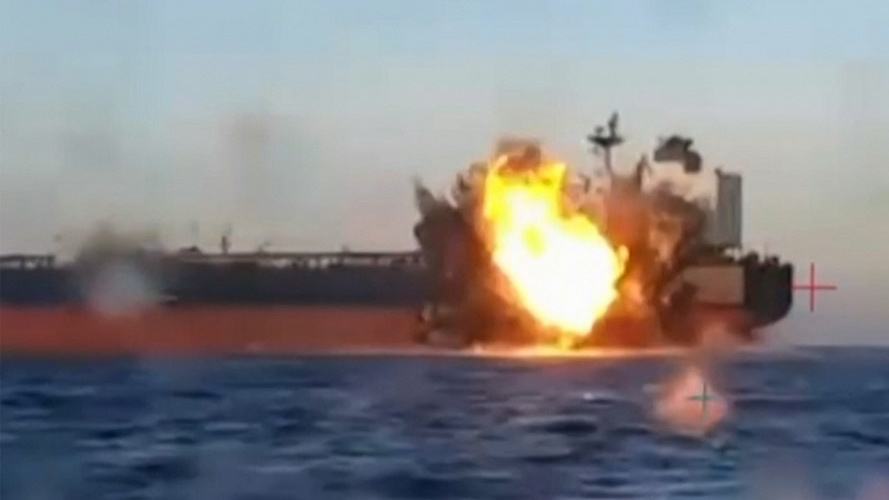
The Iran war may be fought primarily remotely via the air, but its strategic outcome is increasingly being decided at sea.
The latest strikes and counterstrikes have clarified rather than altered that central fact. Washington may escalate through a ground intervention, wider attacks on Iran’s critical infrastructure, or a strike against the deeply buried nuclear-linked complex at Pickaxe Mountain in Isfahan province.
Each option could inflict further damage and expand the war. None, however, is likely to eliminate Iran’s distributed maritime architecture or make the Strait of Hormuz strategically irrelevant.
Last month, the Iran war’s political afterlife was being staged in Tehran. The funeral ceremonies for the country’s former supreme leader, Ali Khamenei, were not merely rituals of mourning; they became a demonstration of institutional continuity after shock, decapitation and bombardment.
That resilience was not produced by the sea alone, but the maritime domain helped to preserve it.