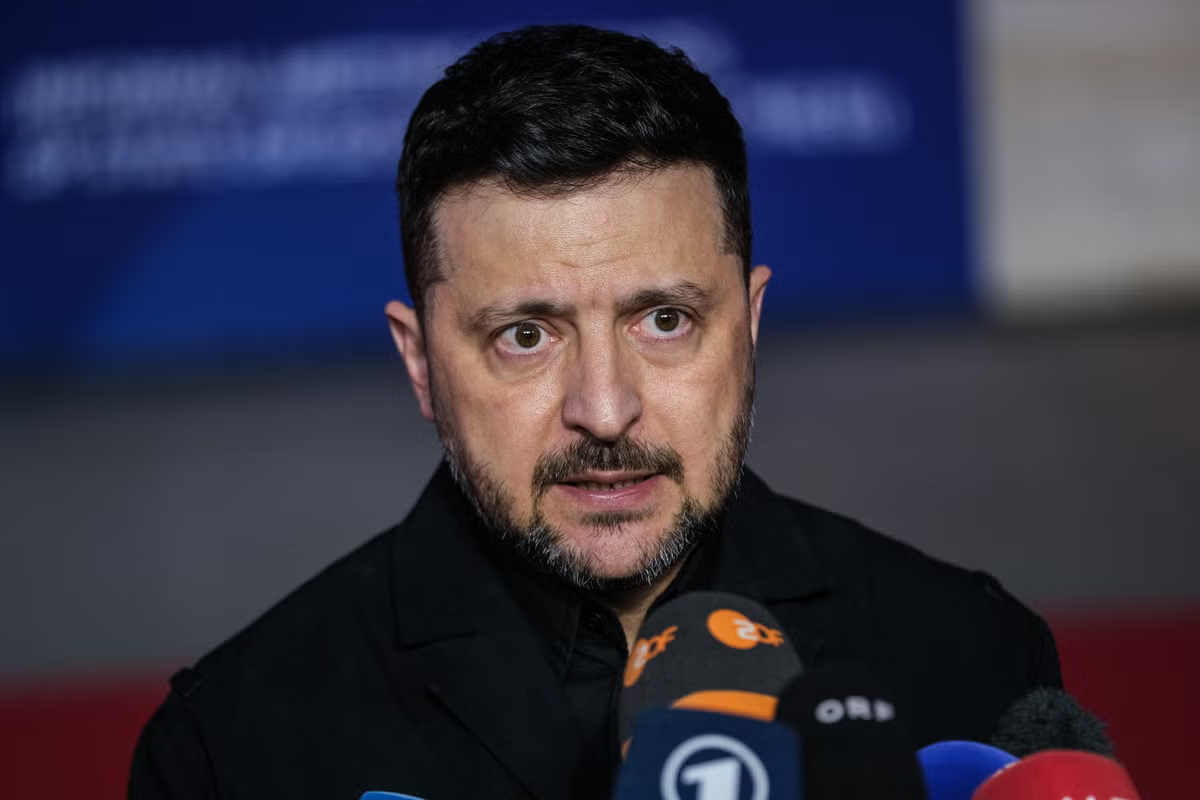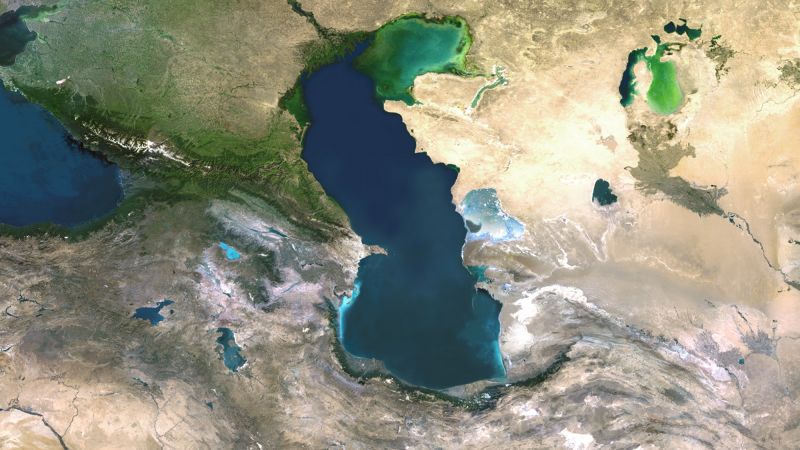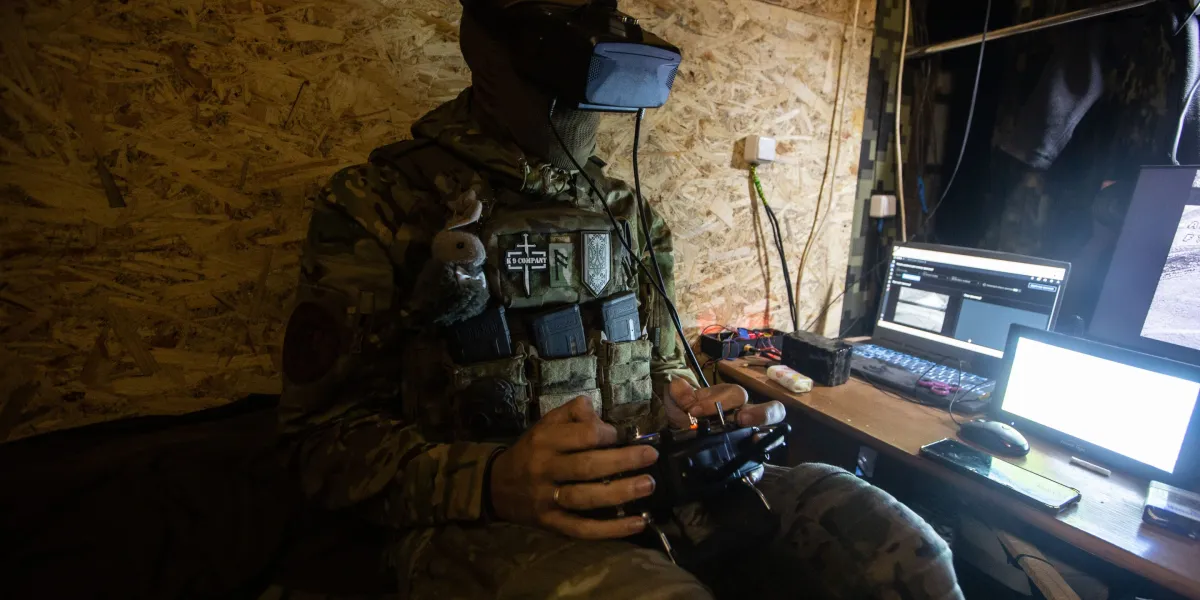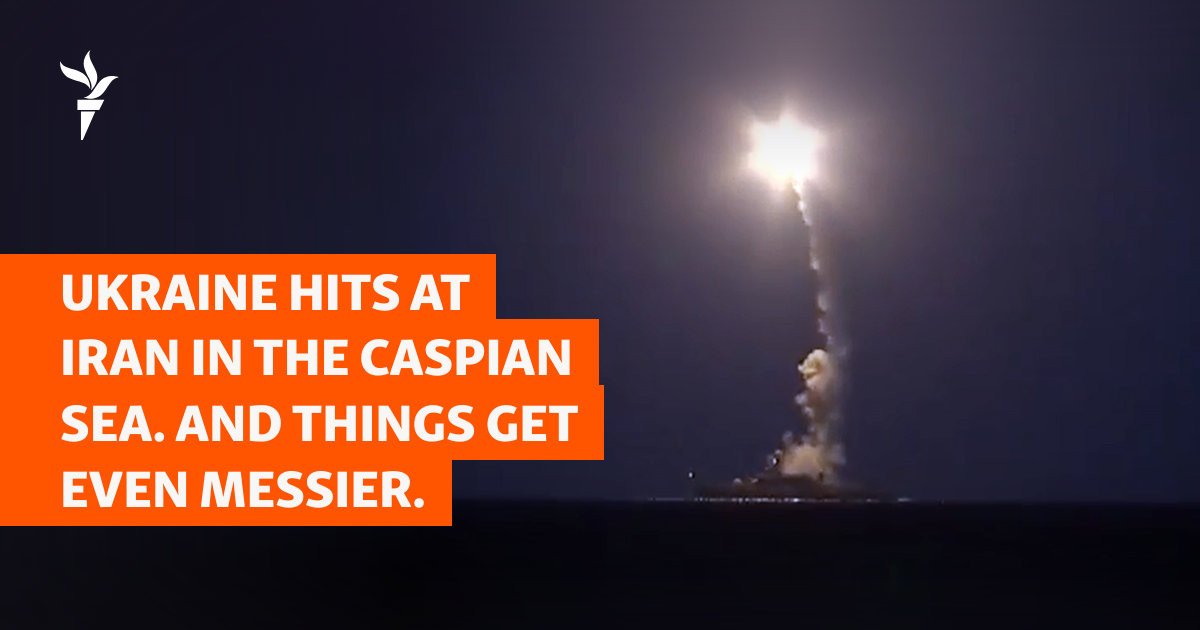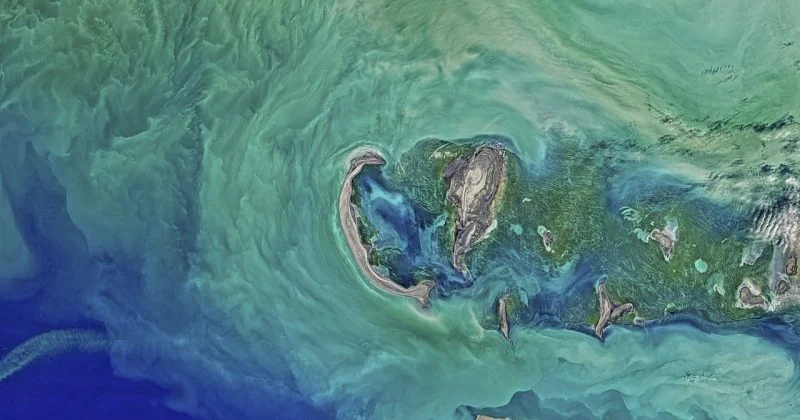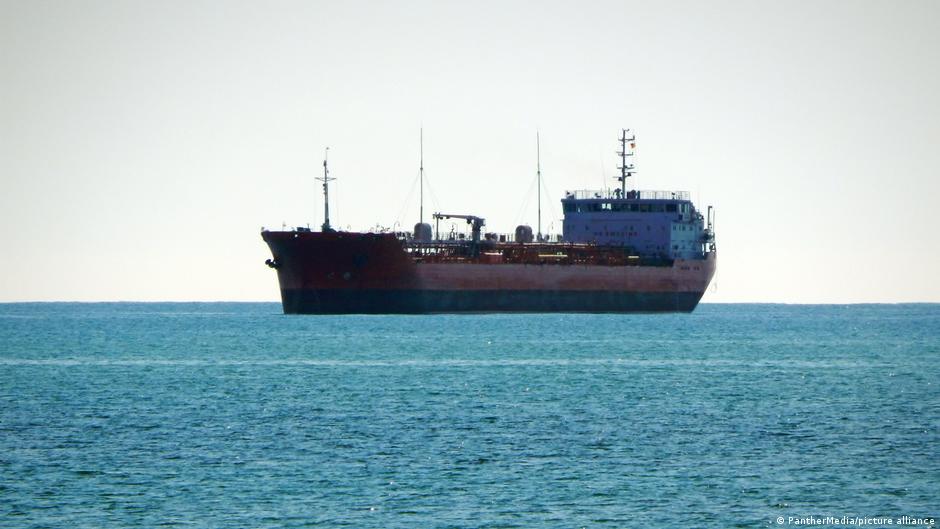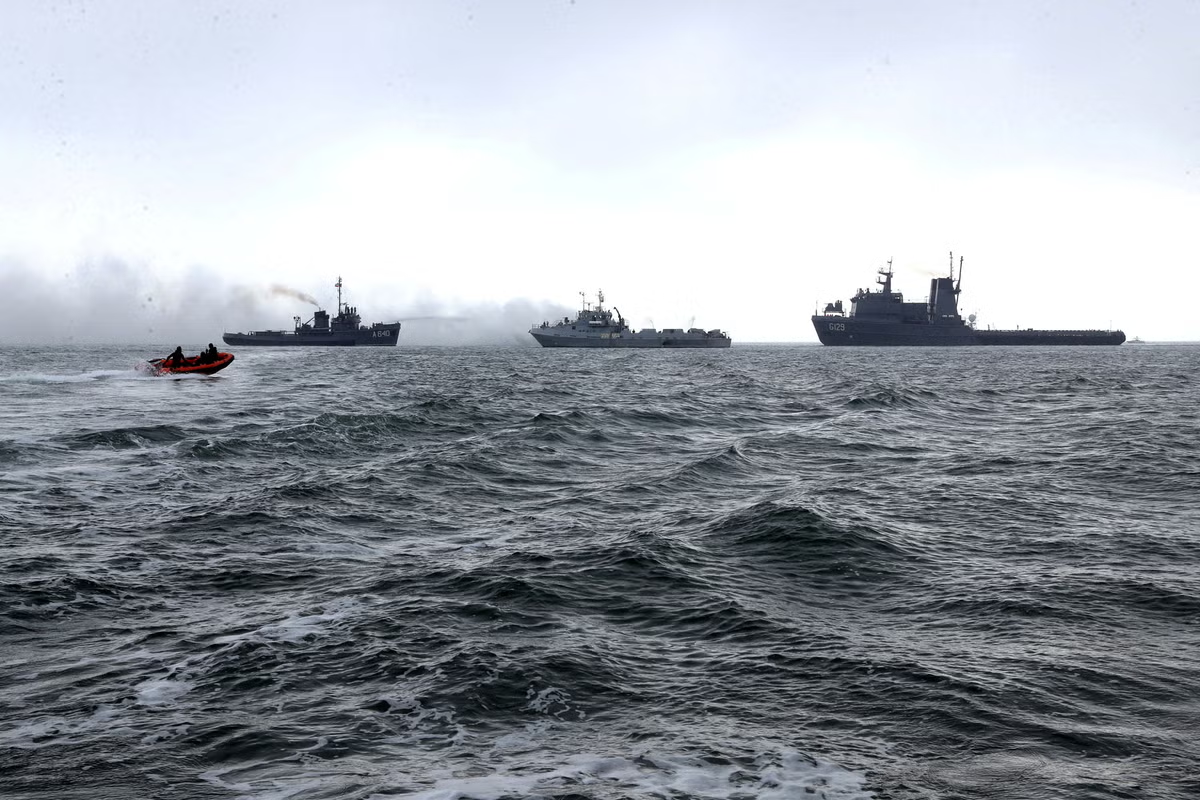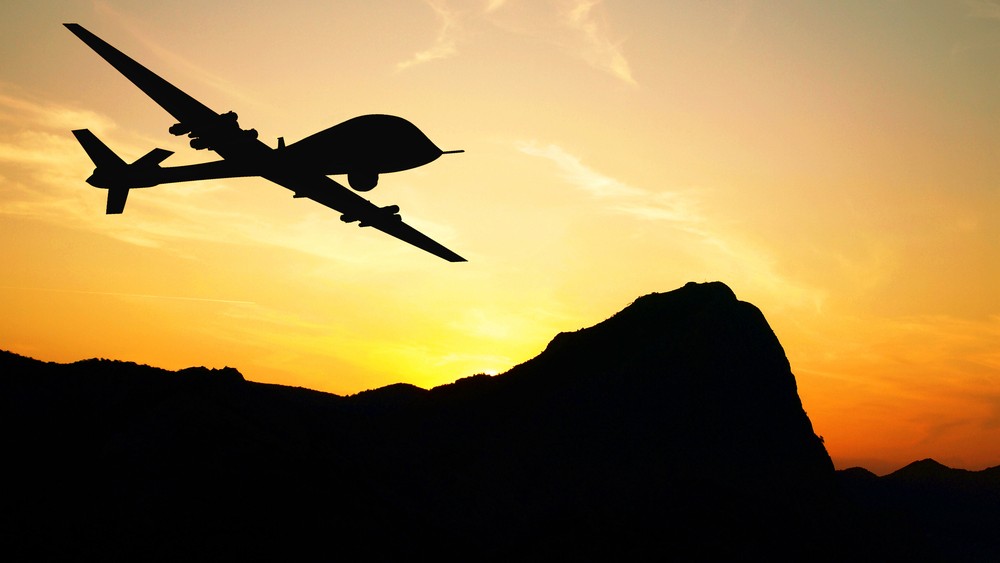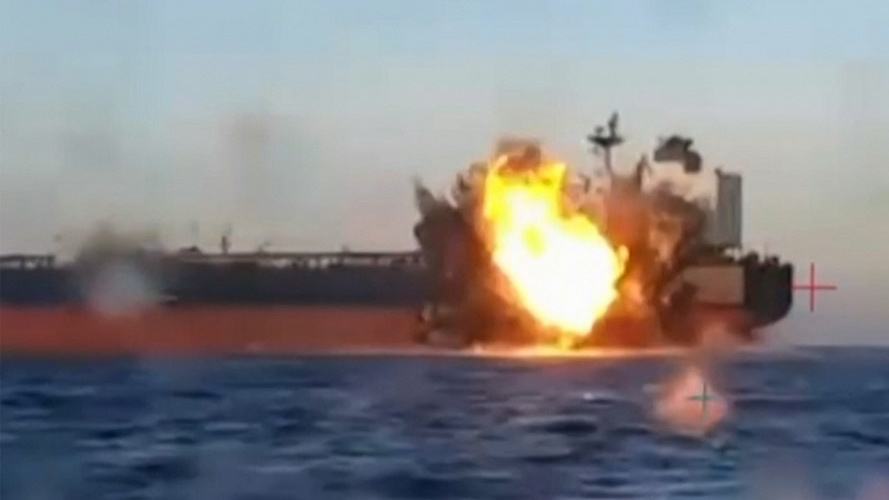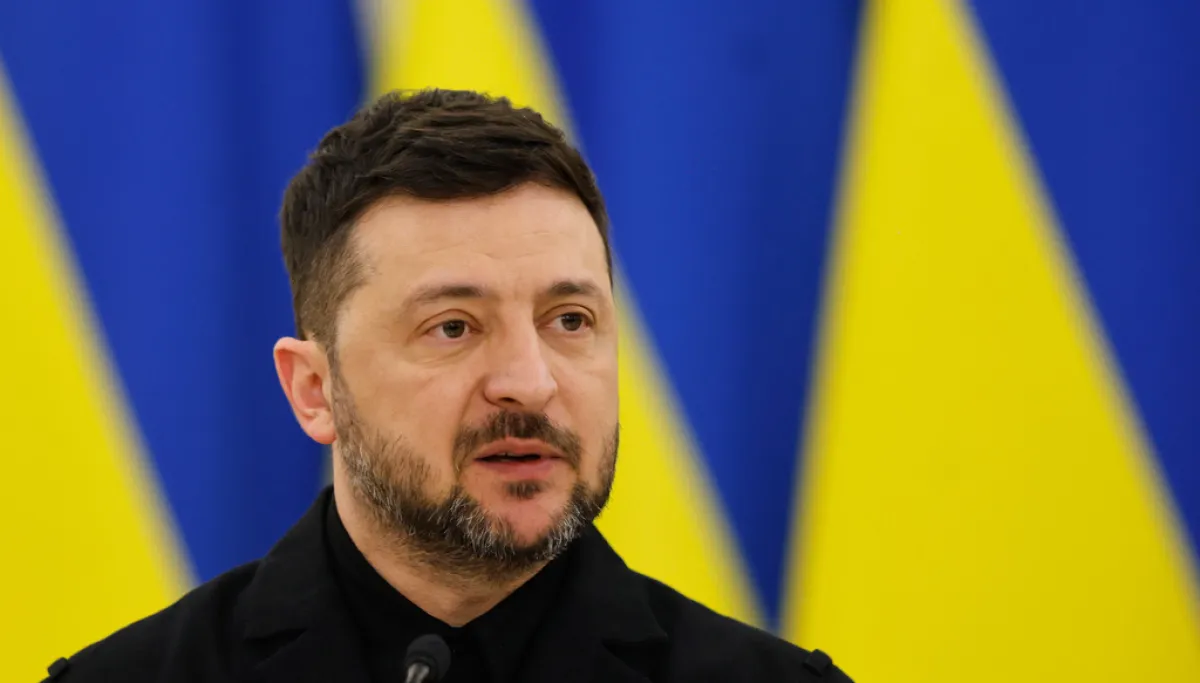
On the Caspian Sea, the largest lake on Earth, a war that began in a Ukrainian wheat field met a war that began over an Iranian centrifuge. On Saturday, by Ukrainian and Iranian accounts, Ukrainian drones struck an Iranian cargo ship, named by Tehran as the Anna, and a Russian warship operating alongside it. Iran said one of its sailors was killed and another wounded. Tehran summoned Ukraine’s envoy, condemned the strike as a “hostile and criminal” act, and its ambassador in Moscow said he expected Russia to respond.Two wars, one drone.Kyiv did not apologize. Ukrainian President Volodymyr Zelensky said his forces had struck vessels moving Iranian military cargo to Russia, and then added a detail worth more than the ship: Russia, he said, had been feeding Iran satellite imagery of Gulf air bases and American facilities — and Iran’s missiles have been landing where those cameras looked. The supply line and the targeting line, it turns out, run through the same two capitals.
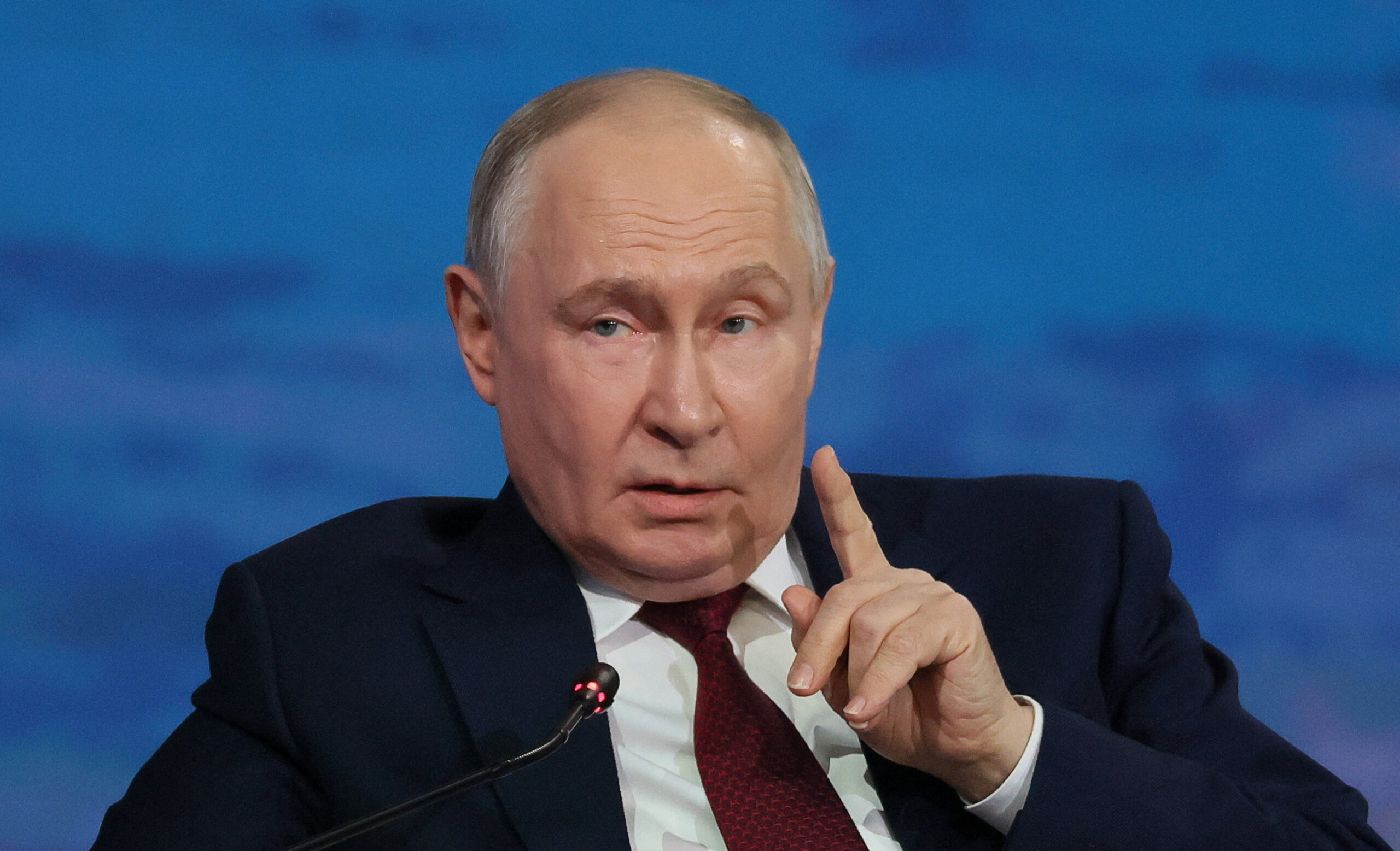
RUSSIA ISN’T NEGOTIATING OVER UKRAINE. IT’S RUNNING A CLOCKLook west, and the pattern repeats. Since July 6, Ukraine has closed the Sea of Azov the way Iran once threatened to close the Strait of Hormuz — not with a fleet, but by making passage unaffordable. Russia suspended traffic through the Don-Azov Channel and the Kerch Strait. CNN called it a “Hormuz-style crisis,” which is a generous way of saying that Moscow is now doing to its own coast what, since 2022, it has insisted Ukraine was too weak to attempt.And here is the part that belongs in a frame on a wall. The same Ukraine that is mining Russia’s supply routes in the Caspian has offered NATO-certified minesweepers to help reopen Hormuz for the West. One country. In one sea, it cuts the Russia–Iran lifeline. In another, it volunteers to guard the very traffic Iran tried to choke. The nation still fighting for its own shoreline has become an exporter of maritime security. And this week, its president was in Washington, naming anti-ballistic defense and strategic cooperation with America his top priority.Washington, meanwhile, has spent the summer marching Iran to the edge of a larger war and then stepping back — hours from the target in June, 13 nights of strikes in July before the pause. It is the same choreography as the 20% Hormuz “toll” that Washington announced one afternoon and quietly withdrew the next: maximum pressure, then a step back before the bill comes due.While the seas burned, the paperwork moved. On Thursday, the European Union’s 21st sanctions package reached into the Caucasus. It named Kulevi, Georgia’s only refinery, for the offense of processing Russian crude, in a country that now buys 99% of its oil from Russia. It named Inter RAO, the Russian state company that quietly owns the firm that keeps Tbilisi’s lights on.In Yerevan, the theater turned to farce. After Russia banned Armenian fruit and flowers to punish a government that keeps drifting west, Armenian Prime Minister Nikol Pashinyan telephoned Russian President Vladimir Putin to ask him to lift the ban. Putin’s reply, relayed by the Kremlin, was that Armenia should hold a referendum, as soon as possible, on whether it may even apply to join the European Union. A sovereign state, invited by its former master to schedule a vote on whether it is permitted to want a different future. Moscow calls this partnership.This is the map on which Washington has concluded that the referee is not merely impotent but compromised — a scorekeeper in the pocket of the players it is trying to pin. The verdict is not subtle. This year, the United States announced its withdrawal from 66 international organizations, 31 of them inside the United Nations. It is leaving the World Health Organization. It has walked out of the Human Rights Council, UNESCO, and the agency for Palestinian refugees. It is watching the U.N. drift toward insolvency — the secretary-general calls it a race to bankruptcy — and declining to throw a rope.Nor does Washington merely vacate its own seats. As the country that hosts the U.N., it has also discovered that it decides who is permitted to fill theirs. This spring, it declined to grant a visa to Russia’s deputy foreign minister for a Security Council session, one chaired, fittingly, by China, and Iran’s foreign minister never reached the room either. The 1947 agreement that planted the U.N. in New York obliges the host to admit every member state’s envoys “as promptly as possible.” Washington now reads that clause the way it reads the rest of the building: as a courtesy that it may withhold. The cheapest way to silence a delegate, it turns out, is to misplace his paperwork.For the case against the chamber, consider a single fact. In 2021, the U.N. elected Iran, a regime that jails women for showing their hair, to its Commission on the Status of Women. When the U.S. moved to expel Tehran after it beat its own daughters in the streets, Russia and China voted to keep it seated. Remember that the next time the hall clears its throat to lecture anyone on human rights.The same week, Venezuela’s American-installed interim government walked out of the International Criminal Court, and Washington applauded. A U.N. mission protested that the exit lets Caracas evade accountability. Accountability — from the institutions that once seated Iran to sit in judgment of women.The critics have a rebuttal, and it deserves a hearing: the American retreat is a gift to Beijing. Perhaps. China is the U.N.’s second-largest funder, and every empty American chair raises China’s bill — at the precise moment Washington is raising China’s tariffs. Beijing may inherit the building. It cannot inherit an America that has already left it, and it must now pay to light a house whose reputation is in free fall. Whether that is abdication or strategy depends entirely on what you thought the house was worth.PUTIN CAN’T BEAT UKRAINE. HE’S BETTING HE CAN OUTLAST AMERICAWhether any of it was coordinated, no one can prove — and the strategic effect points the same way regardless. The drones in the Caspian, the blockade in the Azov, the sanctions in Tbilisi, the ultimatum in Yerevan, the empty chairs in New York: one fortnight, three capitals — Moscow, Beijing, Tehran.Read the map, and decide for yourself what to call it.Emzari Gelashvili is a San Francisco-based geopolitical analyst and columnist who monitors Russian-language media. From 1996 to 2008, he served as a senior official across Georgia’s Ministry of State Security, Ministry of Defense, and Ministry of Internal Affairs, with a counterintelligence career focused on Russian and Iranian intelligence operations, and he was a member of the Georgian Parliament from 2008 to 2012. His work appears in Newsweek, the Hill, the Washington Examiner, RealClearDefense, and RealClearWorld, and at emzargelashvili.substack.com.