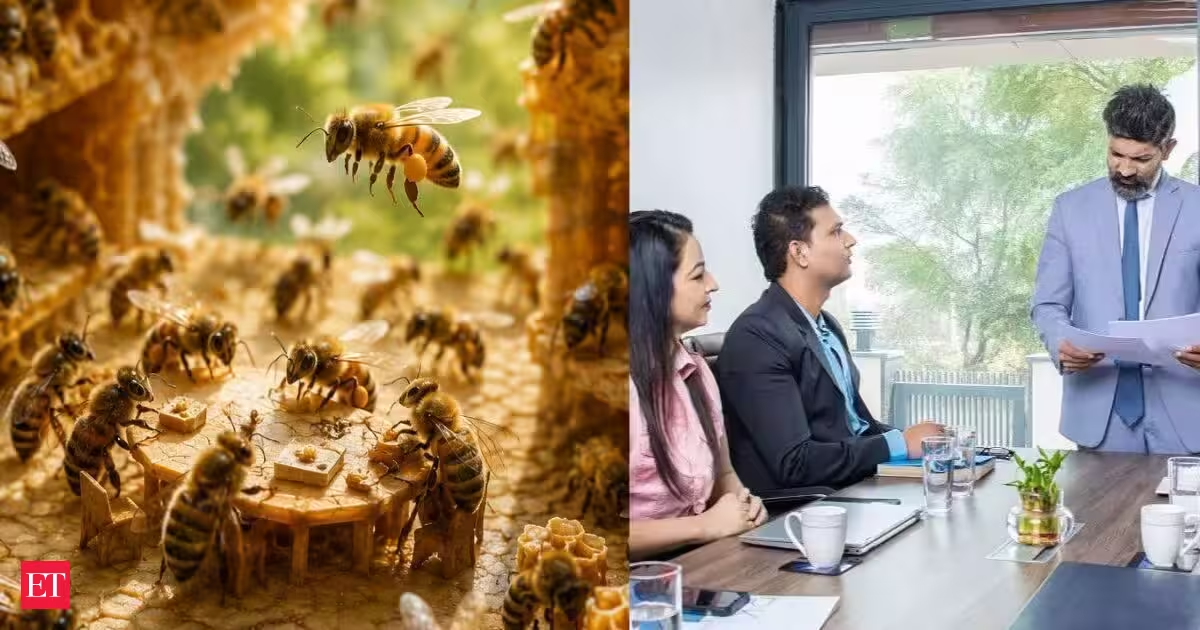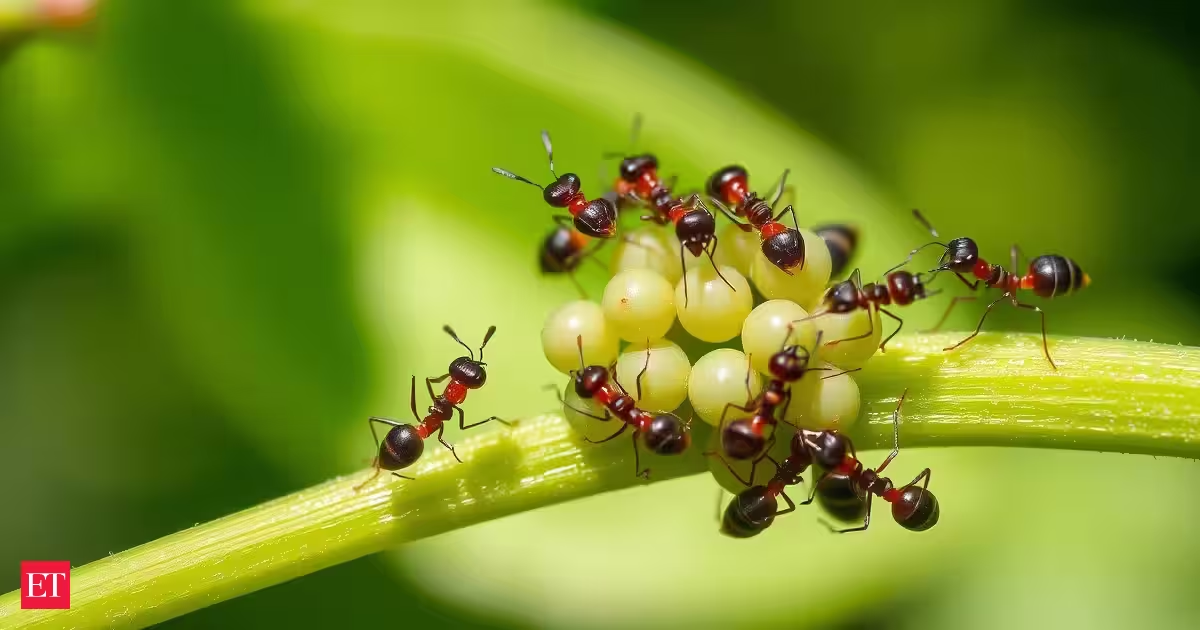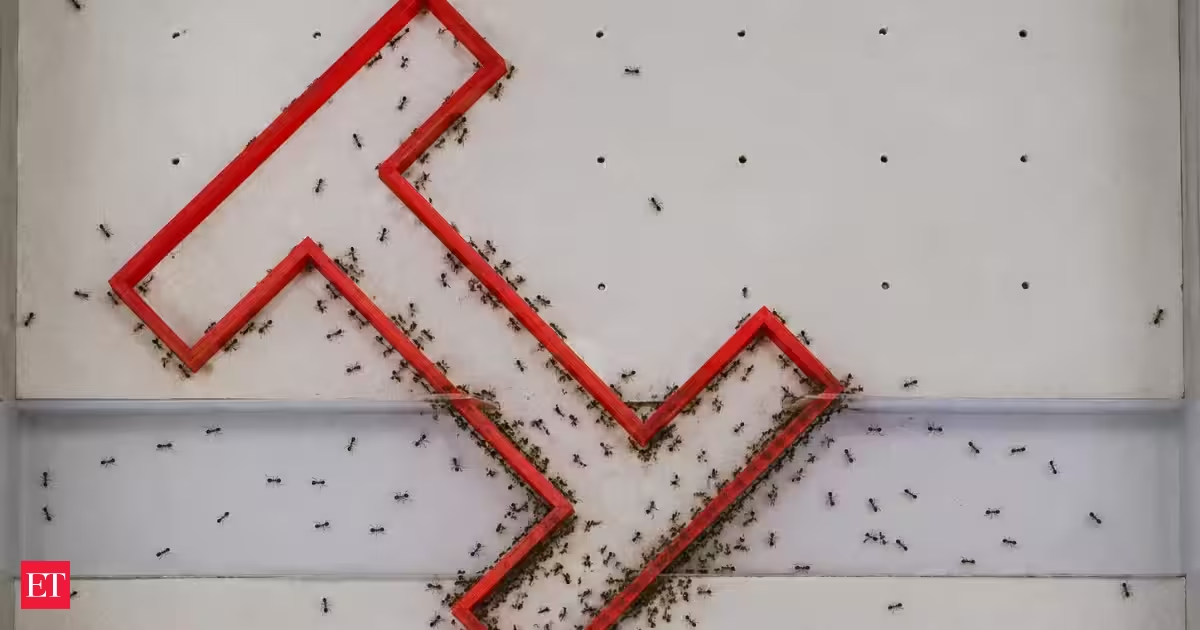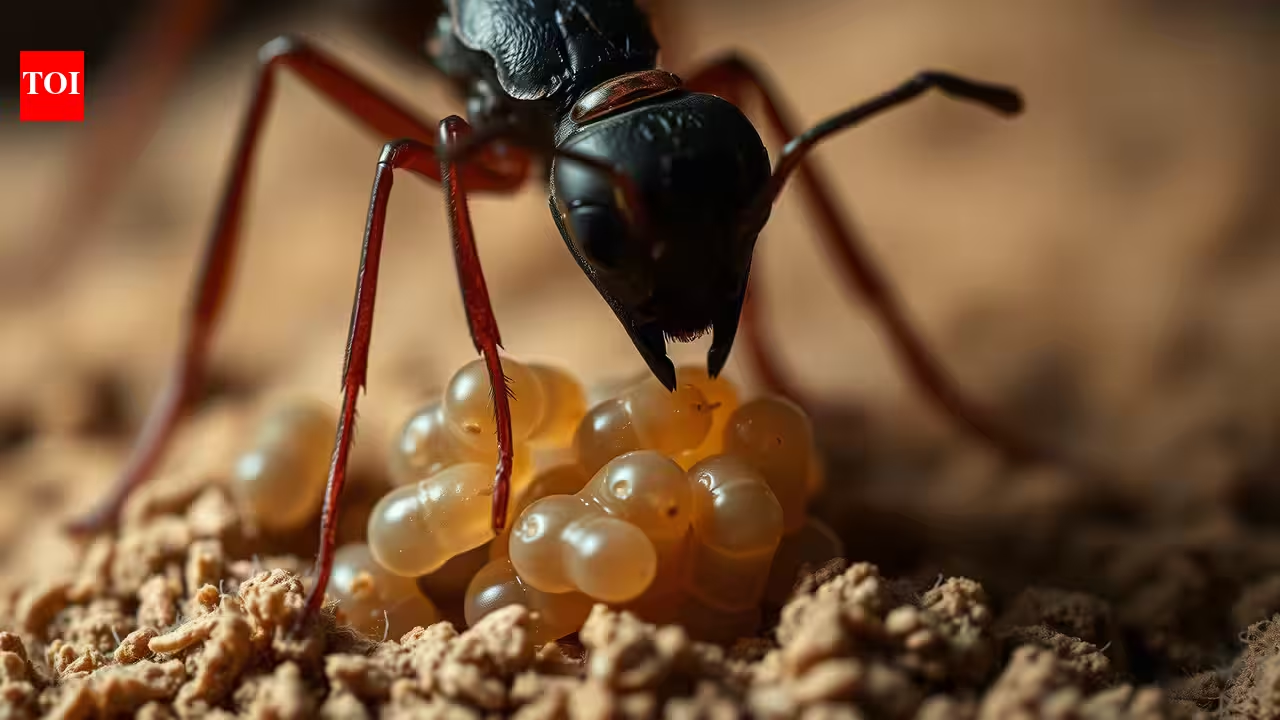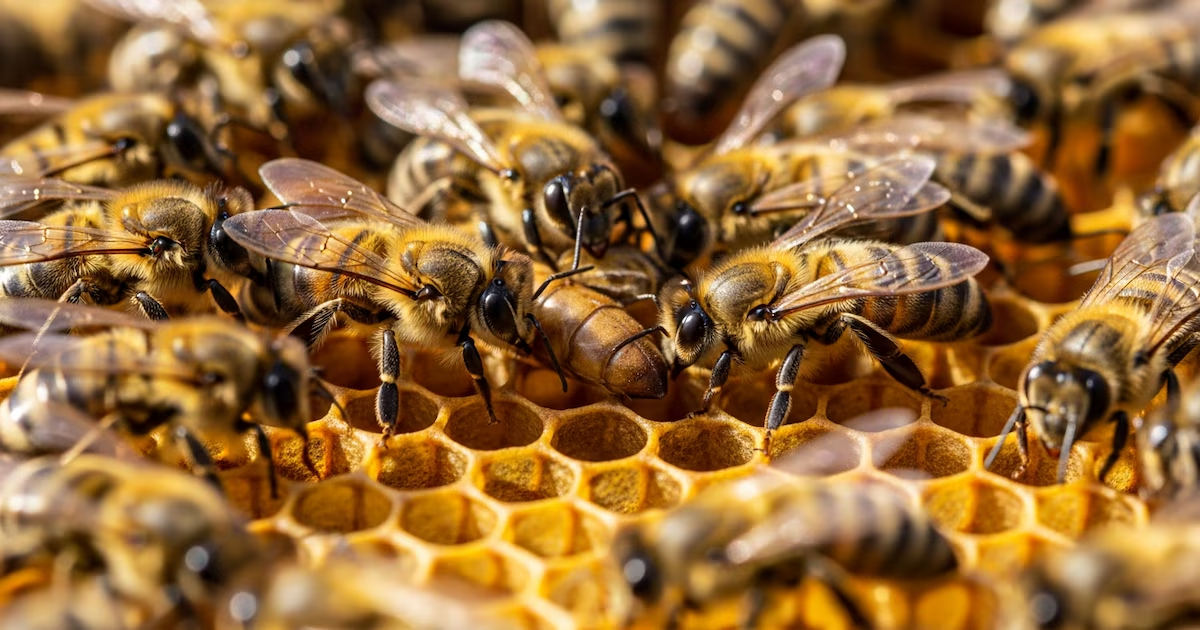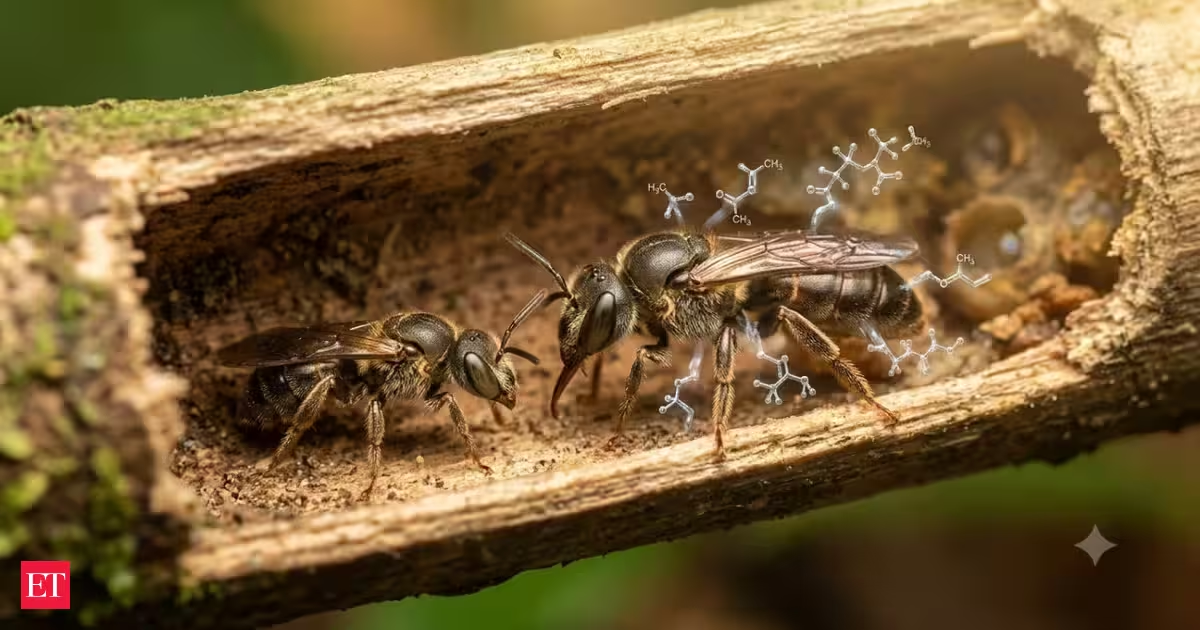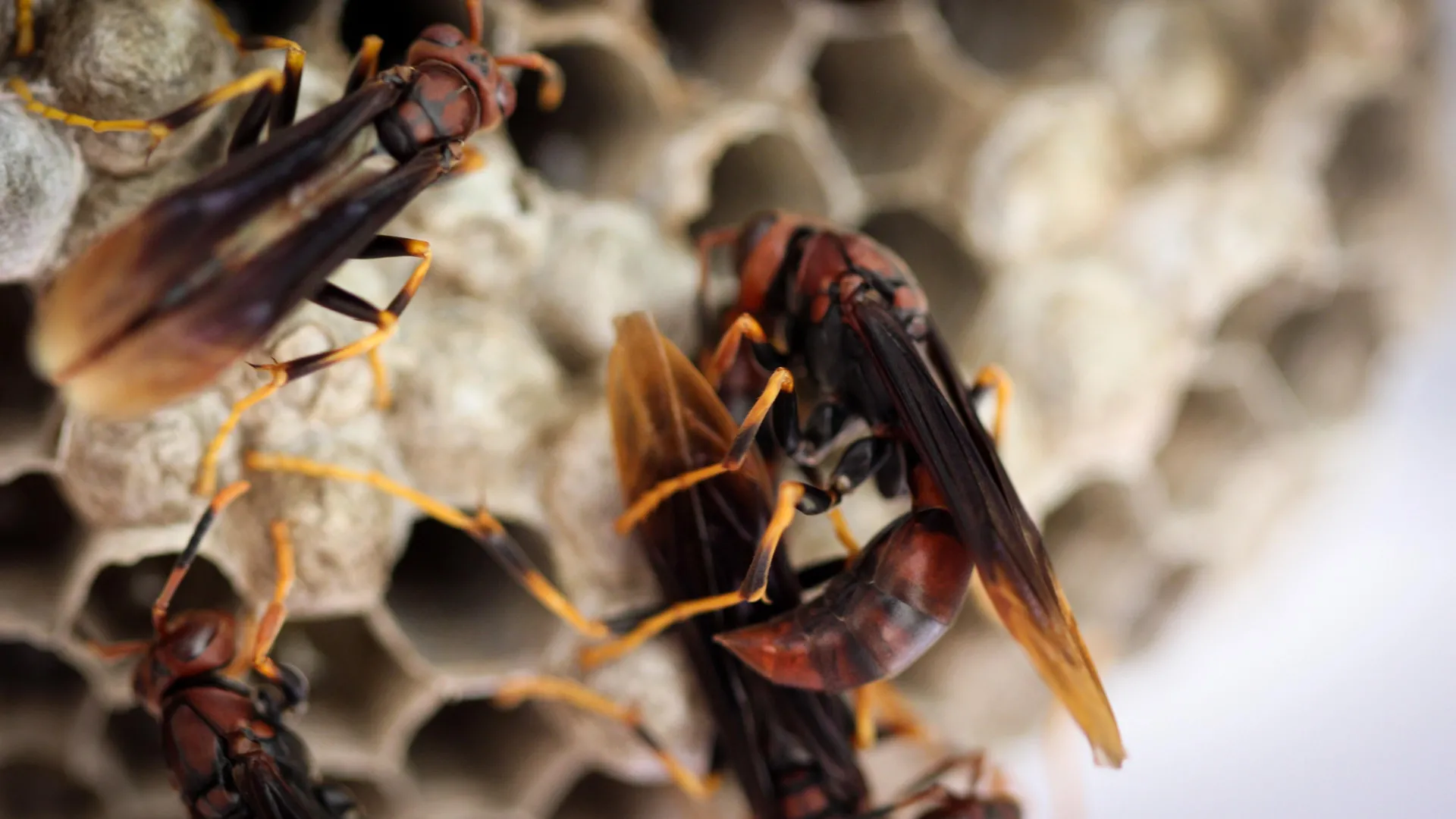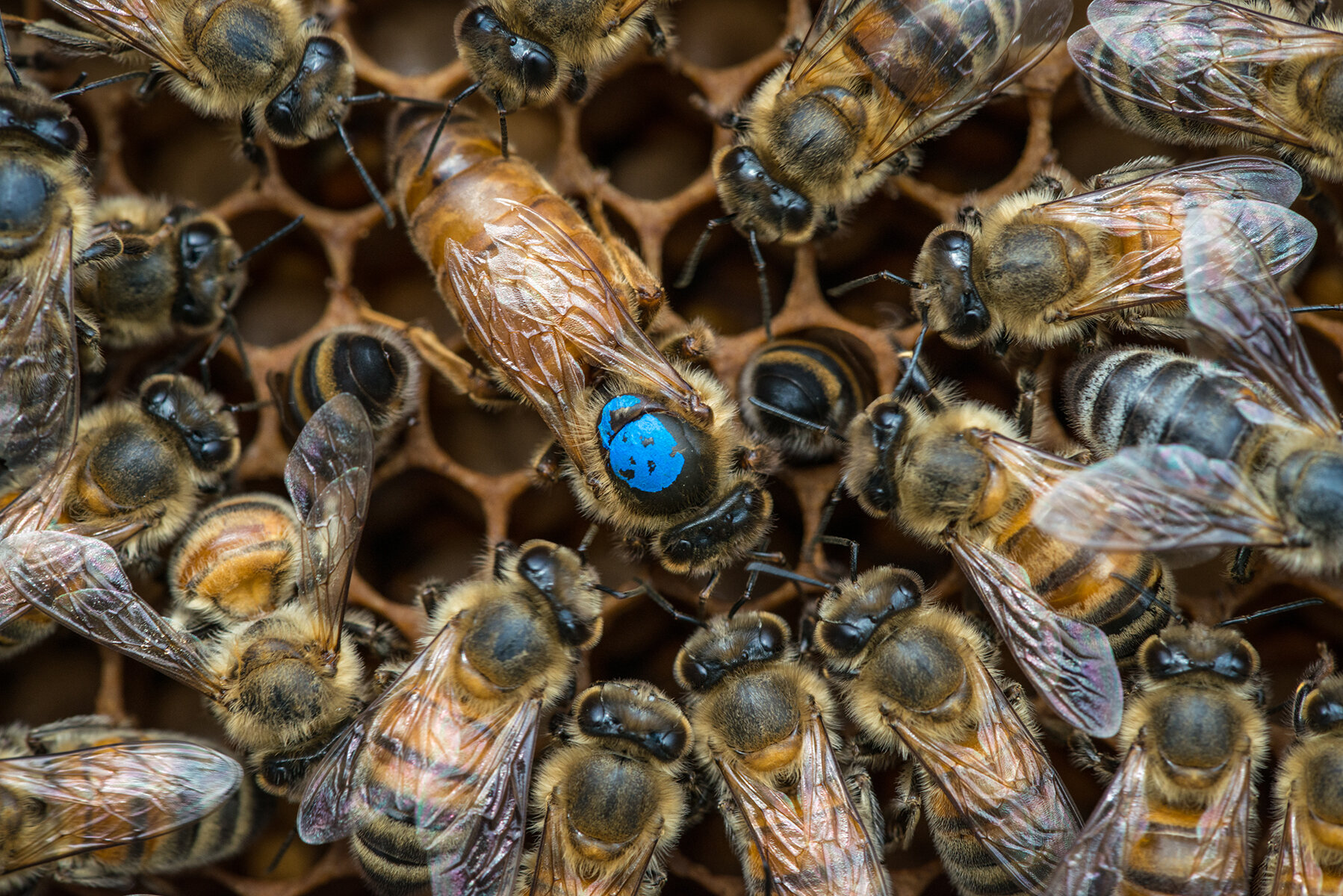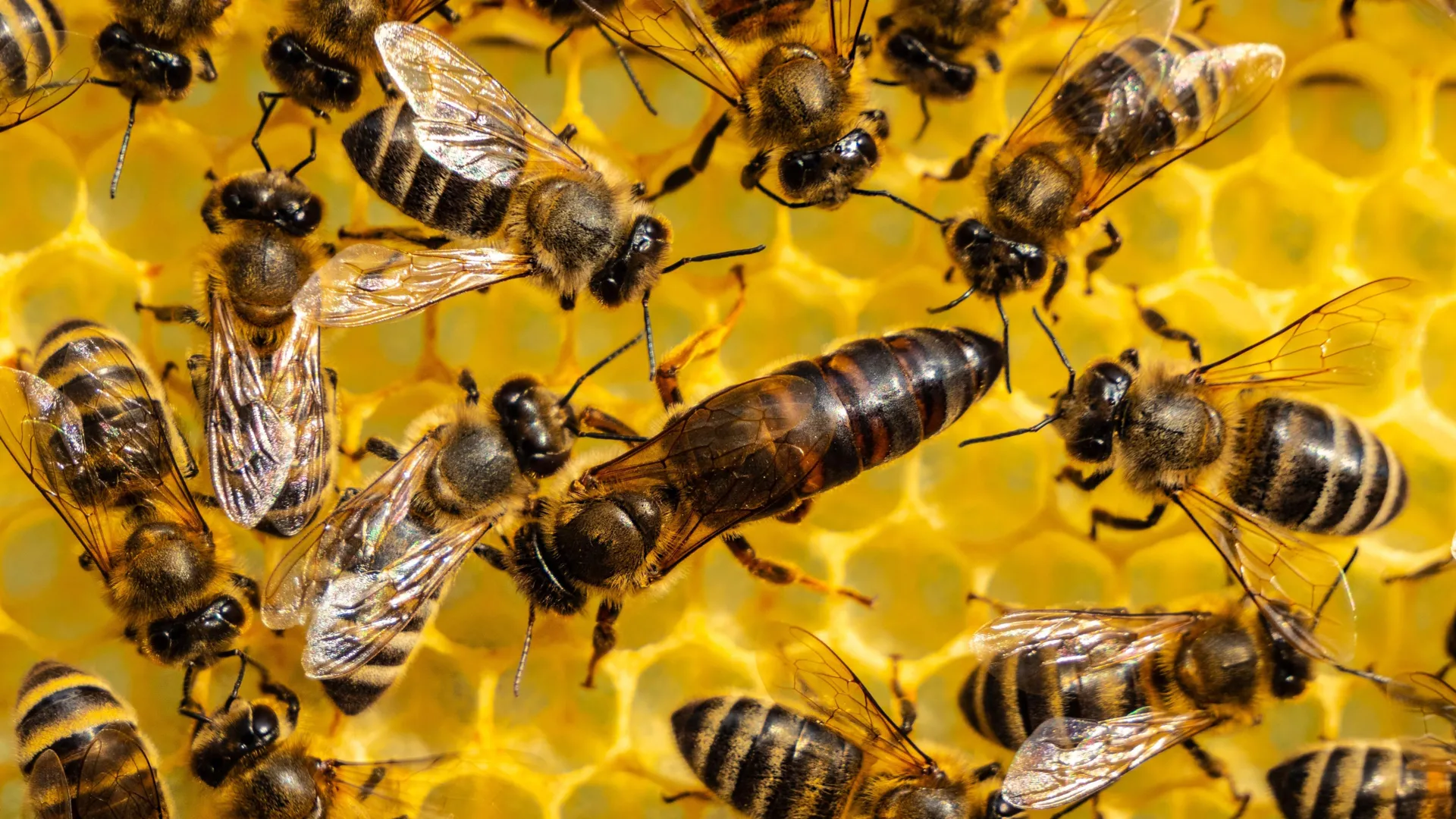
For more than six decades, evolutionary biologists have debated whether an unusual genetic system shared by ants, bees and wasps helped drive one of nature's most sophisticated forms of social organization: eusociality. In eusocial colonies, reproduction is divided between queens and workers, creating highly cooperative societies with specialized roles.
New research from Arizona State University now suggests that genetics alone may not explain how these complex societies evolved.
Published in Current Biology, the study found that eusociality does seem to arise more often among insects with a haplodiploid genetic system. However, nearly all of that pattern can be traced to one particular group: the aculeate Hymenoptera, which includes stinging wasps, bees and ants. When insects are considered more broadly, haplodiploidy alone does not reliably predict whether eusociality will evolve.
The results suggest that the repeated emergence of complex insect societies may depend more on biological traits specific to certain evolutionary groups than on the way chromosomes are inherited.
"People have been discussing this hypothesis for about 60 years," said Sachin Suresh, a PhD student in the School of Life Sciences at Arizona State University and lead author of the study. "There were many theoretical predictions, but formal comparative tests across insects have been surprisingly rare."