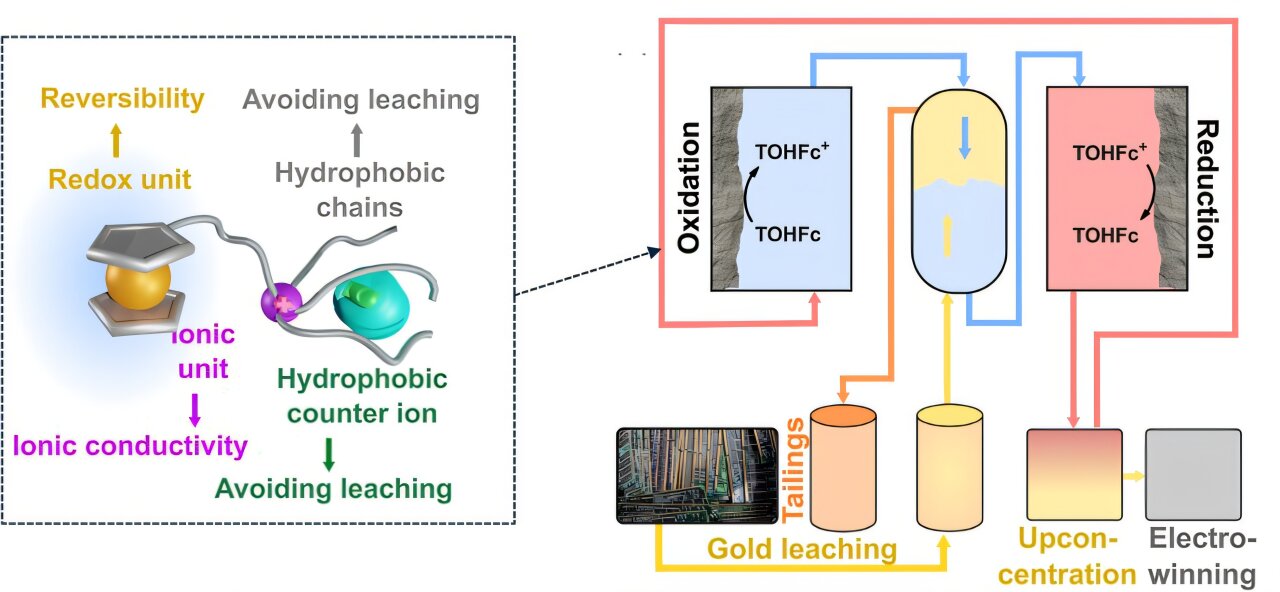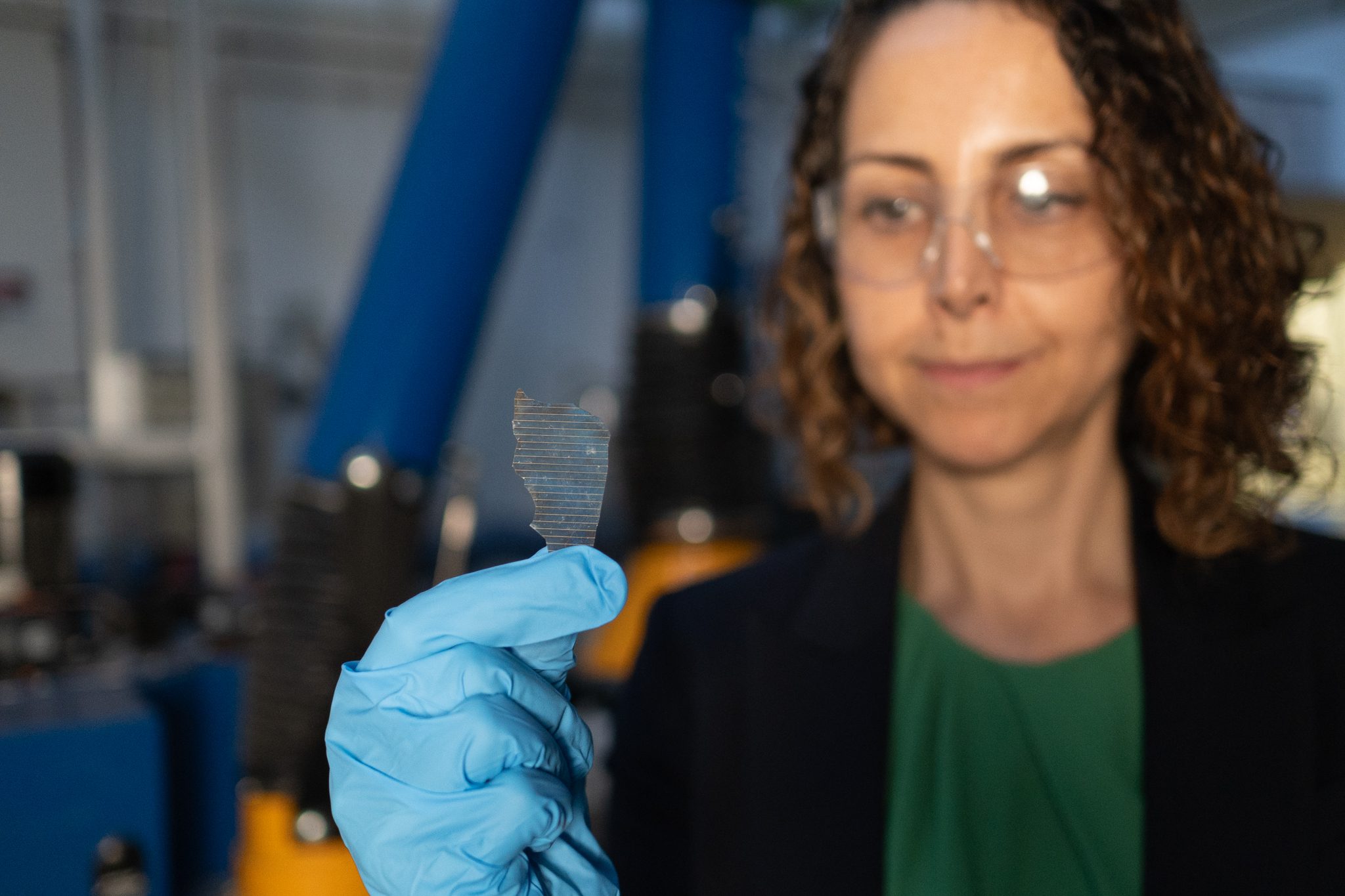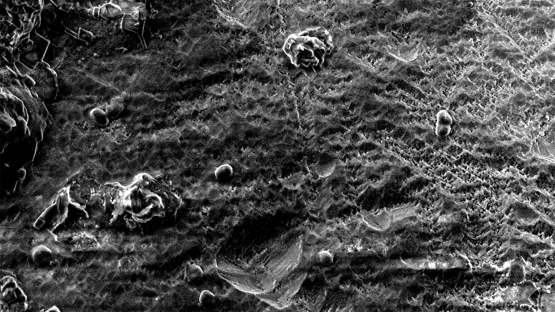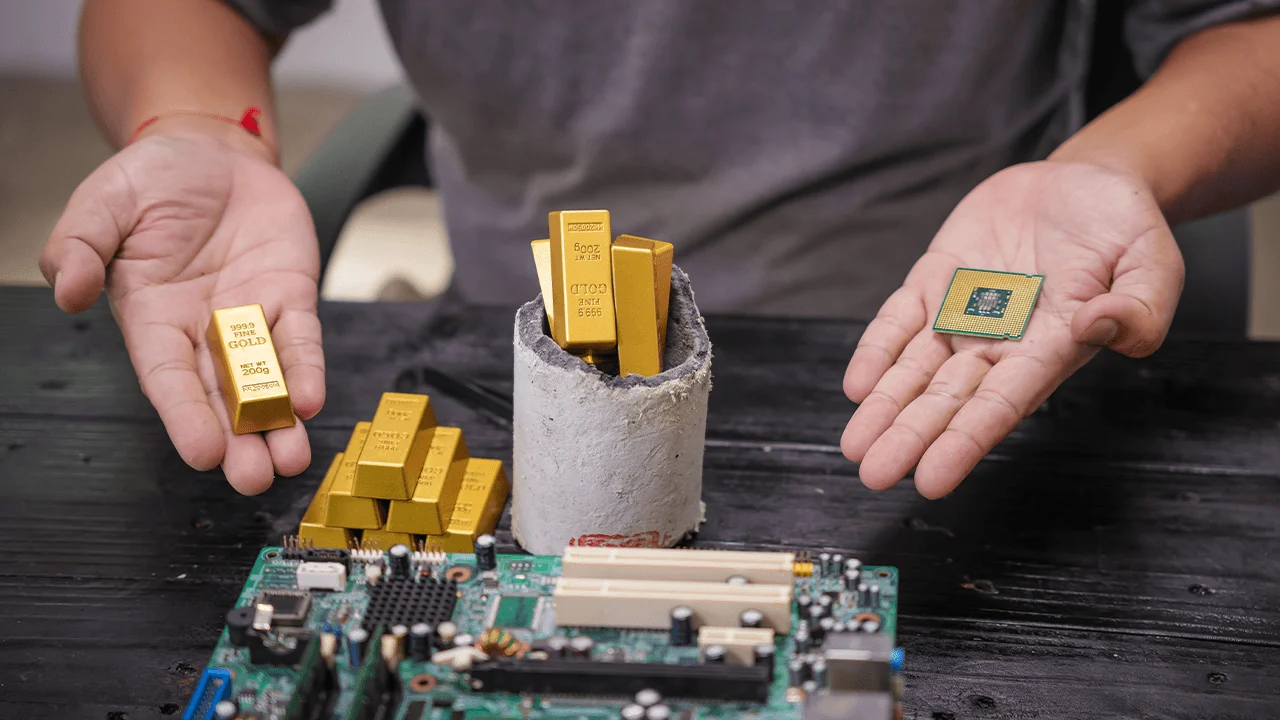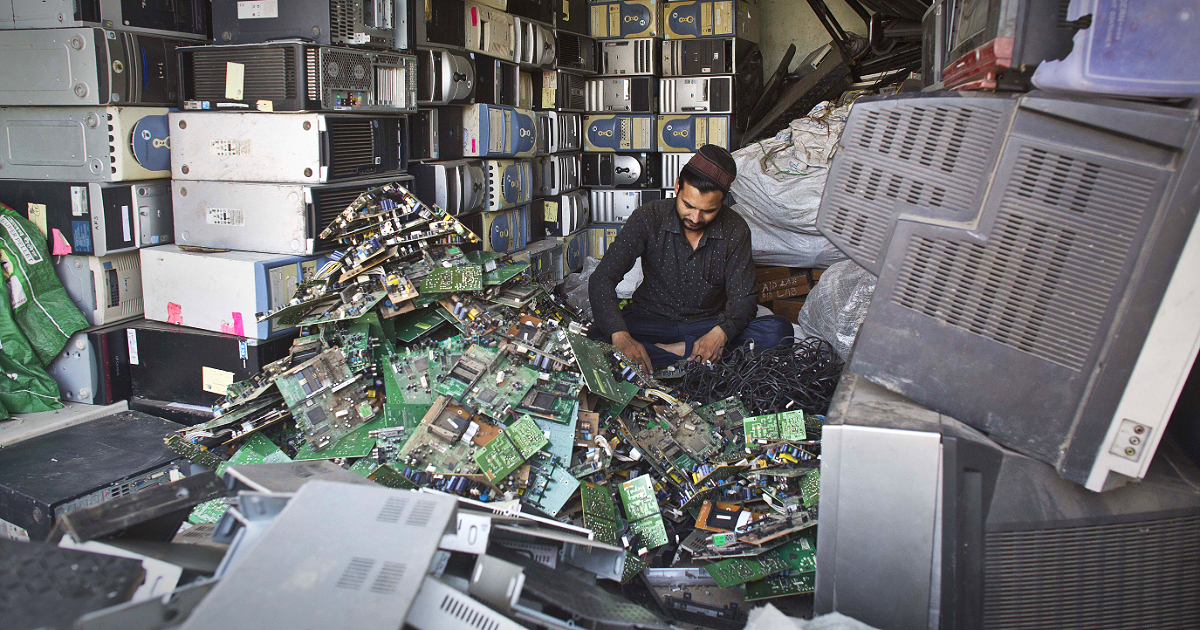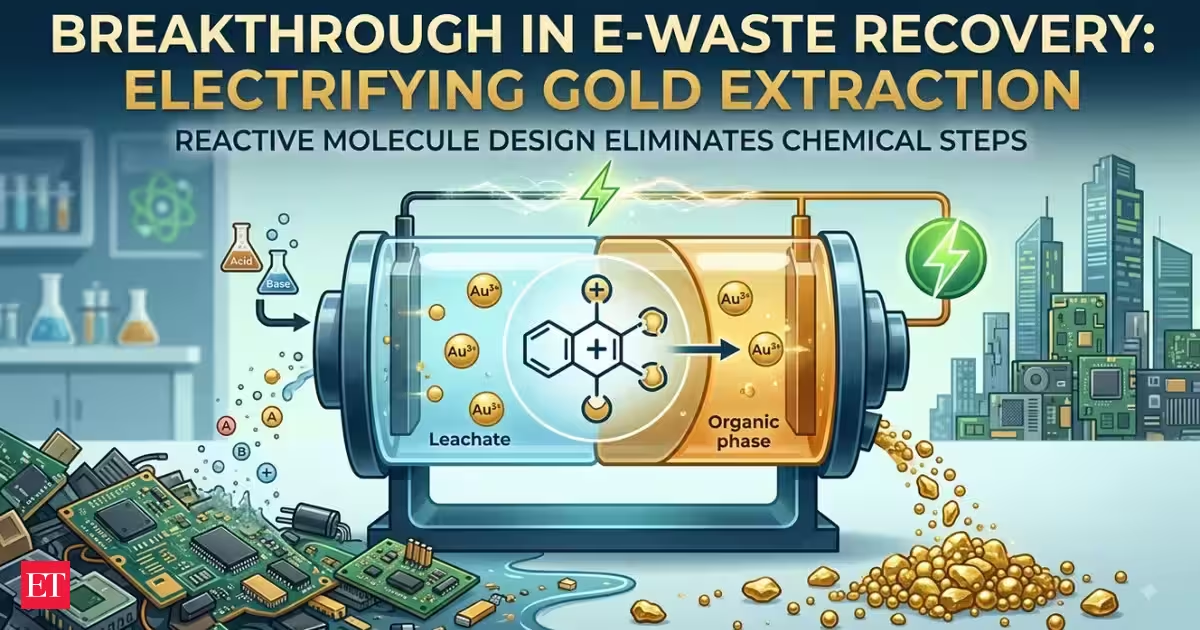
In 2024, researchers at the University of Illinois Urbana-Champaign showed that electricity could replace many of the chemicals traditionally used to recover gold from electronic waste. Two years later, the team has taken that work a step further.Researchers led by chemical and biomolecular engineering professor Xiao Su have developed a redesigned molecule that removes the remaining chemical step from the process, as per a report. The molecule can bind metal ions, carry a permanent electrical charge and remain soluble in the organic phase used during extraction, allowing electricity to drive the separation process, as per an EurekAlert report.The findings, reported in ACS Energy Letters, could simplify metal recovery while significantly reducing the need for chemical reagents.The 2024 breakthrough still relied on chemicalsThe new study builds on research published by Su's group in 2024. That work introduced a continuous electrochemically mediated liquid-liquid extraction process, known as e-LLE, for recovering gold from electronic waste.The process demonstrated that electricity could replace many of the acids and bases traditionally used in liquid-liquid extraction, a common method for separating and purifying metals, according to the report.You Might Also Like:But the system still required additional chemical reagents to complete the extraction cycle. The latest study focuses on removing that final chemical step by changing the extraction molecule itself.The redesigned molecule does three jobs at onceRather than redesigning the extraction process, the researchers changed the molecule used to recover the metal.The new molecule performs three functions simultaneously. It selectively binds metal ions, carries a permanent electrical charge and stays soluble in the organic phase used during extraction.Because the molecule has a built-in charge, it can act as an electrolyte and conduct electricity. This allows the redox reactions involved in the extraction process to be driven by electricity instead of intermediate chemical reagents.You Might Also Like:Postdoctoral researcher Deborah Schmitt, a co-author of the study, said that, "The new molecule has a permanent built-in charge that acts as electrolyte, letting the liquid conduct electric current," adding, "That's what allows the redox reactions to be driven by electricity instead of chemicals. This work completely electrifies a separation process that industry heavily depends on chemical reagents to perform," as quoted by EurekAlert.Su pointed out the molecule can be charged, bind the metal, move it into the organic phase and then release it again using electricity.Gold from e-waste was the demonstrationThe researchers tested the new molecule by selectively recovering gold from electronic-waste leachates. These leachates are solutions produced when valuable metals are dissolved from discarded electronics.Gold served as the demonstration case, but the researchers say the broader contribution of the study is the set of molecular design principles behind the system, as per the EurekAlert report. Those principles could be used to develop electrically active extraction molecules for other metal separations.You Might Also Like:The process uses far fewer chemicalsBy directly electrifying the extraction process, the new system reduces chemical consumption by one to two orders of magnitude.Replacing intermediate chemical reagents also simplifies the extraction cycle and has the potential to reduce chemical waste and energy use.The researchers say the approach could potentially be adapted to recover other valuable metals, including platinum-group metals from spent automotive catalysts and other critical elements from mine tailings or complex feedstocks.Graduate student and co-author Aderiyike Aguda said that, "This system can be adapted to selectively recover many different valuable metals, like platinum-group metals from spent automotive catalysts and potentially a number of other critical elements from mine tailings or other complex feedstocks," adding that, "Since the electrochemical platform remains largely the same, the chemistry of the extractant can be tailored to target different metals depending on the application," as quoted by EurekAlert.The researchers want to take the technology furtherThe study establishes a framework for designing molecules that can make liquid-liquid extraction electrically driven.The next step is to explore how the technology can be scaled for industrial use. The researchers are also developing new molecule designs and pursuing collaborations involving computational modeling and artificial intelligence to accelerate the discovery process.Su highlighted that the work represents another step toward using electrochemistry for scalable, minimal-waste separations, as per the report.With growing attention on critical minerals and supply chains, the researchers see the approach as a way to rethink how valuable metals can be recovered using electricity while reducing reliance on chemical reagents.
In 2024, University of Illinois researchers showed electricity could recover gold from e-waste with fewer chemicals. 2 years later, a redesigned molecule removes the remaining chemical step, making metal recovery cleaner and simpler
Gold recovery from e-waste: Researchers at the University of Illinois have developed a new molecule that simplifies and electrifies the recovery of gold from electronic waste, eliminating the need for chemical reagents. This breakthrough enhances metal recovery processes, potentially revolutionizing the e-waste recycling industry.
712 words~3 min read