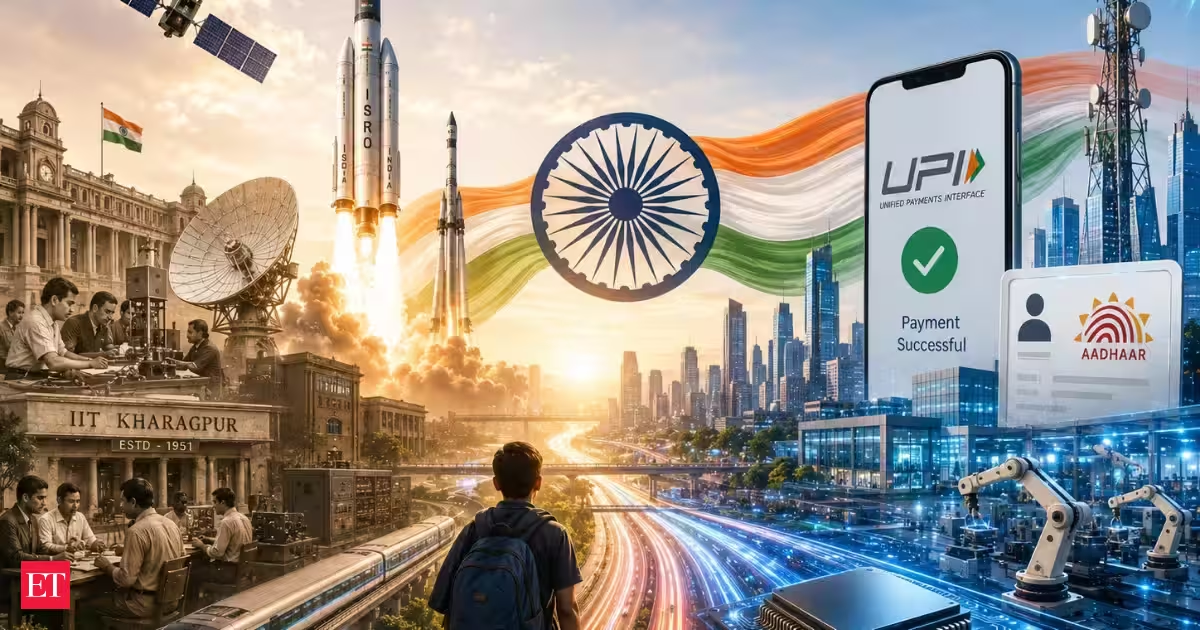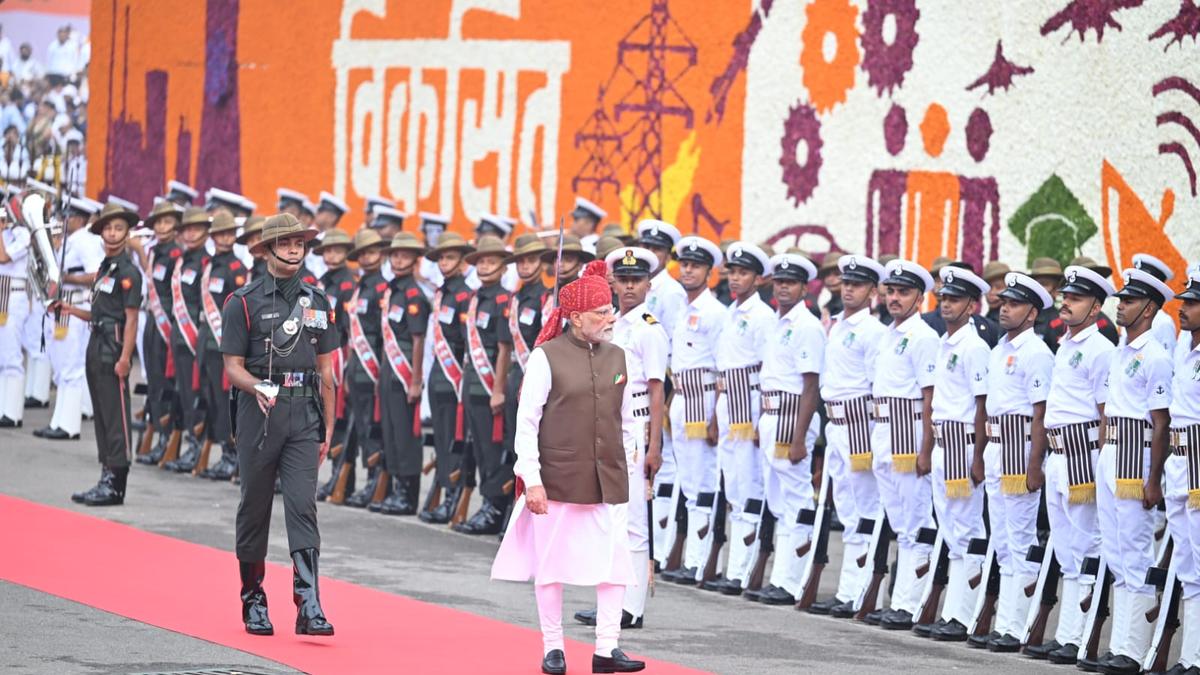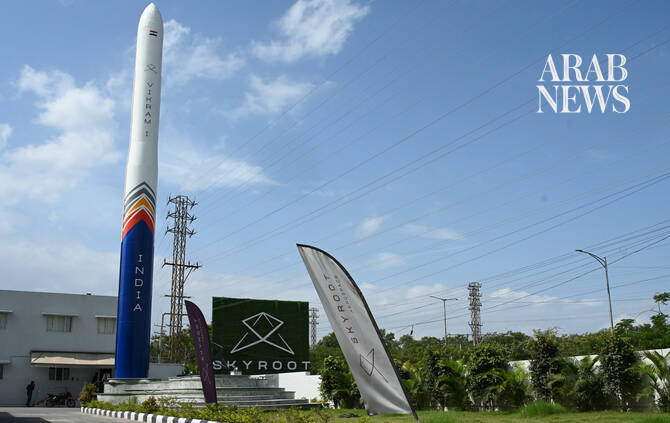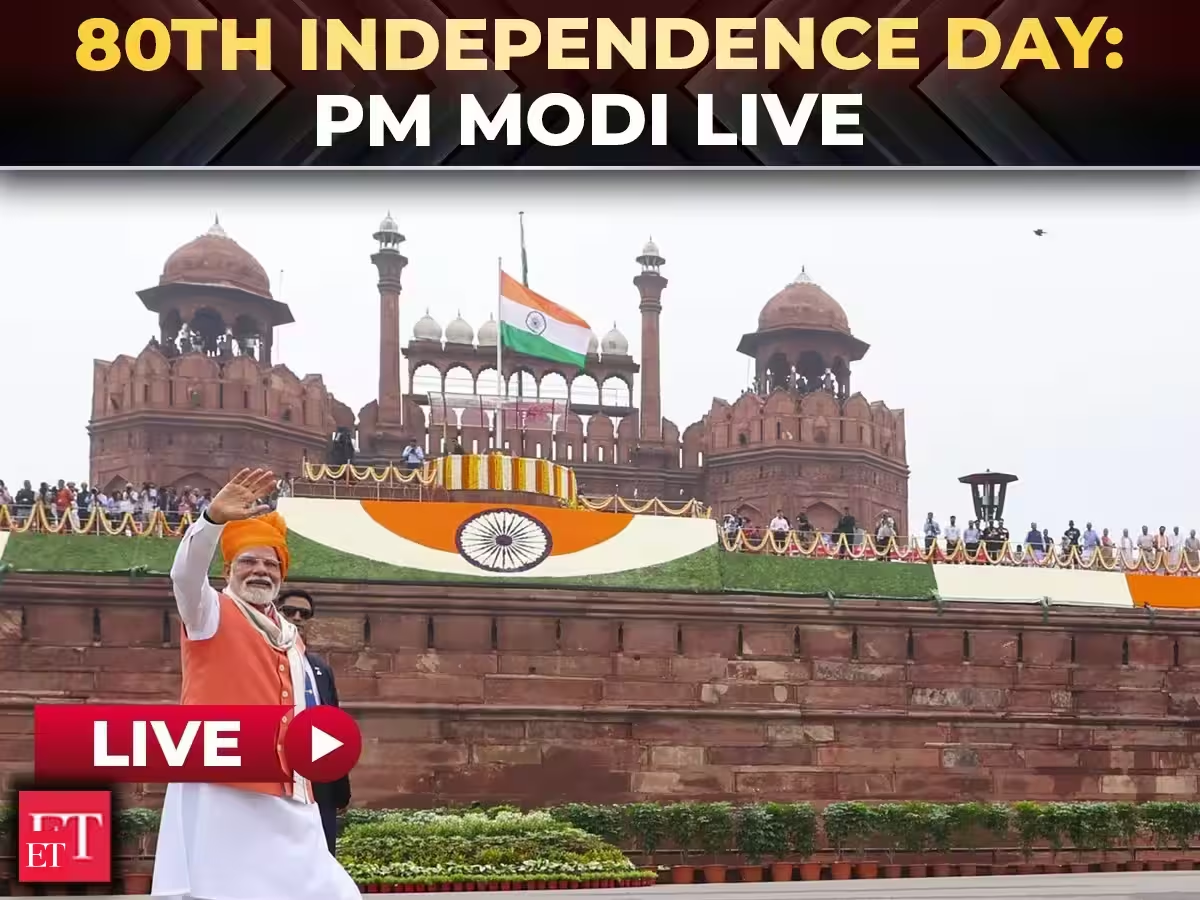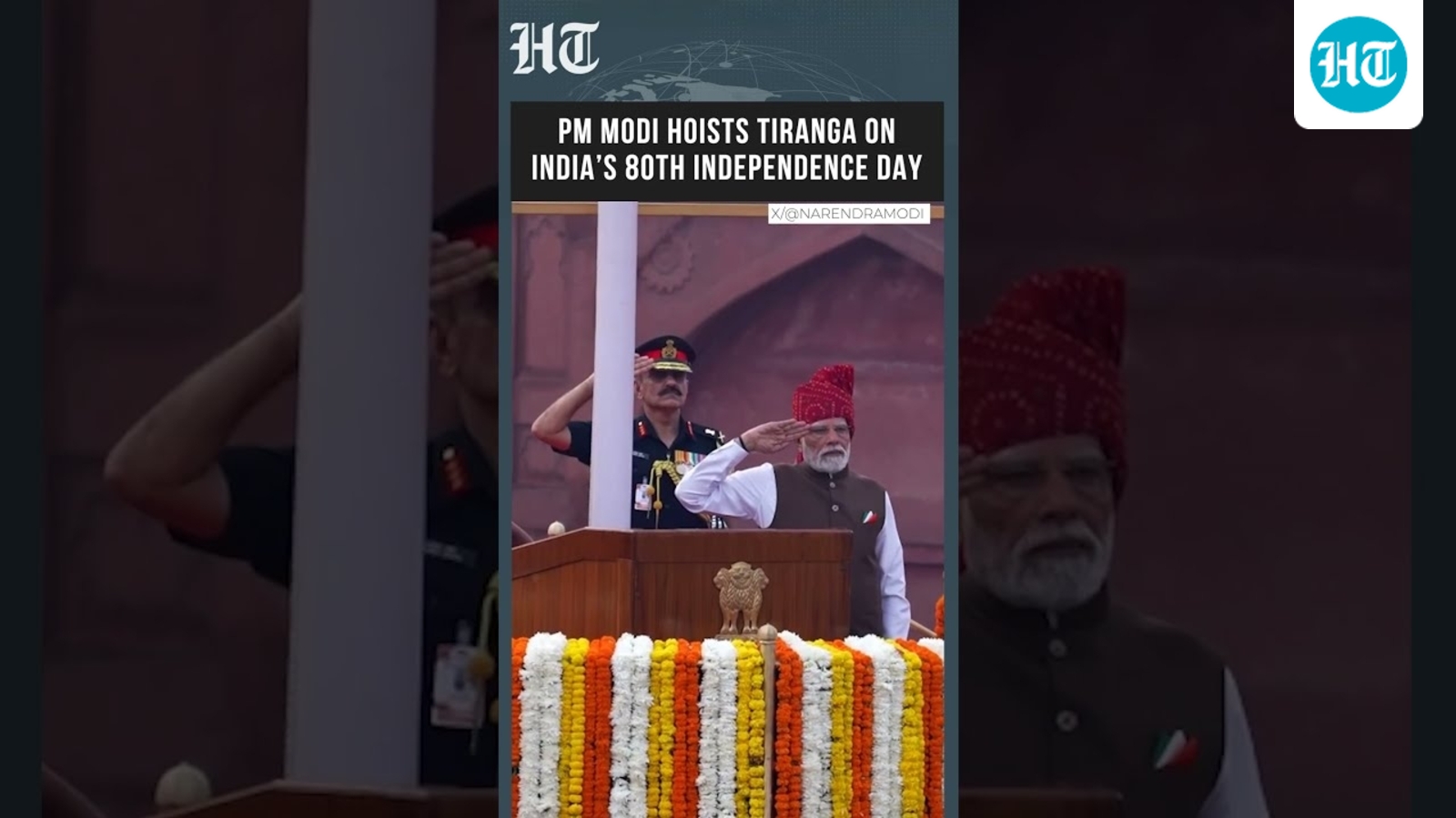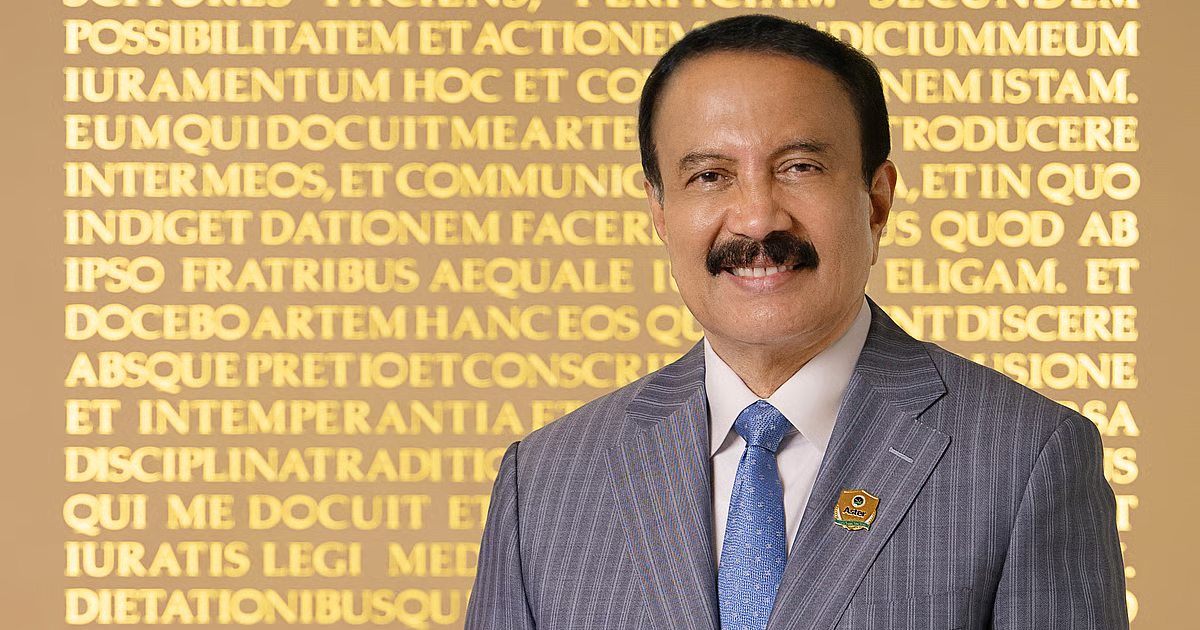
Eighty years ago this month, a flag rose over the Red Fort for the first time as a free nation's own. This Independence Day, that same flag will rise again, but behind it stands a very different country: one building its own chips instead of importing them, powering villages with its own sunlight, and, for the first time, fielding a Red Fort parade made entirely of Indian-built equipment. This year’s Independence Day theme, centered on a Developed India shaped by indigenous technology and a genuine green transition, captures that shift precisely. If freedom in 1947 was about the right to govern ourselves, freedom at 80 looks increasingly like the ability to build for ourselves.Healthcare, the field I know best, tells a story that runs even deeper than eighty years. India’s relationship with healing goes back to Ayurveda and the traditional systems of medicine that shaped how this civilisation understood the human body long before the language of modern science existed. That inheritance never disappeared, it has simply been joined in recent decades, by a modern healthcare system now capable of standing alongside the best in the world. The Ayushman Bharat Digital Mission has extended access and continuity of care to hundreds of millions of citizens who, a decade ago, had no digital health record at all. Local manufacturing of advanced medical equipment such as robotic surgical tools, wearable diagnostics, is finally catching up to India's clinical talent. AI-assisted screening for diseases like tuberculosis and cervical cancer is helping catch illness earlier in communities that have historically been the last to benefit from medical innovation.The result is visible in a simple change: Indians increasingly no longer need to look outside the country for advanced care, whether it is a complex cardiac procedure, an organ transplant or a cutting-edge cancer treatment. In fact, the direction of travel has reversed. India has fast emerged as a go-to hub for patients from across the world, with international tourists and medical travelers from both Eastern and Western countries choosing India for care that is world-class in quality and, critically, accessible in cost. This ancient wisdom, modern science and infrastructure, are the foundation of a healthier, more self-reliant nation.For decades, India's technology story was one of talented people leaving to build elsewhere. That is changing fast. Semiconductor fabrication units are now rising across Gujarat, Rajasthan and Odisha, telecom players are already running 6G trials well ahead of schedule, and domestic chip-design start-ups, once rare, now number in the dozens. The ambition has shifted from importing technology to owning pieces of its future. The same shift is visible in energy. The Green Hydrogen Mission has moved from policy to commissioned electrolyser capacity and green ammonia contracts priced below global benchmarks. Rooftop solar has reached millions of homes under PM Surya Ghar Yojana, and Mission LiFE keeps nudging everyday habits towards sustainability. It all adds up to a country trying to grow without repeating the mistakes of those who grew before it.I have watched much of this unfold from Dubai, where I moved in 1987 to set up what eventually became Aster DM Healthcare, and where I have now spent nearly as many years of my life as I spent growing up in India. Distance changes how you see your own country – you notice its progress in sharper relief, because you are comparing it against everywhere else you have come to know. When Aster chose to list its Indian business separately on the Indian stock exchanges, we were the only healthcare company out of the Middle East to do so, a bet on India's potential made at a time when it was not the obvious move. Today, Aster DM Healthcare’s India business stands as the country’s third largest healthcare provider, a validation of that early conviction. That same conviction runs the other way too, in the Gulf, where Aster carried a legacy that now spans forty years – built hospital by hospital, alongside the region’s own growth.Building a healthcare business across the Gulf and, later, back in India itself, I have had the unusual privilege of watching both regions grow in parallel, each learning from the other – Indian clinical talent strengthening Gulf hospitals, Gulf capital and market discipline sharpening Indian ones. Much of this has been made possible by the vision of leaders on both sides. The leadership of His Highness Sheikh Mohammed bin Rashid Al Maktoum – Vice President and Prime Minister of the UAE and Ruler of Dubai, and His Highness Sheikh Mohamed bin Zayed Al Nahyan – President of UAE and Ruler of Abu Dhabi, and Prime Minister Narendra Modi in India, whose continued collaboration has evolved into one of the strongest international partnerships. It is one of the reasons I remain convinced that India's rise and the Gulf's own transformation are, in some quiet way, part of the same story.The scale of that partnership is now visible in projects. Trade between India and the UAE has crossed $100 billion for two years running under the Comprehensive Economic Partnership Agreement, with both governments now working towards $200 billion within the decade. Prime Minister Modi's visit to Abu Dhabi in May this year produced fresh agreements spanning strategic petroleum reserves, LPG cooperation, defense and maritime infrastructure, alongside close to $5 billion in new UAE investment into Indian infrastructure and financial institutions. A Virtual Trade Corridor, built on the MAITRI platform, is now operational to cut shipping times and logistics costs between the two countries, while the Local Currency Settlement system allows trade to be conducted directly in rupees and dirhams, reducing dependence on the dollar for a relationship this large.But the story that matters most today is India's own. A country that at 80 is no longer content to be a large, promising market – it wants to be a serious, self-reliant power, in technology, in energy, and in the strength of its own institutions. That ambition will not be completed in a year, or even a decade, but it shows up instead in a chip fabricated in Dholera, a village running entirely on rooftop solar, a nurse using a digital health record to catch an illness early, an engineer testing a 6G tower nobody expected India to build this soon.To every Indian doing that quiet, unglamorous work of nation-building, wherever they are doing it: eighty years on, the freedom we were given has become the freedom we are building with. May we honour it by continuing to build, boldly and on our own terms.Jai Hind.- The writer is Founder Chairman, Aster DM Healthcare
India at 80: A nation progressing on its own terms
India has fast emerged as a go-to hub for patients from across the world
1,090 words~5 min read