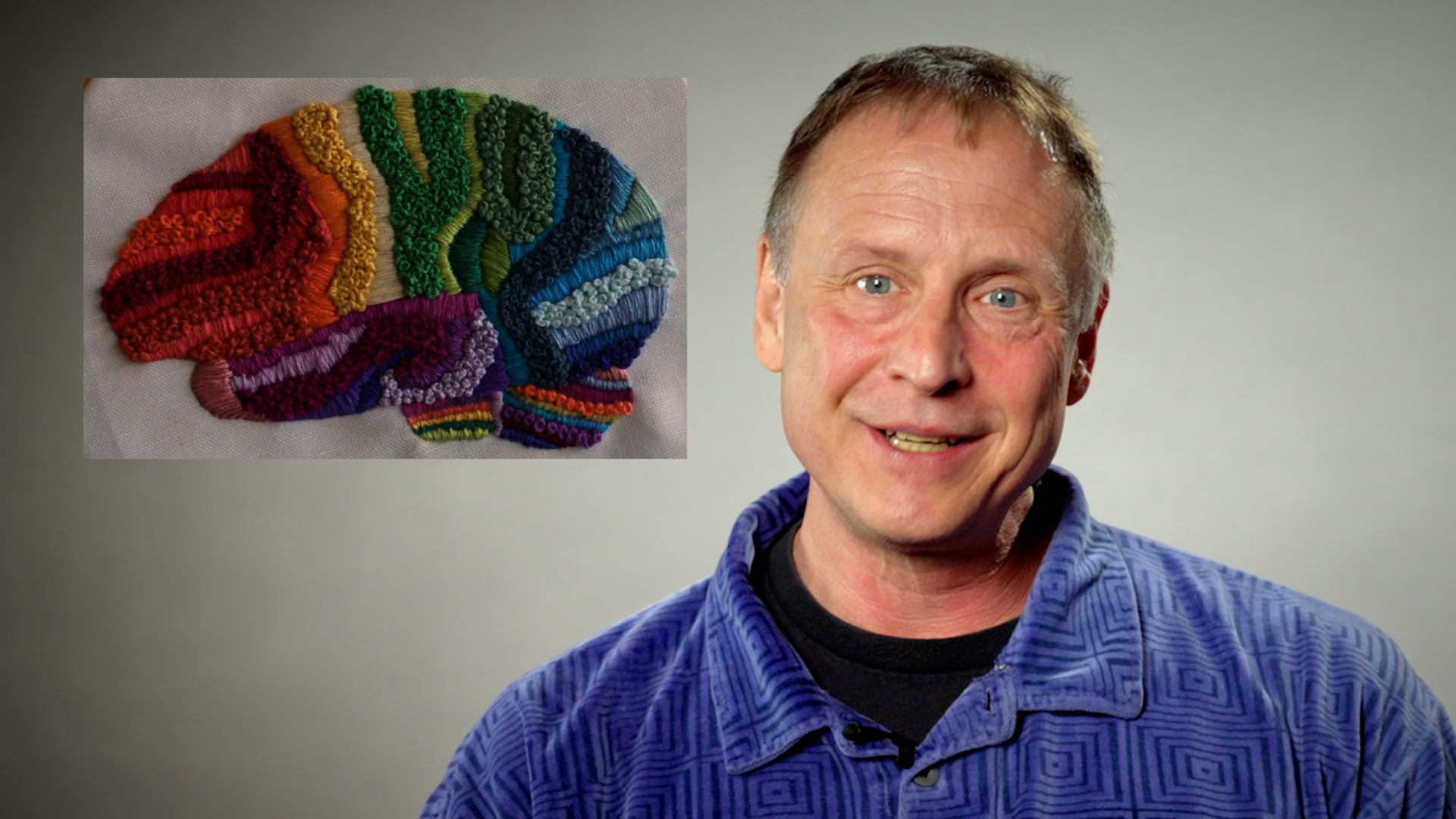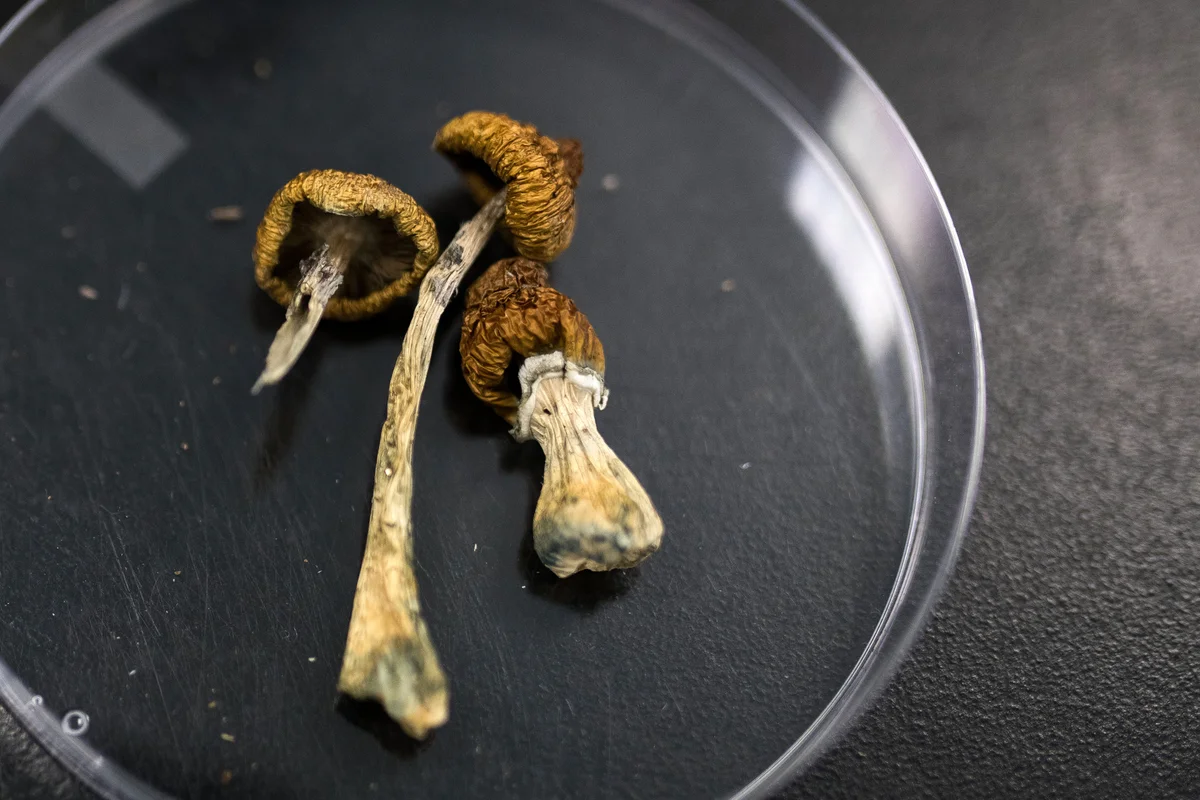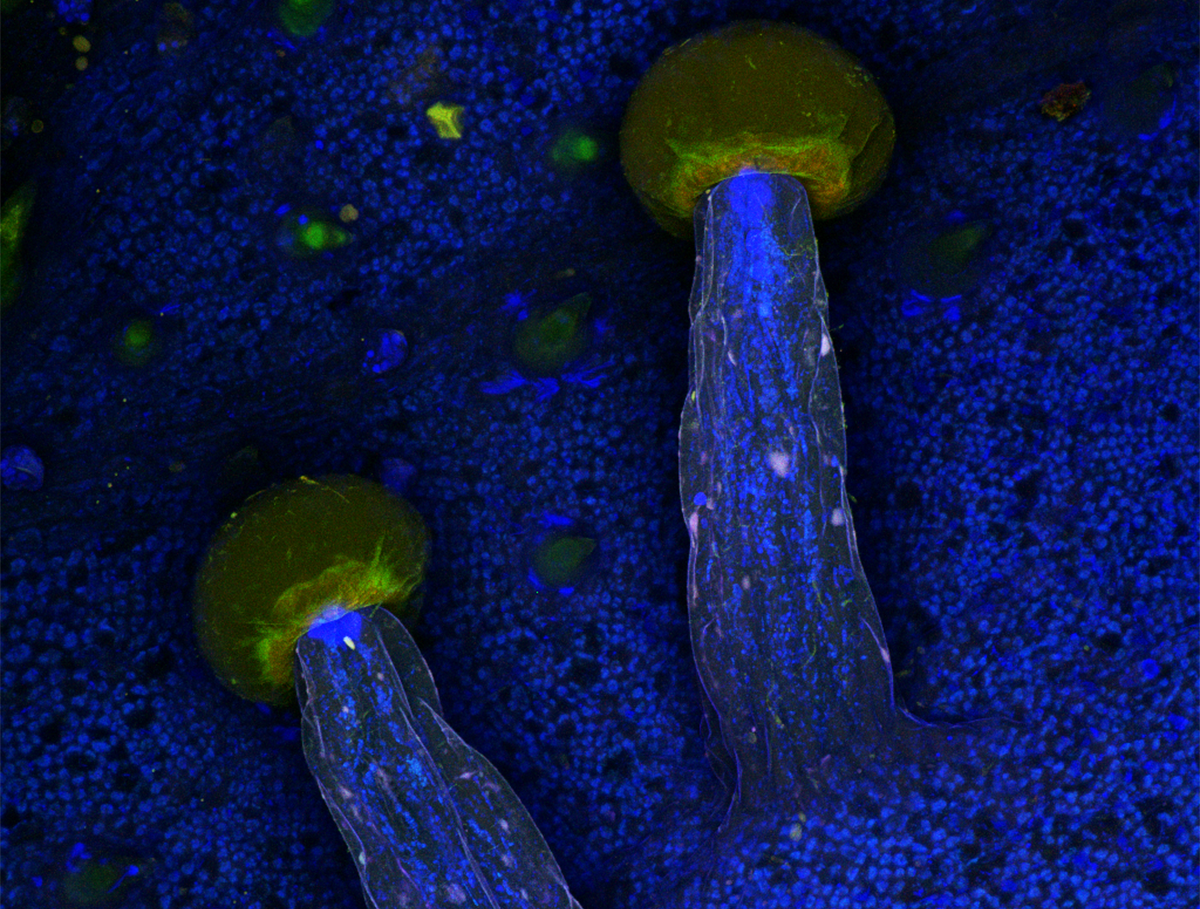
Neuroscientist Michal Dubrovinsky studies challenging psychedelic experiences and the moment people fear they are losing control, while exploring how psilocybin may affect brain flexibility and movement learningGalit Hareli|For many people who experience a psychedelic trip, the most frightening moment is not necessarily a visual hallucination or a strange sensation, but a much deeper fear: the feeling that they may be losing their mind.Michal Dubrovinsky, a 31-year-old neuroscience researcher from Tel Aviv, is studying exactly that moment, exploring what happens in the brain when people experience the fear of “going insane” during a psychedelic experience.GalleryMichal Dubrovinsky (Photo: Ido Erez)Dubrovinsky is a PhD candidate in neuroscience at Tel Aviv University’s psychedelic research institute at Ichilov Hospital. Her research focuses on psychedelic substances and their effects on human experience.Her doctorate includes two main projects. The first examines how psilocybin, the active compound in psychedelic mushrooms, affects brain flexibility and the ability to learn complex movements and dance.The second focuses on what she describes as her personal passion project: studying the mechanics of the fear of losing one’s sanity.“I study challenging experiences and specifically the mechanics of the ‘fear of going insane’ that sometimes emerges during a psychedelic trip,” she said.One part of Dubrovinsky’s research examines the connection between psilocybin and movement learning, in collaboration with Gaga, the movement language developed by Israeli choreographer Ohad Naharin.Research suggests psilocybin may increase neuroplasticity, the brain’s ability to form new connections, while also strengthening the connection between people and their bodies.The researchers wanted to examine whether this temporary period of increased flexibility could help people absorb a complex motor skill such as dance.“We chose Gaga because it is not just movement, it is a language,” Dubrovinsky explained. “The instructions are given through verbal images. You are not told ‘move your hand,’ but rather ‘imagine your spine is a twisting snake.’ You go through a process of translating an image into movement.”Participants in the study receive laboratory-synthesized psilocybin, undergo brain scans, have their movements measured and are filmed throughout the process, including before and after taking psilocybin or a placebo.Although the research is still ongoing, participants have already reported unexpected experiences.“They say they feel more comfortable in the space and judge themselves less from the perspective of others,” Dubrovinsky said.She noted that this connects to similarities between psychedelic experiences and dance.“In both dimensions, you are required to put the outside world aside and dive inward,” she said. “In dance, if you constantly judge yourself by how you look, you cannot truly let go.”Dubrovinsky’s second research project focuses on a different question: how exactly does the fear of “going insane” emerge?Traditional psychedelic research often relies on numerical questionnaires, asking participants to rate experiences such as mystical feelings on a scale.Dubrovinsky’s second research project focuses on a different question: how exactly does the fear of 'going insane' emerge? (Photo: Shutterstock)But Dubrovinsky uses a method called microphenomenology, which examines subjective human experiences through detailed interviews.“I work with words and deep interviews,” she said. “I ask what ‘going insane’ means for you, because your experience of it and mine can look completely different.”She asks participants to return mentally to the precise moment when the fear appeared and examines what happened fractions of a second before it.“Many people describe the fear as something that suddenly appears, in one moment,” she said. “I want to show that it is not sudden. There is a subtle internal mechanism that can be broken down and understood.”According to Dubrovinsky, understanding that mechanism can make the experience less frightening.“When you develop an intimate familiarity with the mechanism, things become less sudden and less threatening,” she said.She compares this approach to research on epilepsy, where scientists found that some patients experienced subtle warning sensations before seizures.Once patients learned to recognize those early signs, the seizures became less surprising.“It is also true in ordinary life,” she said. “When we work and suddenly collapse, what is this ‘suddenly’? It means our internal dialogue happened earlier, just quietly. The more we learn to listen to ourselves, the more we can catch ourselves before the collapse.”For Dubrovinsky, the fear of losing sanity is not only a psychedelic phenomenon. It reflects a broader relationship people have with themselves and with society.“Psychedelic substances do not create something from nothing. They are consciousness revealers,” she said. “They allow us to see subtle parts that already exist within us.”She said the fear is often connected to social expectations and the concern that others can see something is wrong.“The relationship we have as humans with our own sanity is very delicate,” she said. “We live in a society with internalized norms about how we are supposed to behave.”Her work, she says, is ultimately about making science more accessible and helping people better understand themselves.“When you give people recognition and normalization for their experiences, even their deepest fears, that is love,” she said.Dubrovinsky also hopes psychedelic research can contribute to future mental health treatments, particularly for treatment-resistant depression.She stresses that psilocybin is not a miracle cure, but believes research could help answer crucial questions: who can benefit from it, how to make its effects longer-lasting and how to ensure it reaches people who need it.“This could become a turning point in treating treatment-resistant depression and the broader mental health crisis,” she said.
‘Am I losing my mind?’: the science behind why psychedelic trips can feel like you’re going insane
Neuroscientist Michal Dubrovinsky studies challenging psychedelic experiences and the moment people fear they are losing control, while exploring how psilocybin may affect brain flexibility and movement learning
873 words~4 min read