The door clicks shut on the soundproof booth in which I find myself, and I’m left alone in the dark. I’m sitting in an office chair, headphones on my head, as classical music begins to play.
What I am about to experience, I was told only moments ago, will be much more intense than anything I’ve encountered up to this point.
“We’re going to ease you into it,” Dr David Schwartzman, the researcher in whose lab I’m sitting at the University of Sussex, had said. “It’s really a journey through the experience.”
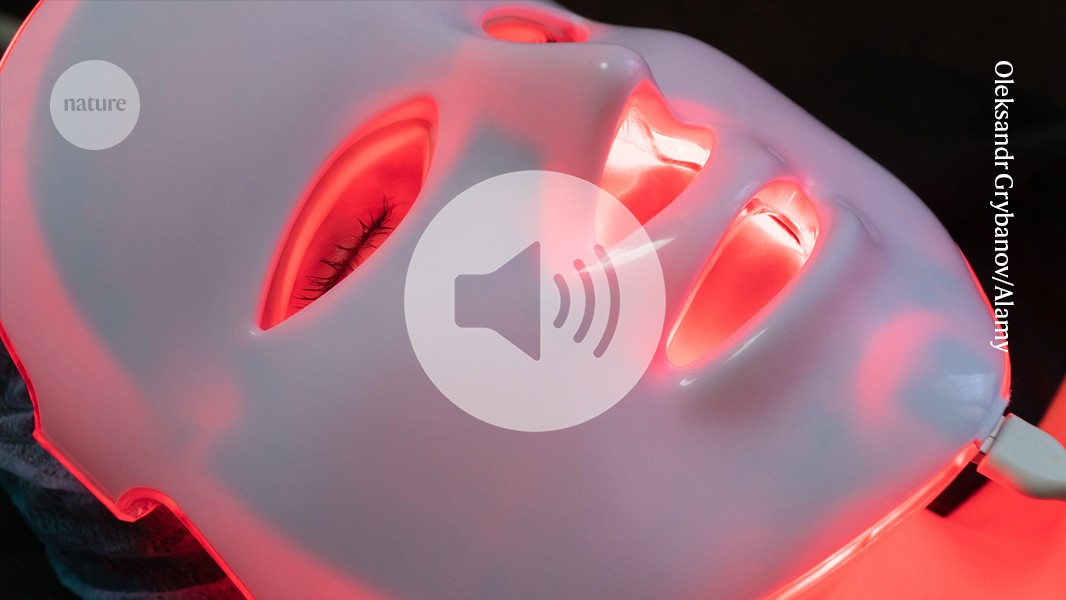
I keep my eyes pressed shut. A short distance in front of my face sits a dinner plate-sized strobe light which is about to begin flashing.
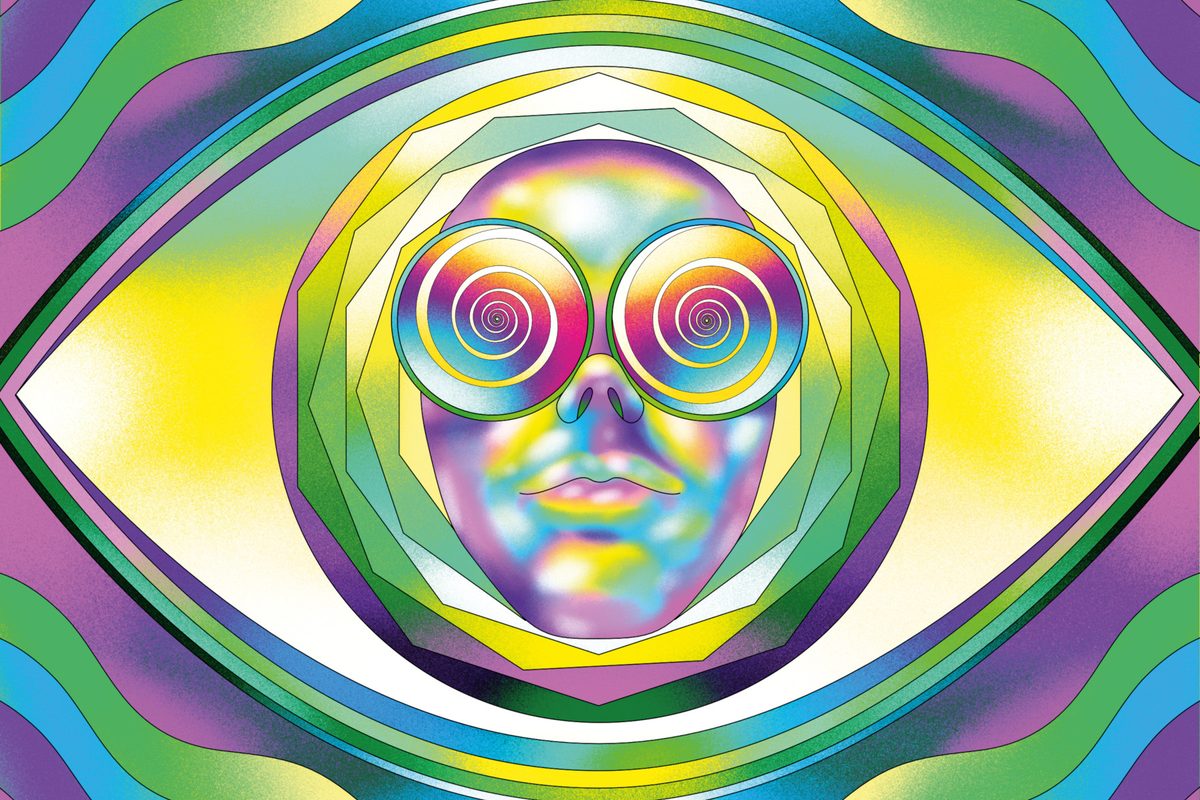
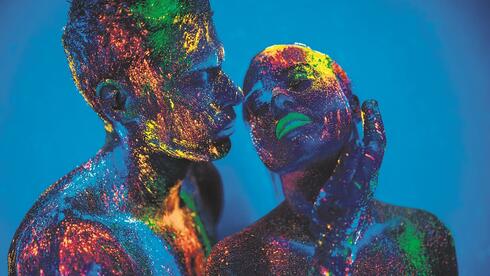
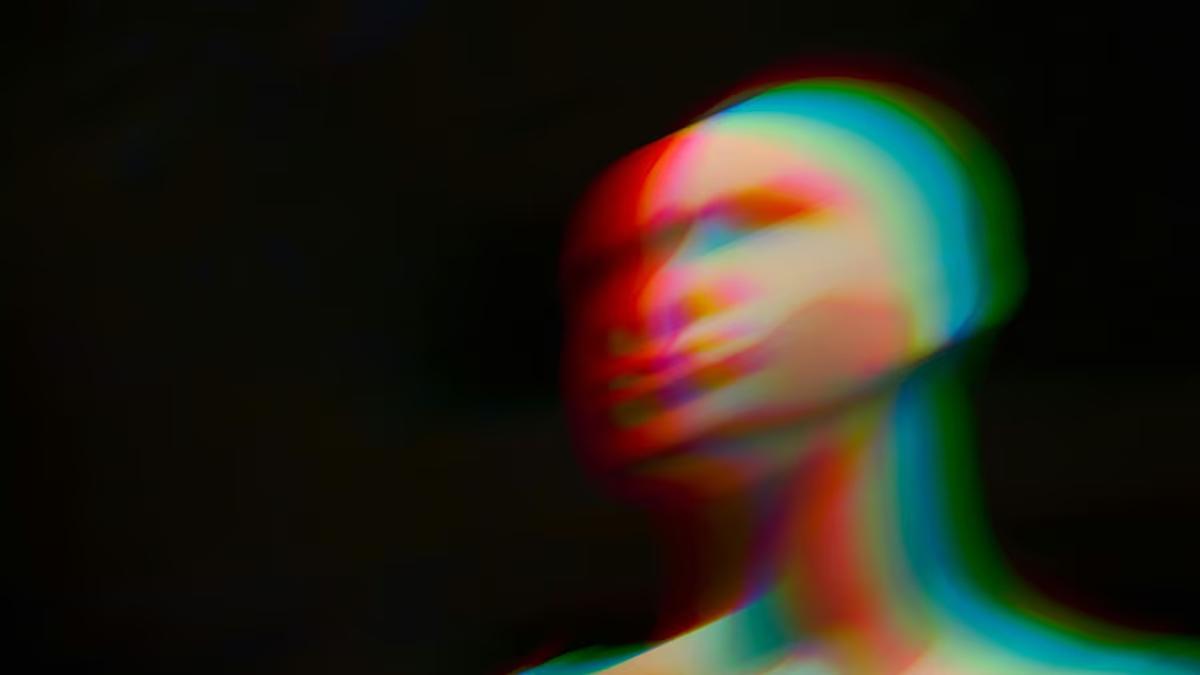
As the music builds, the light bursts into action. Except I don’t see the light. Instead, for the next 30 minutes I see a kaleidoscope of colours and patterns, washing over my internal field of view, perfectly in sync with the music.