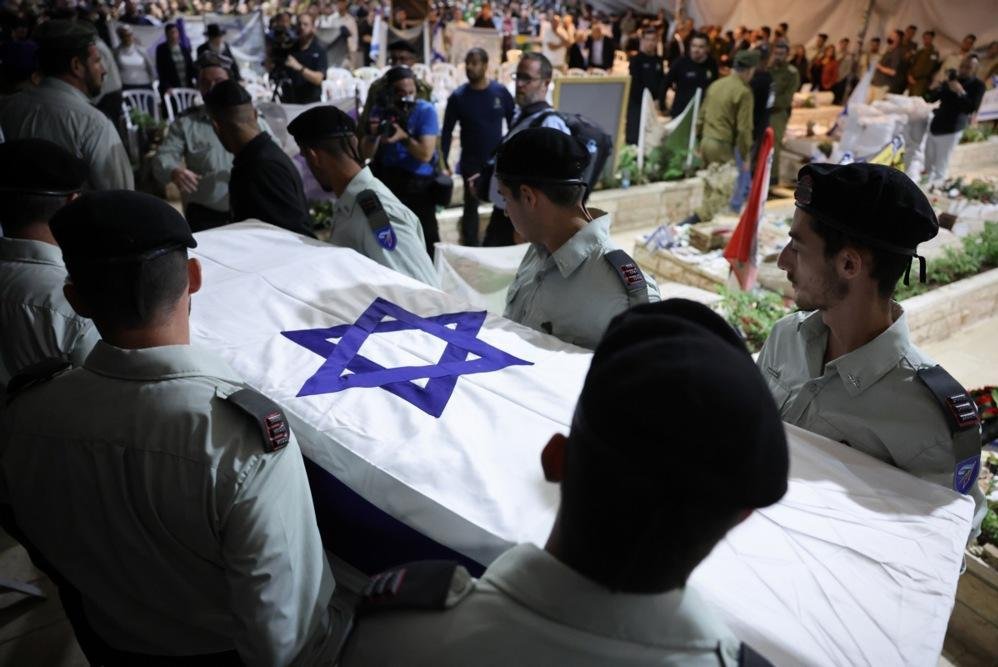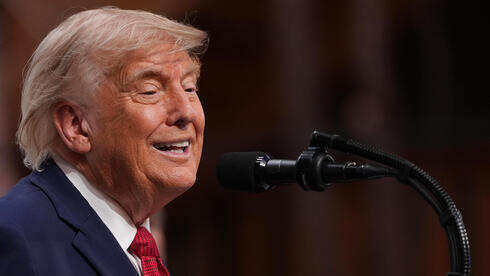
Nearly three years after the 7 October Hamas attack shattered the illusion of a manageable status quo - one serving US-Israeli interests, while harming Palestinian rights - and midway through President Donald Trump’s second term, the Middle East no longer maps neatly onto the two axes that have defined it for decades.
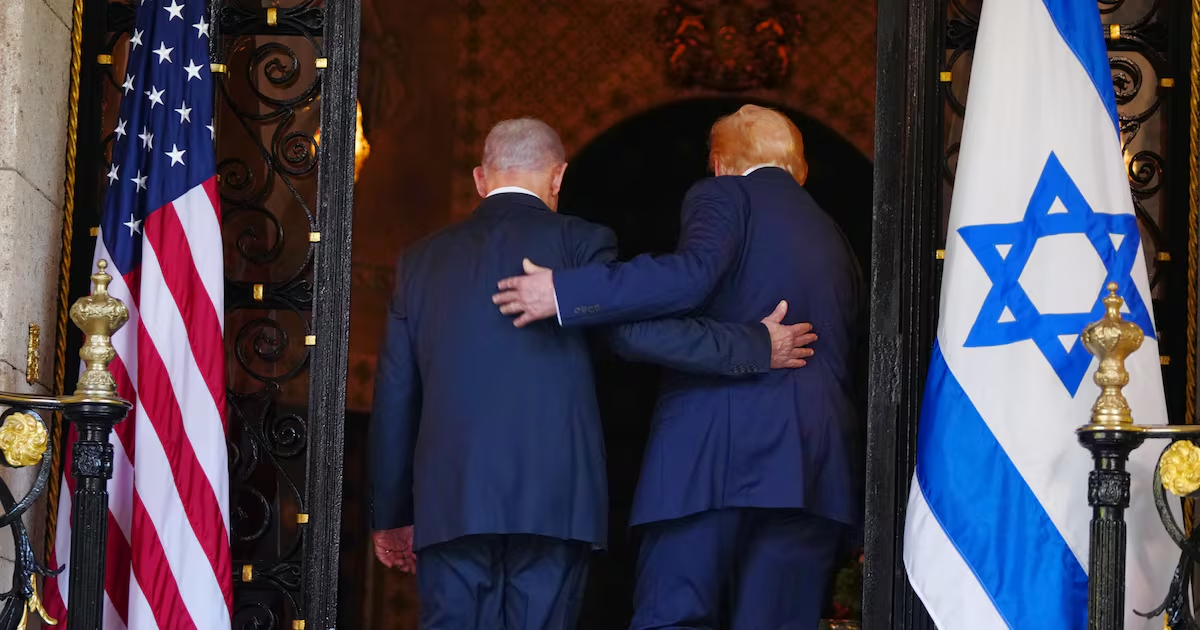
The region’s fault line long ran between Iran’s “Axis of Resistance” - comprising Hezbollah, the Houthis, Iraqi armed groups, and a battered but defiant Syria under the Assad regime - and the Israeli-inspired “Pax Americana”: an informal architecture of deterrence, normalisation, and military primacy that Washington and Tel Aviv sought to impose through the Abraham Accords, blatant double standards, international law violations and overwhelming force.
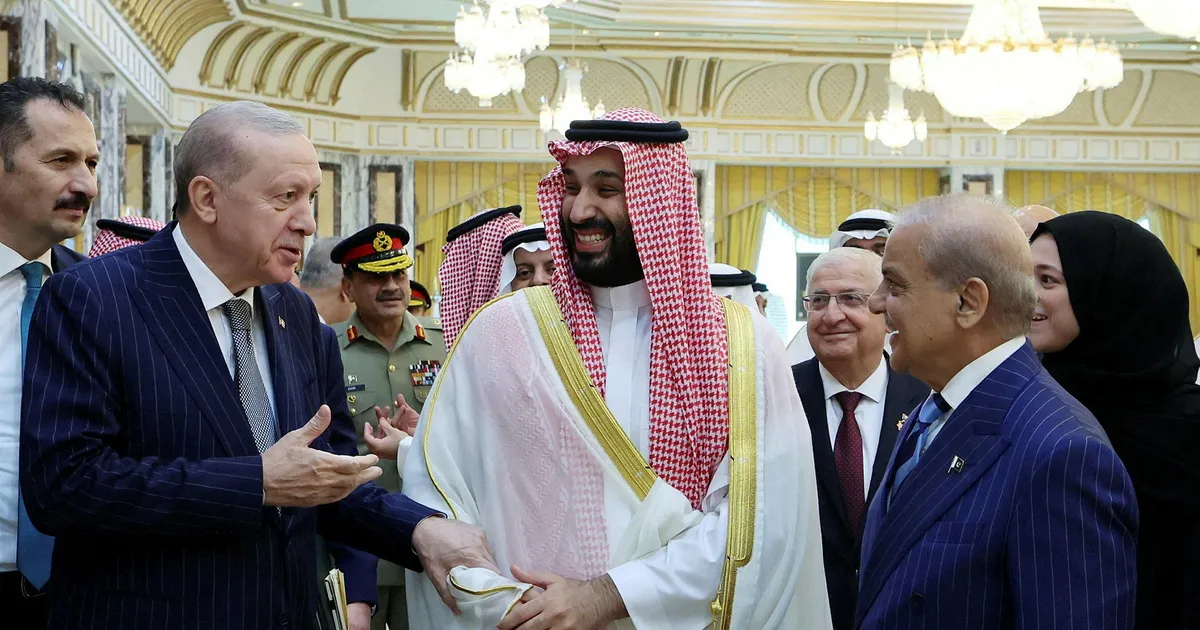
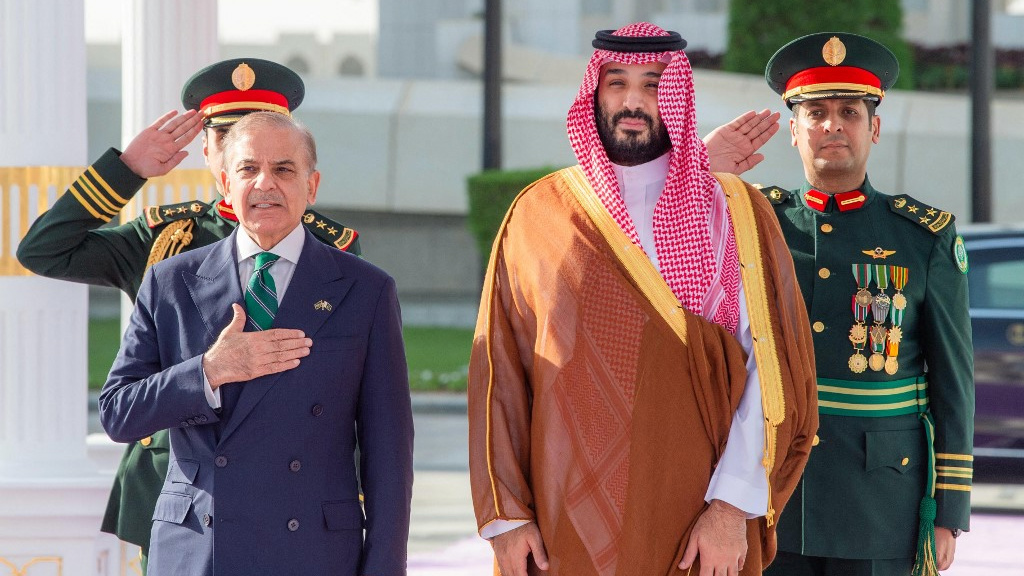
Today, a third pole could be emerging: an increasingly institutionalised “Sunni axis” anchored in Riyadh, Ankara and Islamabad - with Doha, Cairo, and to a lesser extent Abu Dhabi at its edges.
Until a few days ago, this was not a formal alliance, with no charter or official name. But if seriously pursued, this grouping may reshape the region’s power balance more durably than either of the aforementioned blocs.
On 7 August, Pakistan, Saudi Arabia and Turkey took the first step towards institutionalising this informal understanding through the Mecca Joint Defence Agreement, which contemplates a Nato-style collective security guarantee.