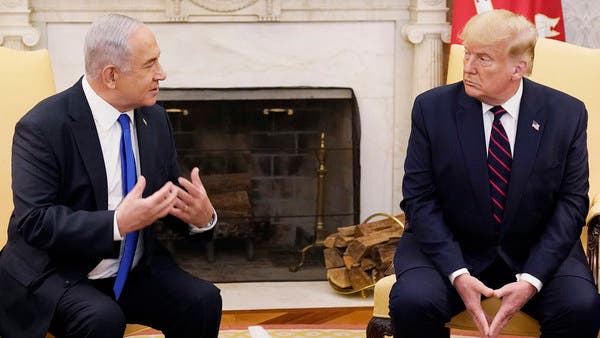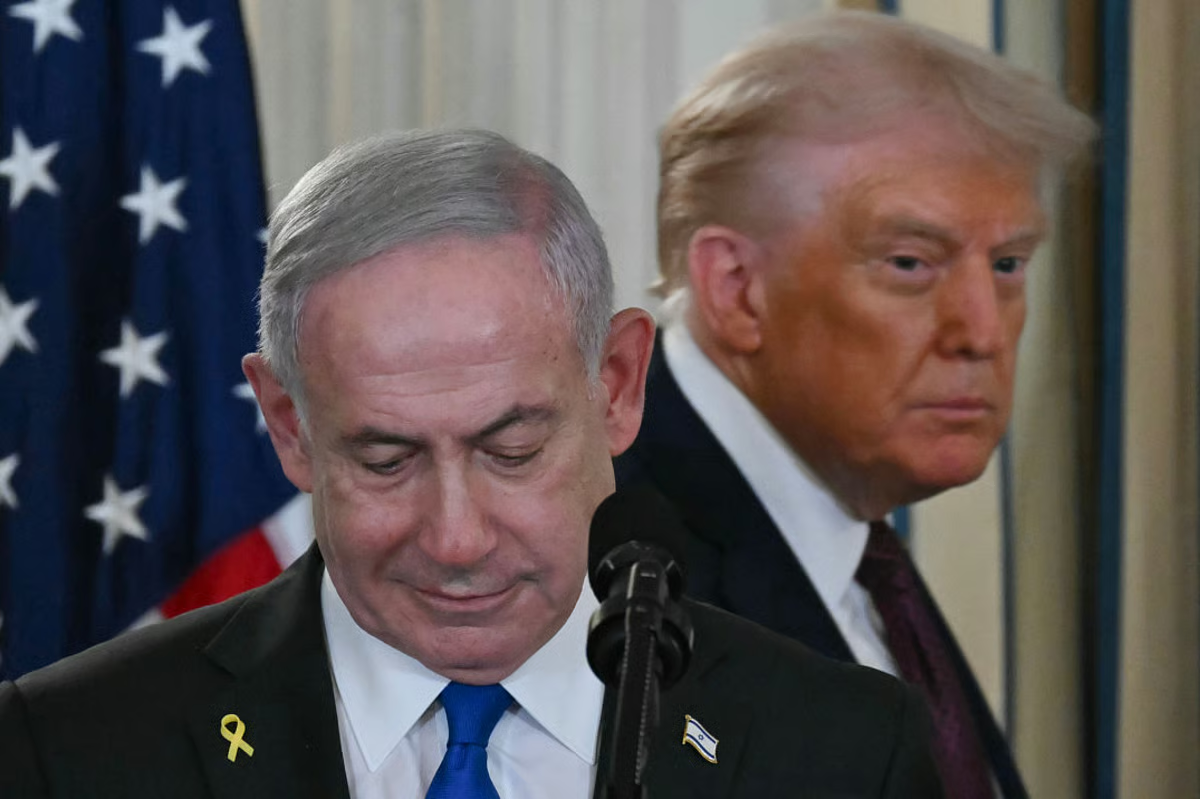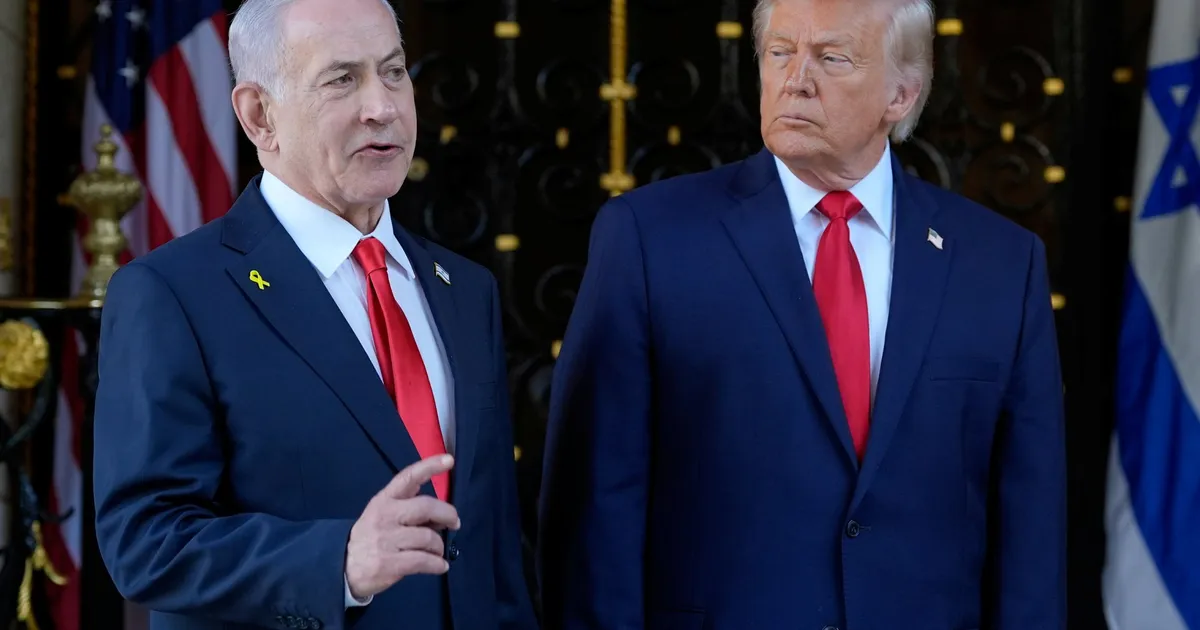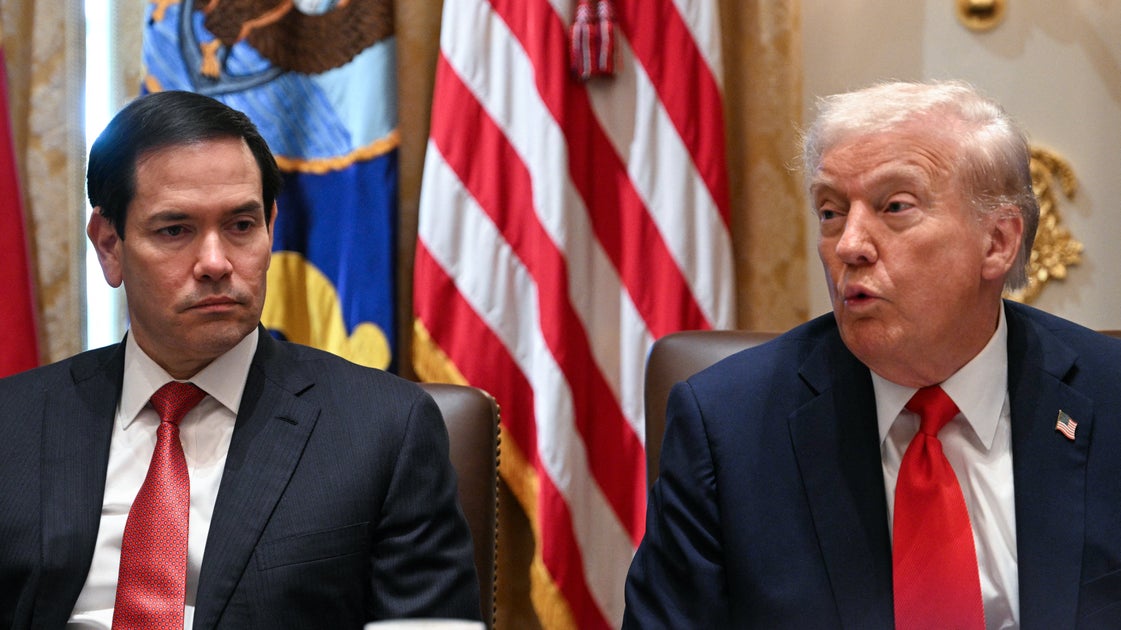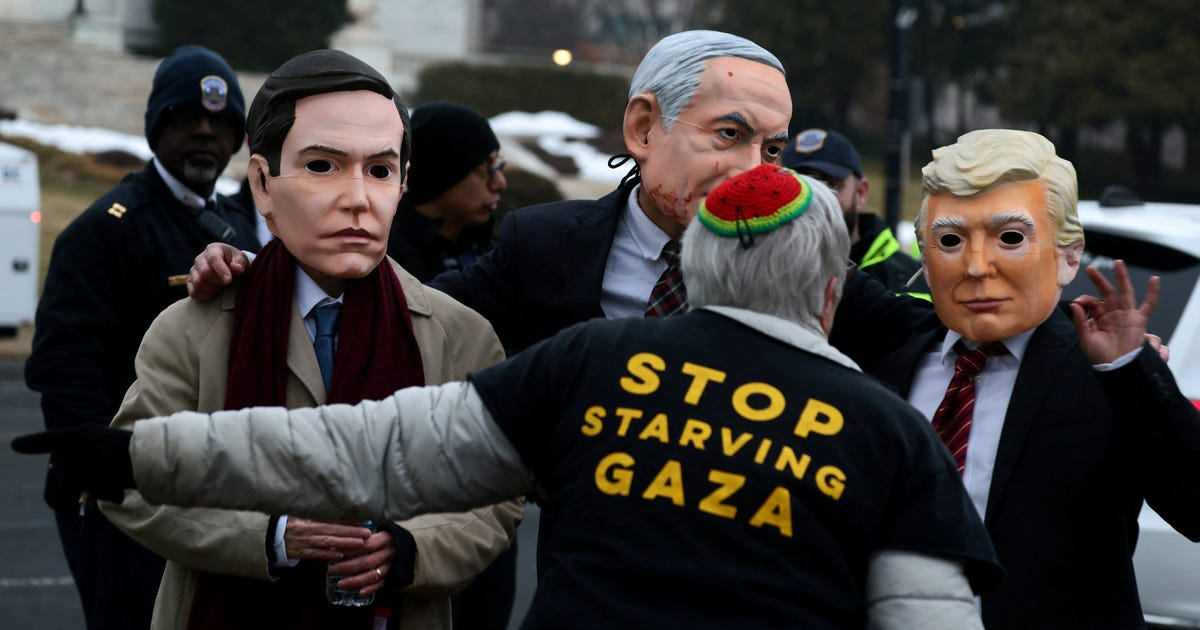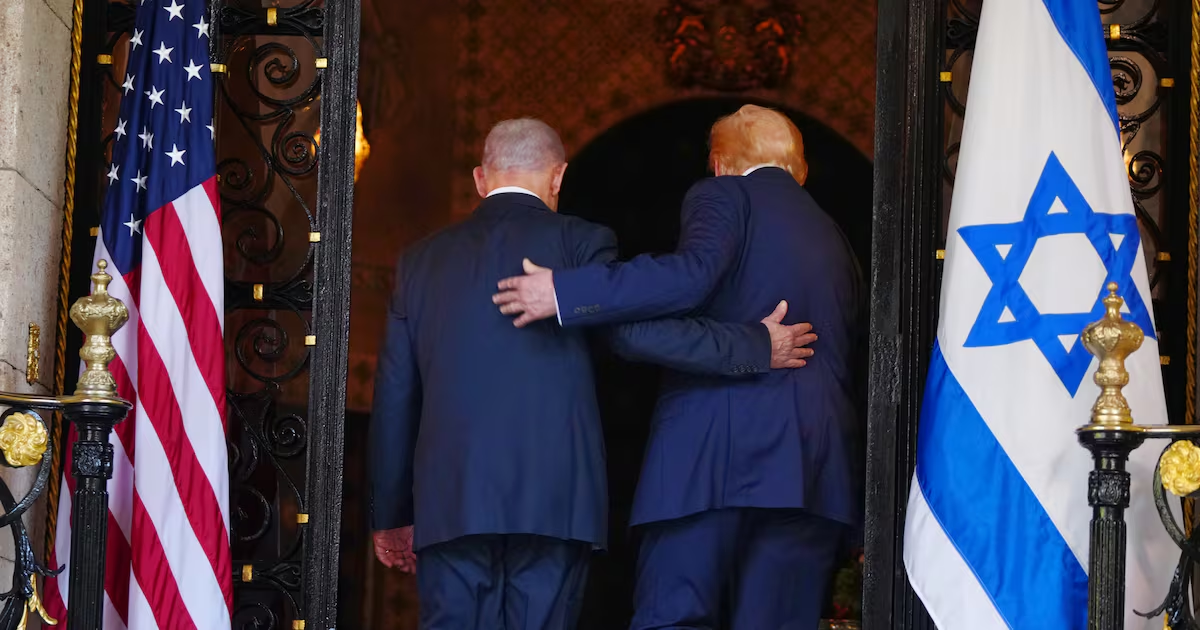
Two looming elections are shaping the Middle East war/peace agenda. Donald Trump is contemplating a likely congressional midterm thrashing in the wake of a humiliating peace deal with Iran, and in Israel, Binyamin Netanyahu is seeing the prospect of his Knesset majority evaporating in an October general election. Both events are focusing minds on the collapse in the two men’s once-vaunted relationship. Trump’s once-automatic endorsement of Bibi is now unlikely. He’ll have “to look at who’s running”, Trump told one TV interviewer, while he has – according to a report in Axios – described him as “f**king crazy”, “ungrateful”, “no judgment” and needing to be “more responsible with respect to Lebanon”. Public declarations that “Netanyahu will do whatever I want him to do” have enraged the Israeli public – and proven patently untrue.Israel’s more-off-than-on promises to end its war on Lebanon and its continued occupation of the south are the problems for Trump. Netanyahu would prefer the war to continue, not least so he can keep insisting that “total victory” is just around the corner. At the very least he would like it to continue until just after the 22-week election countdown, so he can keep thumbing his nose at the court trying him for corruption by requesting endless adjournments for “urgent” national security reasons.“If we had not acted, all of you would have been in danger of mass death. All of us were in that danger,” Netanyahu boasted at a news conference last week. But that will not be enough to save his skin. Polls suggest the opposition now has a clear lead, although so far without the overall Knesset majority that the Arab parties could give it – it refuses to contemplate reliance on them.But Netanyahu’s far-right coalition government is cracking apart, each faction leveraging its hold on a desperate Netanyahu urgently to enact their extremist agendas ahead of the election.“One explanation for the chaos that has engulfed the country in the twilight of Netanyahu’s right-wing-religious coalition,” writes Joshua Leifer in the paper Ha’aretz, “is that its constituent parties are at war, in one way or another, with the state that they have been tasked with governing”.The ultra-Orthodox parties in the coalition, the Religious Zionist Party and Otzma Yehudit failed to push through a deeply unpopular formal draft exemption for military-age Haredi men (ostensibly so they can attend to their religious studies). But now the coalition has given its approval to almost daily violent protests against the arrests of draft evaders, outside the houses of judges and police officials.The coalition parties representing illegal West Bank settlers are deep in their own fight with the state, “although, unlike the Haredim, they aim to capture the state and subordinate it to the ends of the radical settler movement,” Leifer writes. Their aim is to make effective – bit by bit – the far-right project of annexation of the West Bank by Israel, by driving out its Palestinians.[ Binyamin Netanyahu’s Iran gamble leaves Israel isolated as Trump turns to diplomacyOpens in new window ]By the week, the Israeli government has been announcing record numbers of new illegal settlement approvals across the West Bank, in an acknowledged attempt to pre-empt any post-election move to recognise a Palestinian state. Far-right ministers Bezalel Smotrich and Itamar Ben-Gvir have encouraged spiralling settler vigilante violence with complete impunity, against rural Palestinian communities, effectively usurping the compliant Israel Defense Forces and the police in the occupied territories.At the same time Israeli forces have been engaged in numerous raids and bombing of Palestinian towns in the West Bank, and are now establishing permanent bases in the area, a “Gazafication” process. Tens of thousands of Palestinians have been displaced from refugee camps. According to the UN, 230 Palestinians were killed in the West Bank by Israeli forces and settlers in 2025.“Today, it must be said that the State of Israel is conducting an organised, systematic, state-funded campaign of ethnic cleansing and crimes against humanity,” former prime minister Ehud Olmert has written in Ha’aretz. “Not in the Gaza Strip, not in southern Lebanon, not in Syria, but in areas of the West Bank that are under the exclusive security control of the state and its security and law enforcement apparatus.“Nothing can justify turning a blind eye to what is happening daily in Palestinian villages across the West Bank: pogroms, children and adults injured in and outside their homes, fields and property set ablaze, and large-scale theft – especially of cattle and sheep, the primary source of livelihood for many residents.”[ Why Netanyahu defied Trump’s orders and retaliated against IranOpens in new window ]Netanyahu’s own party, Likud, is also involved in a war against the state that has taken the form of an attack on the judicial system under the notional guise of “reform”. In part driven by the prime minister’s personal determination to evade corruption charges, it also aims to protect the considerable number of Likud ministers and MPs who face a range of charges from bribery, fraud, breach of trust, forgery and obstruction of justice.This is an election that will, more than any other, determine the fate of Israeli democracy. It is also an election in which the Palestinians of Gaza and the West Bank and the battered Lebanese will have no say, left as horrified bystanders as their future is determined by a hostile Israeli electorate.
Opinion: Two elections are shaping war and peace in the Middle East
Trump’s once-automatic endorsement of Netanyahu is now unlikely
888 words~4 min read