The main bottleneck in robot deployment isn't model architecture, World Labs says, but the sheer volume of experience a robot needs to operate reliably. Real-world data is expensive and hard to control, and even online videos don't systematically cover the full range of objects, physical conditions, and failure states.
One real-world task becomes thousands of controlled variations
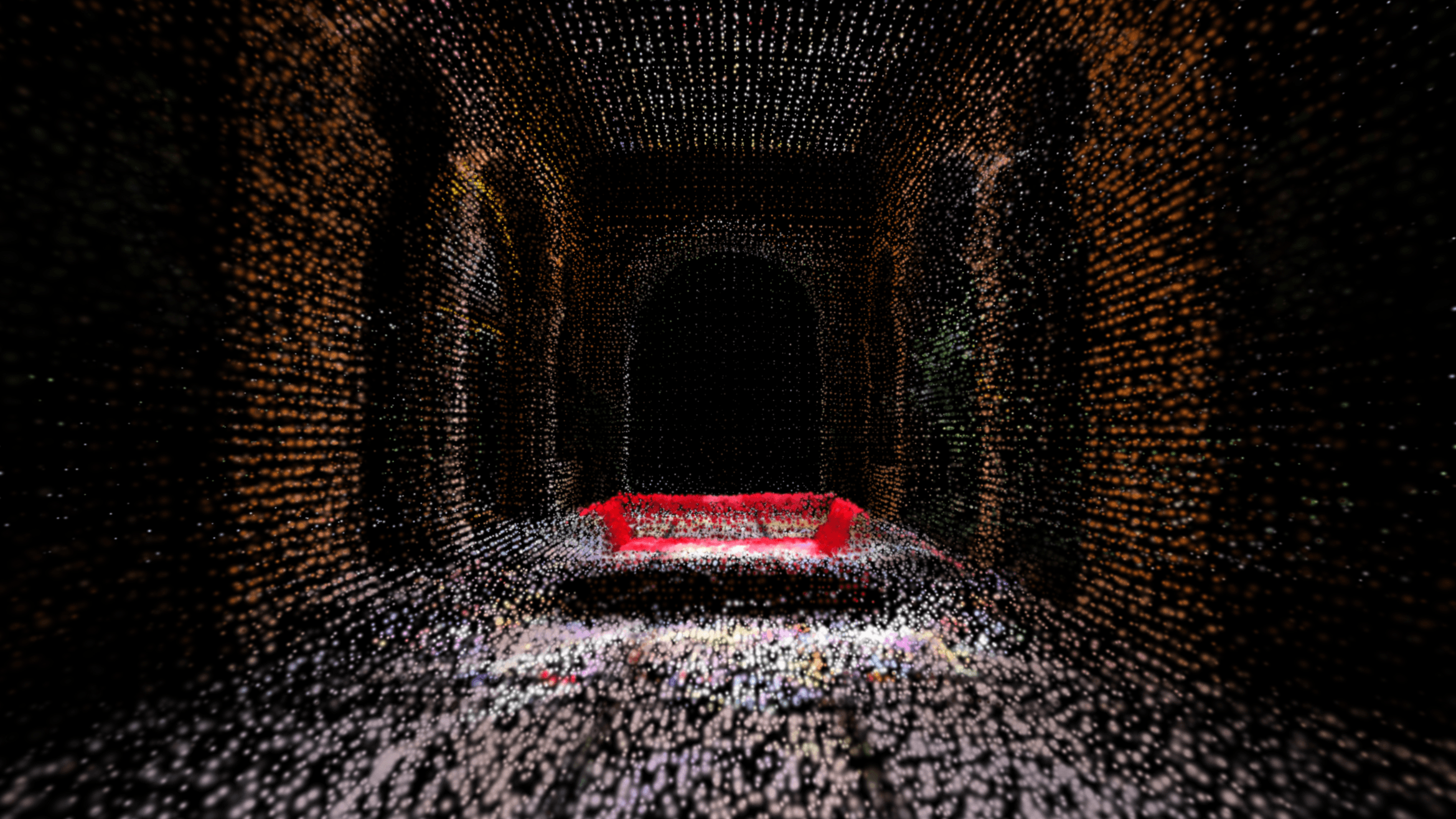
The engine captures robots, sensors, the environment, and task demos, then rebuilds them as an interactive virtual world that doesn't just look like the original but behaves the same way physically. World Labs pulls this off by combining generative world models with task-oriented robot simulation.
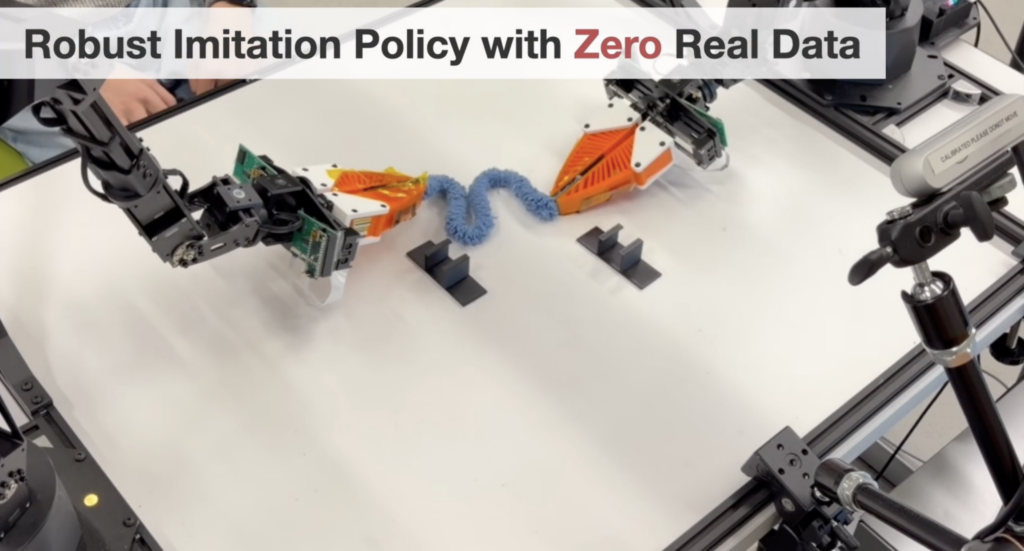
From a single real-world task, the system generates thousands of variations by changing lighting, object position and count, the surrounding environment, physical properties like friction, and camera angle. To check accuracy, World Labs runs the same action sequence in simulation and reality side by side and compares observations, object movements, and outcomes.
From a single recorded task, the engine generates thousands of controlled variants so a policy can learn to generalize. | Image: World Labs