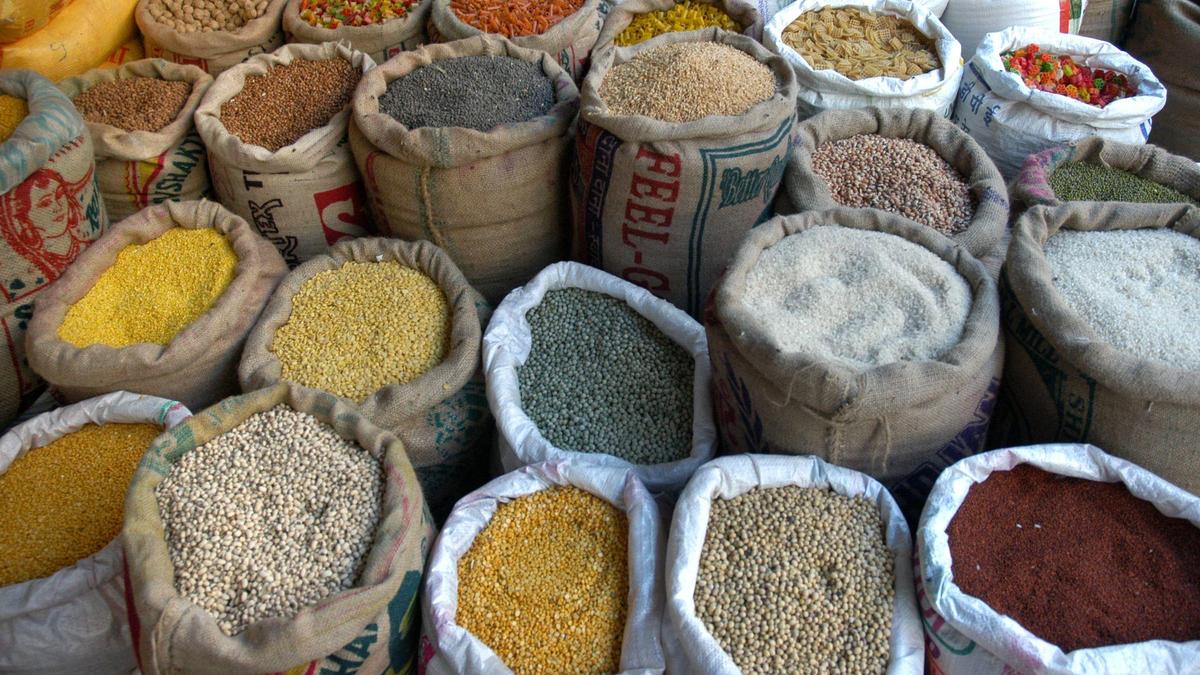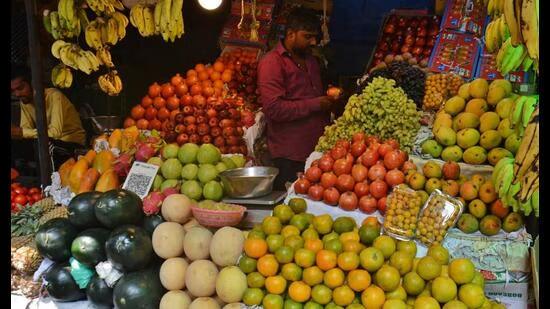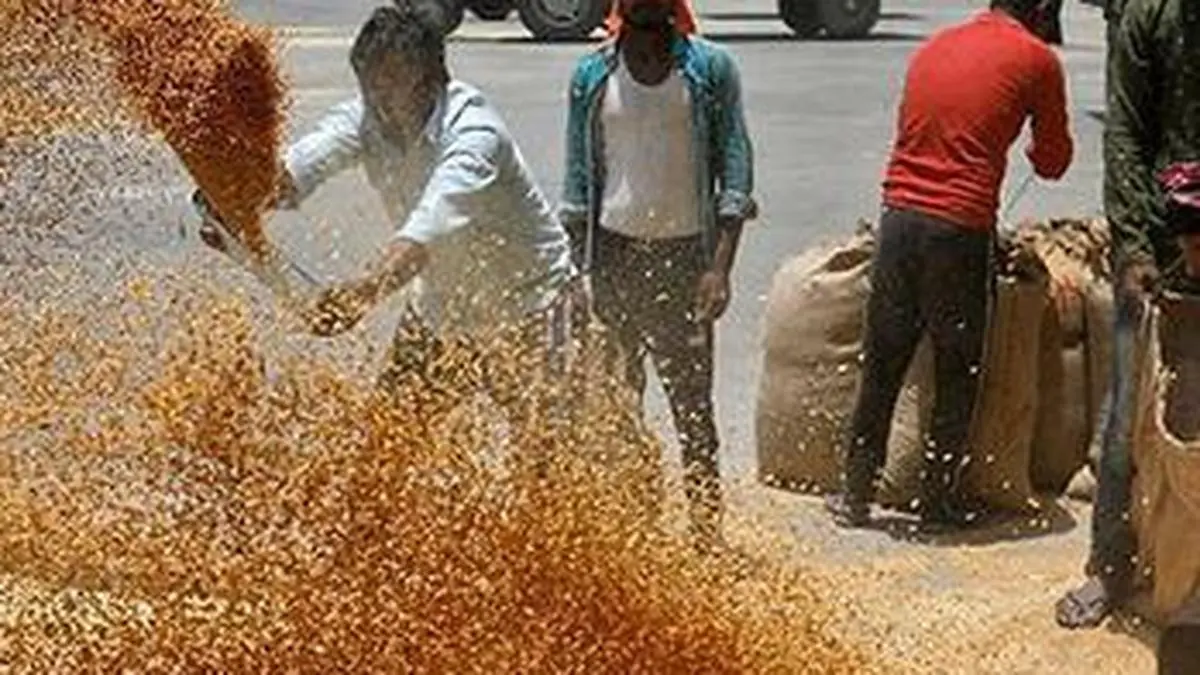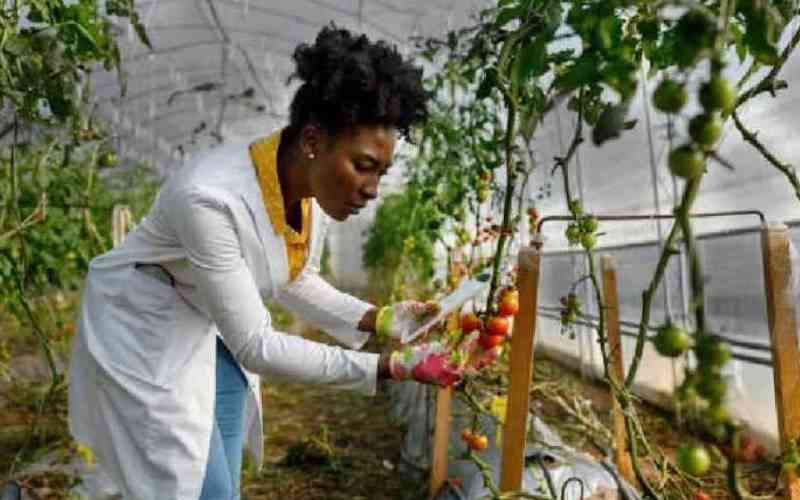
Agriculture is central to rural India, not only as a source of livelihoods, but also as a foundation of household food and nutrition security. Millions of rural households depend on farming and allied activities for their income, at the same time, agricultural production determines what food and its quality, is available, accessible, and affordable to communities.The whole focus on agriculture as an income source has overshadowed the perspective of it being the source of food and nutrition too! Commercial agriculture shifted the availability of diverse food in the farmers household to more monocropping like sugarcane, cotton, etc.Across rural India, households continue to face challenges related to nutrition insecurity, inadequate dietary diversity, affordability, and limited access to nutrient-rich foods. These challenges get compounded by low awareness and education on ‘nutrition’.Food is still considered as something to fill their stomach and appease their hunger. The local varieties of paddy, pulses and vegetables with better nutrients composition are replaced by high yielding varieties for increased production, thus reducing whatever was available in the name of improved yield.It is imperative now that we look beyond agricultural productivity and place greater emphasis on nutrition-sensitive agriculture, an approach that seeks to make agriculture and food systems contribute directly to improved nutrition outcomes.The silent sacrificeDuring crop failures, unemployment, rising food prices, or financial emergencies, people in rural households frequently reduce their own food intake, especially the protein and other micronutrient rich food consumption. This silent sacrifice is rarely documented, yet it reflects the lived reality of countless families across India. The consequence is a hidden nutrition gap that can lead to chronic fatigue, illness, and reduced work capacity.According to the NFHS-5 survey from 2019-2021, anaemia and undernutrition continue to hit Indian rural households pretty hard, about 30 per cent of rural Indian men aged 15–54 years suffer from anaemia.Making agriculture more nutrition-sensitiveThis could be mitigated by adopting Nutrition-sensitive agriculture (NSA) which involves implementing ecologically sound and sustainable farming techniques (regenerative agronomic practices) to enhance produce quality and nutrient richness. It is essential to prioritize crop diversity [e.g. millets, wheat, etc.] cultivating nutrient-rich vegetables, fruits and legumes (lentils, green gram, etc.) to boost dietary diversity and vital nutrient intake. The idea is to shift our food production and consumption approach - from using mono-cropping methods, high usage of fertilizers, and other polluting substances - to growing crops which are climate resilient, consume less water, and are well loaded with organic nutrients, thus mitigating: food & nutrition security challenges; water shortage; decreasing soil fertility; and reduce carbon foot print. Interventions like crop planning from NSA perspective, cropping diversity, mixed cropping, adoption of regenerative agronomic practices, promotion of indigenous seeds, etc can help to mitigate the problem significantly.Building a more nutrition-secure rural IndiaIndia’s food security journey has made significant progress in ensuring the availability of staple foods. The next challenge is to move from food security to nutrition security.We need to bring back the indigenous varieties of staples like paddy also back to cultivation. We should create programs to support multiplication and large-scale adoption of indigenous varieties of pulses, vegetables, paddy, millets in agriculture programs to mitigate the challenge of “hidden hunger” and climate resilience. The chemical heavy agronomic practices need to shift to more regenerative approach improving not only the soil health, but have safe and nutrition dense produce to eat. It also decreases the agriculture production cost substantially.Ultimately, the goal should not simply be to ensure that every rural household has enough food on its table in terms of calories, but the food available is diverse, nutritious, safe, affordable and sustainable. Government programmes, agricultural institutions, private-sector organisations, insurers, NGOs and farmer collectives can all play a role in creating an ecosystem where agricultural growth and nutrition outcomes reinforce each other.The author is Centre of Excellence Lead- Nutrition, PRADANPublished on August 15, 2026
80 years of food security, the next step: Building a nutrition-secure rural India
The goal should not be to ensure that every rural household has enough food in terms of calories, but the food available is diverse, nutritious, safe, affordable and sustainable
634 words~3 min read