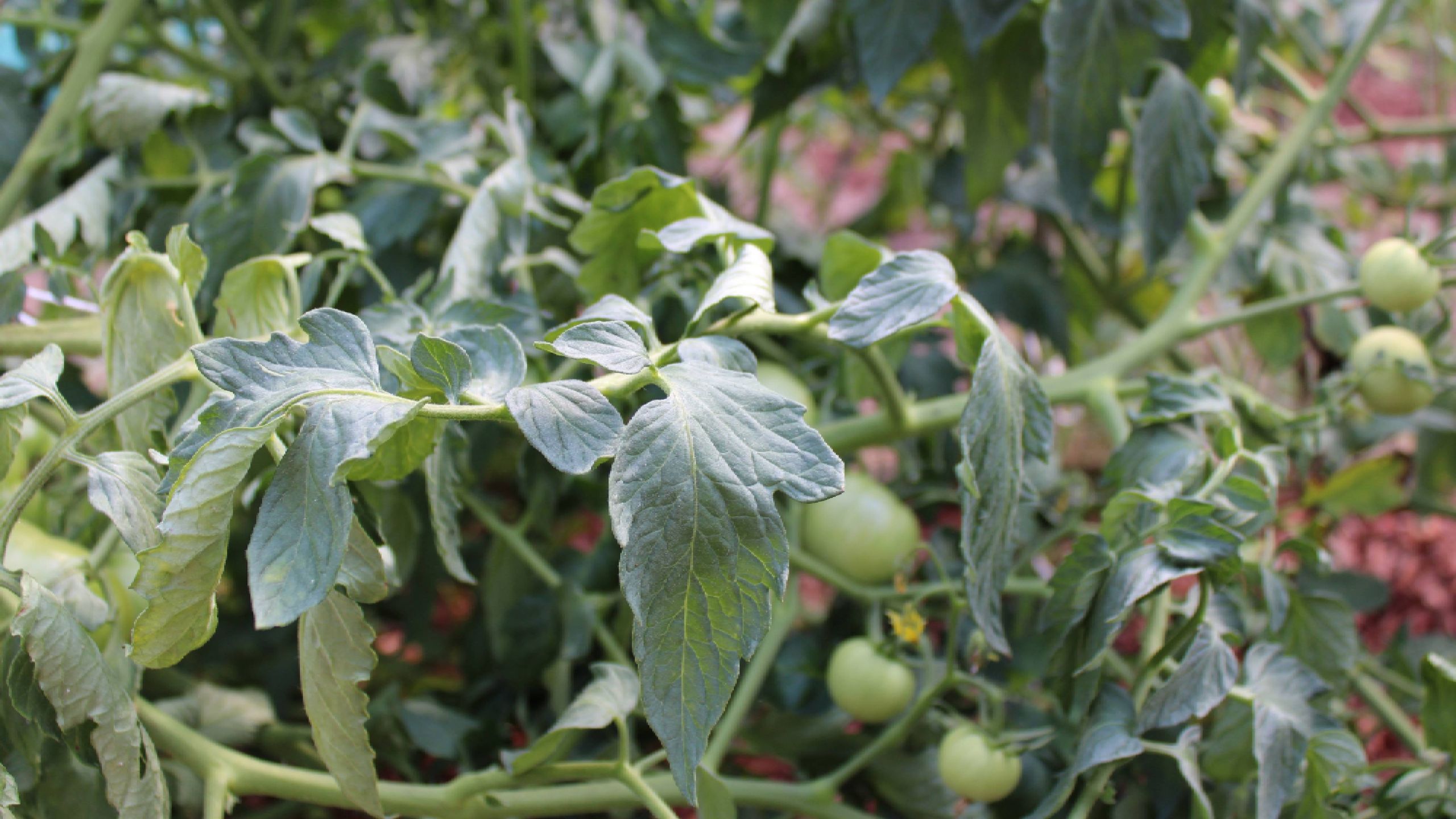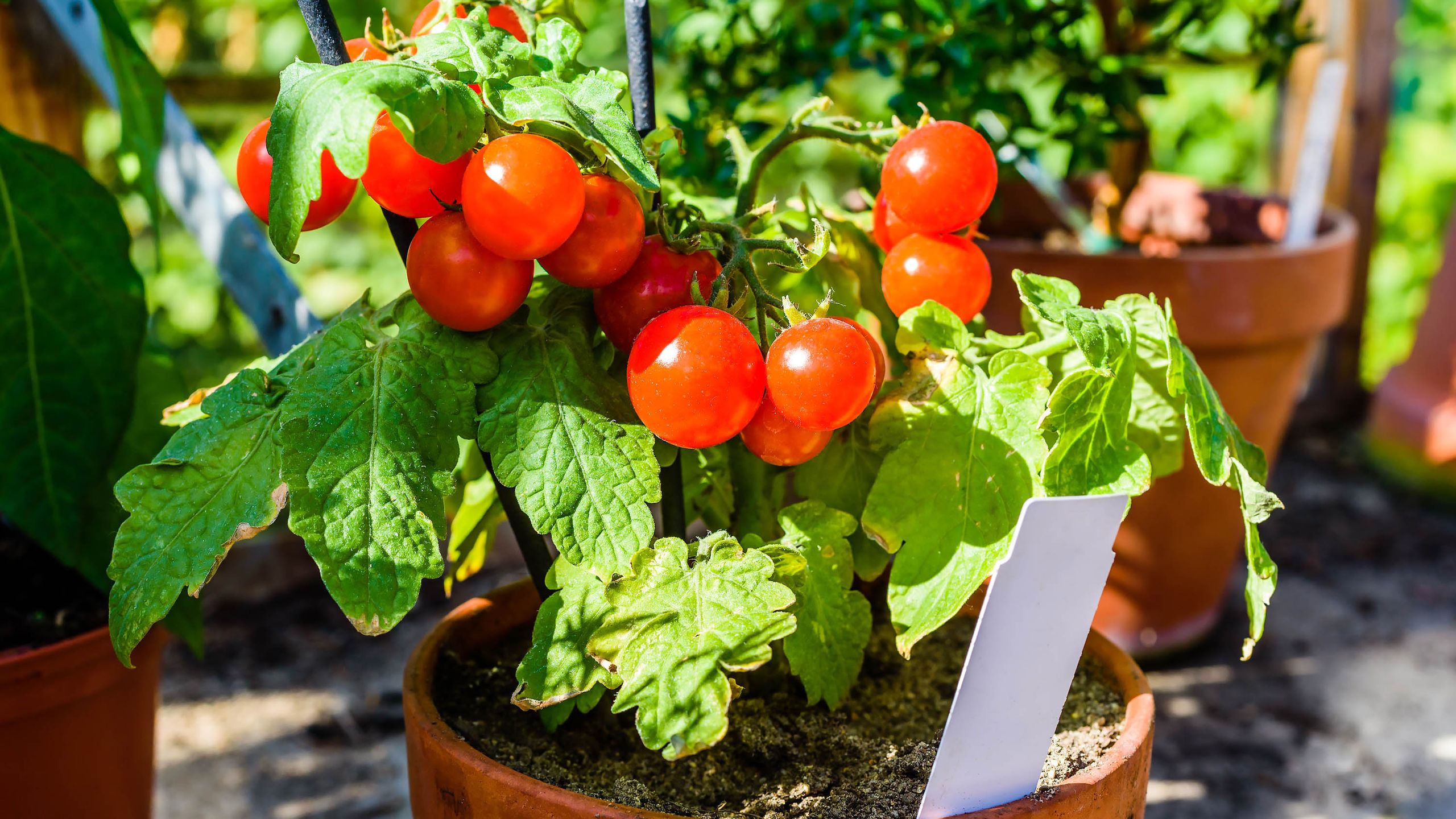
When tomato leaves begin yellowing or dropping blossoms, it makes sense to immediately suspect a disease or a watering issue. But often, the problem isn't a lack of nutrients in the dirt, it is an invisible chemical barrier preventing the plant from absorbing them.Tomatoes thrive in slightly acidic soil, and if your pH drifts too far out of range, root systems lock up. You don't need to wait days for a digital meter or laboratory mail-in kit to figure out if your soil is off.With two basic kitchen staples, you can run a quick, reliable test in under five minutes to diagnose what is happening beneath the surface.How kitchen staples expose your soil's chemistry
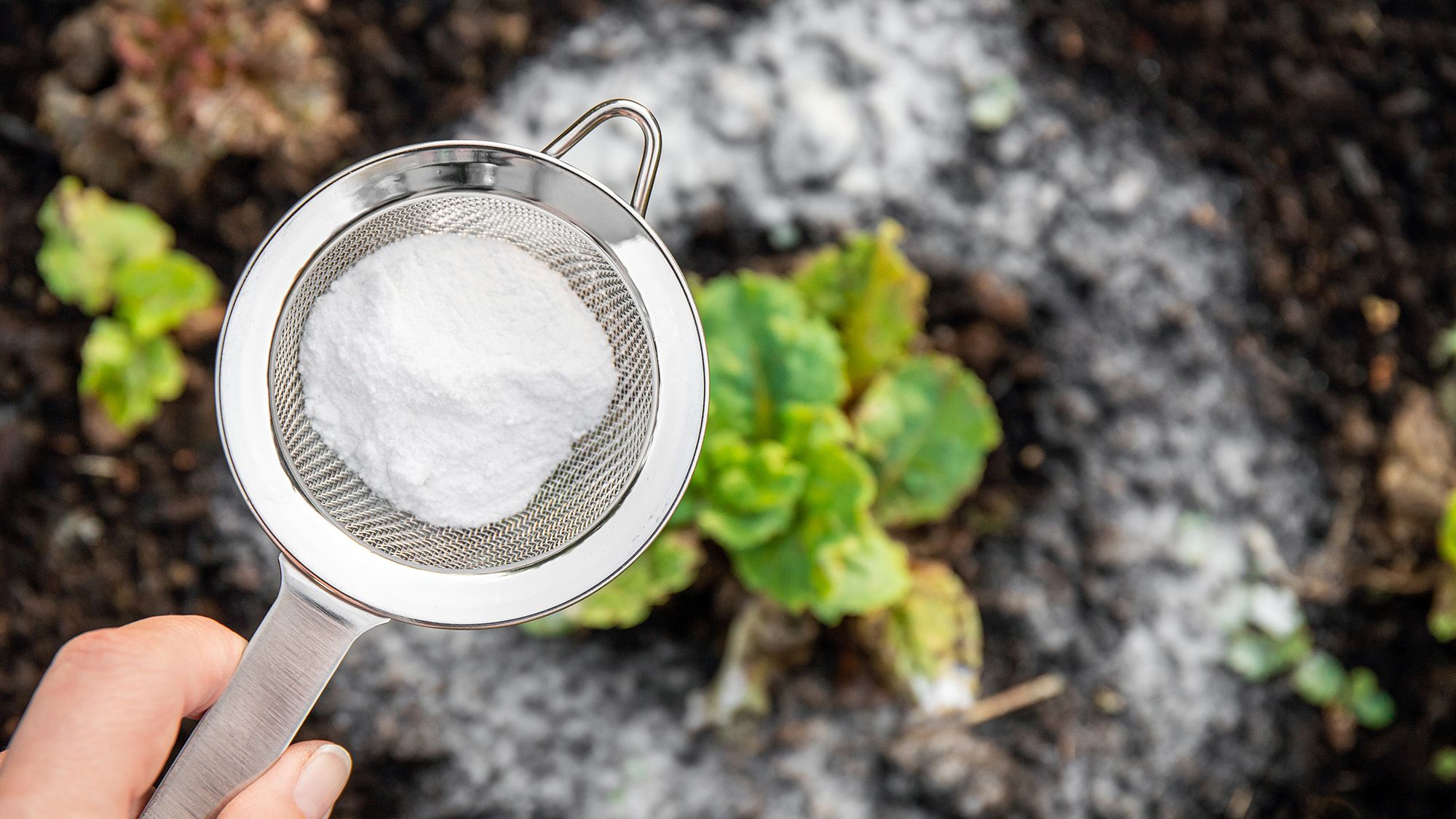
(Image credit: Tom's Guide)Before altering your garden bed, you can use simple acid-base reactions to get a clear directional read on your soil's chemistry. Collect two clean containers and gather fresh soil samples from about three inches below the surface near your plant's root zone, removing any stones or mulch.In the first container, pour half a cup of household white vinegar directly over the soil sample. If it fizzes or bubbles immediately, your soil is alkaline (pH above 7.0), reacting to the acid in the vinegar.If nothing happens, take your second container, moisten the soil sample with distilled water until it becomes muddy, and sprinkle a tablespoon of baking soda on top. Vigorous bubbling here signals acidic soil (pH below 6.0).If neither sample reacts, your soil sits comfortably in the neutral range.Get instant access to breaking news, the hottest reviews, great deals and helpful tips.Why extreme soil pH starves tomato roots