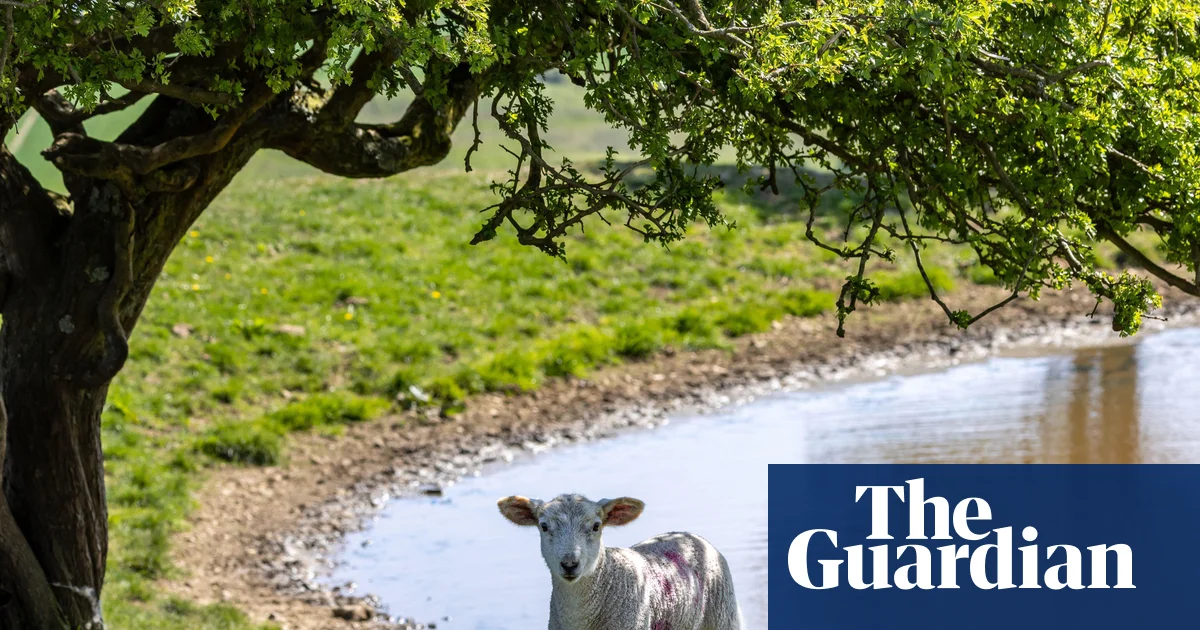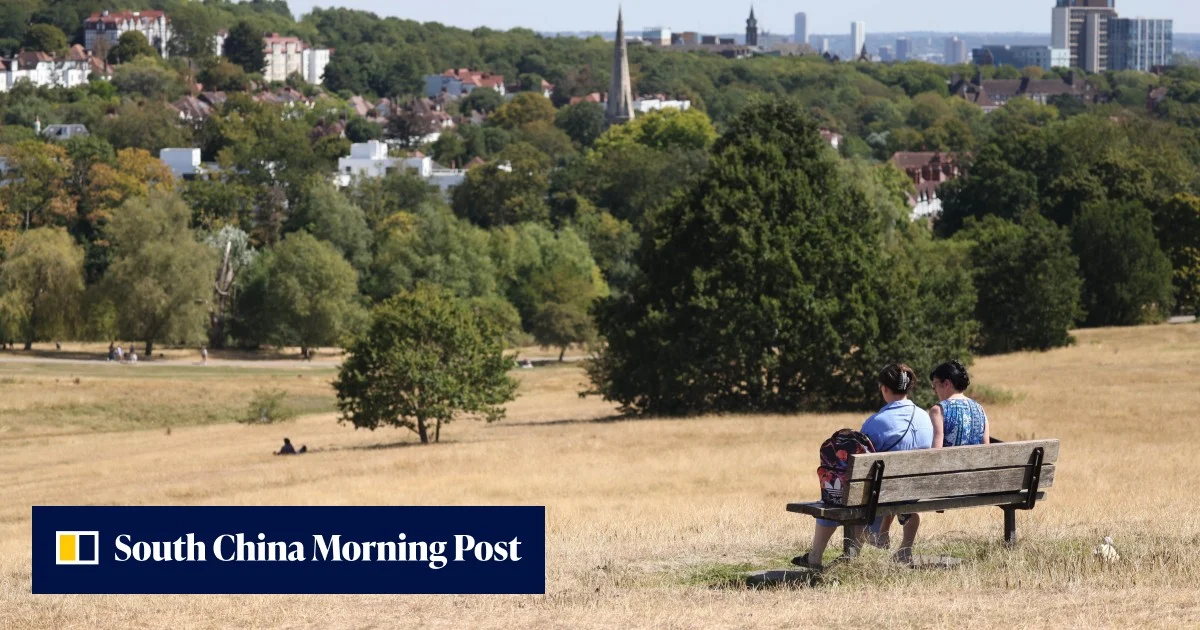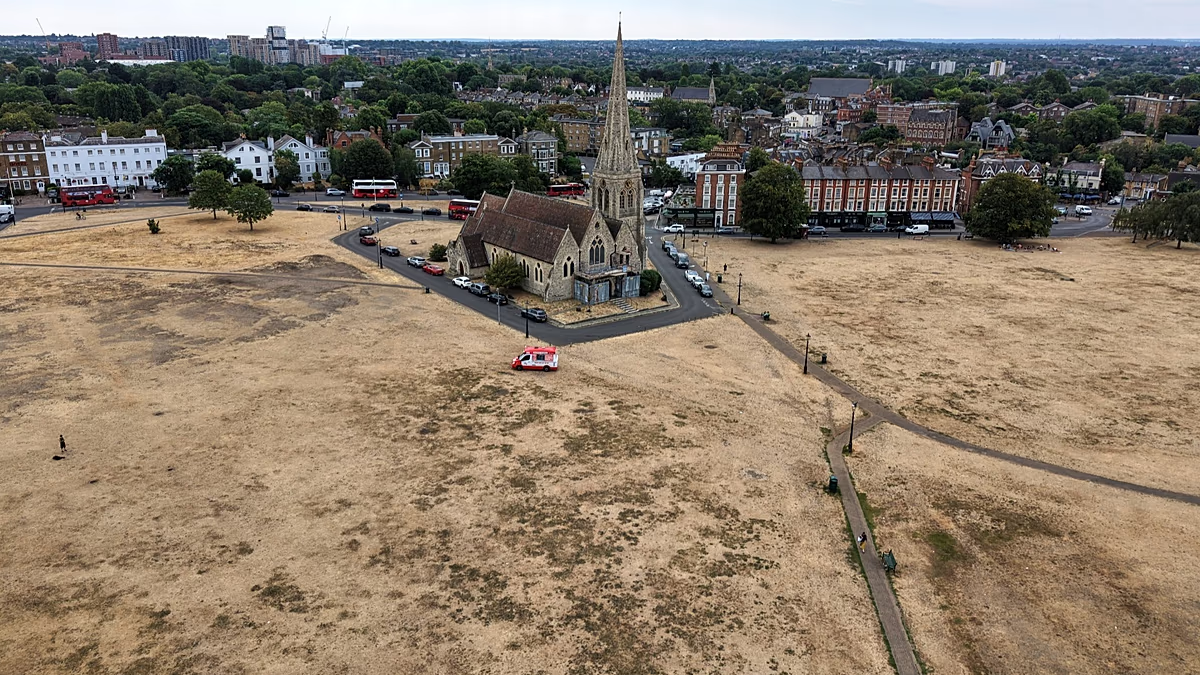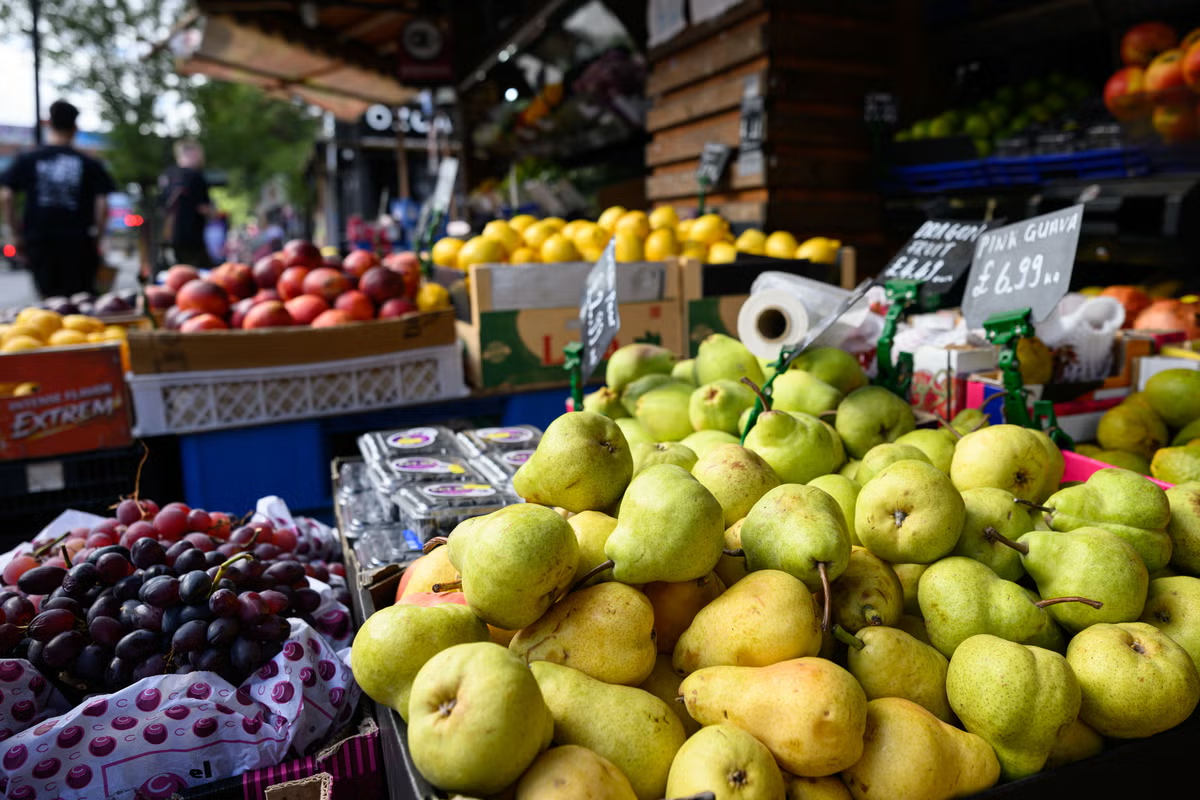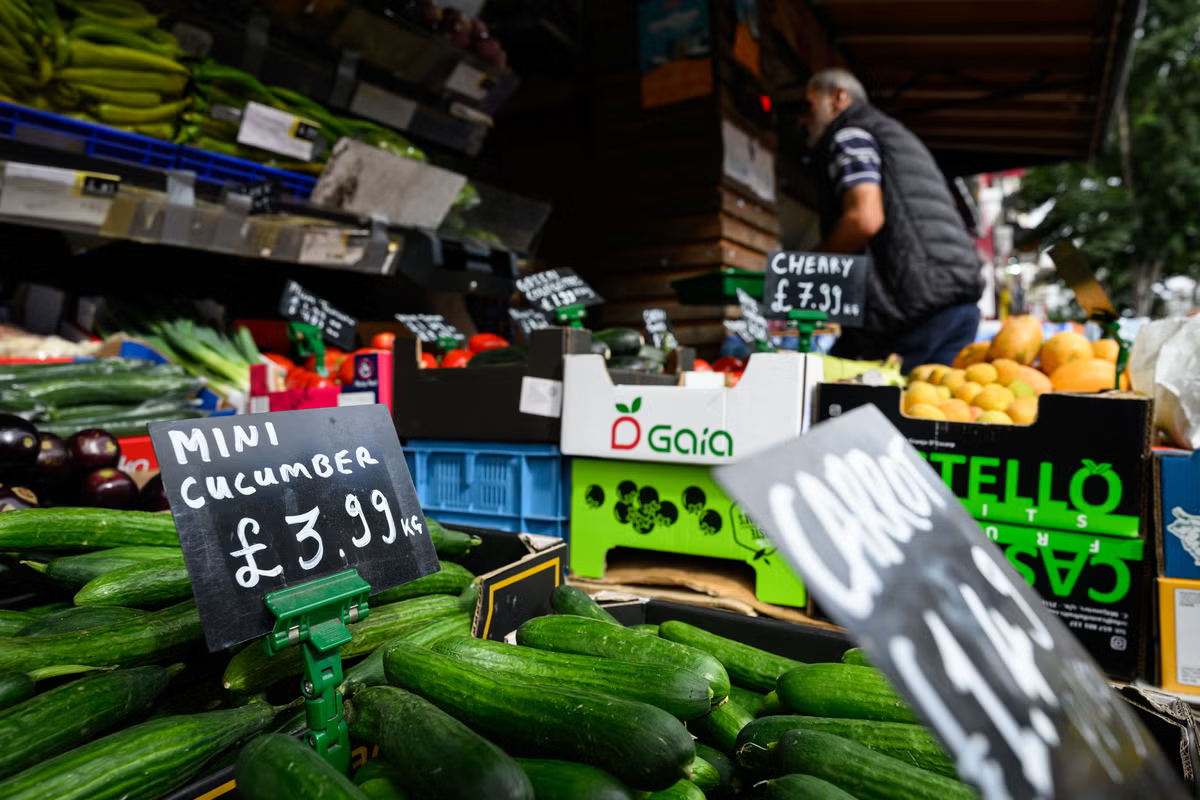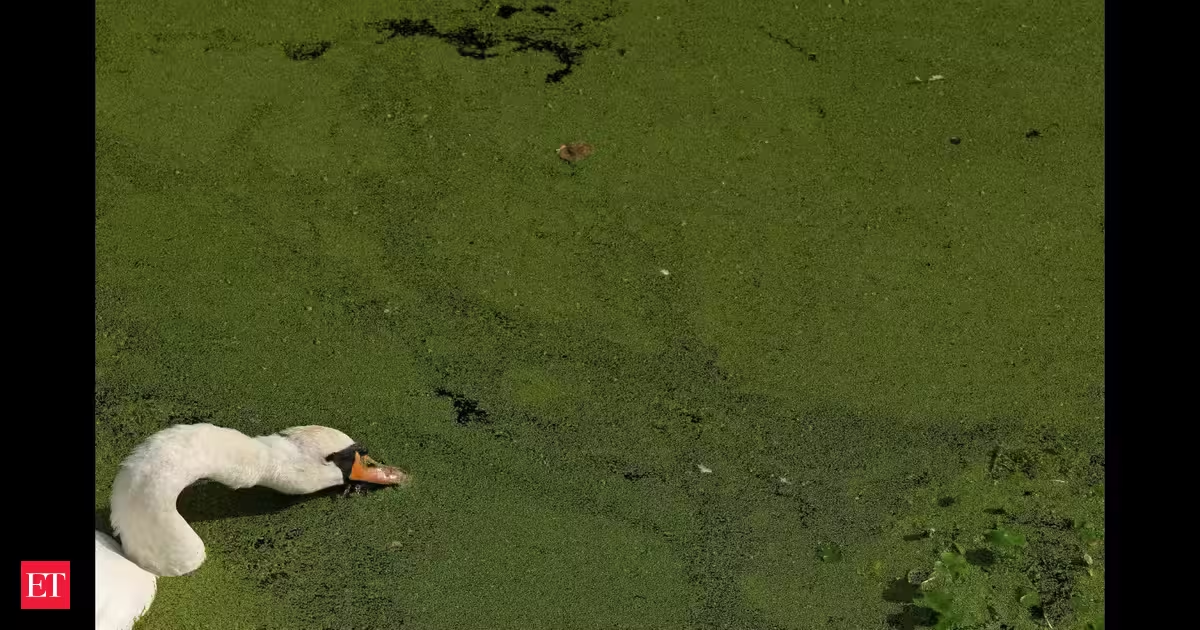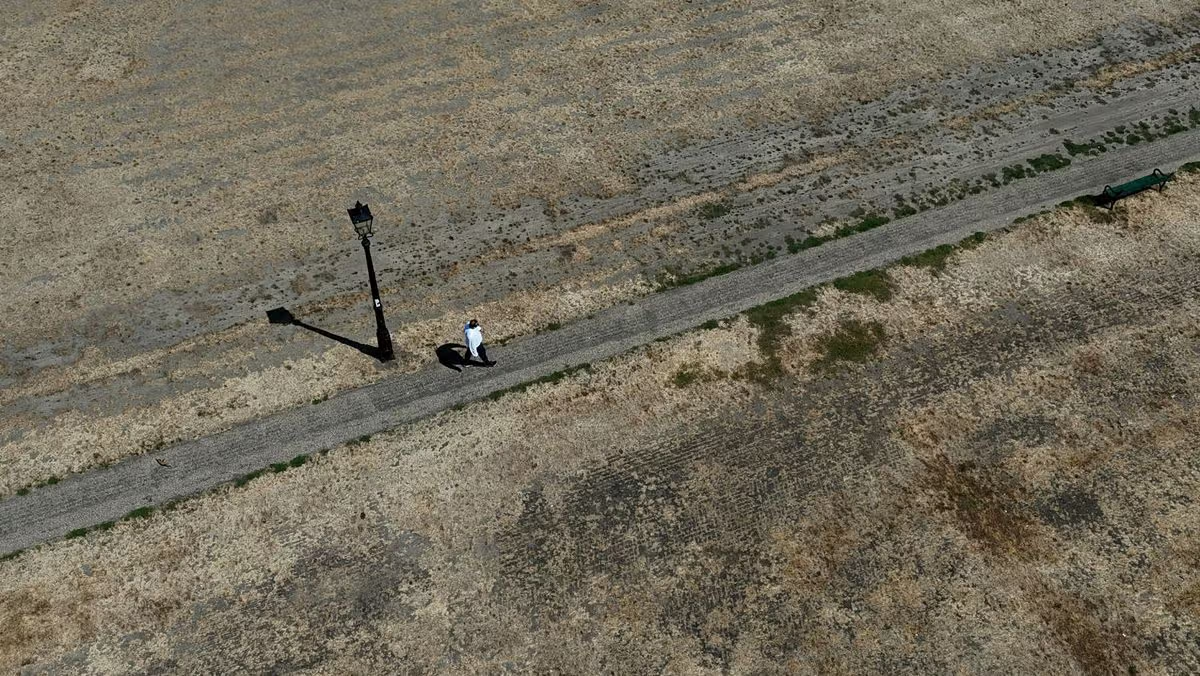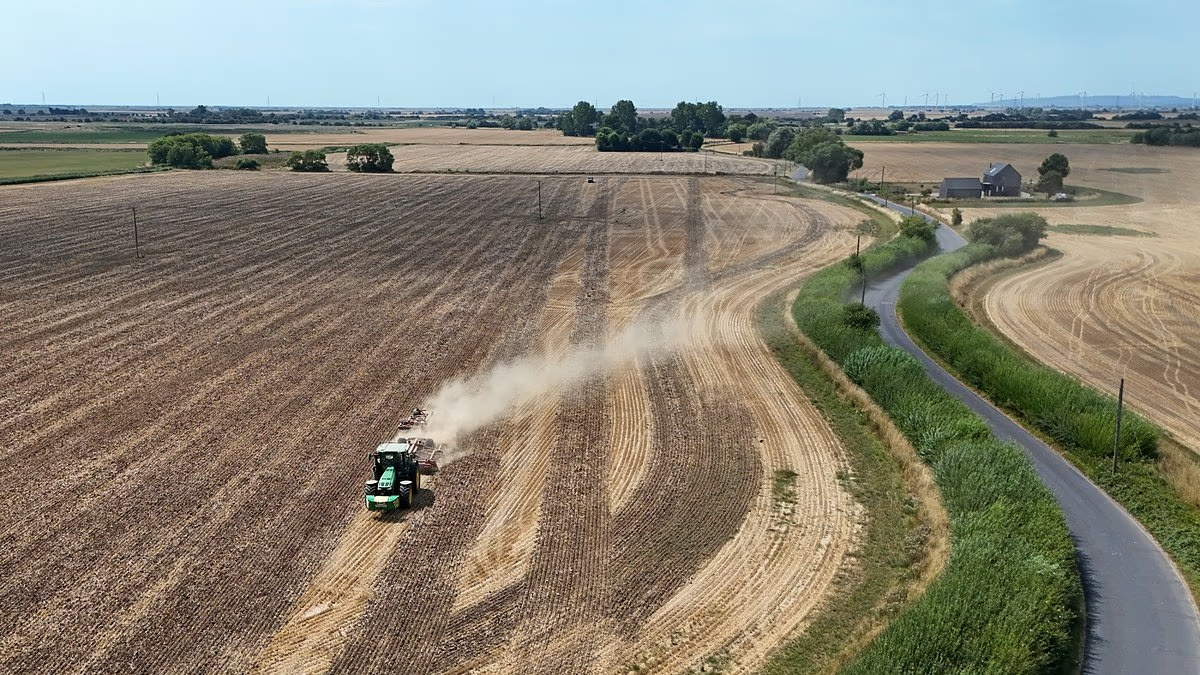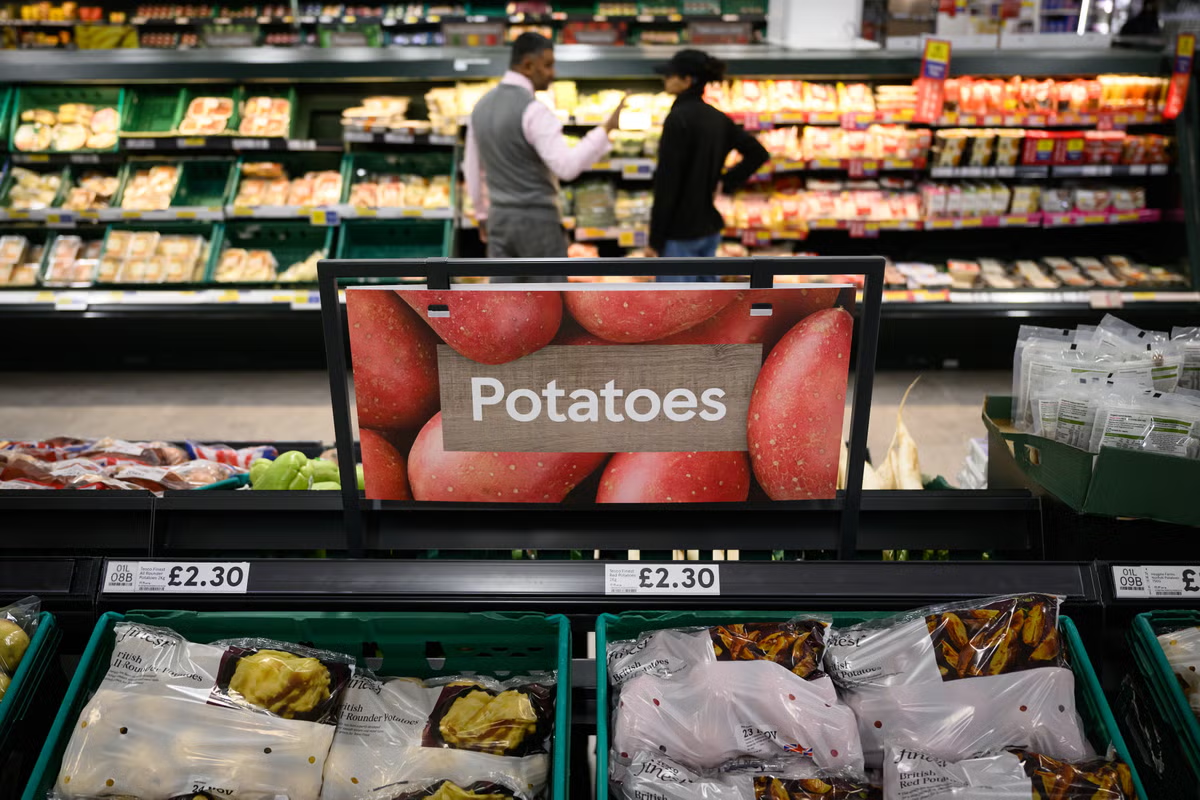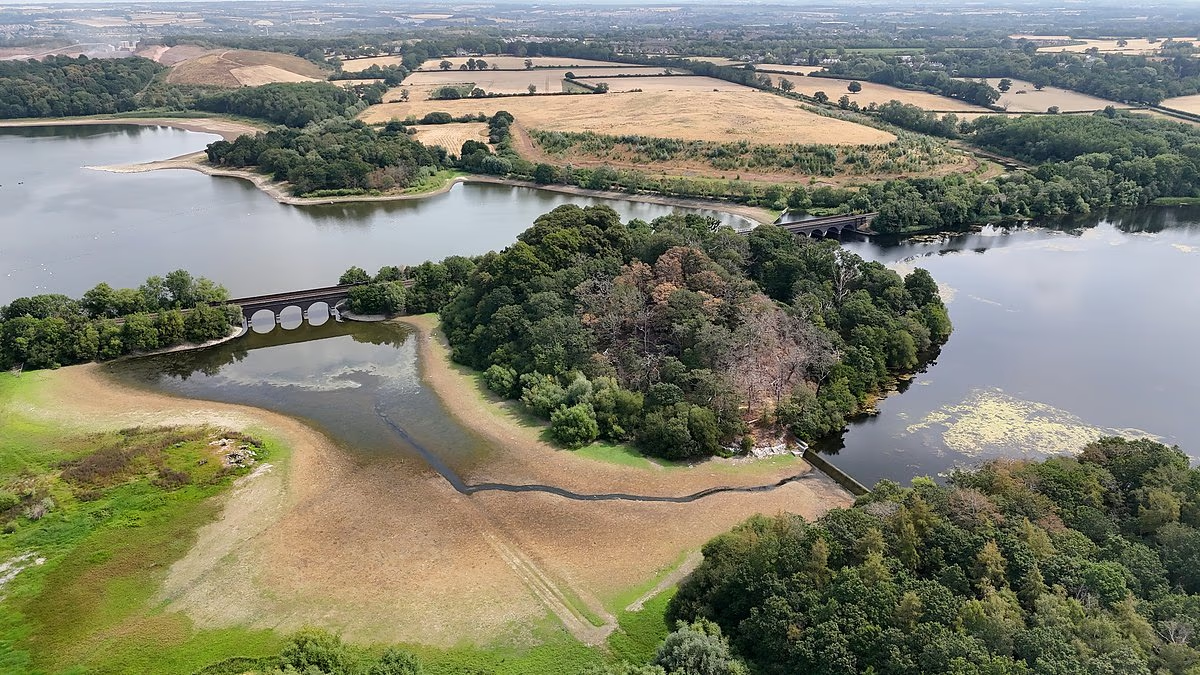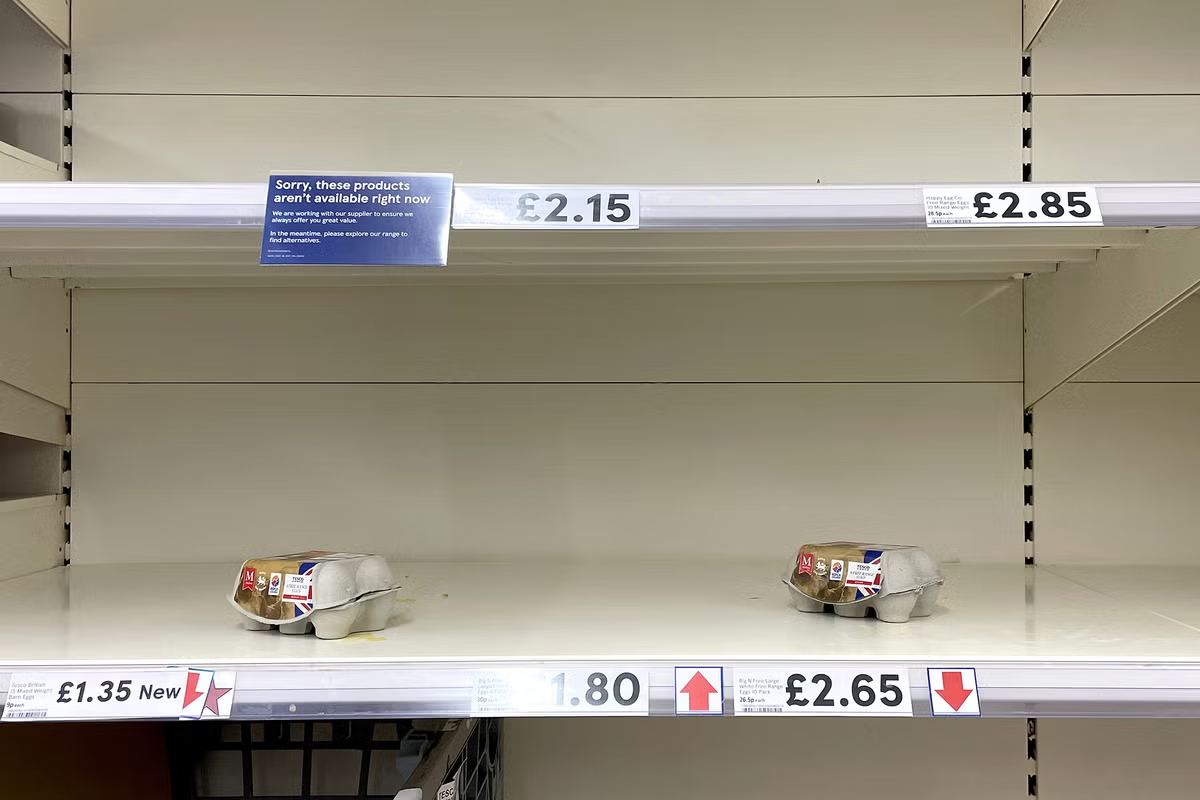
As Britain endures its sixth heatwave, with 2026 set to be the hottest summer on record and parts of the country only receiving 1 per cent of the average rainfall so far this month, our shopping baskets are already changing.
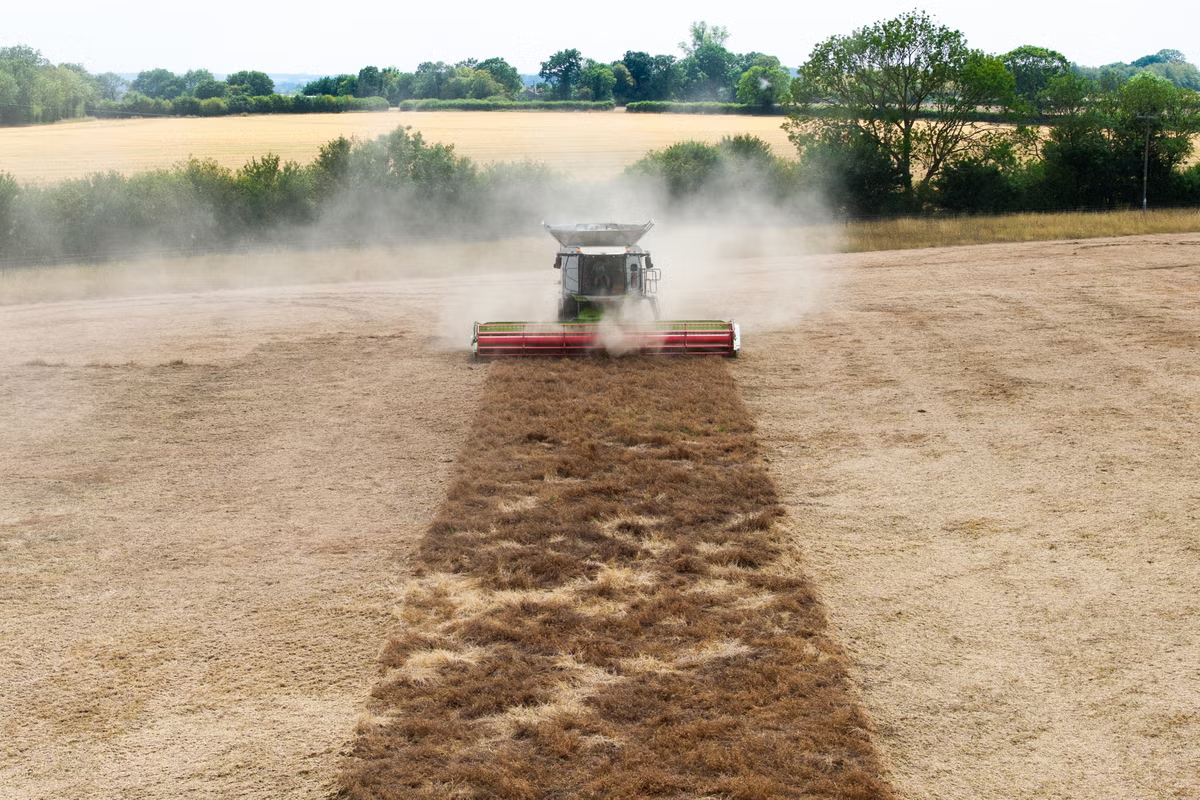
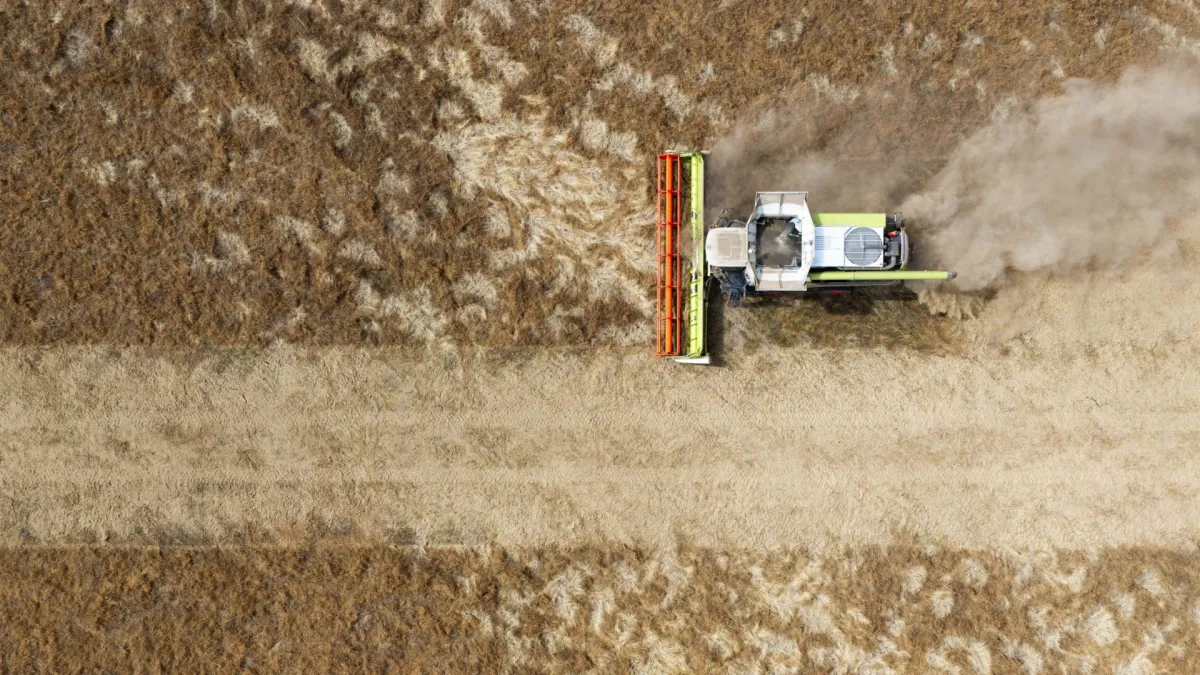
Britain’s farming industry has been ravaged, as farmers battle against drought conditions, now declared across 71 per cent of England. Fruit and vegetables are struggling, grain yields are down, and cows are producing less milk. This should be the height of growing season in Britain but pubs, restaurants and supermarkets are already importing staples such as lettuce and broccoli.
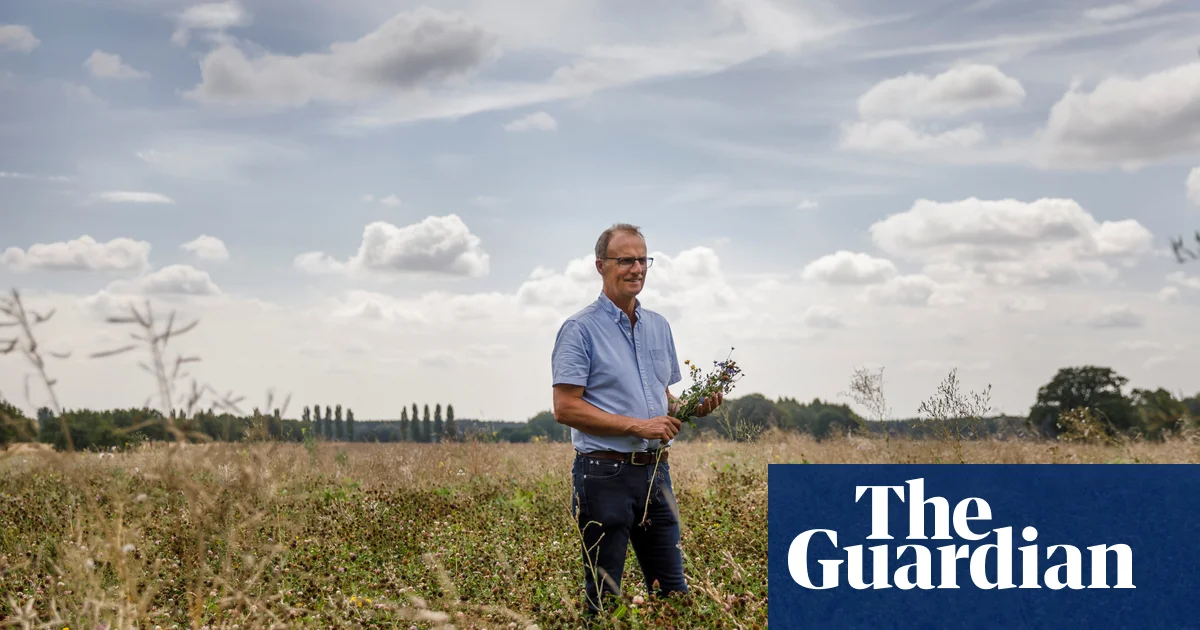
“We’ve already seen a reduction in yield in most cereal crops,” says Martin Lines, CEO of the Nature Friendly Farming Network. “Salads, potatoes and vegetables, which depend on high levels of moisture, have already been significantly affected.” Yields and quality are both down. “The big concern is that produce is not going to meet market specification and may be sidelined.”
Along with importing more, the cost of food could get even higher. The 2020s has already seen a barrage of global shocks – the pandemic, wars in Ukraine, Gaza and Iran – meaning global food prices are already 40 per cent higher than before the cost of living crisis began in 2021, says Christian Jaccarini, senior economist for food and farming at the Energy and Climate Intelligence Unit. “The heatwaves will see those creep up further in the coming months.