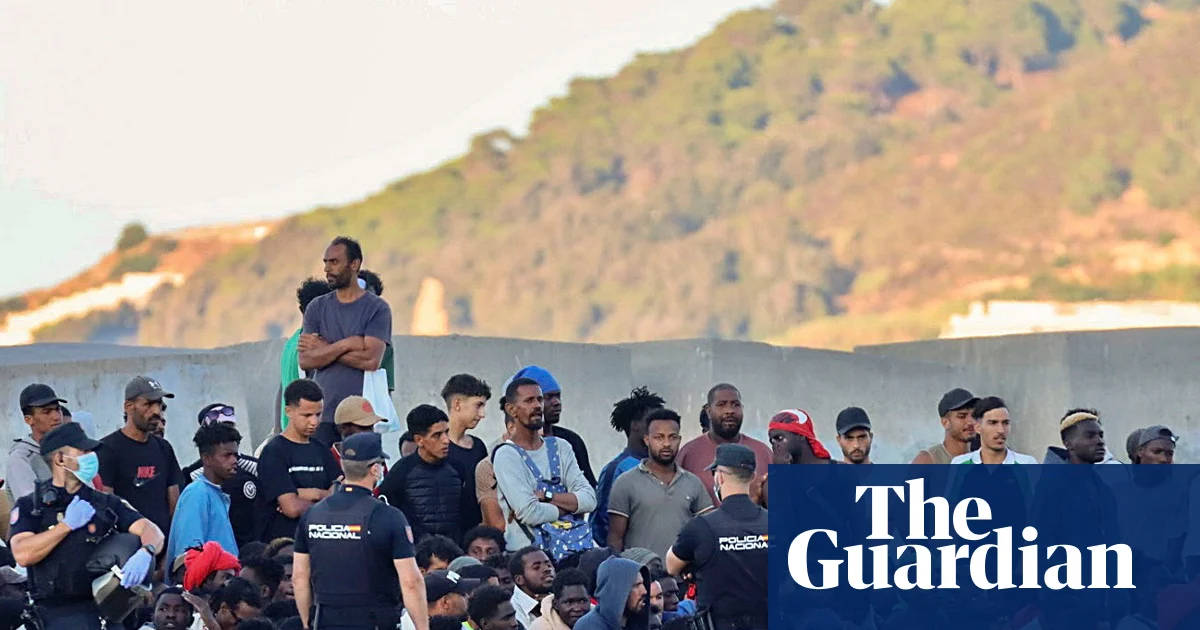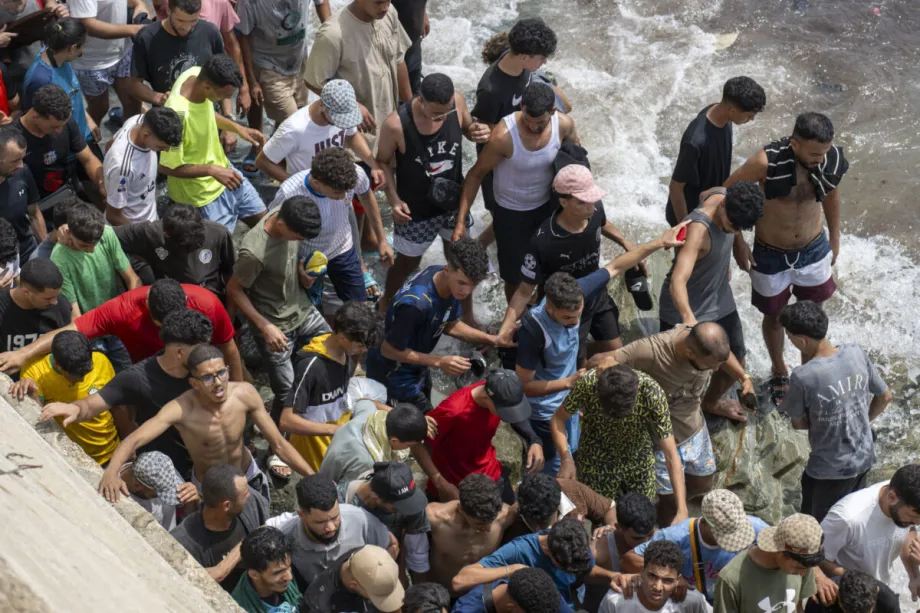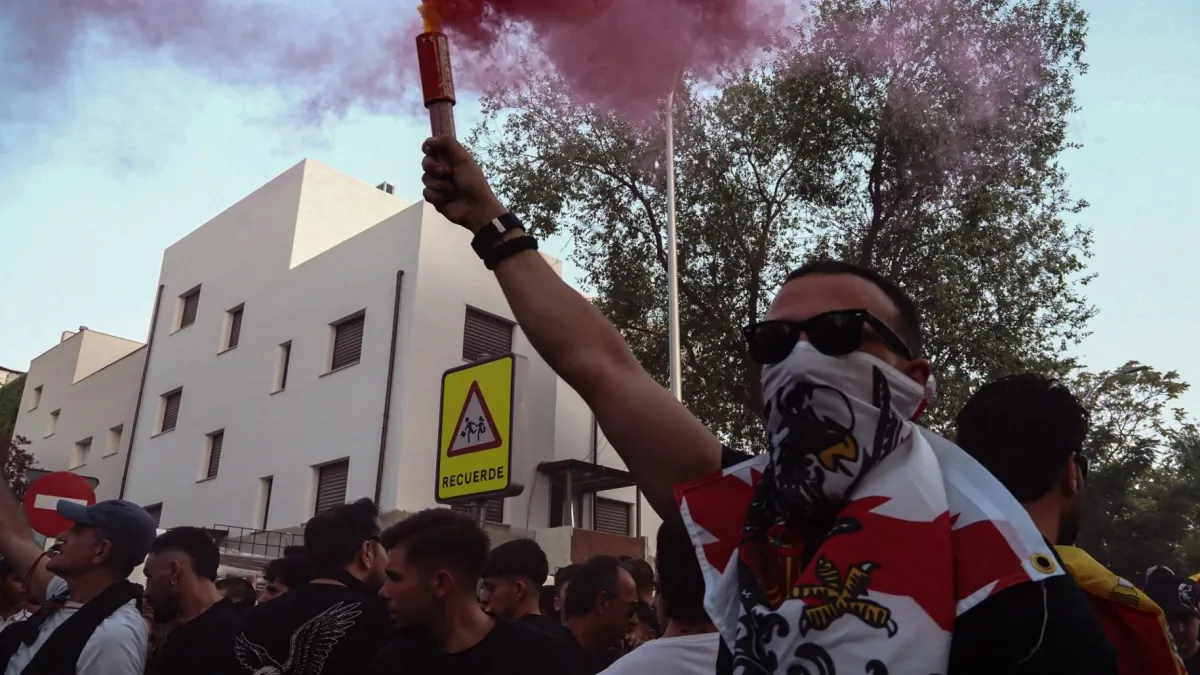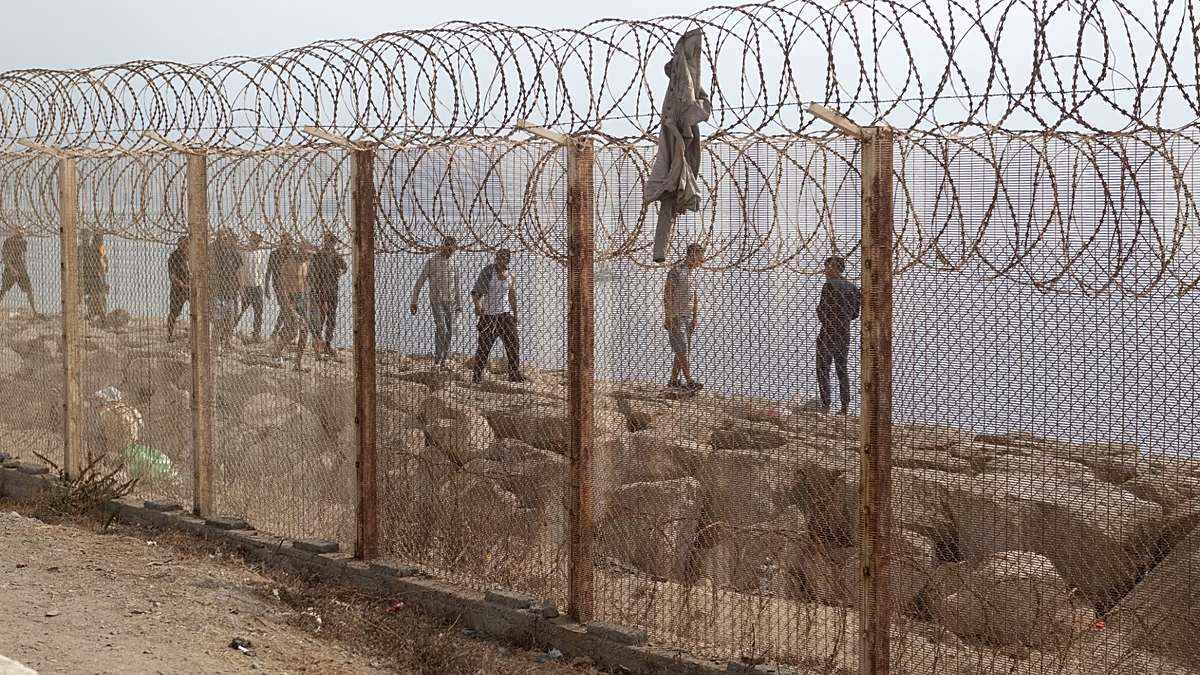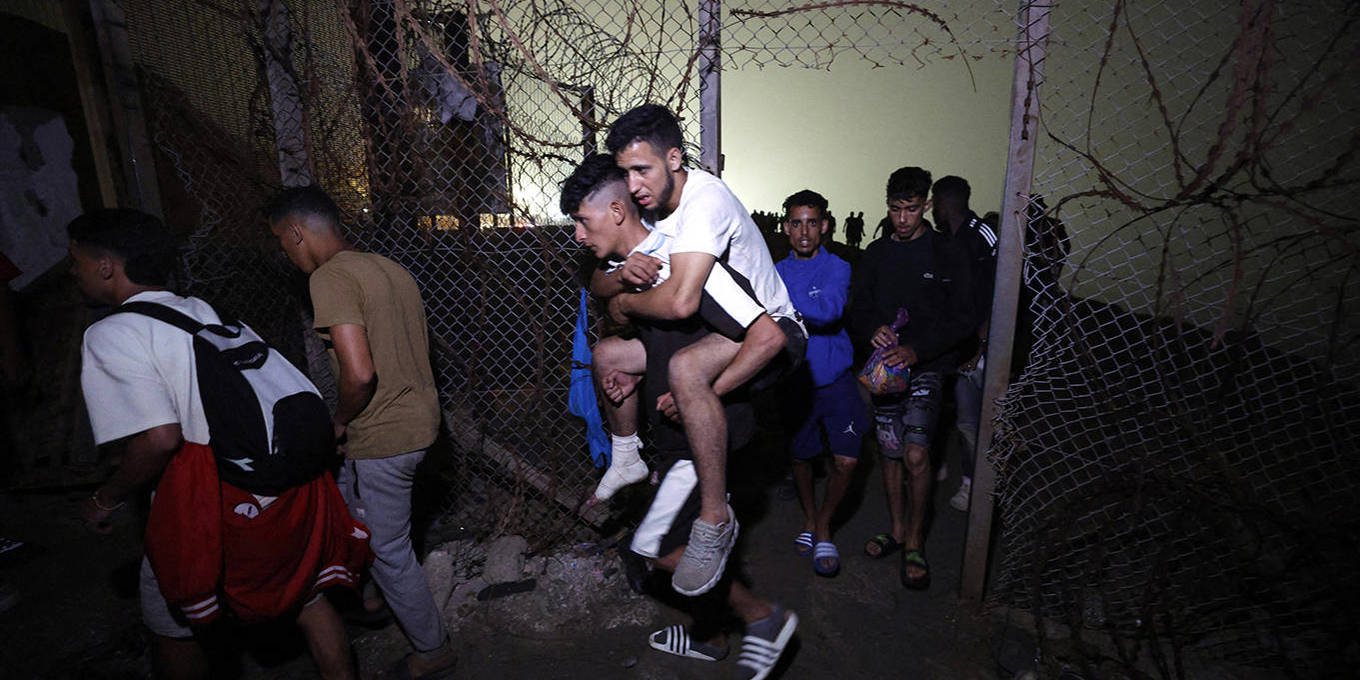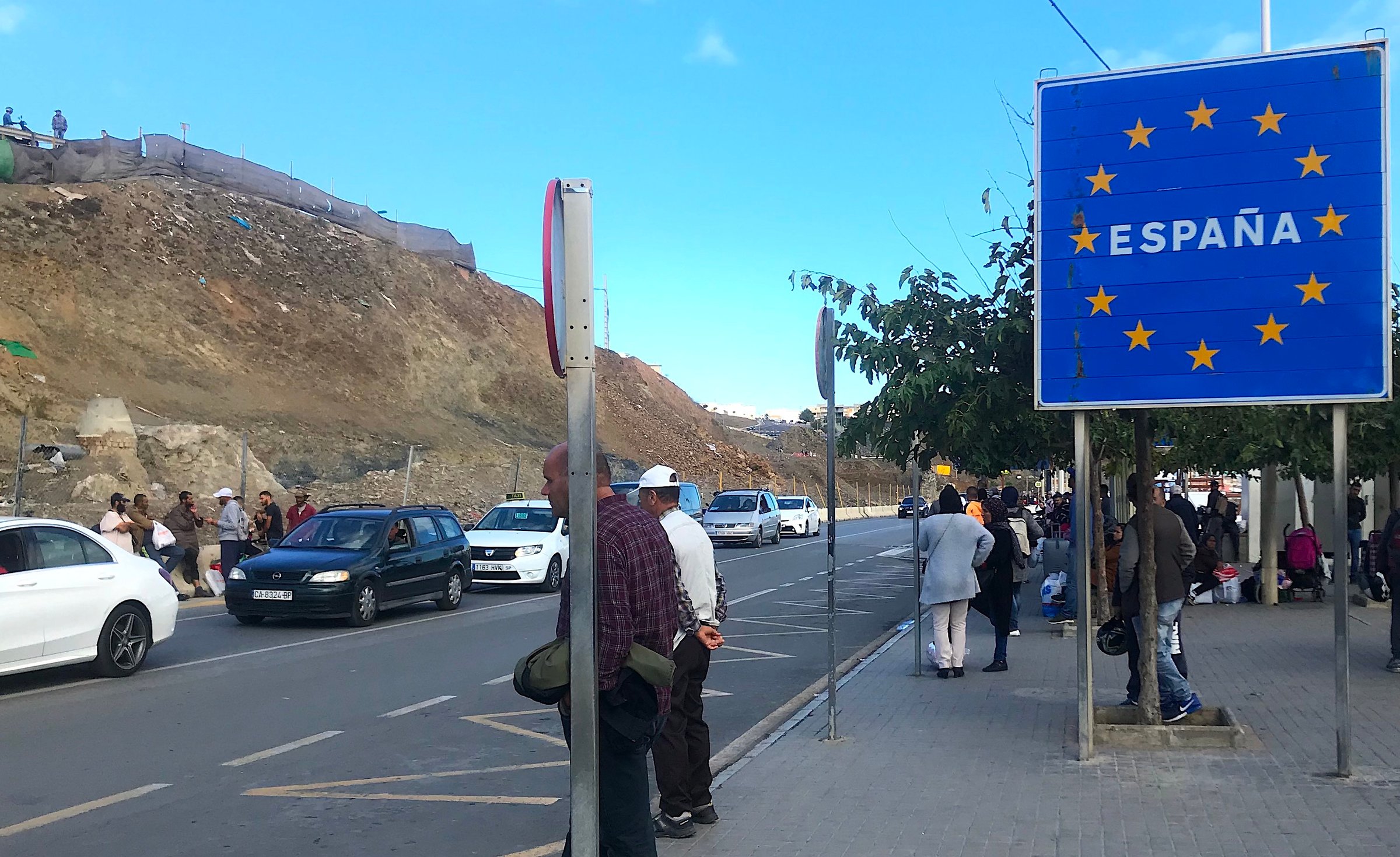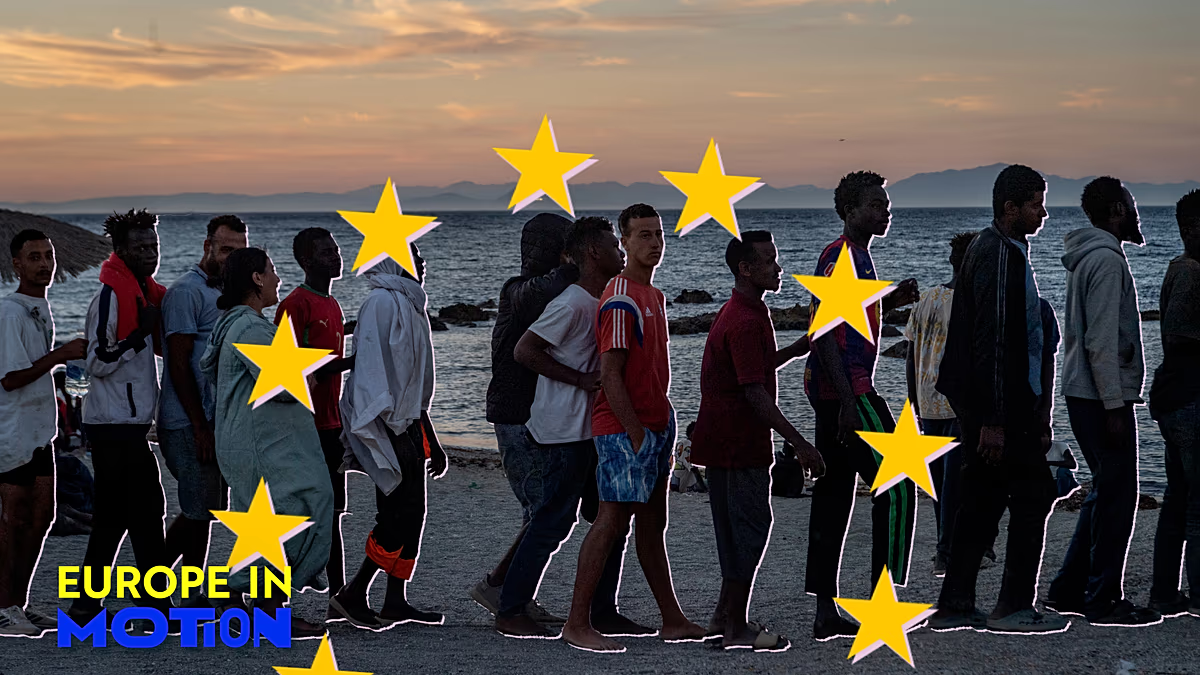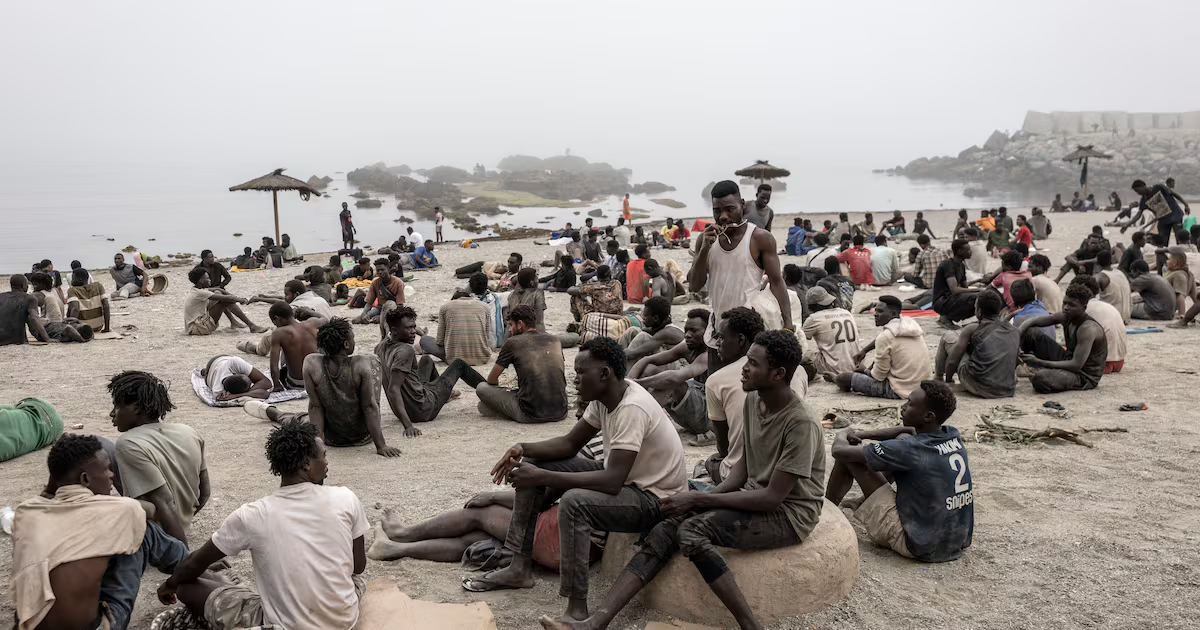
Ceuta was a carnival of reaction for the international far right. It weaponised the sudden migration surge from Morocco to the Spanish enclave into “a kind of border porn for the global far right: a locus upon which to project their most vivid and apocalyptic fantasies” as Guardian columnist Jonathan Liew eloquently put it. The incident raises longer-term issues about how Europe’s relations with north Africa’s authoritarian regimes are being intensified by securitised migration regimes. Wider issues are about the development of European Union-Africa relations during the Irish EU presidency and how to tackle what Oxford academic Anton Jäger calls online hyperpolitics in a new book. EU member states disgraced themselves again on the subject, 22 of them immediately signing a letter criticising Spain for the alleged threat to their societies. According to a joint statement by Italy and Denmark, illegal immigration causes rising crime, growing pressure on public services and erodes citizen trust. They say ordinary people pay the cost and vow to protect Europe’s Christian cultural heritage against those who want to upend it. In fact, all but between 1,000 and 2,000 of the 60,000 or more Moroccans who swam to Ceuta returned the next day, after 72 died en route. High fences surrounding the enclave work; from January to April this year 2,582 crossed that border, 1,000 claimed asylum and overall numbers going to the EU are down. There is huge income difference between the $4,158 (€3,598) earned per citizen in Morocco and the average $26,774 in Ceuta – just like the disparity on either side of the Mexico-United States border. Individual Moroccans who joined the surge spoke of extreme exploitation in factories, earning dirt wages for long hours of work in neglected townships near the border. There is a crisis of employment and opportunity for youth there, fuelling periodic outbursts of protest and repression from its authoritarian monarch and his crony oligarchic regime. Understandably, much European and US media coverage concentrated on the politics of the Ceuta incident, including whether Morocco fanned it after the Spanish prime minister Pedro Sánchez’s visit to Algeria (its rival on Spanish Sahara) and a Spanish court judgment on arriving by sea; and whether the US and Israel also fanned it arising from Morocco’s support for the Abraham accords recognising Israel, Spain’s outspokenness on Gaza and an amnesty for immigrant workers mainly from Latin America.These underlying frictions were exploited by the international far-right networks with open support from Donald Trump’s administration. The tensions will fuel forthcoming election campaigns in the US, Israel – and in Italy, Spain, Germany, France and the UK where far-right parties threaten governments. That this is not simple or uniform shows up in the Italian-Danish joint statement between Giorgia Meloni, who faces competition from Roberto Vannacci’s fascist National Future party, and Mette Frederiksen, a social democrat with a nativist position on Islamic migration. Which way Europe and the EU faces after this electoral wave will matter for its relations with north African regimes and Africa as a whole. The EU’s Pact on Migration and Asylum providing for faster deportations and fewer appeals by asylum seekers is in effect since June. Outsourcing migration controls to Morocco, Egypt, Turkey and other states after the 2015 Syrian crisis when one million people came to the EU, without addressing underlying issues such as economic disparities and poor governance in north African countries, is likely to lead to more incidents of sudden, chaotic, large-scale migration, not fewer, according to a recent book, Aiding Autocrats. Ireland has considerable expertise on sub-Saharan Africa arising from its anti-imperialism, substantial development aid, diplomacy, policy and academic research. Prominent figures such as Mary Robinson advocate climate justice and far closer engagement in EU-Africa relations. So did Simon Coveney as minister for foreign affairs and trade, saying repeatedly they should be put on a much more political and equitable basis. If migration is driven mainly by poor life chances then it makes much sense to help African states improve them to mitigate that. Niall Duggan of University College Cork is a joint editor of Routledge Handbook of EU-Africa Relations. He and other scholars including Toni Haastrup say relations remain too embedded in Eurocentric and postcolonial assumptions on the European side. These are exacerbated by trade and economic policies and securitised migration systems inconsistent with its equalising rhetoric. African states and the African Union are taking advantage of geopolitical reordering in a more multipolar world to assert agency, hedging between Europe, the US, China and more recent rich players such as the United Arab Emirates keen to exploit Africa’s wealth and scale. The Irish presidency of the Council of the European Union recognises the importance of EU-Africa relations, but does not really prioritise these. Ceuta exemplifies how political surprises cut through the best diplomatic preparation. It would be a great pity if it deflected attention from the pressing need to put relations between both continental regions on a genuinely more equal basis.
Worldview: Europe-Africa relations are coming to the fore during the Irish EU presidency
Worldview: Ceuta exemplifies how political surprises cut through the best diplomatic preparation
823 words~4 min read