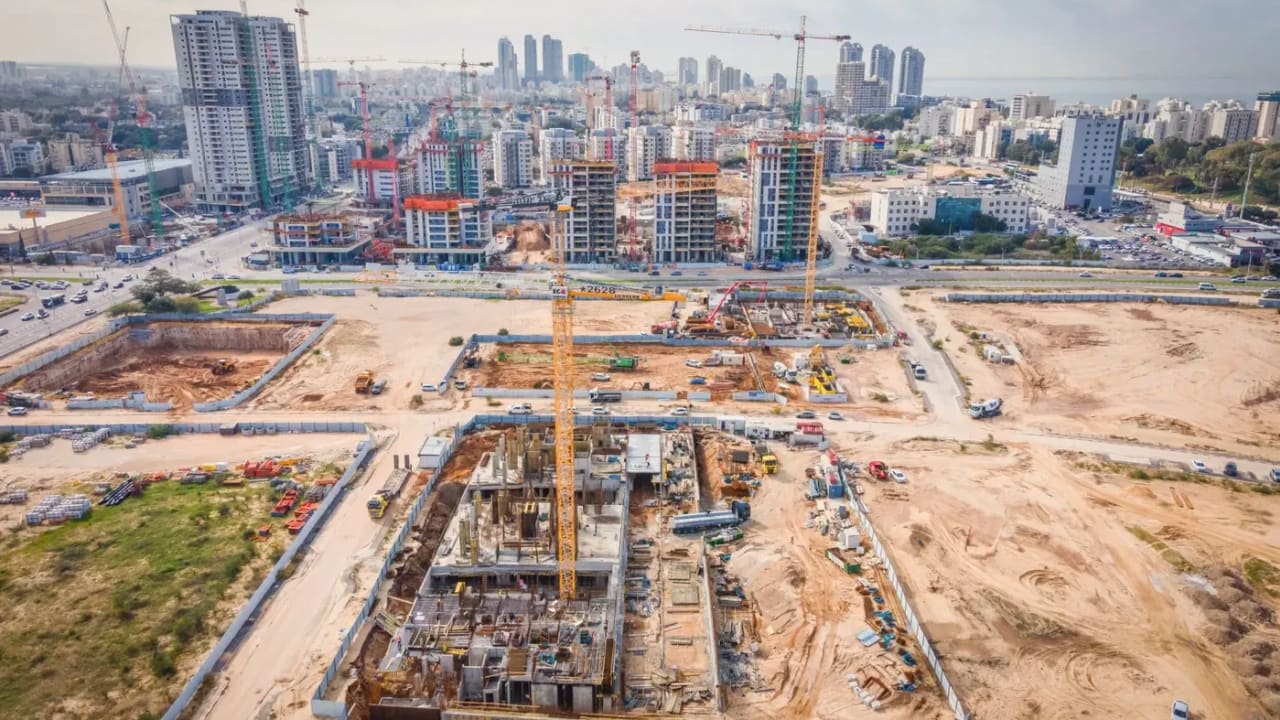
ByDANIEL COHENAUGUST 15, 2026 04:09Israel’s Consumer Price Index rose 0.3% in July compared with June, largely due to seasonal summer demand and higher transportation and leisure costs, while housing expenses continued to climb. Annual inflation stood at 1.5%.Among the index's main components, transportation prices rose 1.4%, while culture and entertainment increased 1.1%, largely reflecting seasonal summer demand. In contrast, clothing and footwear prices fell 4.6%, while fresh fruit and vegetable prices declined 3.5%. Furniture and household equipment fell 0.7%, and miscellaneous goods and services fell 0.4%.In the rental market, the data showed that rents continued to rise, particularly for tenants signing new leases. Tenants who renewed an existing lease saw rents increase 2.6%, while new tenants, meaning those moving into apartments where the previous tenant had left, faced a sharper increase of 4.7%.The Central Bureau of Statistics (CBS) said these figures provide an approximation of the annual change in rents for the two groups, since most rental agreements remain unchanged during the term of the lease.In the industrial sector, the Manufacturing Output Price Index for the domestic market fell 1.2% in July. The decline was driven mainly by a sharp 12% drop in prices for refined petroleum products, alongside decreases in basic metals and furniture.A man walks past a fruit and vegetable stall in a market in Jerusalem (credit: REUTERS/AMIR COHEN)Excluding fuels, the index was unchanged from the previous month. On an annual basis, the Manufacturing Output Price Index fell 0.5%.What about home prices?According to CBS data, the Home Price Index, which includes both new and existing homes, rose 0.1% in May to June 2026 compared with April to May 2026.On an annual basis, however, home prices fell 1.5% compared with the same period last year, May to June 2025. The decline follows other periods of falling home prices recorded over the past decade, including in 2018 and the second half of 2023.By district, monthly price increases were recorded in Jerusalem, up 1.8%; Haifa, up 1.5%; the North, up 0.9%; and the South, up 0.7%. Prices fell 1% in the Central District and 0.7% in the Tel Aviv District.Compared with the same period last year, prices fell 4.1% in the Central District, 1.8% in the Haifa District, and 1.7% in the Tel Aviv District. In contrast, prices rose 1.8% in the Jerusalem District, 1.6% in the Northern District, and 0.1% in the Southern District.Meanwhile, the New Home Price Index rose 0.5% in May to June 2026 compared with the previous period. The share of transactions involving government subsidies increased to 38.4%, from 36.4% in the previous period.Excluding government-subsidized transactions, the New Home Price Index rose 0.9%. On an annual basis, new home prices fell 2%.A 26.2% rise over past five yearsOver the past five years, compared with May to June 2021, new home prices have risen 26.2%, compared with a 30.6% increase in prices for all homes over the same period.In the second quarter of 2026, the average home price nationwide stood at NIS 2.435 million, up 3.7% from the previous quarter and 7.9% from the same quarter last year.Among Israel's largest cities, Tel Aviv recorded the highest average home price, at NIS 4.5535 million, while Beersheba recorded the lowest, at NIS 1.2362 million.Compared with the same quarter last year, average home prices rose the most in Ashdod, up 11%, and in Tel Aviv, up 8.4%. The largest declines were recorded in Ashkelon, down 2.4%, Bnei Brak, down 1.7%, and Netanya, down 1.7%.Follow us on Google
Summer demand pushes consumer prices up, including rent, transportation costs | The Jerusalem Post
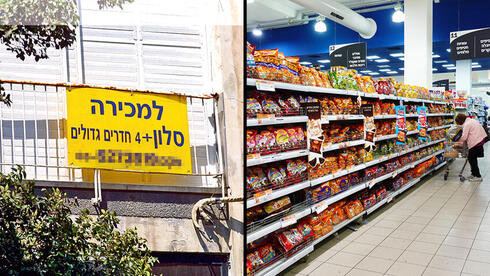
Transportation prices rose 1.4%, and culture and entertainment rose 1.1%, while footwear fell 4.6%, and fresh fruit and vegetable prices declined 3.5%.
576 words~3 min read