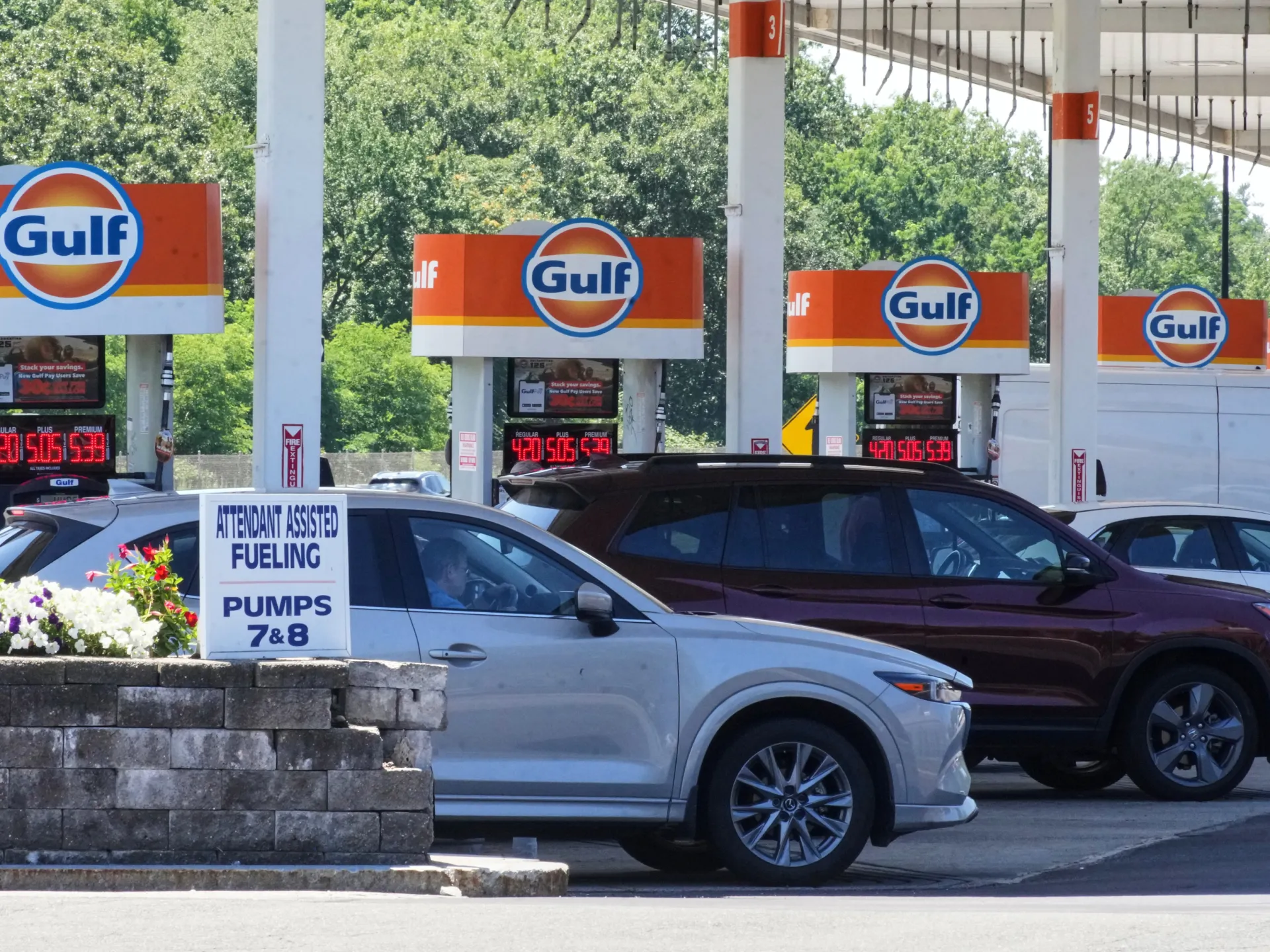
The summer has provided relief to Spring’s energy shock. The energy index dropped 1.5% in July after a 5.7% decline in June, with gasoline down 2.9% for the month. Yet energy prices remain 14.7% higher than a year ago, and gasoline 24.6% higher after a war with Iran shut down the Strait of Hormuz.
Markets took the report as a relief. Stock futures rose after the release, and traders decreased the odds of a Fed hike next month to under 50%. The 10-year Treasury yield held near 4.66%.
“In-line inflation will keep the ‘no need to hike rates’ narrative that took hold after last week’s jobs report intact,” said Ellen Zentner, chief economic strategist for Morgan Stanley Wealth Management. “There will be another round of inflation data before the September FOMC meeting, so the storyline could still change. But unless those numbers tell a much different story, the Fed will likely still be in a position to leave rates unchanged next month.”
Not everyone reads it as a clean case for patience. Jeffrey Roach, chief economist at LPL Financial, expects a lively debate in September. His baseline is that the Fed holds, but he noted a growing number of hawkish voting members who could convince the majority to raise, using PCE, the Fed’s preferred measure, as the basis.