Show Caption
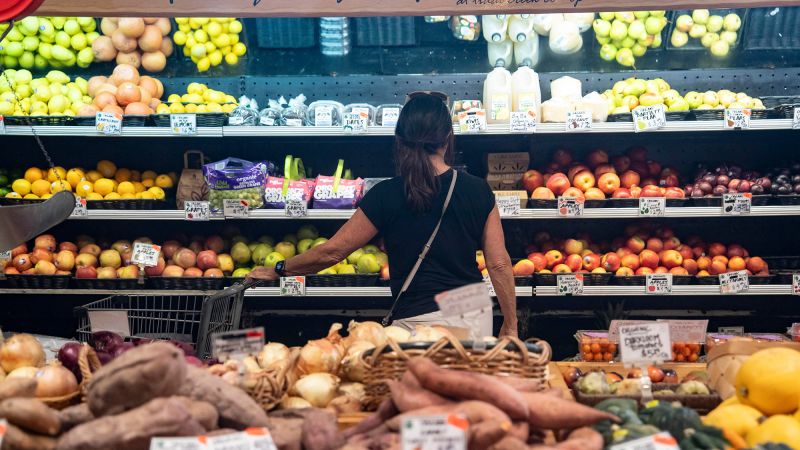
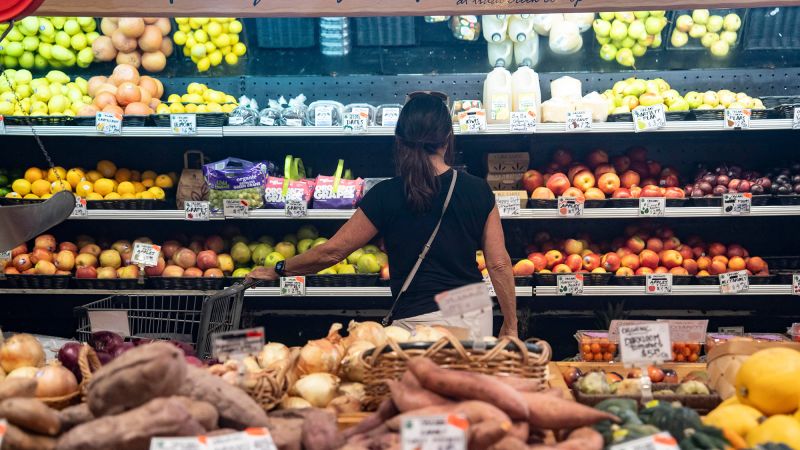
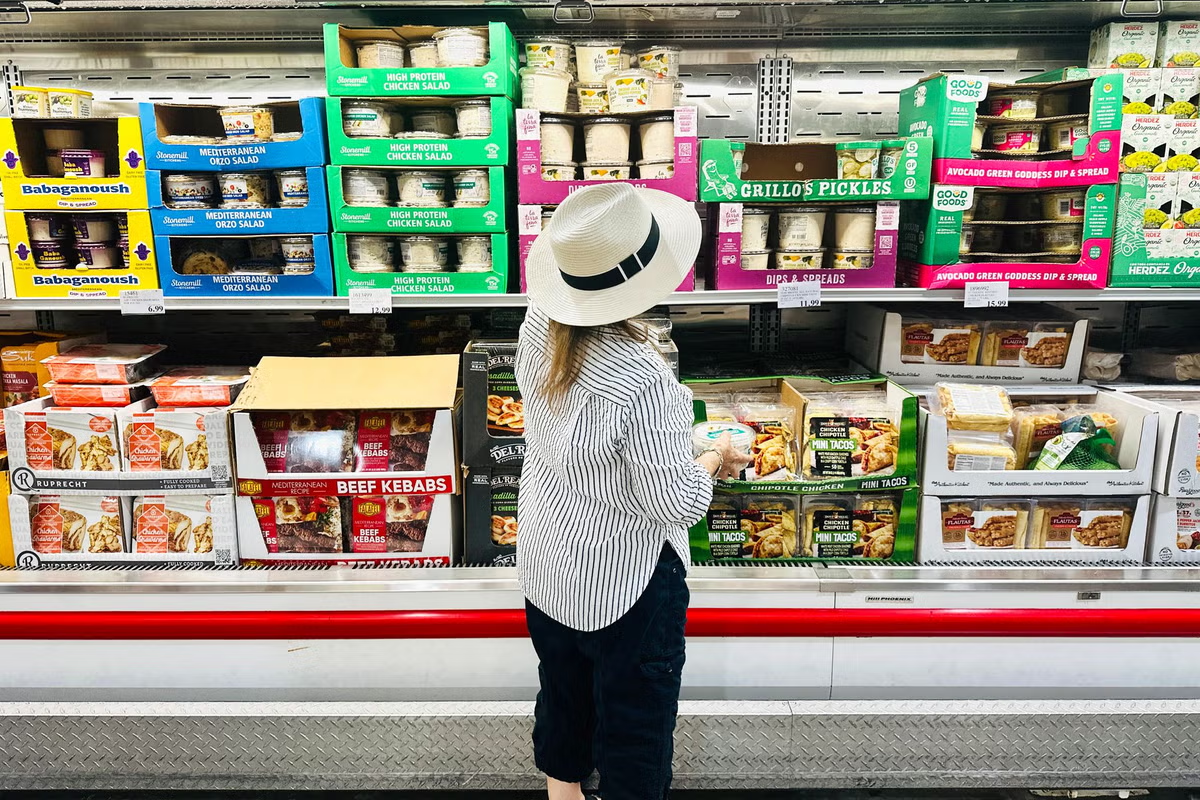
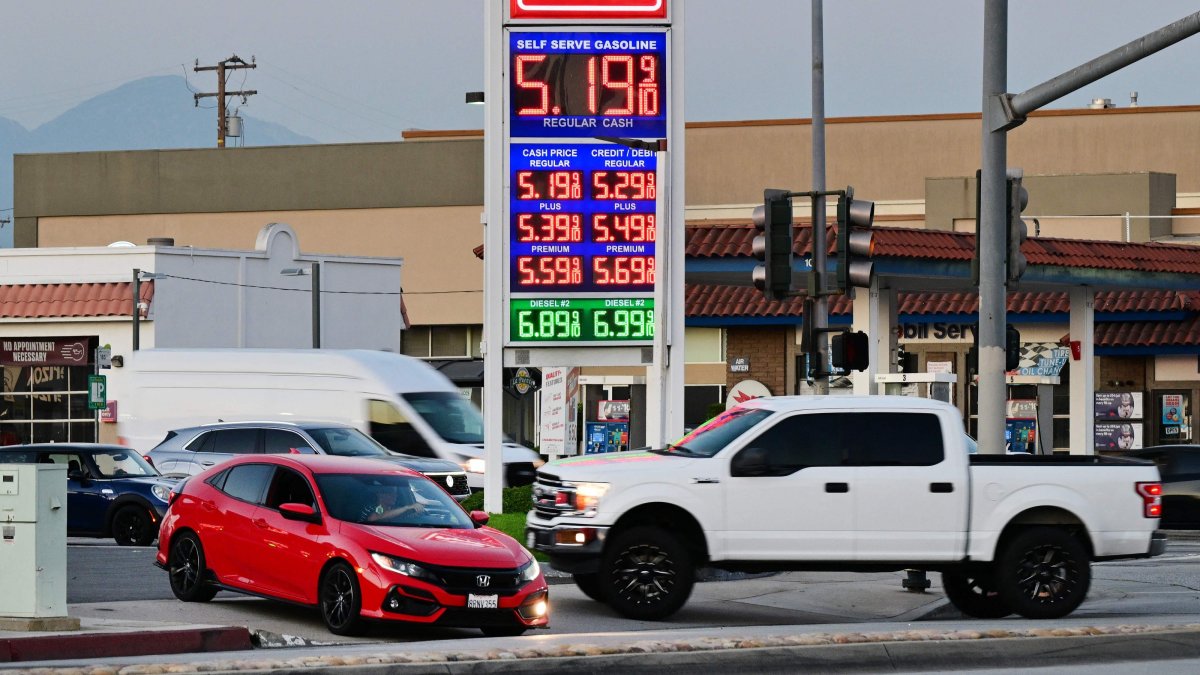
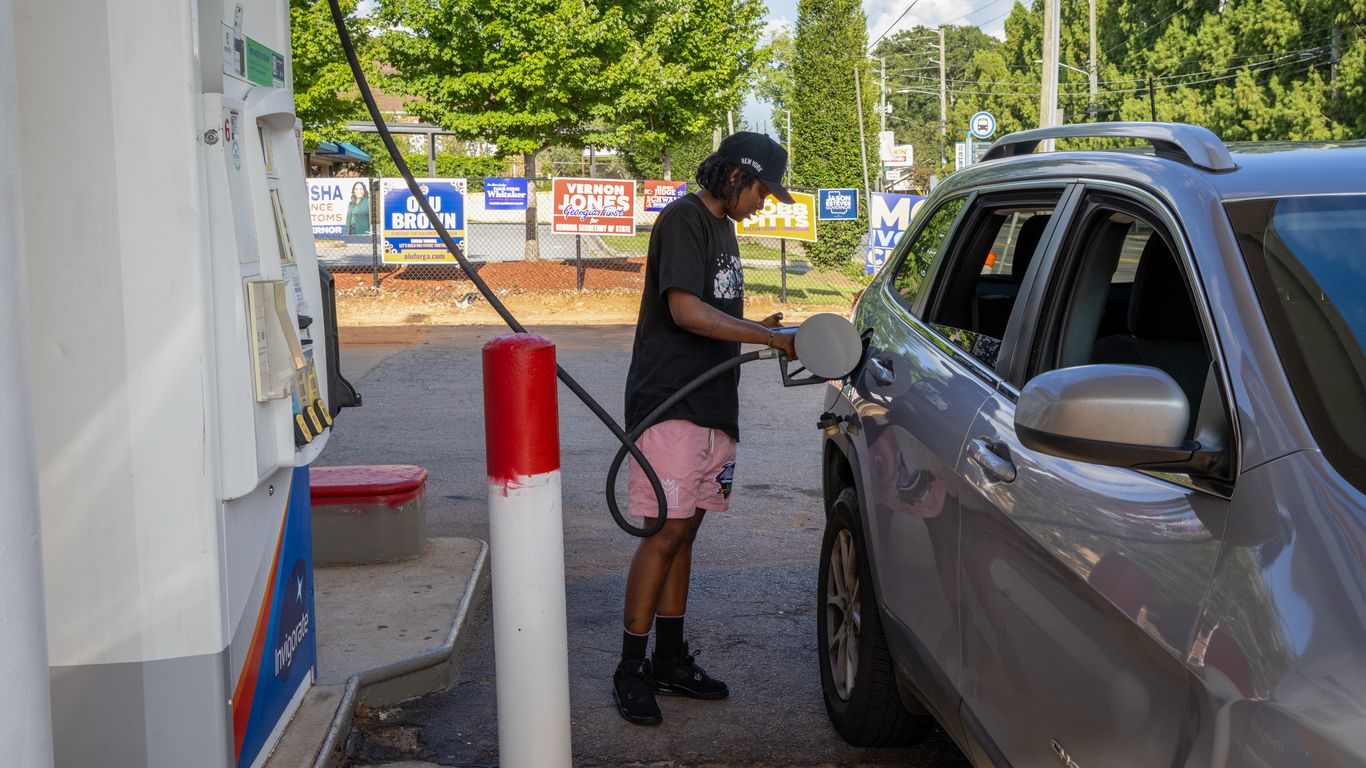
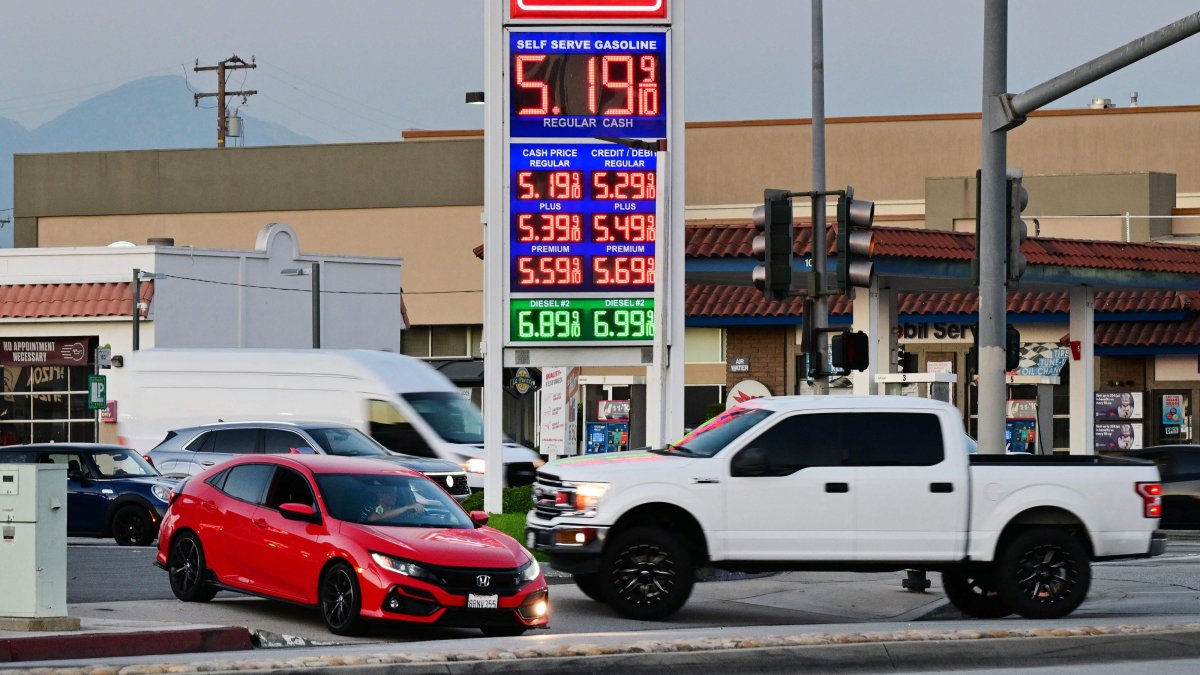
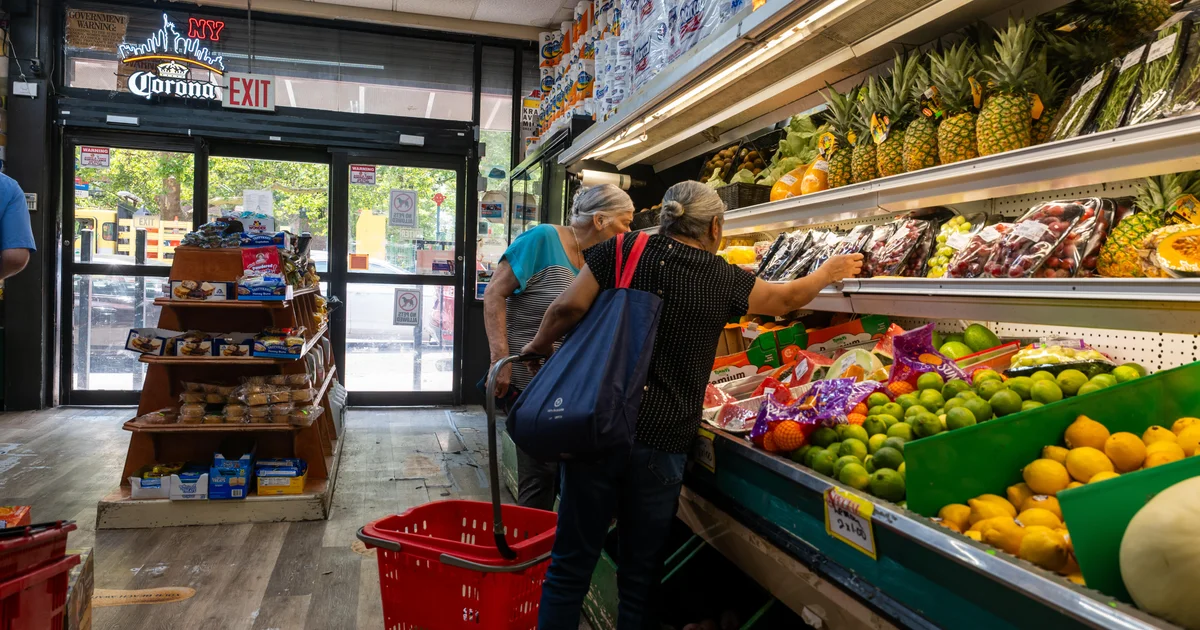
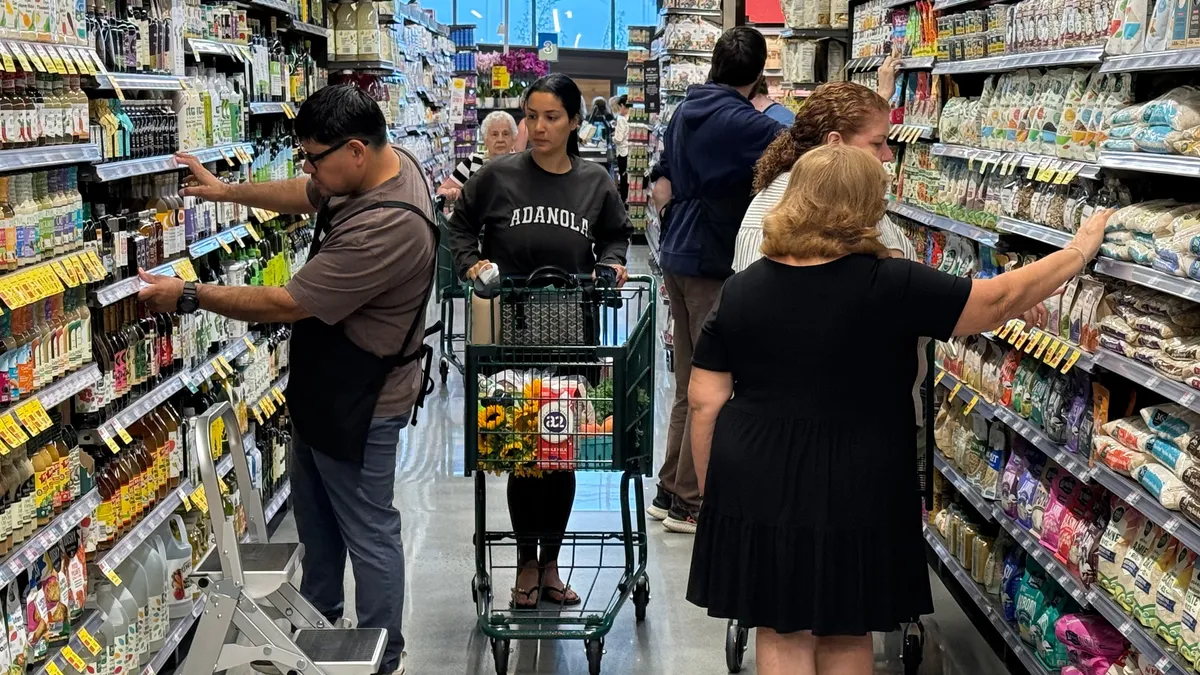
Although U.S. consumer prices ticked up last month, the annual inflation rate eased a bit again in July, the Labor Department said Aug. 12.From June to July, consumer prices rose 0.1%, in line with forecasters’ expectations. Over the year, they were up 3.4%, meaning prices still rose but at a slower pace than before. After surging since the start of the Iran war which drove gas prices up, the annual inflation rate fell from 4.2% in May to 3.5% in June.A deceleration in year-over-year price increases could be good news for consumers struggling with the cost of living, although their paychecks still may not be keeping up. Average hourly earnings for employees on private nonfarm payrolls rose just 3.2% over the year in July.While slowing annual inflation is likely a welcome sign to Federal Reserve officials who have promised to deliver price stability, it remains well above the Fed’s 2% target, as it has for the past five years. Policymakers' next interest rate decision in September remains difficult to predict as officials wait for August data.Still, cooling annual inflation combined with a weak July jobs report should lower expectations for a September rate hike, according to Seema Shah, Principal Asset Management’s chief global strategist. Though she said it “does not put it completely to bed.” “With the Strait of Hormuz still shut, upside inflation risks will remain top of mind for the foreseeable future,” Shah said in a note to USA TODAY. “We expect no change in rates this year but cannot dismiss the elevated risks of a hike later in the year if energy disruptions are sustained, while the threat of an AI induced rise in inflation also cannot be ignored.” What is the core US inflation rate?“Core” inflation is the department’s way to measure price increases while excluding volatile food and energy costs. It’s closely watched for evidence of whether underlying price pressures are easing amid supply shocks that can drive the headline Consumer Price Index number higher. The July reading supports the view that higher oil prices have not led to wider price increases, according to Brock Weimer, an investment strategy analyst at Edward Jones. Core inflation rose 0.2% over the month, after staying put in June. Over the year, it was up 2.5% in July, slightly lower than the 2.6% pace recorded the month before. “It is possible that the waning effects of tariff rollbacks, and perhaps the effects of the reimposition of some tariffs, put upward pressure on good prices,” David Royal, Thrivent’s chief financial and investment officer, said in another note to USA TODAY. “If so, the cooling of goods inflation in recent months could be fleeting.” What's cheaper and more expensive at the grocery store?Americans may have paid a bit less for groceries in July, as the department’s food at home index fell 0.1% over the month. It was still up 2.7% over the year.In July, lettuce prices fell 16.4% as consumers shied away from products tied to the cyclosporiasis outbreak. The meats, poultry, fish, and eggs index decreased 0.7% over the month, driven by a 1.5% decline in pork prices. Dairy and related products got a bit cheaper too, as their index fell 0.1% in July.However, some items got more expensive. Nonalcoholic beverage prices rose 0.9% while the index for cereals and bakery products ticked up 0.2% in July.Dining out also got pricier last month. The department’s food away from home index rose 0.3% over the month and was up 3.4% over the last 12.Is gas getting cheaper?While gas prices rose in the second half of July as the war continued disrupting oil traffic in the Strait of Hormuz, they were lower last month on average than in June. Over the month, the department's index for gasoline fell 2.9%. Gas prices are still up 24.6% over the year.“Whether or not prices fall again in August will depend on how negotiations progress between the US and Iran over the coming weeks,” Bank of America Global Research U.S. economist Stephen Juneau said in a report ahead of the Consumer Price Index’s release.As of Aug. 12, the national average price of a gallon of regular unleaded gas is $4.04, according to AAA, up from $3.88 last month but down from $4.08 last week.What does this mean for the Fed?July’s CPI report will help inform Fed policymakers, but it’s unlikely to settle debate around the September decision by itself. Officials will also have August employment data and a second inflation report before they meet Sept. 15 and 16.Fed policymakers tend to base their decisions off observed trends, not single reports. Inflation surged in the spring and has moderated in recent months but remains too high for some officials’ comfort. Three members of the rate-setting committee dissented from the Fed’s July decision to leave its benchmark for interest rates unchanged. They preferred a quarter-point hike as the Fed typically raises the federal funds rate to tame inflation.But officials are also watching the U.S. job market. After historically low hiring in 2025 that prompted the Fed to lower its benchmark rate three times late last year, job creation rebounded in the spring but slowed in June. In July, U.S. employers shed 23,000 jobs.Fed Chair Kevin Warsh’s remarks after the June meeting further complicated forecasts when he said markets may be doing some of the Fed’s inflation fighting work for it.Ahead of the July inflation report, traders were about evenly split on whether the Fed would hike or hold at the September meeting. After its release, more are betting on a hold, according to CME FedWatch.What does the Fed chair want?President Donald Trump, who has consistently pressured the Fed to lower rates in his second term, said Aug. 10 he talked to Warsh “a few days ago” and implied Warsh would like to see the federal funds rate lower, too. “He’s got a board. It’s not only him,” Trump told reporters in the Oval Office. “If it was up to him, it would be different.” Although Warsh has made it clear he doesn’t want to let people know what he thinks is the best path for rates, Fed watchers may learn more from his scheduled appearance at the Jackson Hole Economic Policy Symposium at the end of this month. “The president says a variety of things, and they may be reflective of what Chairman Warsh is thinking, but they also may be more reflective of what he’s thinking and what he’s hoping for,” Chester Spatt, Carnegie Mellon University finance professor and former chief economist of the U.S. Securities and Exchange Commission, said.(This story was updated to add new information.)Reach Rachel Barber at rbarber@usatoday.com, follow her on X @rachelbarber_, and subscribe to her newsletter "Making More of Your Money" here.