Image via DepositPhotos
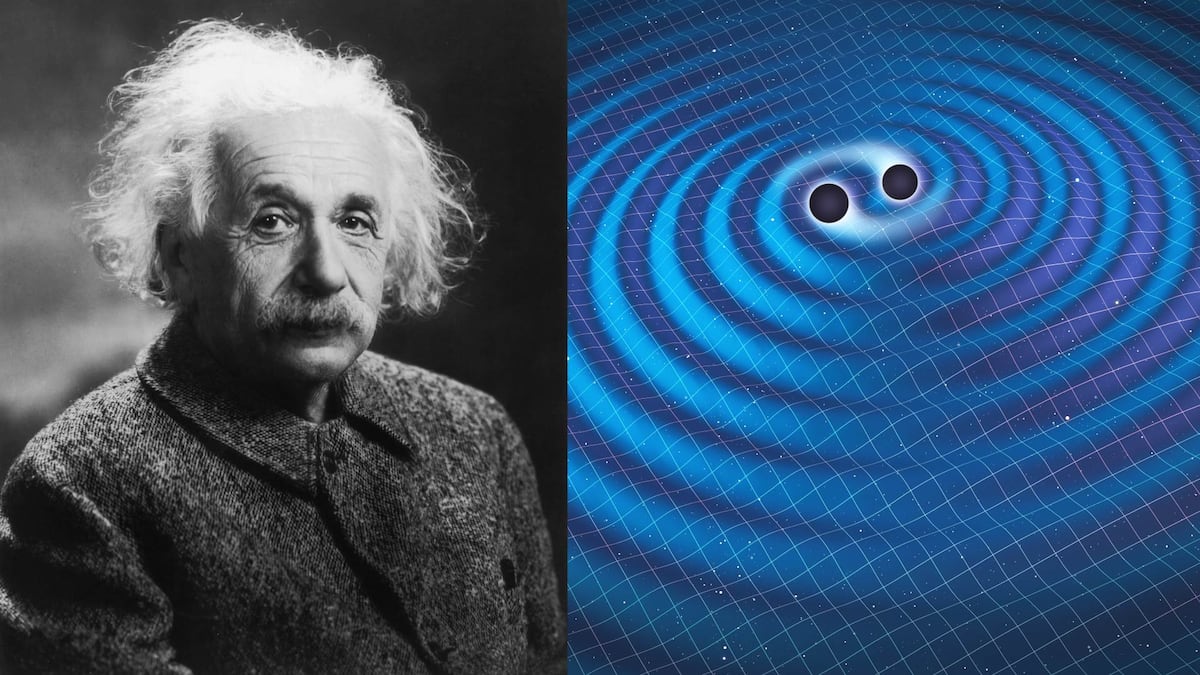
Ten years ago, scientists detected gravitational waves directly for the first time. The discovery confirmed a key prediction of Albert Einstein’s theory of general relativity and opened a new way of studying the universe.
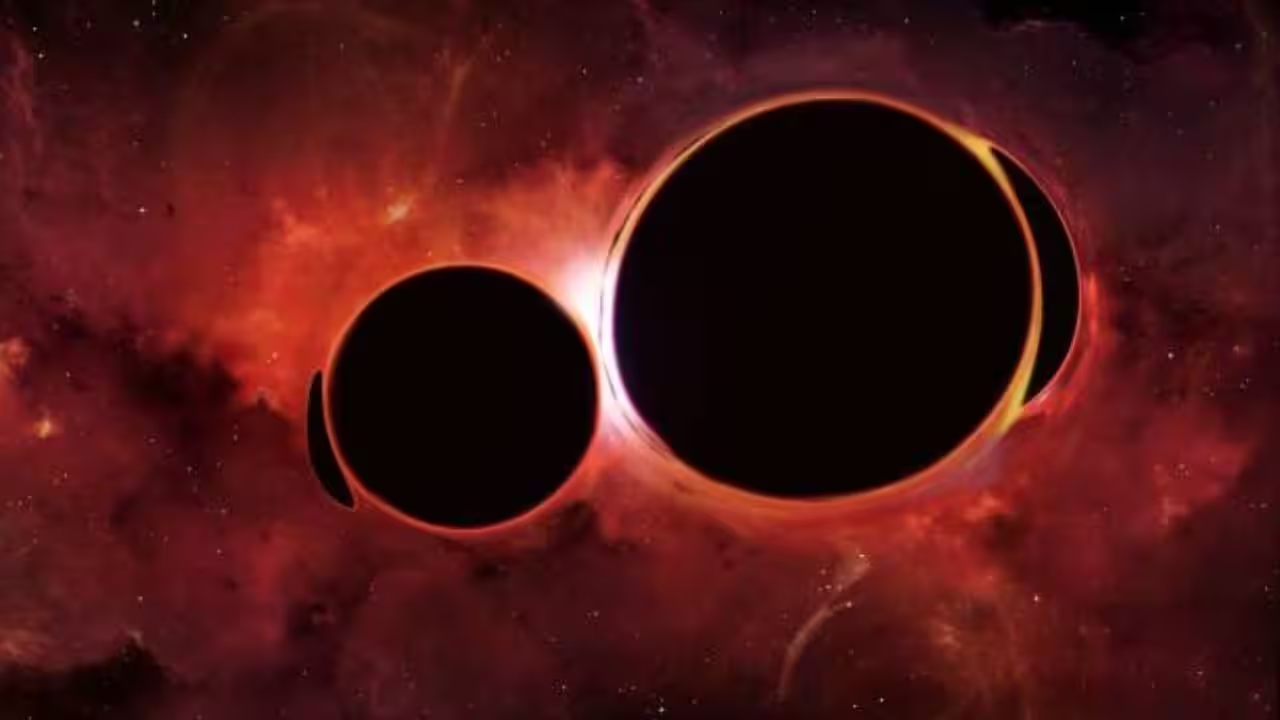
Gravitational waves are changes, or “ripples,” in spacetime. They are produced when very massive objects accelerate in certain ways, such as when black holes or neutron stars orbit each other and merge. These waves travel through the universe at the speed of light and carry information about the objects and events that created them.
Spacetime is the combined description of space and time. According to Einstein’s general theory of relativity, matter and energy can change the shape of spacetime, producing what we experience as gravity. When very massive objects undergo rapid changes in motion, they can create disturbances in spacetime that move outward as gravitational waves.
The first direct detection was made on September 14, 2015, by the twin Laser Interferometer Gravitational-wave Observatory, or LIGO, detectors in the United States. LIGO is designed to detect gravitational waves rather than ordinary light. Its detectors use laser beams and long interferometer arms to measure incredibly small changes in distance caused by passing gravitational waves.