Gravity is best known as the force that pulls objects toward Earth, but its role extends far beyond falling apples. Across the universe, gravity acts as an invisible framework that influences how galaxies, galaxy clusters, and the largest cosmic structures form and evolve.
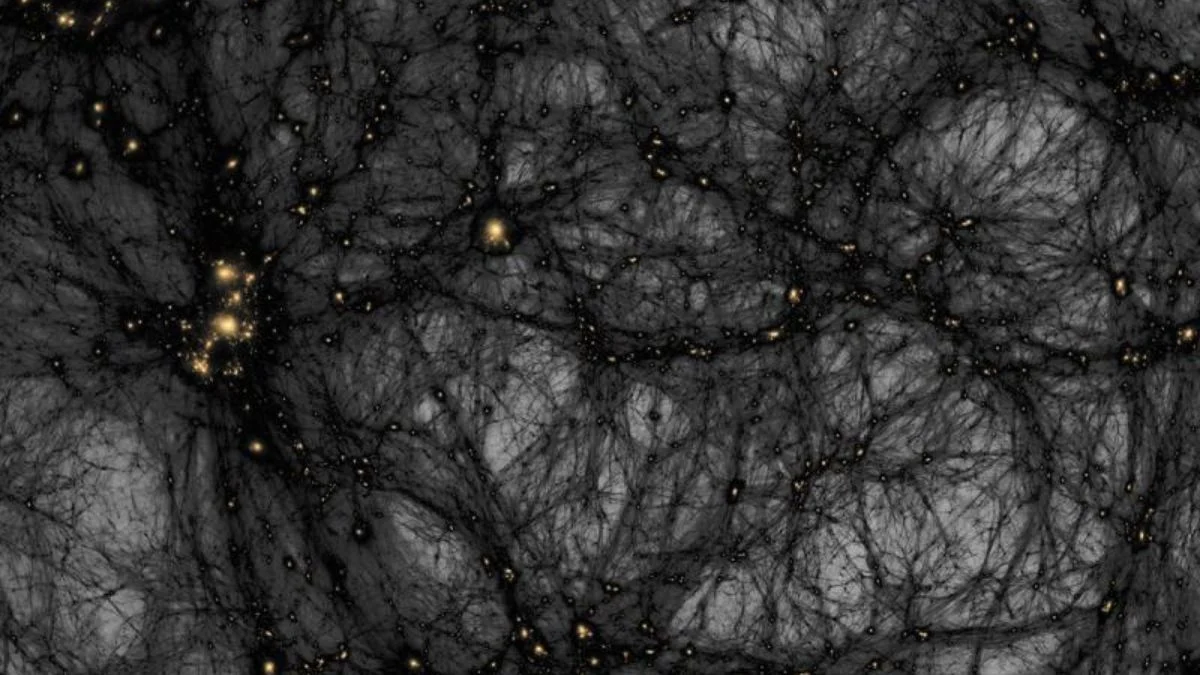
For decades, however, astronomers have faced observations that do not seem to fit neatly with what can be seen. Some stars and galaxies move much faster than their visible mass appears capable of explaining. That mystery has led cosmologists such as University of Pennsylvania researcher Patricio A. Gallardo to investigate whether the laws of gravity established by Isaac Newton and Albert Einstein remain valid everywhere in the universe.
"Astrophysics has been plagued by a massive discrepancy in the cosmic ledger," says Gallardo. "When we look at how stars orbit within galaxies or how galaxies move within galaxy clusters, some appear to be traveling way too fast for the amount of visible matter they contain."
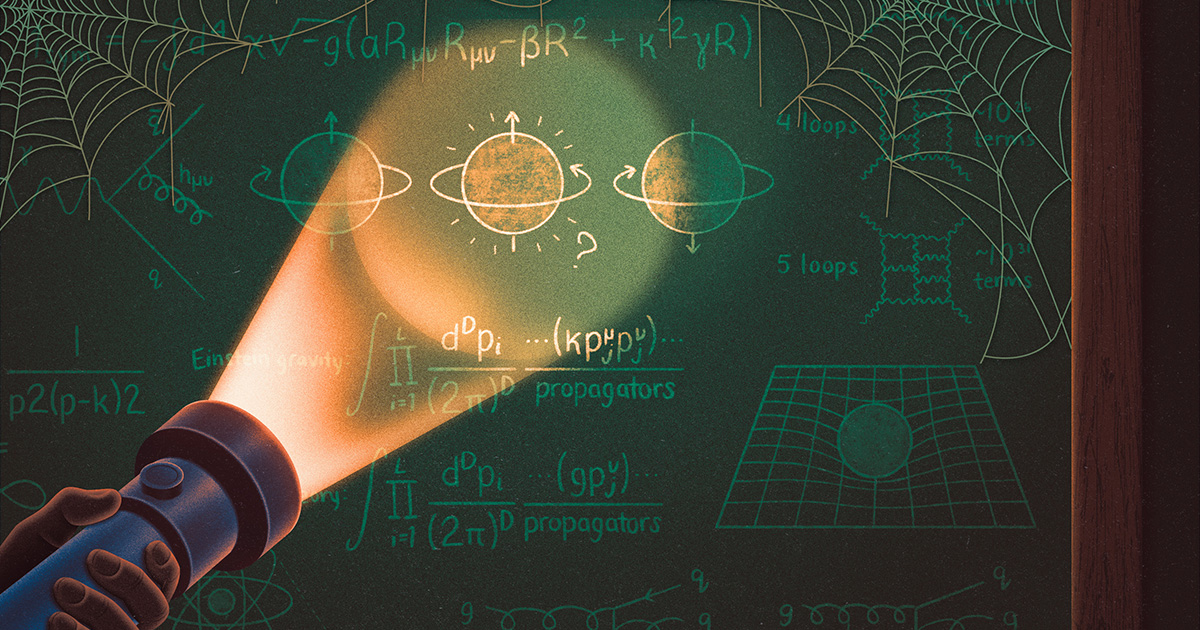
According to Gallardo, this discrepancy points toward two dramatically different possibilities. The universe may contain large amounts of invisible "dark matter" whose gravity supplies the additional pull, or "the fundamental equations for gravity need to be modified."