Scientists at the University of Glasgow are celebrating the release of a massive new catalog of gravitational wave detections that marks another major step forward for gravitational wave astronomy.
The newly published Gravitational Wave Transient Catalogue-5.0 (GWTC-5) has been released online, with companion research papers submitted to Astrophysical Journal and Astrophysical Journal Letters.
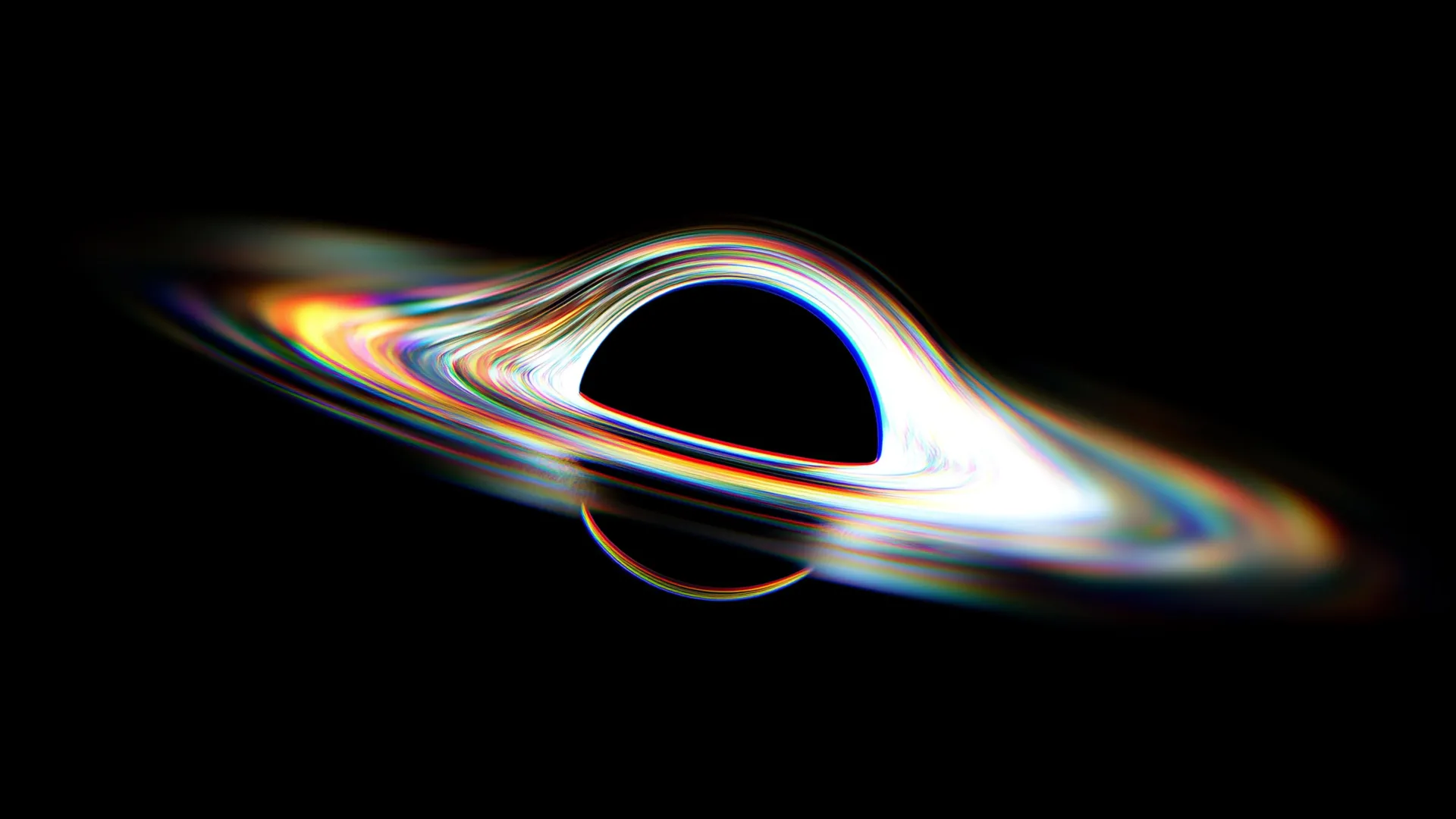
The latest catalog adds 161 newly identified signals from colliding black holes detected between April 2024 and the end of January 2025 by the LIGO detectors in the United States, Virgo in Italy, and KAGRA in Japan. Together, these facilities make up the international LVK collaboration. With these additions, the total number of confirmed gravitational wave detections has now reached 390.
The expanded catalog includes several landmark discoveries. Among them are new evidence for second-generation black holes, the most accurate sky localization ever achieved for a gravitational wave source, and the first measurement of three vibrational modes from a black hole.
Decades of Work Behind the Discoveries